
How Thermal Mass Works in Hot, Humid Climates
Thermal mass can help regulate temperature by absorbing heat and releasing it later. Its effectiveness depends heavily on climate and where the material is located within a home. In hot, humid climates like Bryan-College Station, thermal mass requires a different approach from the strategies commonly used in hot, dry regions.
What Is Thermal Mass and How Does It Work?
Thermal mass refers to the ability of dense materials to absorb and store heat. Materials such as stone, brick, adobe, concrete, and tile can take on heat and release it gradually as surrounding temperatures change.
In a hot, dry climate, a thick masonry wall may absorb heat throughout the day. Once outdoor temperatures fall at night, that stored heat can move back out of the wall. Cooler nighttime conditions allow the material to release the heat it collected before the cycle begins again the following day.
This daily temperature swing plays an important role in how well exterior thermal mass performs. Bryan-College Station does not experience the same consistent nighttime cooling found in many dry climates. Our summers remain hot and humid well into the evening, so a thermal mass strategy designed around cooler desert nights can behave differently here.
Why Thermal Mass in Hot, Humid Climates Requires a Different Approach
When outdoor thermal mass is exposed to the Texas sun, it absorbs solar energy throughout the day. If nighttime conditions do not cool enough for that stored heat to dissipate effectively, the material can remain warm rather than resetting for the next day.
Where thermal mass is placed within the home can therefore change how it performs. A material that provides useful thermal mass inside a conditioned space may create a different effect when it forms part of a sun-exposed exterior because it is responding to a different set of conditions.
This is one reason building strategies should be considered in the context of the climate where a home is actually located. The U.S. Department of Energy explains that thermal mass works by absorbing and storing heat, and that its effectiveness is influenced by daily temperature swings and how the material is incorporated into the building. A technique that performs well elsewhere cannot automatically be expected to produce the same result in Bryan-College Station.
Exterior Brick and Solar Heat
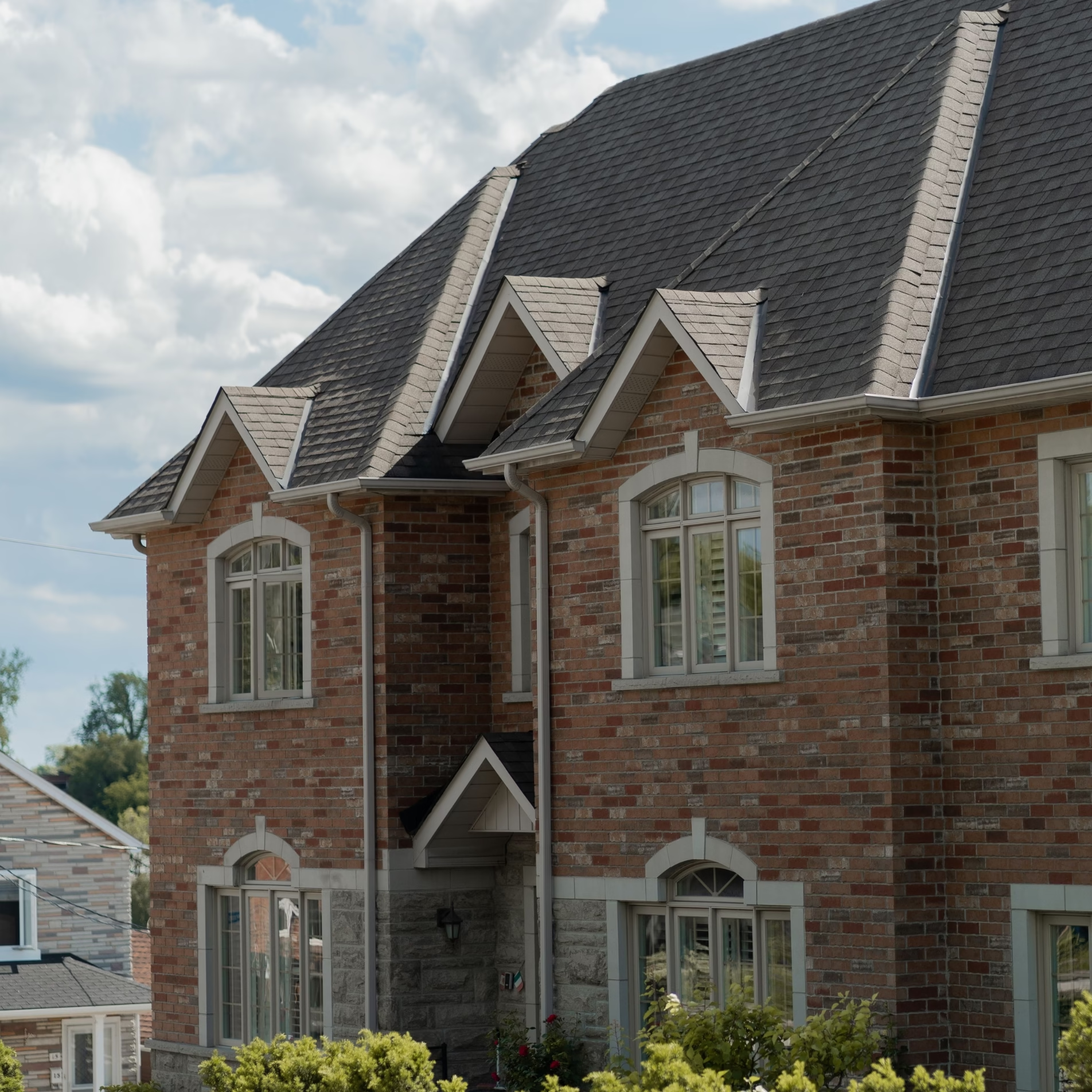
Brick is common throughout the Gulf Coast, often as a veneer rather than a structural wall. Its popularity makes it a useful example of how exterior thermal mass behaves.
Brick exposed to direct sunlight absorbs solar energy and warms the surface next to the home. Stearns Design Build President Hugh Stearns experienced this with his own 1950s home, which originally had a full brick veneer that he found contributed significantly to heating the interior.
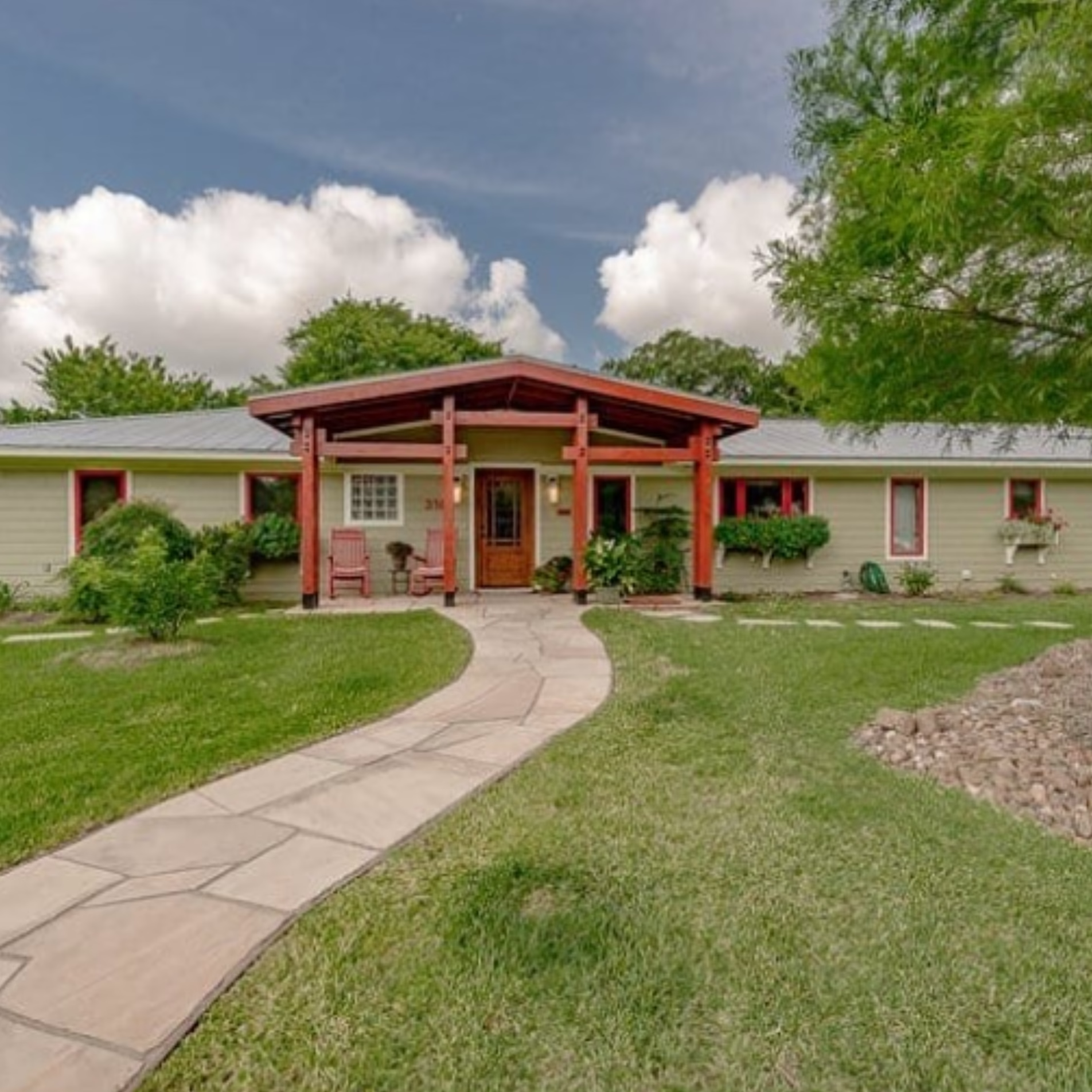
During renovations, Hugh removed the brick and added a second insulated wall before finishing the exterior with fiber cement siding. The change allowed him to double the insulation and improve the air seal while reducing the exterior heat. He also preferred the finished appearance of the house.
His experience provides a local example of how an exterior material can affect thermal performance and why climate should be considered when making material decisions.
Why Interior Thermal Mass Behaves Differently
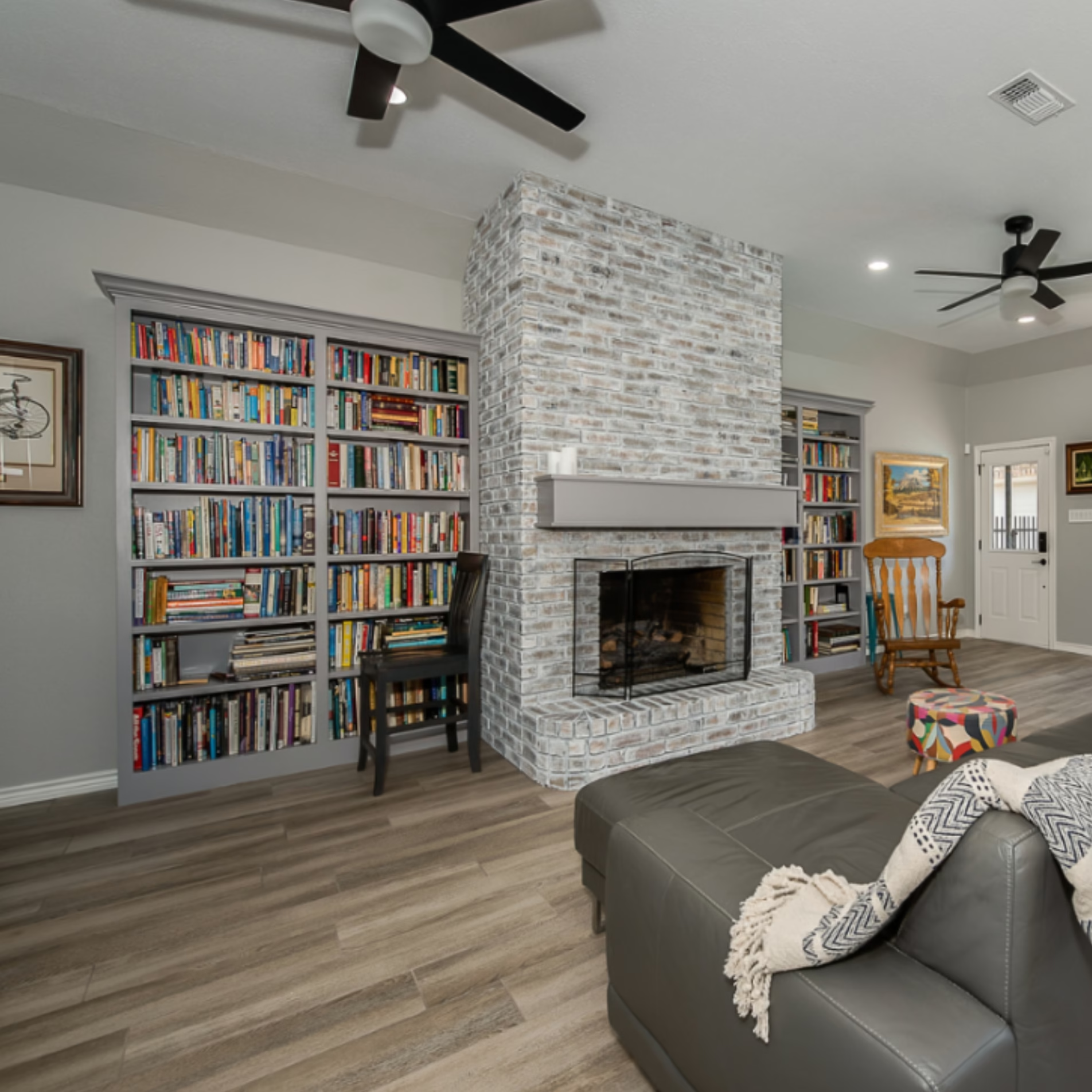
Moving thermal mass indoors changes the conditions surrounding it. An interior stone wall or masonry fireplace is removed from direct outdoor heat exposure and instead interacts with the house’s conditioned environment.
Once the material stabilizes near the indoor temperature, it can absorb some of the heat entering the space. As indoor conditions change, it gradually releases that stored heat. This can moderate temperature swings and reduce some peak cooling demand during the hottest part of the day.
Reducing that peak load is one way interior thermal mass may contribute to cooling efficiency. The amount of benefit will depend on how the material functions within the home and the conditions it is exposed to.
Ways Thermal Mass Can Be Incorporated Inside a Home
Interior thermal mass can take several forms within a home’s design. Many of the materials that provide it already serve an architectural or functional purpose in the room.
Fireplaces and Masonry Walls
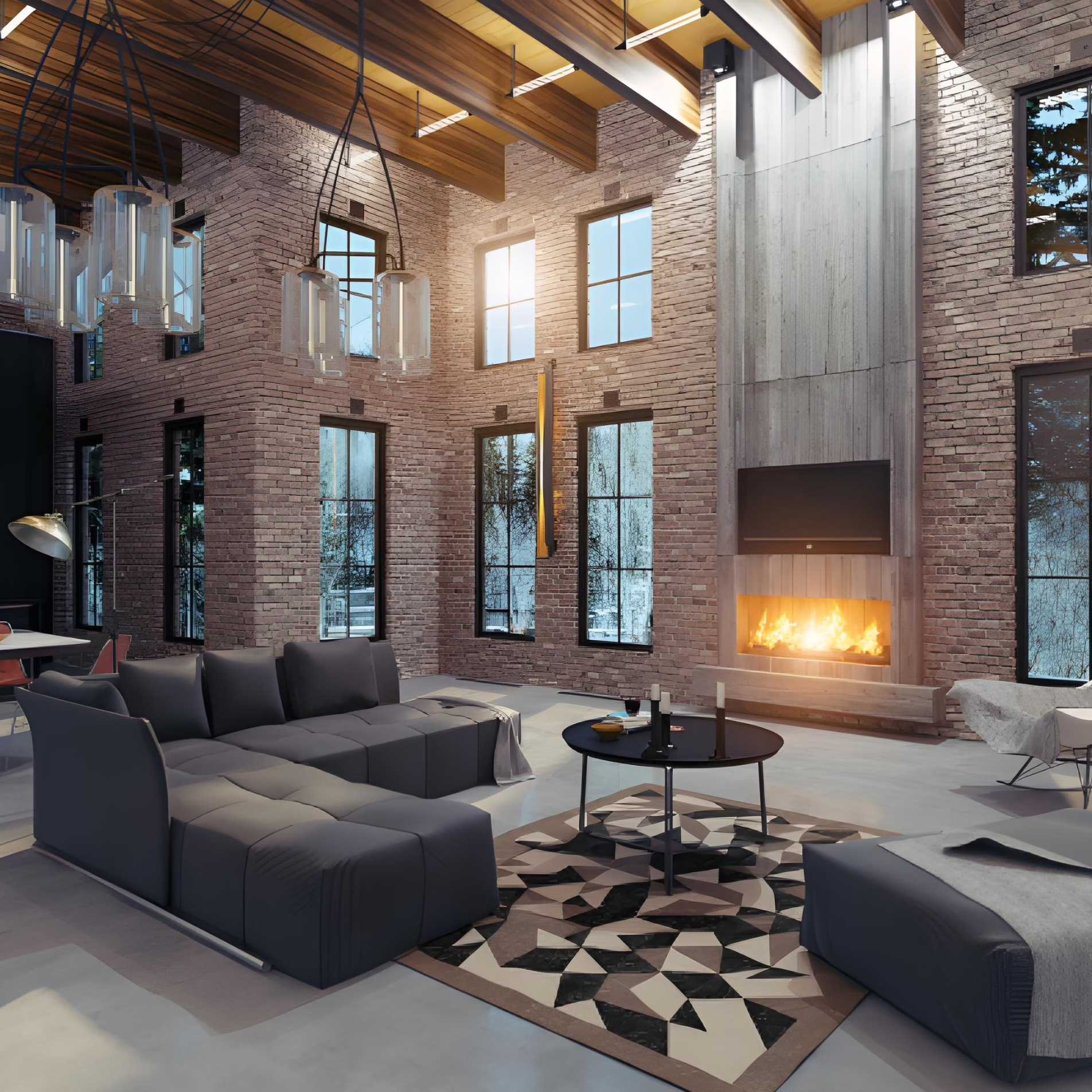
A fireplace surrounded by brick or stone provides a concentrated area of thermal mass. During winter, the masonry can absorb heat while the fireplace is operating and continue releasing some of that heat after the fire goes out. During warmer months, the same dense material can absorb heat from the indoor air and release it gradually as temperatures change.
Interior rock and brick walls work on the same basic principle. They can also introduce texture or carry an exterior masonry material into an entry or living space, creating a visual connection between the areas.
Rammed earth walls offer another way to bring substantial thermal mass indoors. They are made from compressed layers of sand, clay, and gravel, resulting in a dense wall that absorbs and releases heat as indoor temperatures change. The layered material also creates a distinctive finished surface.
Tile, Stone, and Concrete Floors
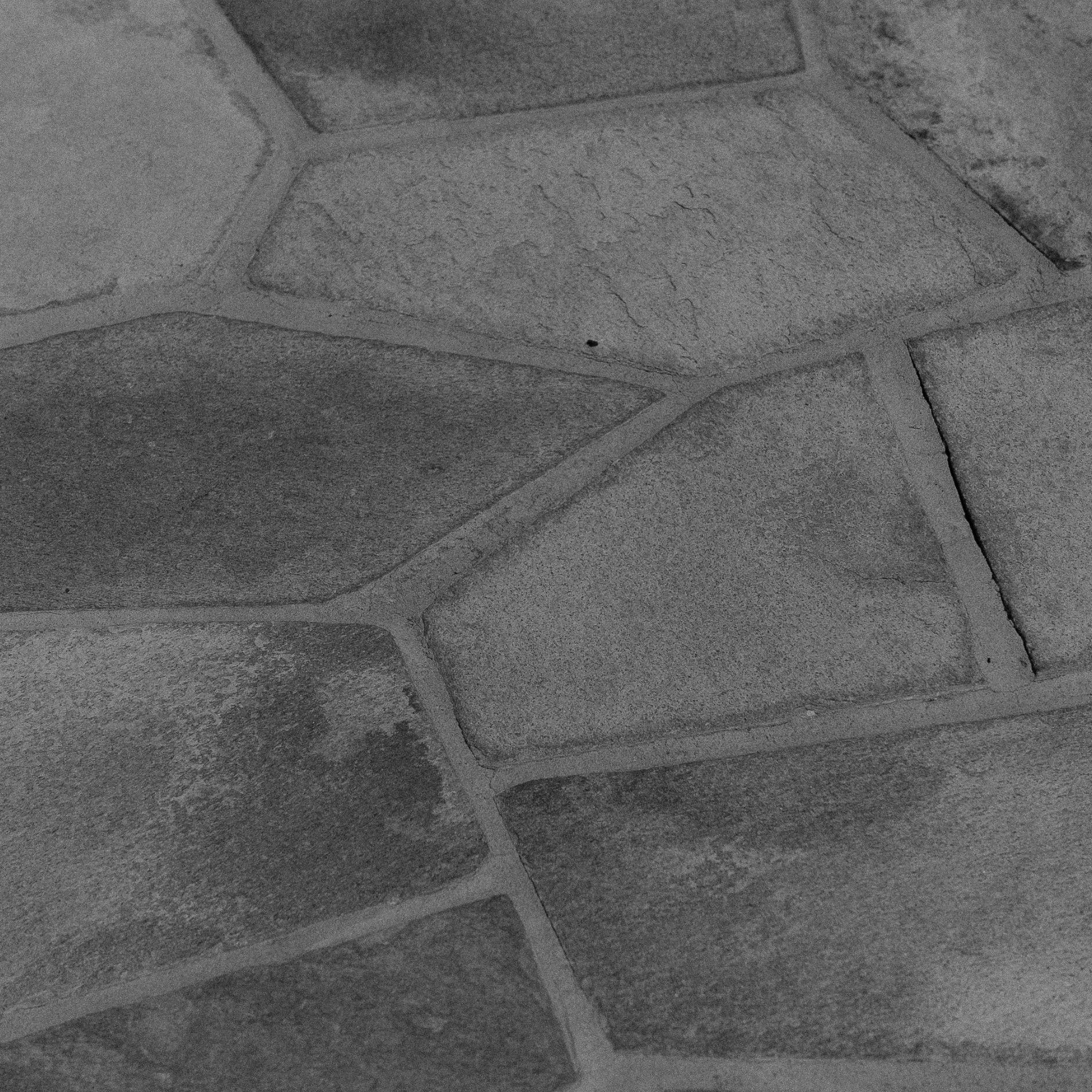
Floors provide a large surface where thermal mass can be incorporated into the home. Tile and stone absorb heat and release it gradually, and they can be paired with radiant floor heating during winter to distribute warmth across the space.
Concrete provides similar thermal mass and can be polished for use as the finished flooring. In Bryan-College Station’s hot climate, concrete floors can remain cool during the day and contribute to indoor comfort.
Built-Ins and Interior Features
Built-in benches or shelving made from stone or brick offer another place to incorporate thermal mass. These features provide seating or storage while adding dense material to the conditioned space.
You can also use exposed brick or stone on accent walls in living rooms, kitchens, hallways, or other areas of the home. In addition to adding character and texture, the material absorbs heat from the indoor environment and releases it gradually as conditions change.

Thermal Mass and Passive Solar Design
Thermal mass can be combined with passive solar design by considering when direct sunlight reaches the material. Window and skylight placement influence that exposure, while roof overhangs can provide seasonal shading.
For example, a concrete or stone wall can be positioned back from direct summer sun while still receiving lower-angle winter sunlight. During winter, the material can absorb solar heat during the day and release it as temperatures fall at night. Summer shading limits the amount of direct solar heat reaching the same surface.
The original thermal mass strategy also depends on proper insulation and ventilation. Considering these parts of the home together can reduce the energy required for heating and cooling.
How Thermal Mass Can Affect HVAC Loads
Interior thermal mass may also affect peak cooling demand. As outdoor temperatures rise and heat enters the home, dense interior materials can absorb some of that energy. This can reduce the highest cooling load during the hottest part of the day.
A lower peak cooling load could theoretically allow for a smaller, more efficient HVAC system. The difficulty is determining exactly how much thermal mass changes that load.
Current HVAC sizing programs do not account for the impact of indoor thermal mass. Air-conditioning professionals are therefore cautious about reducing equipment size based on a benefit that is not reflected in the standard sizing formulas.
Thermal mass becomes one consideration in the broader evaluation of how much cooling the home will require.
How Stearns Design Build Approaches Thermal Performance
A home’s thermal performance is influenced by decisions made throughout its design. Wall materials affect heat gain, and window placement influences solar exposure. Insulation and air sealing also affect how readily outdoor conditions influence the interior. Thermal mass adds another consideration because it changes how the home absorbs and releases heat.
At Stearns Design Build, we consider these relationships as we work through the home’s design and systems. For homes in Bryan-College Station, this includes evaluating how a strategy is expected to perform in our heat and humidity.
HVAC planning is part of that process. We work closely with our trusted HVAC mechanic and frequently encourage smaller system sizes because our designs aim to reduce cooling loads, even when some of those reductions are not reflected in traditional calculations.
Considering thermal performance during design gives these decisions a place to be worked through before construction. It also allows the home’s design and HVAC requirements to be evaluated in relation to each other.
Frequently Asked Questions
What materials have high thermal mass?
Dense materials such as concrete, brick, stone, adobe, and tile provide thermal mass. They absorb heat and release it gradually as the temperature of the surrounding environment changes.
Is thermal mass good for hot climates?
Its effectiveness depends on the climate. Hot, dry regions often experience nighttime cooling that helps release heat stored during the day. Hot, humid climates like Bryan-College Station require greater consideration of where the thermal mass is located and how much heat it receives.
How does exterior brick affect a home in a hot climate?
Brick exposed to sunlight absorbs solar energy and warms the surface next to the home. In a hot, humid climate where nighttime cooling is limited, that stored heat may not dissipate as effectively as it would in a climate with cooler nights.
Can thermal mass reduce air-conditioning use?
Interior thermal mass can absorb some heat as indoor conditions change, which may reduce peak cooling demand. The amount of benefit is difficult to quantify because traditional HVAC sizing programs do not account for the impact of indoor thermal mass.
Can thermal mass make a home more comfortable in winter?
Dense interior materials can absorb heat and release it gradually as the surrounding space cools. Masonry around a fireplace can continue releasing stored warmth after a fire goes out. Tile or stone flooring can also work with radiant floor heating to distribute warmth.
Does thermal mass mean I can install a smaller HVAC system?
A reduced peak cooling load could theoretically allow for smaller equipment, but current HVAC sizing programs do not account for indoor thermal mass. System sizing therefore requires evaluation of the home’s cooling load rather than assuming a particular reduction from thermal mass.