
What Can Frost on Your Roof Tell You About Your Home’s Energy Efficiency?
Frost on a roof can offer clues about how a home manages heat. Differences in frost coverage may reflect heat escaping into the attic, variations in insulation, or conditions surrounding the roof. Understanding these patterns provides an interesting introduction to home energy efficiency and the building science that influences indoor comfort.
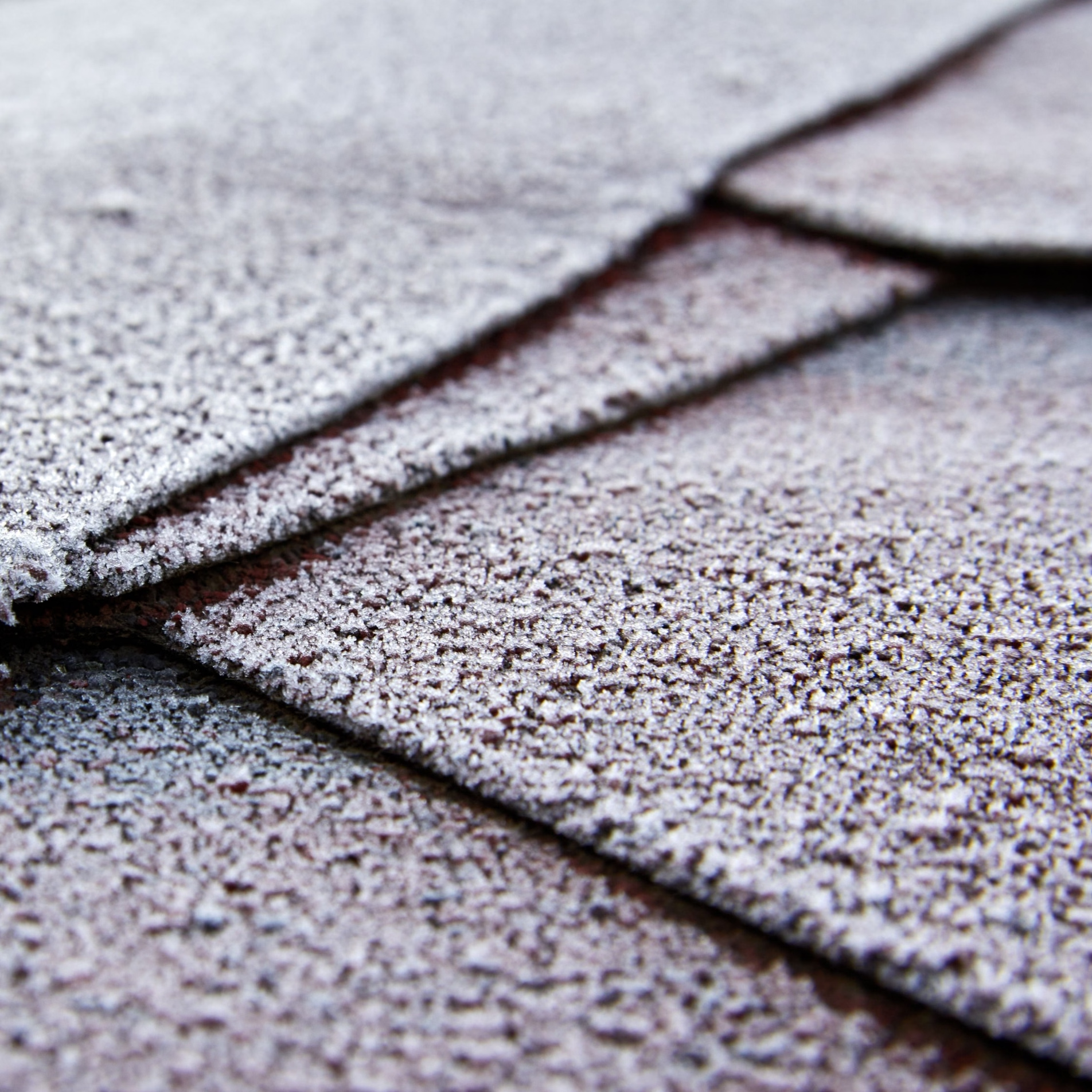
What Roof Frost Patterns Reveal About a Home
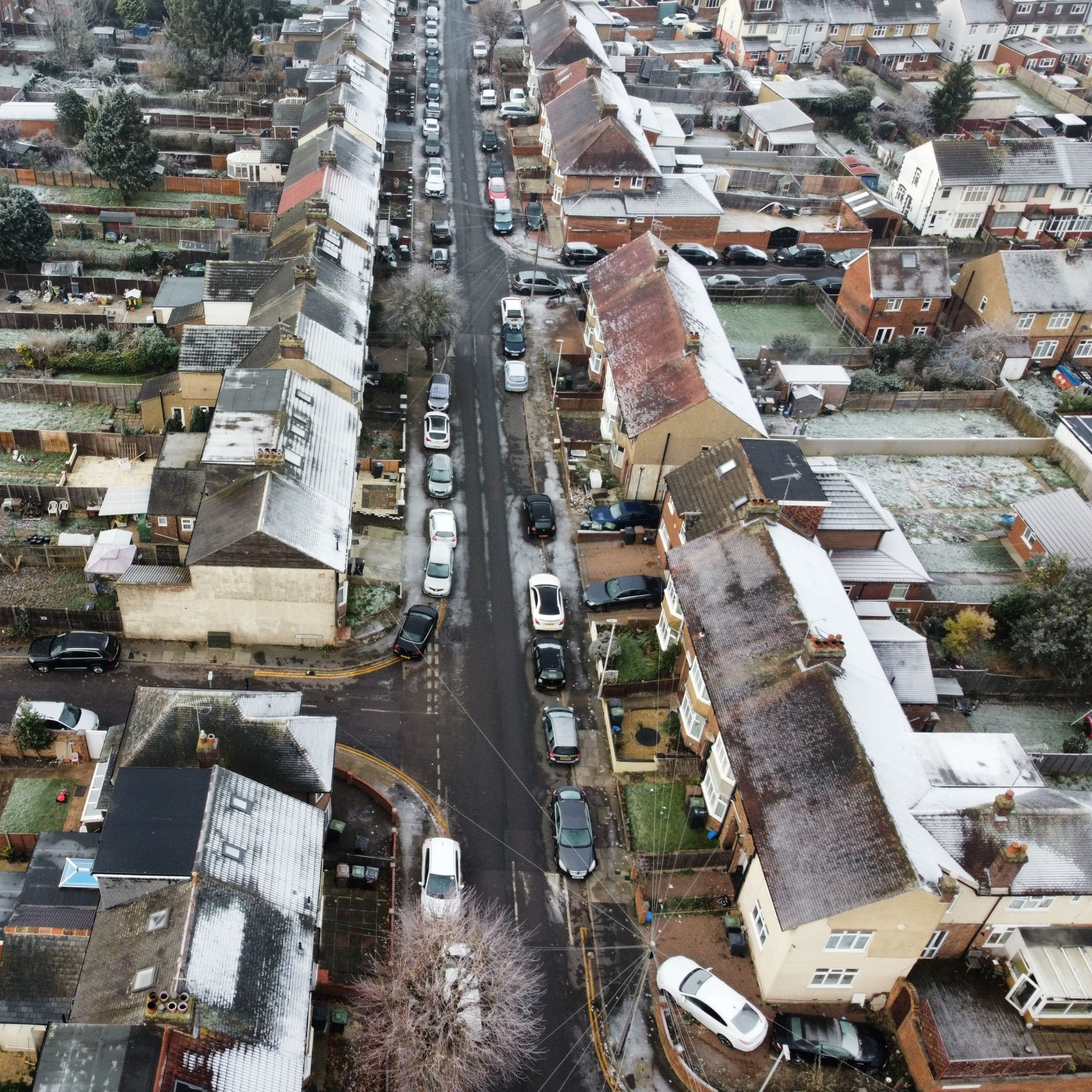
On a cold, frosty morning, take a look at the rooftops as you drive through your neighborhood. Some may be covered in a consistent layer of frost, while others have bare patches or noticeably less frost near the roof’s peak. Even homes along the same street can display very different patterns.
These differences can reveal something about the temperatures of the roof surfaces and the conditions influencing them. In certain circumstances, frost can serve as a visible clue about how heat moves through a home.
Frost forms when water vapor in the air deposits as ice on a surface cold enough for that process to occur. The temperature of a roof is influenced by outdoor weather, sunlight, exposure to the sky, and heat moving through the building. When conditions are similar, differences in frost coverage may offer clues about how effectively a home separates its conditioned living space from the outdoors.
Why a Frost-Covered Roof Can Be a Good Sign
A roof covered in an even layer of frost may indicate that the roof surface is remaining cold despite the heated living space below it. In a home with a properly insulated and air-sealed attic floor, less indoor heat reaches the attic and warms the roof sheathing.
Insulation slows the transfer of heat, while air sealing reduces the movement of conditioned indoor air into unconditioned spaces. Together, these elements help maintain the thermal boundary between the living areas and the attic.
However, frost coverage alone cannot confirm that a home is well insulated. Roof orientation, ventilation, roofing materials, and local weather conditions also influence frost formation. The pattern provides an observation worth understanding rather than a definitive measurement of energy performance.
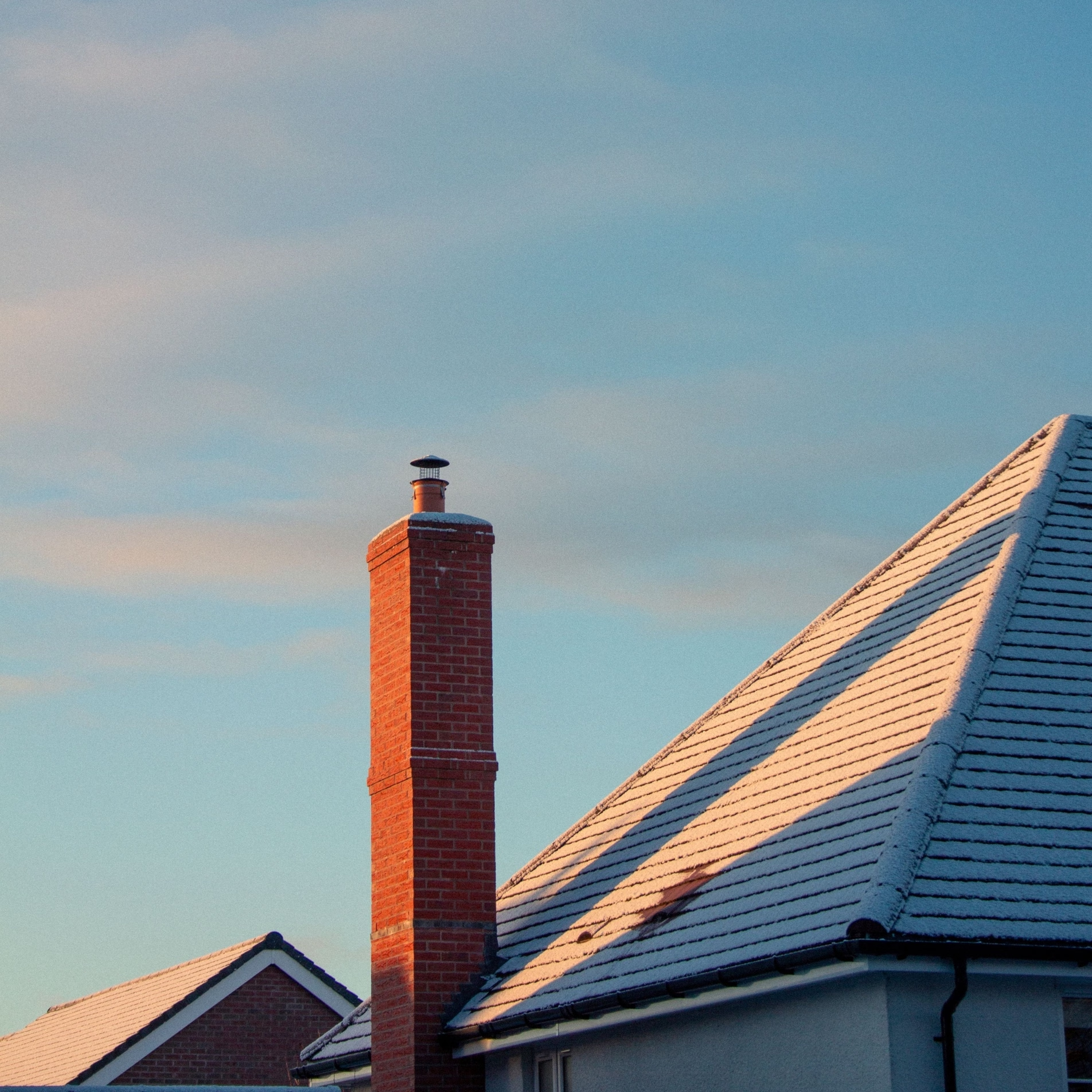
Why Heat Loss Matters to Everyday Comfort
During colder weather, heat naturally moves from warmer areas toward cooler ones. In a heated home, this creates opportunities for warmth to escape through portions of the building envelope, including the ceiling separating the living space from an unconditioned attic.
When warm indoor air leaks into an attic, it can carry heat and moisture into a space intended to remain closer to outdoor conditions. Insulation deficiencies can also allow additional heat to move through the ceiling assembly.
These conditions may contribute to uncomfortable indoor temperatures and increased heating demands. A homeowner might notice that certain rooms are harder to keep warm or that the heating system runs frequently during cold weather.
The relationship between indoor comfort and attic performance becomes especially important when considering how a home functions over time. A properly designed thermal envelope helps limit unwanted heat movement and supports more consistent indoor conditions.
Why Frost Sometimes Disappears Near the Roof’s Peak
On some roofs, frost disappears near the peak while remaining visible along the lower sections. This uneven pattern can sometimes indicate differences in how heat moves through the attic.
Warm air escaping from the living space may contribute to this pattern. In some attic configurations, warmer air accumulates toward the upper portions of the roof, potentially raising the surface temperature enough to prevent frost from forming or cause existing frost to disappear.
Older homes may be particularly susceptible to this type of heat movement because attic air sealing was not always given the same attention it receives in modern energy-conscious construction. Gaps around ceiling penetrations and other openings can allow conditioned air to enter the attic.
Improving attic air sealing and insulation can be an important part of an energy retrofit when deficiencies are present. The U.S. Department of Energy explains how air sealing existing attics can reduce unwanted air movement between conditioned living spaces and the attic. However, the upper portion of a roof can also receive different sunlight or experience different ventilation conditions. A bare area near the ridge is therefore only one possible indication of heat movement.
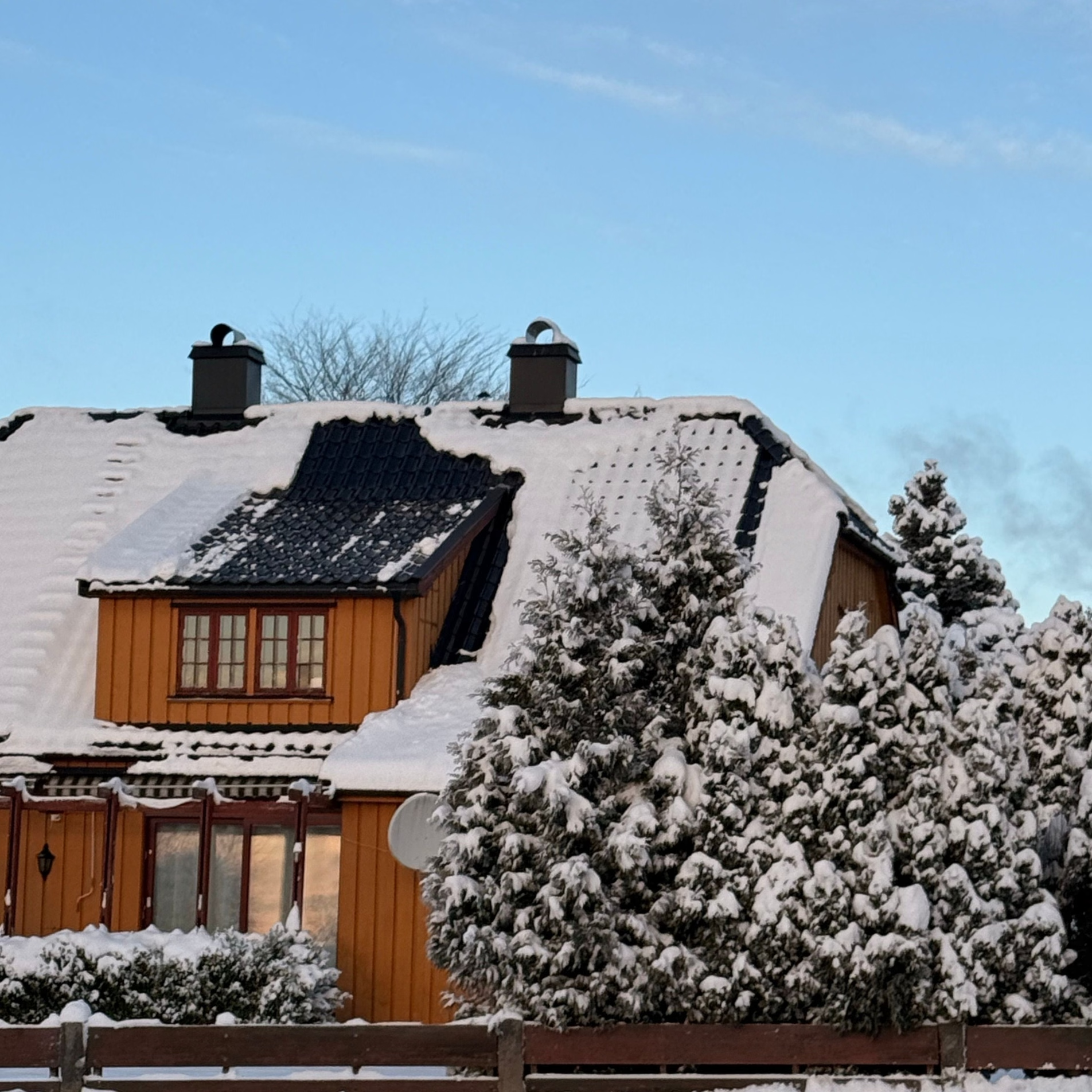
Common Misunderstandings About Roof Frost
Because frost is visible from outside the home, it can be tempting to draw immediate conclusions about the quality of the building. Several common assumptions deserve a closer look.
A Roof Without Frost Must Be Losing Heat
Missing frost can indicate that a roof surface is warmer than surrounding areas, but indoor heat loss is only one possible explanation. Sun exposure, roofing materials, and differences in outdoor conditions can produce similar results.
An Even Layer of Frost Proves the Home Is Well Insulated
Consistent frost coverage may be encouraging under the right conditions, but it cannot establish the quality of the insulation or air sealing. A complete understanding of a home’s energy performance requires consideration of the building’s construction and mechanical systems.
Every Bare Patch Indicates an Insulation Problem
Localized areas of missing frost may correspond with heat-producing equipment, roof penetrations, or insulation irregularities. However, they can also result from shadows, exposure, and other environmental influences.
Recognizing these possibilities helps homeowners understand why building performance should be evaluated through more than one observation.
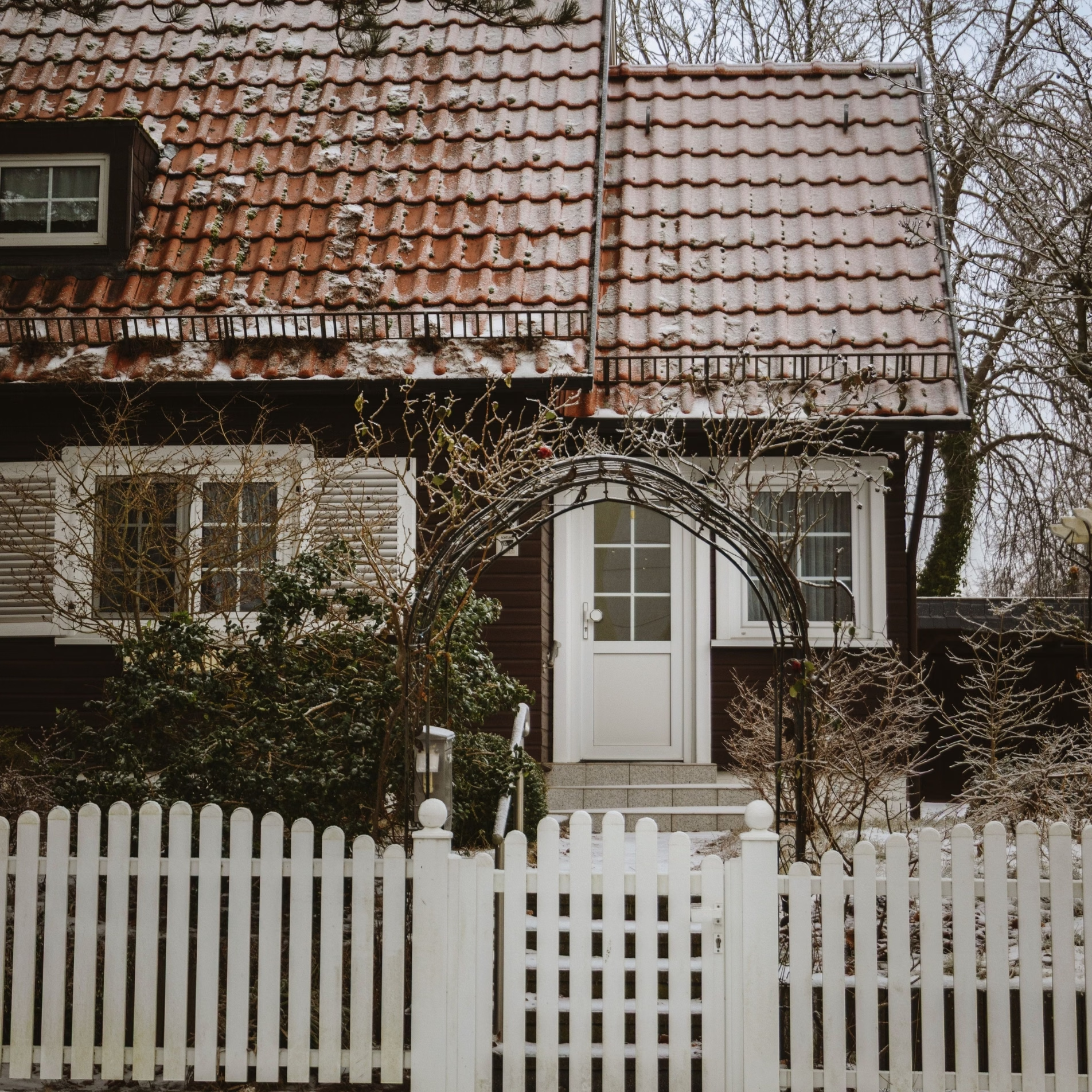
How Frost Patterns Appear on Real Homes
One of the most interesting aspects of roof frost is how differently it can appear across a neighborhood. These variations provide opportunities to understand the relationship between a building and its surroundings.
Random Patches of Missing Frost
Small, irregular patches of missing frost can sometimes indicate areas where additional heat is reaching the roof.
For example, an attic containing a furnace or water heater may have localized temperature differences associated with the equipment or its installation. Missing or uneven insulation can also contribute to warmer areas of the roof assembly.
The appearance of these patches does not identify their cause on its own. It illustrates how heat movement within a building can sometimes become visible under certain outdoor conditions.
The Influence of Trees on Roof Frost
Another interesting pattern is the difference in frost coverage beneath nearby tree canopies. A roof may have a visible layer of frost across its exposed sections while showing considerably less frost beneath overhanging branches.
Trees are commonly associated with summer shade, but their influence on the surrounding environment continues throughout the year. A canopy changes how a roof exchanges radiant heat with the sky and can influence the conditions under which frost develops.
On a clear night, exposed roof surfaces lose heat through radiation toward the colder sky. Branches and foliage can reduce that exposure, allowing portions of the roof beneath them to remain warmer than areas with an unobstructed view of the sky.
This can result in less frost beneath a tree, even when no additional heat is escaping from the house.
Trees can also influence wind exposure and seasonal sunlight. Their effects depend on the species, canopy density, placement, and surrounding conditions. During summer, appropriately positioned trees can reduce solar heat gain by shading portions of the home. During winter, their influence is more variable because shading can also reduce beneficial sunlight.
Reduced frost beneath a tree may therefore reflect the outdoor environment rather than a problem with the home’s insulation. It is a useful reminder that the conditions surrounding a home influence how the building responds to changes in weather.
Why Neighboring Homes Can Look Different
Two homes built along the same street may have very different frost patterns despite experiencing similar weather.
Their roof orientations, attic configurations, insulation levels, and surrounding vegetation may all influence what appears on the surface. Even the timing of sunlight reaching each roof can change how quickly frost disappears.
These differences demonstrate how closely residential energy performance is connected to both construction and environmental conditions. The same visible result can have several possible explanations depending on the home.
How Stearns Design Build Approaches Home Energy Efficiency
At Stearns Design Build, building science informs how we evaluate and approach residential remodeling. The interaction between insulation, air movement, moisture, and the building envelope is an important consideration when planning work that affects a home’s performance.
A home’s thermal envelope includes the assemblies that separate conditioned living spaces from the outdoors or unconditioned areas. Understanding where that boundary exists helps guide decisions about insulation and air sealing.
During remodeling, existing construction conditions can influence which improvements are appropriate and how different building components should work together. Careful planning allows these considerations to be addressed alongside the homeowner’s goals for the space.
We believe homeowners benefit from understanding why these details matter. Explaining the relationship between construction methods and everyday comfort helps them make informed decisions about their homes.
The frost on a roof is one visible example of how a home interacts with its environment. Understanding these relationships encourages greater awareness of the construction details that influence comfort and energy performance throughout the year.
Frequently Asked Questions About Roof Frost
Does frost on my roof mean my home has good insulation?
An even layer of frost can suggest that limited heat is reaching the roof surface under certain weather conditions. However, frost alone cannot confirm insulation quality because roof exposure, ventilation, and environmental conditions also influence its formation.
Why does my roof have frost when my neighbor’s doesn’t?
Differences in roof orientation, construction, insulation, and sunlight exposure can affect frost coverage. Nearby trees and other environmental features may also create different surface temperatures between neighboring homes.
Can missing roof frost indicate heat loss?
Yes, missing frost can sometimes indicate that heat from the home is warming part of the roof. Additional information is needed to distinguish heat loss from other influences such as sunlight or surrounding vegetation.
Why is there less frost near the top of my roof?
Warm air entering an attic may contribute to higher temperatures near the roof’s upper sections. However, differences in ventilation and sun exposure can also affect frost coverage near the ridge.
Can trees affect my home’s energy efficiency?
Trees influence the conditions surrounding a home by providing shade, changing wind exposure, and affecting radiant heat exchange. Their impact on heating and cooling depends on their location, size, and seasonal characteristics.
Is roof frost a reliable home energy audit?
Roof frost can provide interesting visual clues about heat movement, but it is not a substitute for a professional energy assessment. Evaluating a home’s performance requires a broader understanding of its insulation, air leakage, and construction conditions.