Home Envelope Inspection Checklist: What to Look for Before Maintenance or Remodeling
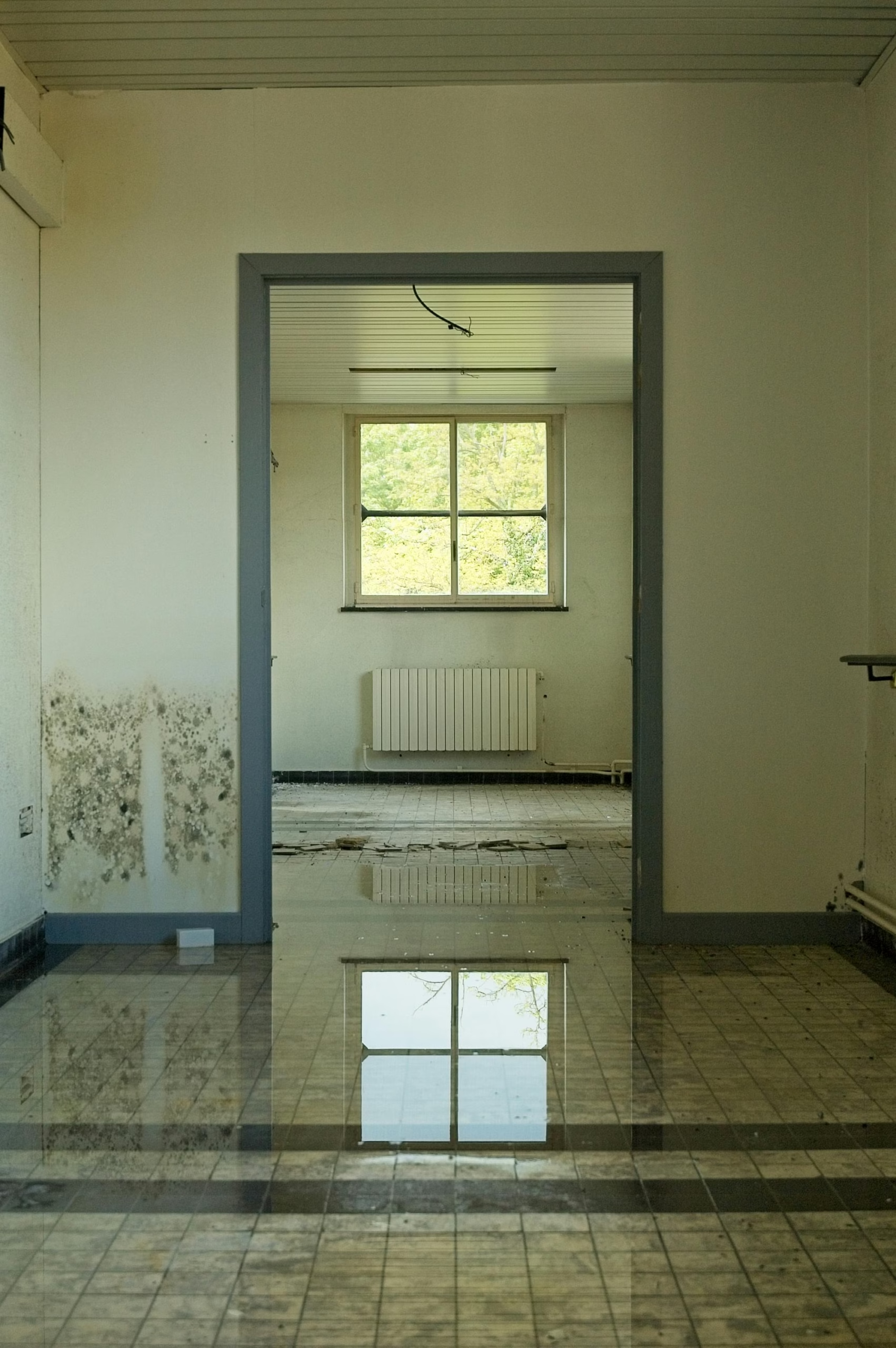
A home envelope inspection checklist helps you identify where your home is exposed to water, air, and structural stress. The envelope includes everything that separates inside from outside. When it performs correctly, it protects comfort, durability, and long-term cost. When it fails, small issues tend to grow quietly until they become expensive.
Why This Process Is Critical
Most homeowners don’t think about the envelope until something goes wrong. By then, the damage has usually been building for a while.
The exterior of your home is constantly managing water, humidity, heat, and movement. In a climate like College Station, Texas and Bryan, Texas, that includes heavy rain, long heat cycles, and humidity that can sit in materials longer than expected.
An inspection exists to catch problems early, before they turn into:
- moisture getting behind siding or into framing
- air leaks that make the home harder to cool
- foundation movement tied to poor drainage
- hidden rot that only shows up during remodeling
This is less about maintenance as a chore and more about protecting the decisions you will make later. Especially if you are planning a remodel, the condition of the envelope determines what is actually possible.
Common Failures Homeowners Miss
Most issues are not dramatic. They are small gaps, subtle slopes, or gradual wear that go unnoticed.
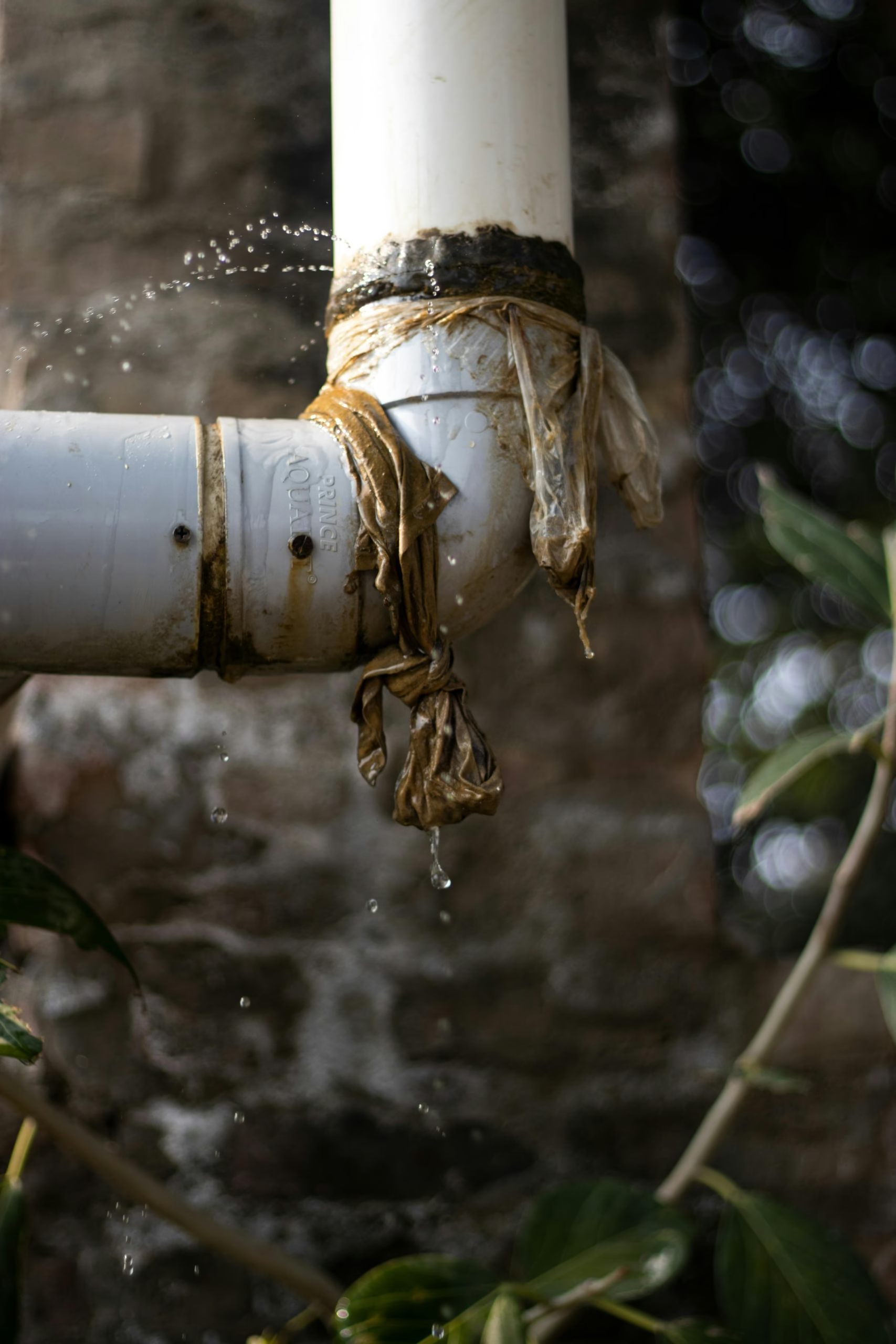
Pooling water near the foundation is one of the most common. It often starts as a grading issue or a disconnected downspout. Over time, that water works its way into places it should not be.
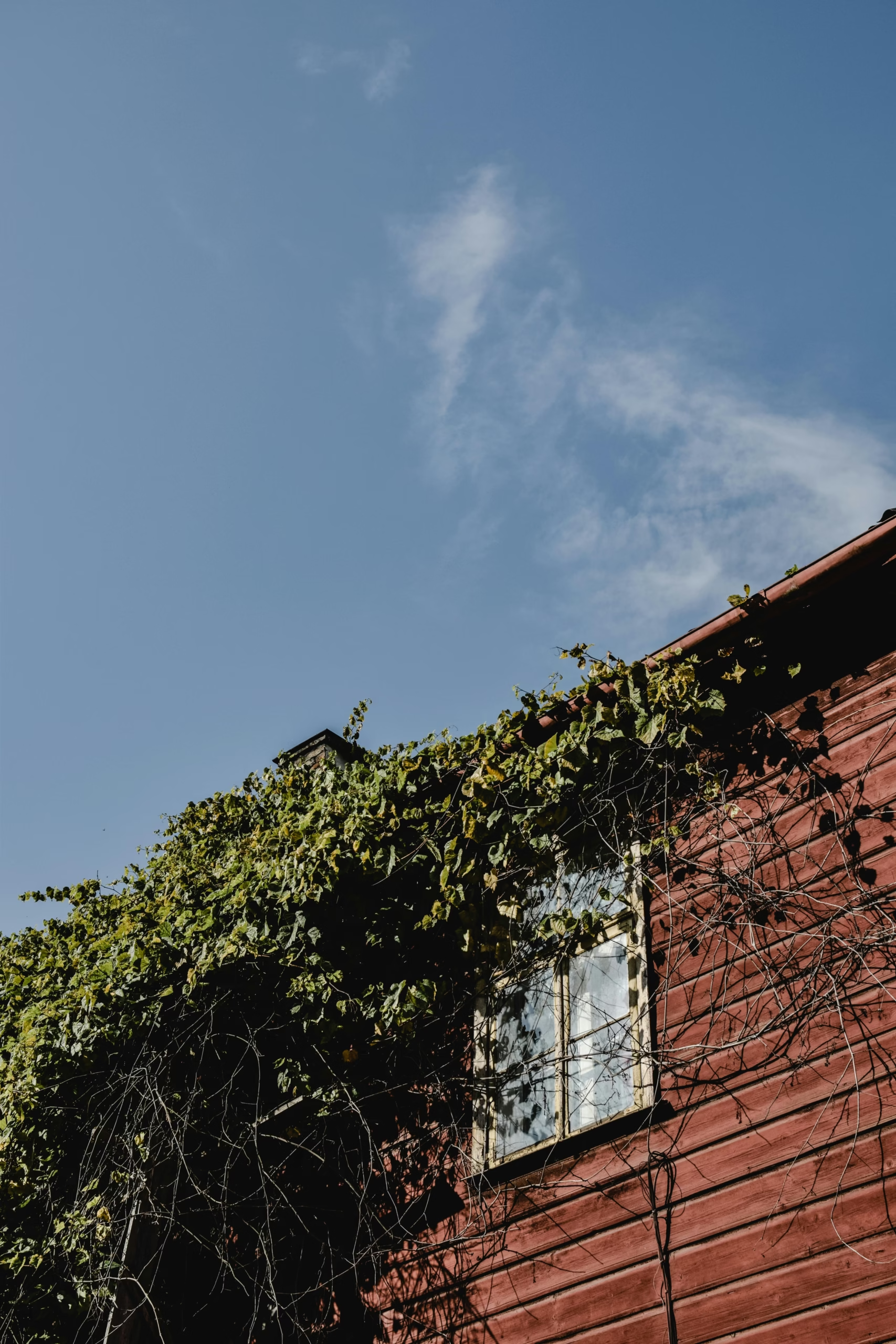
Vegetation is another quiet problem. Plants that touch the house hold moisture against surfaces and can create pathways for pests.
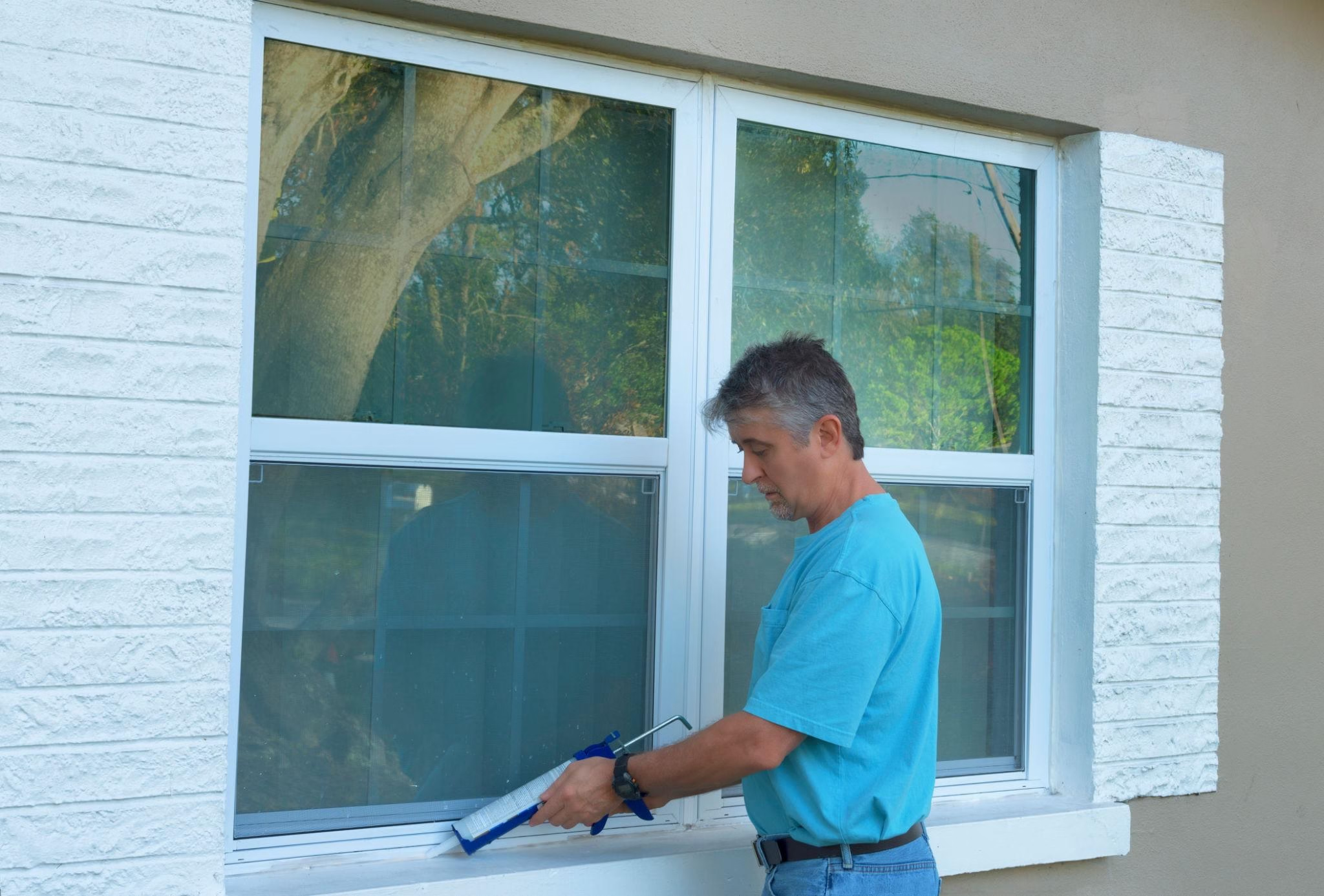
Sealants around windows and doors tend to fail slowly. A small crack in caulking can allow water intrusion over months without any visible sign inside.
Roof and attic issues are often hidden entirely. A minor leak or blocked vent can exist for a long time before it becomes obvious.
These are not isolated problems. They tend to connect. Water management affects structure. Air leakage affects comfort. Ventilation affects durability.
High-Level Home Envelope Inspection Checklist
This checklist is designed to help you evaluate your home in a structured way. It follows the sequence of how water and air move through a house, starting outside and moving inward.
Exterior Inspection
This is where most envelope failures begin.
- No areas where water can pool near the home
- Vegetation is trimmed back and cannot contact the house during wind
- Soil sits below the slab or foundation line, with visible clearance
- No significant cracks in the foundation or brick veneer
- No signs of animal entry, nests, or insect buildup
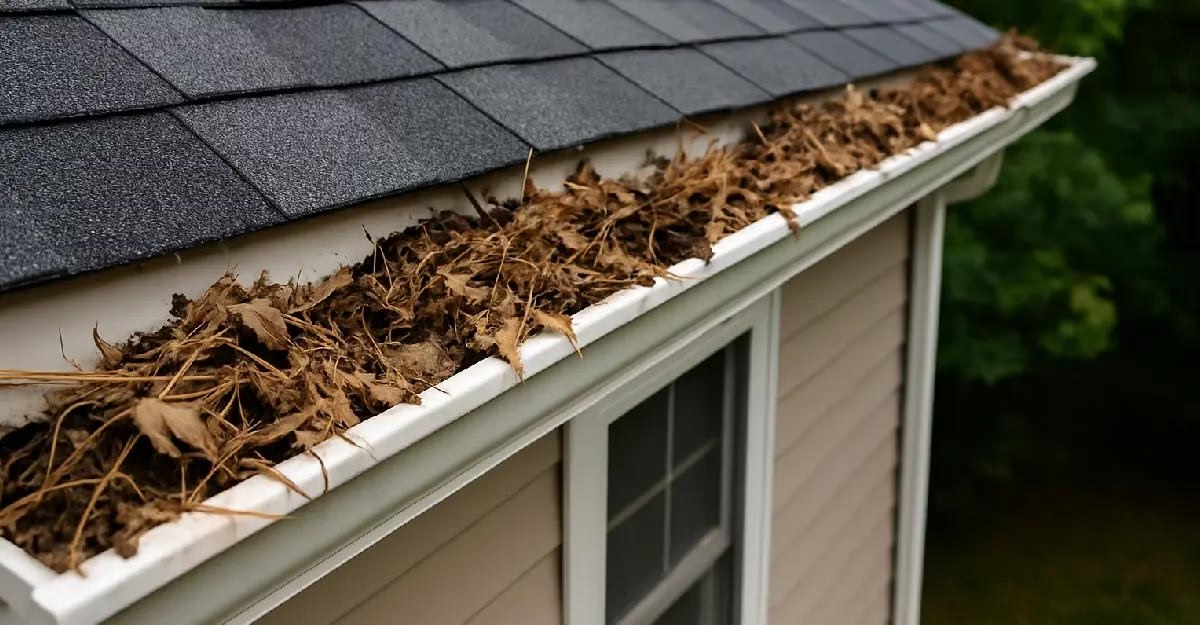
- Gutters and downspouts are clear and flowing properly
- Gutters are securely attached and not crushed or sagging
- Downspouts direct water away from the foundation
- Window screens are intact and secured
- Doors and windows are sealed, operable, and free of broken glass
- Caulking and weather stripping are continuous and intact
- Paint and exterior finishes show no peeling or deterioration
- No visible mold or organic growth on surfaces
- Exterior spigots function properly
- Wires and cables are secured and not pulling away from the structure
- No loose, damaged, or rotting siding or trim
- Roof edges, soffits, and vents are intact and unobstructed
- Roof surface is free of debris and missing materials
Attic Inspection
The attic shows how well the envelope is performing over time.
- Access is safe and properly sealed
- Attic access in conditioned areas is insulated and tight
- Lighting is functional for visibility
- No crushed, disconnected, or leaking ductwork
- No signs of water staining on rafters or roof decking
- Drain pans for HVAC systems function correctly
- Insulation is evenly distributed without gaps or compression
- Insulation does not block airflow from soffits
- No signs of animal intrusion
- Ventilation pathways are open and unobstructed
- No exhaust systems venting improperly into the attic
Materials and Systems at Work
Every item on this checklist connects back to a system doing a specific job.
Drainage systems move water away from the home. This includes grading, gutters, and downspouts.
Air sealing systems control how outside air enters and leaves. This includes caulking, weather stripping, and sealed penetrations.
Thermal systems regulate temperature. Insulation and proper installation determine how stable the home feels day to day.
Ventilation systems manage moisture and airflow, especially in the attic.
These systems are not independent. When one is compromised, it puts pressure on the others.
How This Impacts the Longevity of a Remodel
A remodel builds on what already exists. If the envelope is compromised, the new work inherits those problems.
That can show up as:
- finishes that deteriorate faster than expected
- temperature inconsistencies between rooms
- moisture issues that were not part of the original plan
- unexpected costs during construction when hidden damage is uncovered
An inspection before remodeling is not about adding steps. It is about removing uncertainty.
This is one of the points where slowing down early prevents bigger disruptions later.
How Stearns Design Build Approaches This
An inspection is not treated as a standalone task. It is part of how decisions are made in the right order.
This step exists to understand the current condition of the home before design begins.
We do this so that design decisions are based on real constraints, not assumptions.
That means you get a plan that reflects how your home actually performs, not just how it looks on paper.
When envelope conditions are clear early, it becomes easier to:
- align scope with reality
- prevent budget drift caused by hidden issues
- move through design without backtracking
The goal is not just to identify problems. The goal is to create clarity so the next step is grounded.
Frequently Asked Questions
How often should a home envelope inspection be done?
Twice a year is a practical baseline, especially in climates with heat and humidity swings. It is also worth doing before starting any remodeling project.
Is this something homeowners can check themselves?
Many of these observations can be made by a homeowner. The value comes from consistency and knowing what to look for. More complex issues may still require professional evaluation.
What is the biggest risk of skipping this step before remodeling?
Hidden conditions. Without an inspection, decisions are made on incomplete information, which often leads to changes during construction.
Does this apply to older homes only?
No. Newer homes can still have drainage, sealing, or installation issues. The checklist is about performance, not age.