
Screened In Porch Addition: What Actually Impacts Comfort, Light, and How the Space Gets Used
A screened in porch addition creates a space that sits between indoors and outdoors. It can bring in light, airflow, and views while still offering protection from heat, insects, and weather. When it is designed intentionally, it becomes part of how the home functions day to day, not just an extra room on the back.
The difference comes down to how it is located, sized, and connected.
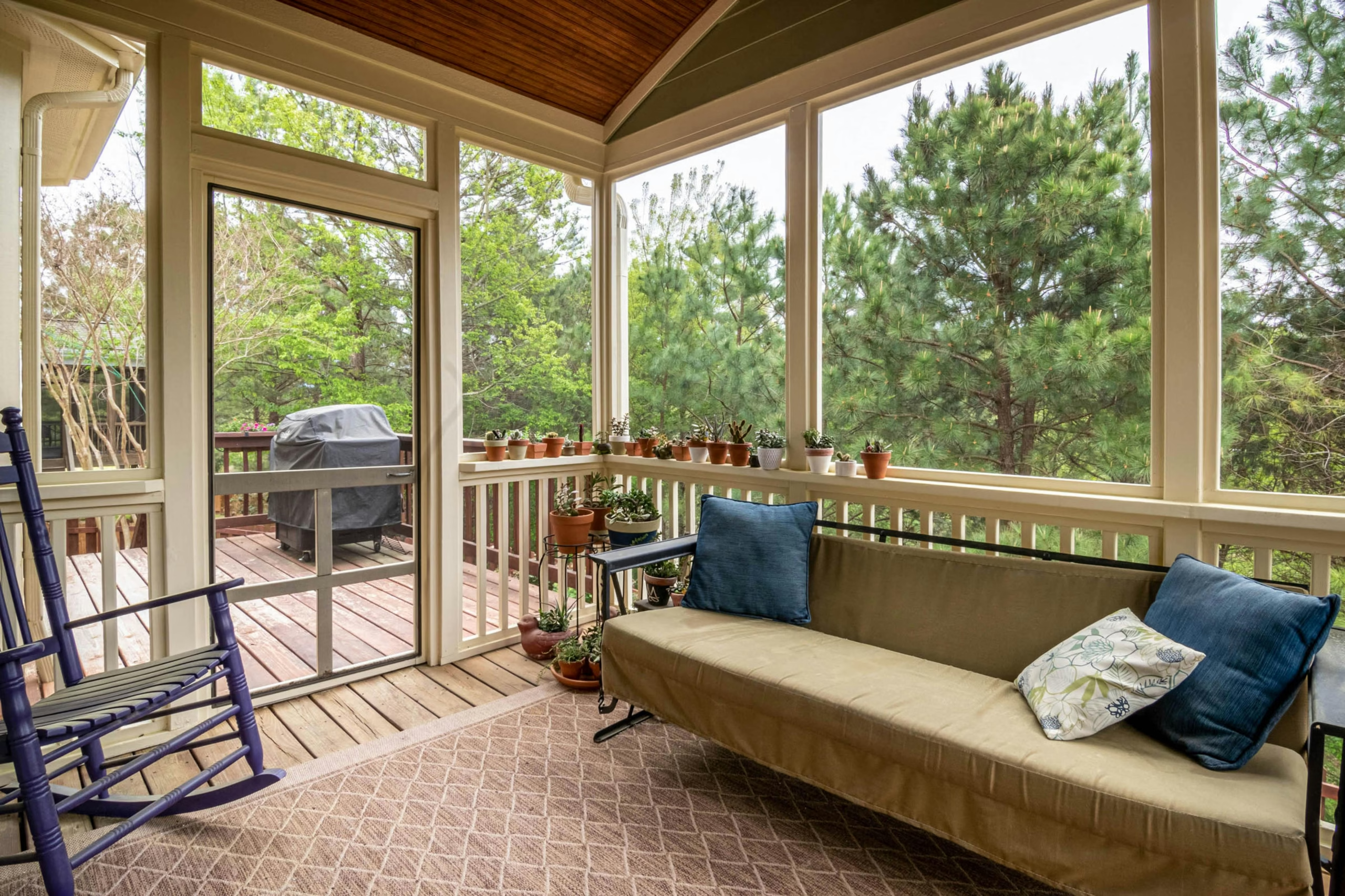
Why a Screened In Porch Addition Matters
A screened in porch is often thought of as a bonus space, but it directly affects how the rest of the home feels and functions.
When it is placed and designed well, it can:
- Extend living areas without fully conditioned square footage
- Improve daylight in adjacent rooms
- Create natural airflow paths through the home
- Provide a comfortable transition between interior and exterior spaces
When it is not planned carefully, it can feel disconnected, underused, or even block light and circulation from the rest of the house.
Location Shapes How the Space Gets Used
Where you place a screened in porch addition determines whether it becomes part of daily life or something that only gets used occasionally.
If the porch connects to a kitchen or living area, it naturally becomes a social extension of those spaces. People move in and out of it without thinking, which is what makes it work.
If it connects to a bedroom, the space tends to shift toward something quieter and more private. That can be the right move if the goal is a retreat rather than a gathering space.
Traffic flow matters just as much as adjacency. Doors should guide movement along the edge of the space rather than through the middle of where people sit. When circulation cuts through seating areas, the porch stops feeling comfortable and starts feeling like a hallway.
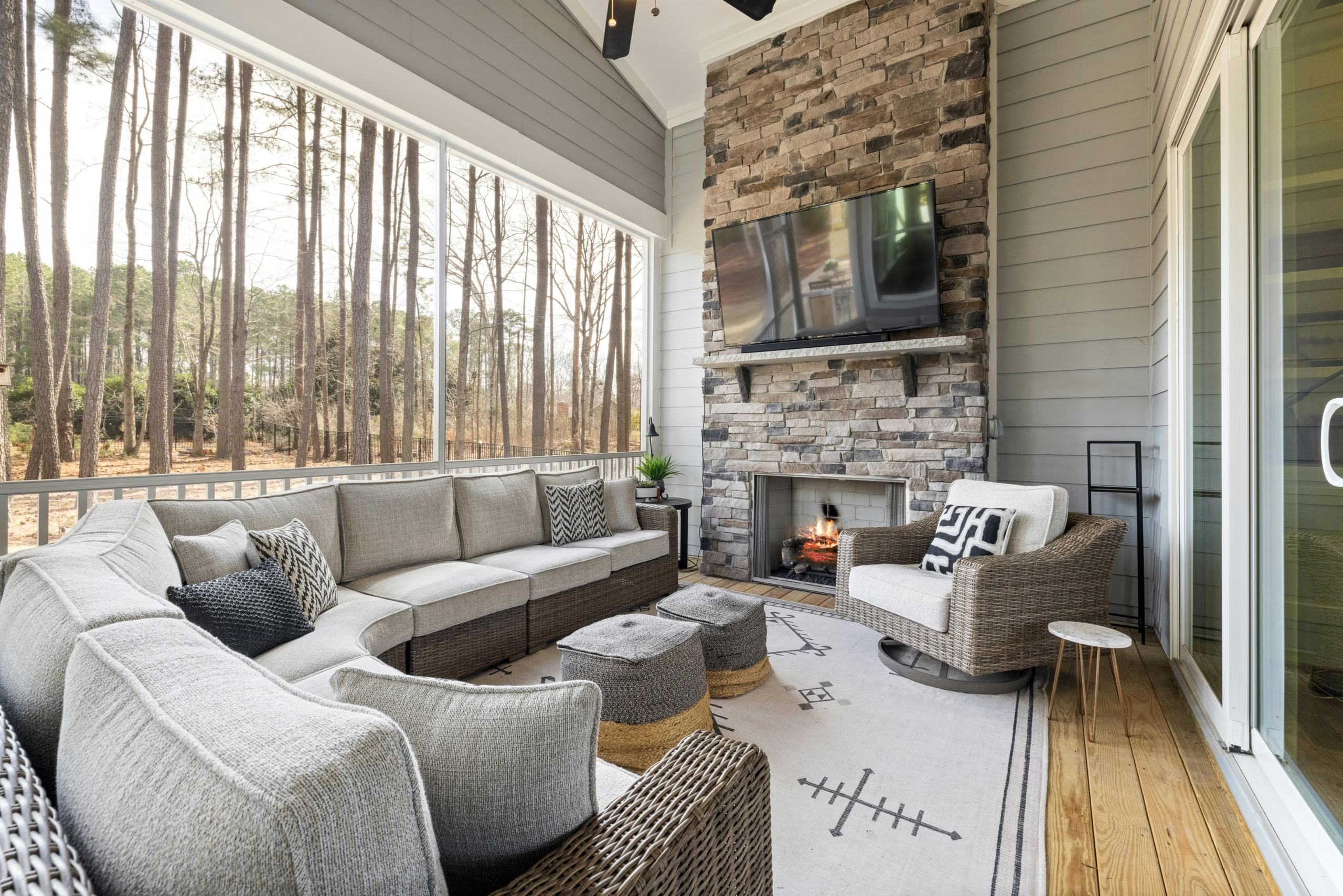
Sizing Is Driven by Function, Not Guesswork
A screened in porch should not be sized based on what “fits” on the back of the house. It should be sized based on what needs to happen inside it.
That starts with simple questions:
- Will there be a dining table, and how many people need to sit at it?
- Is there a seating area, and how is it arranged?
- Is storage needed for cushions or seasonal items?
These decisions define the footprint. Once those are clear, the porch can then be scaled to relate to the rest of the home so it feels intentional rather than added on.
When sizing is skipped or rushed, the result is usually a space that feels either cramped or oversized with no clear purpose.
Connection Is What Makes the Porch Work
A screened in porch addition works best when it feels like a natural extension of both the home and the yard.
Inside the home, that means aligning the porch with existing doors and windows so light and air can move through the space. When openings line up, breezes can pass through instead of stopping at a wall.
It can also mean adding or adjusting windows in adjacent rooms to strengthen that connection. The goal is not just to have a porch, but to let that porch improve the spaces around it.
Toward the exterior, the porch should not feel like the end point. It should lead somewhere. That could be a patio, a set of terraces, or a simple transition into the yard. This becomes especially important when there is a change in elevation, where a thoughtful transition can make the entire outdoor experience feel more usable.
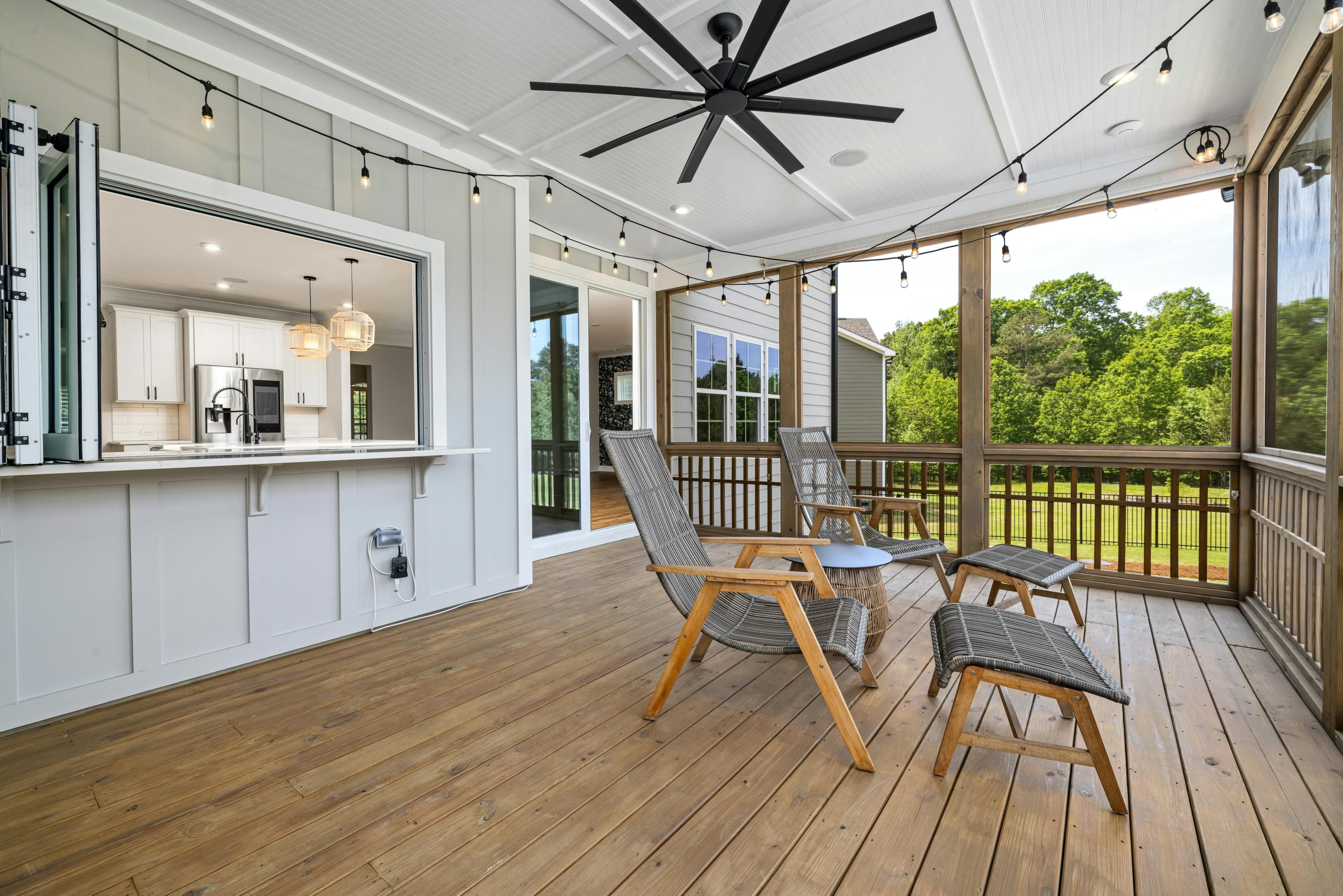
Light and Airflow Change the Experience
One of the main reasons homeowners consider a screened in porch is to bring in fresh air and daylight. That only happens if the structure supports it. Design strategies like orientation, shading, and window placement play a major role in how that light and airflow actually perform in a space.
Ceiling height plays a role here. Exposed rafters can help create a sense of openness while also allowing light to reflect deeper into the space.
Skylights are another option when additional daylight is needed, especially if the porch is located where surrounding structures or rooflines limit natural light.
Material choices also affect how the space feels. Lighter finishes tend to reflect light and keep the porch feeling bright, while darker tones can make it feel more enclosed.
All of these decisions influence whether the porch feels open and refreshing or dim and closed off.
Common Issues That Limit How a Screened In Porch Performs
Most problems with a screened in porch addition come from early decisions that were either rushed or never fully defined.
Some of the most common issues include:
- Poor placement that disconnects the porch from daily living areas
- Circulation paths that cut through seating or dining zones
- A size that does not match how the space is intended to be used
- Limited alignment with windows and doors, reducing airflow
- A lack of transition to the yard, making the space feel isolated
None of these are construction problems. They are planning problems.
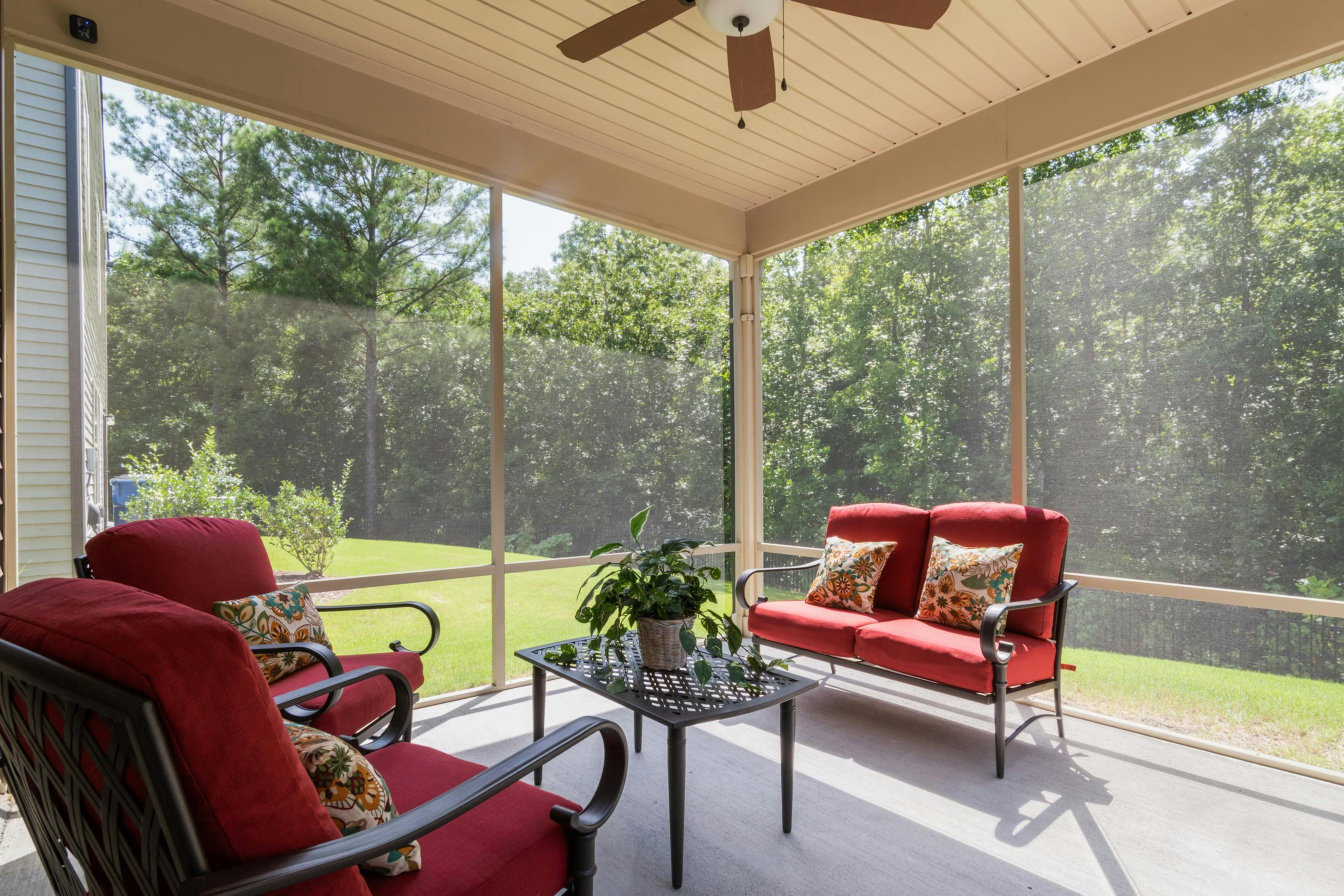
How This Impacts the Long-Term Use of the Space
A well-designed screened in porch becomes part of how a home is used every day. It holds up over time because it was designed around real patterns of living, not just appearance.
It can:
- Support gatherings without crowding interior spaces
- Provide a comfortable place to spend time during changing seasons
- Improve how light and air move through the home
- Strengthen the connection between indoor and outdoor areas
When those things are built into the design, the space continues to work long after the project is complete.
How Stearns Design Build Approaches This Process
At Stearns Design Build, a screened in porch addition is not treated as a standalone feature. It is part of a larger system that includes the home, the yard, and how the homeowner actually lives.
This is where the process matters.
Early conversations focus on how the space will be used and how it connects to the rest of the home. That protects against designing something that looks right but does not function well.
During planning, layout, sizing, and connection points are worked through before construction decisions are made. That reduces the risk of adjustments later, when changes become more expensive and disruptive.
By the time construction begins, the goal is to have a clear plan that reflects real use, not assumptions.
This is how a general contractor in Bryan can guide a project in a way that creates a space that holds up over time, not just something that looks good at the finish line.
Frequently Asked Questions
How much value does a screened in porch addition add?
A screened in porch can add functional value by increasing usable living space without the cost of full interior square footage. Its impact depends on how well it is integrated into the home.
Can a screened in porch improve airflow in a home?
Yes, when it is aligned with doors and windows, it can help create cross-ventilation paths that allow air to move more naturally through the home.
What is the ideal size for a screened in porch?
There is no standard size. It should be based on how the space will be used, including furniture layout, circulation, and how it connects to adjacent rooms.
Do screened in porches require structural changes to the home?
In many cases, yes. Adding a porch often involves modifying rooflines, tying into the existing structure, and ensuring proper support and drainage.
Is a screened in porch usable year-round in Texas?
It depends on design choices. Features like ceiling fans, heaters, and orientation can extend how often the space is comfortable to use throughout the year.