Why a Professional Paint Job Lasts Longer Than Most DIY Painting Projects
A professional paint job protects more than appearance. The process behind the finish affects how well surfaces resist moisture, UV exposure, daily wear, and long-term deterioration. A complete painting system includes surface preparation, material selection, environmental considerations, and proper application methods. When handled correctly, it creates a longer-lasting finish that performs more consistently over time.
For many homeowners, painting feels straightforward at first. The challenge is not getting paint onto a wall. The challenge is creating a finish that still looks clean, even, and protected years later. That difference usually comes down to preparation, product selection, and process consistency.
Why a Professional Paint Job Matters
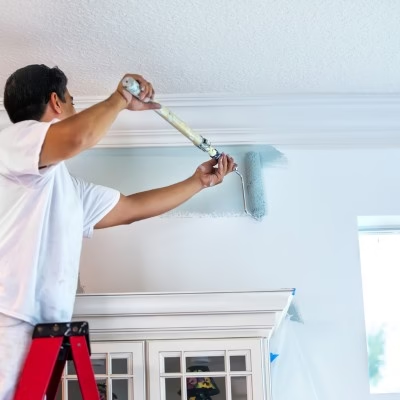
Paint serves two purposes in a home. It shapes the visual character of a space, but it also acts as a protective layer for the materials underneath it.
Inside the home, paint helps surfaces resist scuffs, moisture, staining, and everyday wear. On the exterior, paint becomes part of the home’s defense against sun exposure, humidity, rain, and temperature fluctuations. In places like Bryan and College Station, exterior surfaces experience intense UV exposure, seasonal moisture shifts, and extended heat cycles that can accelerate paint failure when the wrong products or preparation methods are used.
A professional paint job is designed around long-term performance, not just immediate appearance. The goal is not simply to refresh a room or exterior surface. The goal is to create a finish that ages evenly, adheres properly, and continues protecting the home over time.
Common Reasons Paint Jobs Fail Early
Most premature paint problems begin before the finish coat is ever applied.
Poor adhesion, uneven texture, peeling, flashing, bubbling, and visible patching often trace back to inadequate preparation or incorrect product pairing. Even high-end paint cannot compensate for surfaces that were not properly cleaned, repaired, or conditioned.
Some of the most common issues include:
Incomplete Surface Preparation
Dust, oils, old failing paint, drywall residue, and moisture contamination can all interfere with adhesion. Paint may initially look acceptable but begin deteriorating much earlier than expected.
Skipping Necessary Repairs
Minor drywall damage, nail pops, wood deterioration, or uneven textures become more visible after painting if they are not corrected beforehand.
Incorrect Product Selection
Interior and exterior paints are formulated differently because they solve different problems. Exterior house painting products must withstand UV exposure, moisture, expansion, and contraction. Interior coatings are often designed around cleanability, touch resistance, or moisture control.
Using the wrong type of primer or finish can reduce durability and create inconsistent results.
Rushed Application Conditions
Temperature, humidity, airflow, and cure times all affect how paint performs. Applying coatings outside recommended conditions can impact bonding, sheen consistency, and longevity.
Inconsistent Application Techniques
Lap marks, uneven texture, flashing, roller stipple differences, and visible cut lines often occur when surfaces are painted inconsistently or too quickly.
High-Level Overview of a Professional Painting Process
Every project varies depending on the surface conditions and environment, but a professional house painting process generally follows a structured sequence designed to improve durability and finish quality.
1. Surface Evaluation
The first step is understanding the condition of the surfaces being painted. This includes identifying moisture issues, failing coatings, drywall damage, movement cracks, wood deterioration, or other conditions that could affect the final result.
2. Surface Preparation
Preparation may include cleaning, sanding, patching, caulking, scraping, priming, texture correction, or drywall repair. This stage is often the largest factor in how long a paint finish lasts.
Surface preparation for painting is not about making the wall “look ready.” It is about creating the conditions needed for proper adhesion and long-term stability. Sherwin-Williams’ guide to preparing surfaces before painting explains that proper prep is what helps create professional-level results and a longer-lasting finish.
3. Material and Finish Selection
Different rooms and surfaces require different coatings. Kitchens, bathrooms, trim, cabinetry, ceilings, siding, masonry, and wood all perform differently and require different solutions.
Paint sheen, primer compatibility, moisture exposure, and traffic levels all influence what products make sense for a particular space.
4. Environmental Protection and Containment
Professional interior painting services often include dust protection, masking systems, floor protection, ventilation management, and air quality considerations.
For projects involving drywall repair or sanding, dust walls and containment systems help protect adjacent living areas.
5. Paint Application
The application phase focuses on consistency, coverage, edge quality, and proper film build. Multiple coats may be required depending on substrate conditions, color changes, and finish goals.
6. Final Review and Corrections
After curing and inspection, touch-ups and finish corrections are completed to ensure visual consistency throughout the space.
Materials and Systems Commonly Used in Professional Painting
Professional painting systems involve more than a single can of paint.
Different primers, fillers, sealers, conditioners, and coatings are selected based on the substrate and the environment they will be exposed to.
Some commonly used systems include:
- Bonding primers for difficult surfaces
- Moisture-resistant coatings for bathrooms and laundry areas
- UV-resistant exterior paints
- Flexible exterior caulks for expansion and contraction
- Low-VOC paints to improve indoor air quality during interior painting services
- Specialty finishes designed for cabinetry, trim, or high-traffic surfaces
The purpose of these systems is not product upselling. Each material serves a specific role in improving adhesion, flexibility, moisture resistance, durability, or long-term appearance.
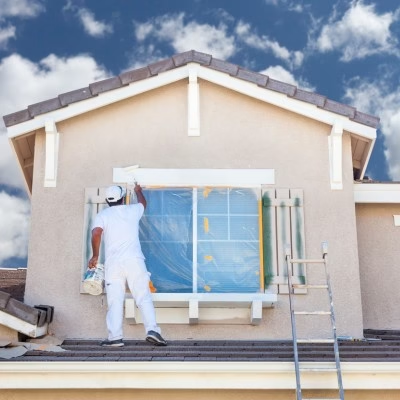
Why Exterior House Painting Requires Additional Protection
Exterior painting faces far harsher conditions than most interior environments.
In the Brazos Valley, exterior surfaces experience:
- prolonged sun exposure
- seasonal humidity shifts
- heavy rain events
- thermal expansion and contraction
- airborne contaminants
- wind-driven moisture
Exterior house painting systems are designed to account for these conditions.
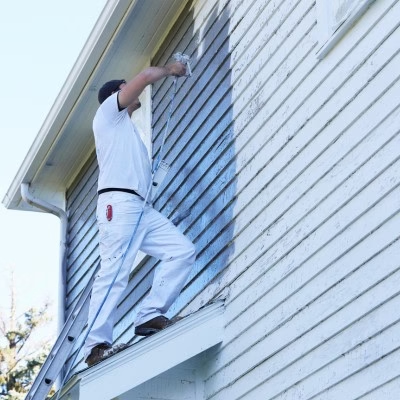
A failing exterior coating does not only affect curb appeal. Once paint begins breaking down, moisture intrusion and material deterioration can accelerate beneath the surface. Wood trim, siding, fascia, and other exposed materials become more vulnerable over time.
Maintaining a healthy protective coating helps extend the lifespan of exterior materials and reduces the likelihood of larger repair needs later.
How a Professional Paint Job Impacts Long-Term Home Performance
Painting is often viewed as a cosmetic upgrade, but the long-term implications are more practical than many homeowners realize.
A properly executed professional paint job can help:
- reduce premature material deterioration
- improve cleanability and maintenance
- stabilize vulnerable surfaces
- reduce moisture exposure
- extend repaint cycles
- improve consistency across repaired areas
- preserve the appearance of remodeling investments
This becomes especially important in older homes where surfaces may already have multiple previous coatings, repairs, or underlying wear conditions.
The value of professional painting is usually not measured the day the project finishes. It becomes noticeable several years later when surfaces still look stable, clean, and properly protected.
How Stearns Design Build Approaches Professional Painting
At Stearns Design Build, painting projects are approached with the same planning mindset used throughout remodeling work.
The process begins with understanding the condition of the surfaces and the goals for the space before recommendations are made. That early evaluation helps reduce avoidable issues later and allows product systems to be selected intentionally rather than generically.
Preparation work is treated as a critical part of the project, not a shortcut phase to move through quickly. Repair work, environmental containment, and material compatibility are all considered before final coatings are applied.
For interior painting services, additional attention is given to dust control, airflow, and minimizing disruption within the home. For exterior house painting, the focus shifts toward weather exposure, substrate condition, and long-term protection against Texas climate conditions.
The goal is not simply to create a fresh appearance. The goal is to create a finish that continues performing well long after the project is complete.
Frequently Asked Questions
How long should a professional paint job last?
The lifespan depends on the environment, surface conditions, preparation quality, and product selection. Interior paint may last many years in low-wear spaces, while exterior surfaces experience more environmental stress and often require more frequent maintenance.
Why does surface preparation for painting matter so much?
Preparation directly affects adhesion and durability. Even premium paint can fail early if the substrate underneath it was not properly cleaned, repaired, or primed.
Is exterior house painting different from interior painting?
Yes. Exterior coatings are designed to handle UV exposure, moisture, expansion, and temperature changes. Interior coatings are typically formulated around durability, cleanability, and indoor environmental conditions.
Are low-VOC paints worth considering?
Low-VOC paints can help reduce odors and improve indoor air quality during interior painting services, especially in occupied homes.
Can painting help protect older homes?
Yes. A properly maintained paint system can help stabilize aging materials and reduce exposure to moisture and environmental wear, particularly on exterior surfaces.