
How to Mix Metal Finishes for a Cohesive Home Design
Mixing metal finishes can add depth and contrast to a room, but coordinating them takes some planning. Faucets, lighting, and cabinet hardware may each feature different metals, and those selections need to work together. Understanding how to mix metal finishes helps homeowners choose combinations that complement their space without creating visual clutter.
Why Coordinating Metal Finishes Matters
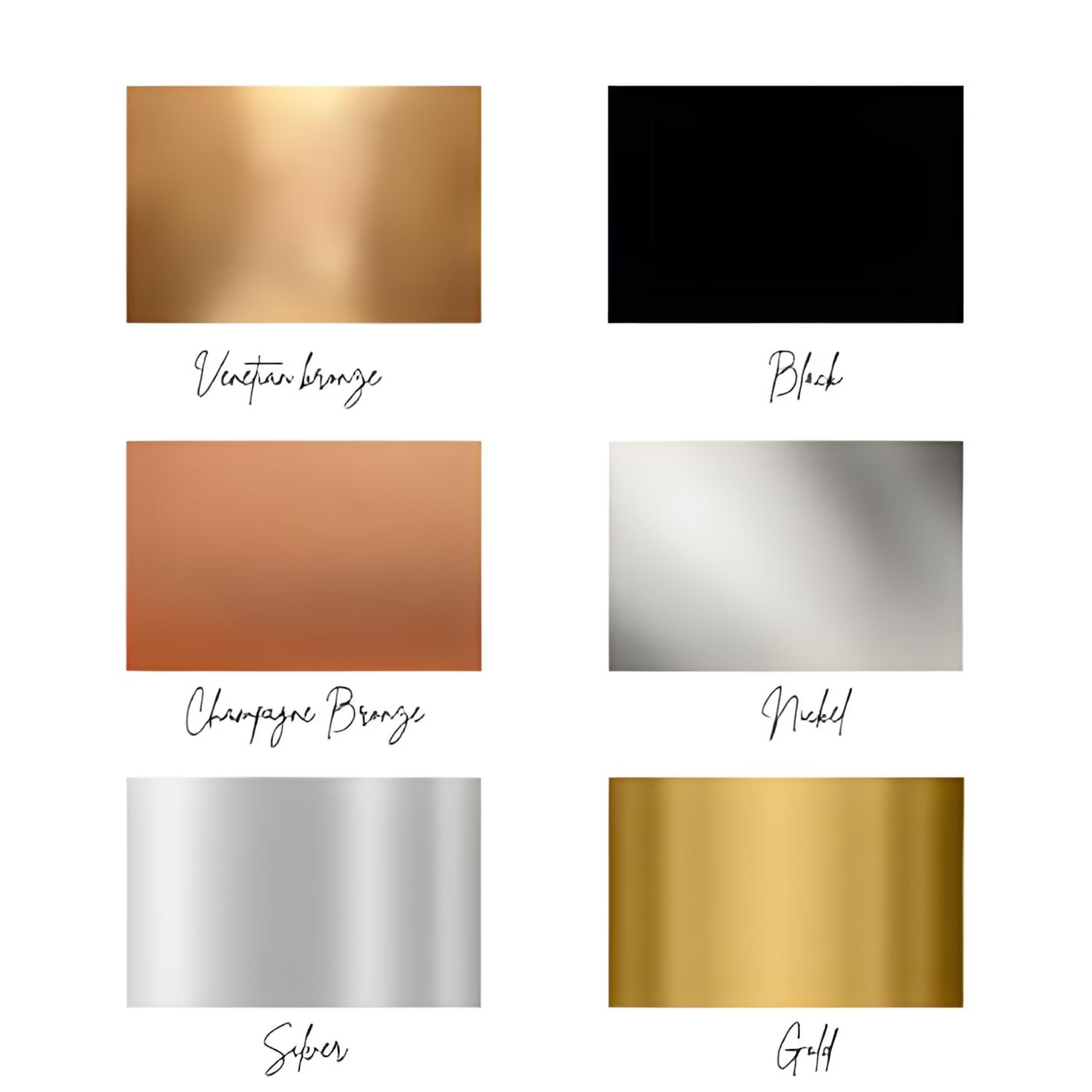
Metal finishes appear throughout a home. They are found on faucets, cabinet hardware, light fixtures, towel bars, and other accessories. Common colors include champagne bronze, Venetian bronze, black, nickel, silver, and gold. These metals are available in finishes ranging from polished and reflective to brushed, satin, or matte.
For many years, matching metal finishes was a common approach to interior design. A bathroom might feature chrome faucets, chrome towel bars, and chrome lighting. Repeating the same finish created a consistent appearance and simplified the selection process. Homeowners can also incorporate different finishes without making a room look mismatched, provided the combinations are considered during design.
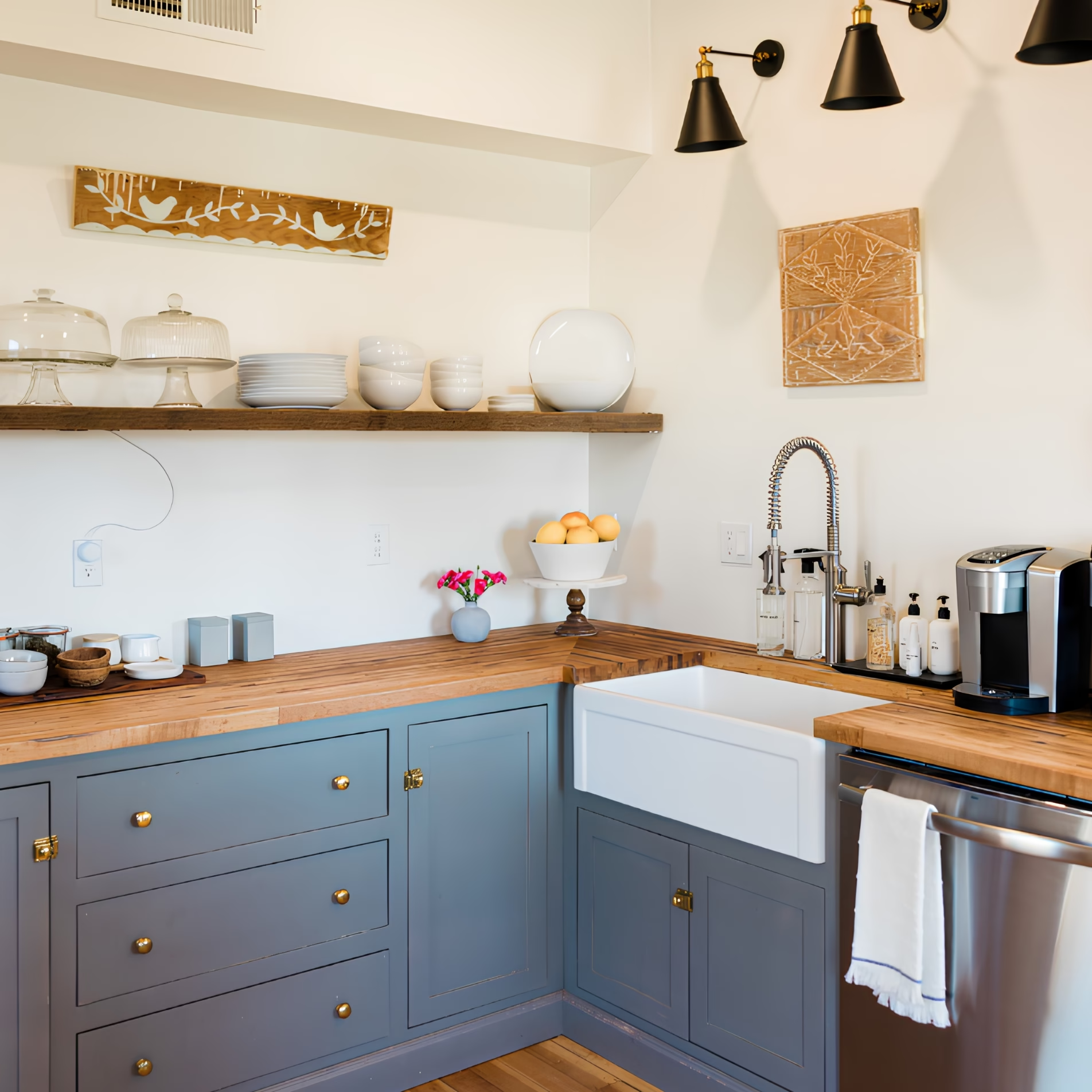
For example, a kitchen with brushed gold cabinet hardware and matte black lighting introduces contrast while allowing each finish to remain distinct. The challenge comes when finishes are selected independently. Even attractive fixtures can look out of place when their colors or textures conflict with nearby materials.
Common Mistakes When Mixing Metal Finishes
Using Too Many Finishes
Limiting a room to two metal finishes is a useful starting point.
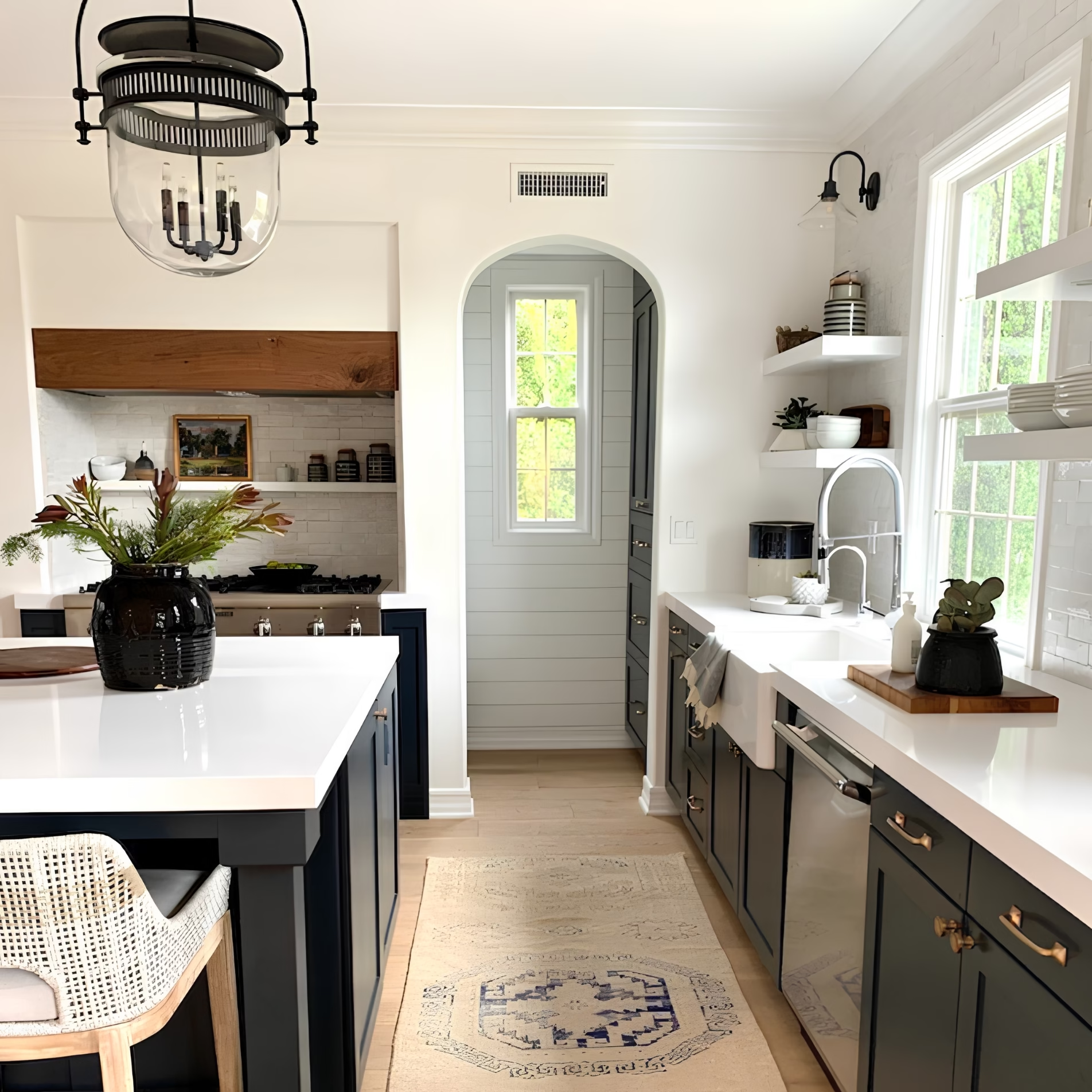
With two finishes, homeowners can introduce contrast while maintaining a recognizable pattern. Adding a third finish increases the number of relationships that need to be considered. This becomes especially noticeable in smaller bathrooms or kitchens where several fixtures are visible at once.
Three or more finishes can work, but they require careful placement to avoid a cluttered appearance.
Combining Metals That Look Almost Identical
Some finishes have similar colors but noticeably different undertones.
Brass and brushed gold are one example. Depending on the manufacturer, one may appear more yellow while the other has a softer or warmer tone. Chrome and brushed nickel can also look similar in product photographs, although chrome typically has a brighter, more reflective surface. Oil-rubbed bronze and Venetian bronze may differ in their underlying colors and surface treatments.
When similar finishes are installed next to each other, these differences become easier to notice. A homeowner expecting a match may end up with fixtures that appear inconsistent. Distinctly contrasting finishes are often easier to coordinate because the difference is clearly intentional.
Choosing Each Fixture Separately
Selecting a faucet without considering the cabinet hardware or lighting can lead to combinations that feel disconnected. This is particularly relevant when fixtures are purchased from different manufacturers.
Reviewing finish selections together during design makes it easier to identify differences before products are ordered.
How to Mix Metal Finishes Successfully
Start With the Room’s Design Style
The home’s architectural character can help narrow the available options.
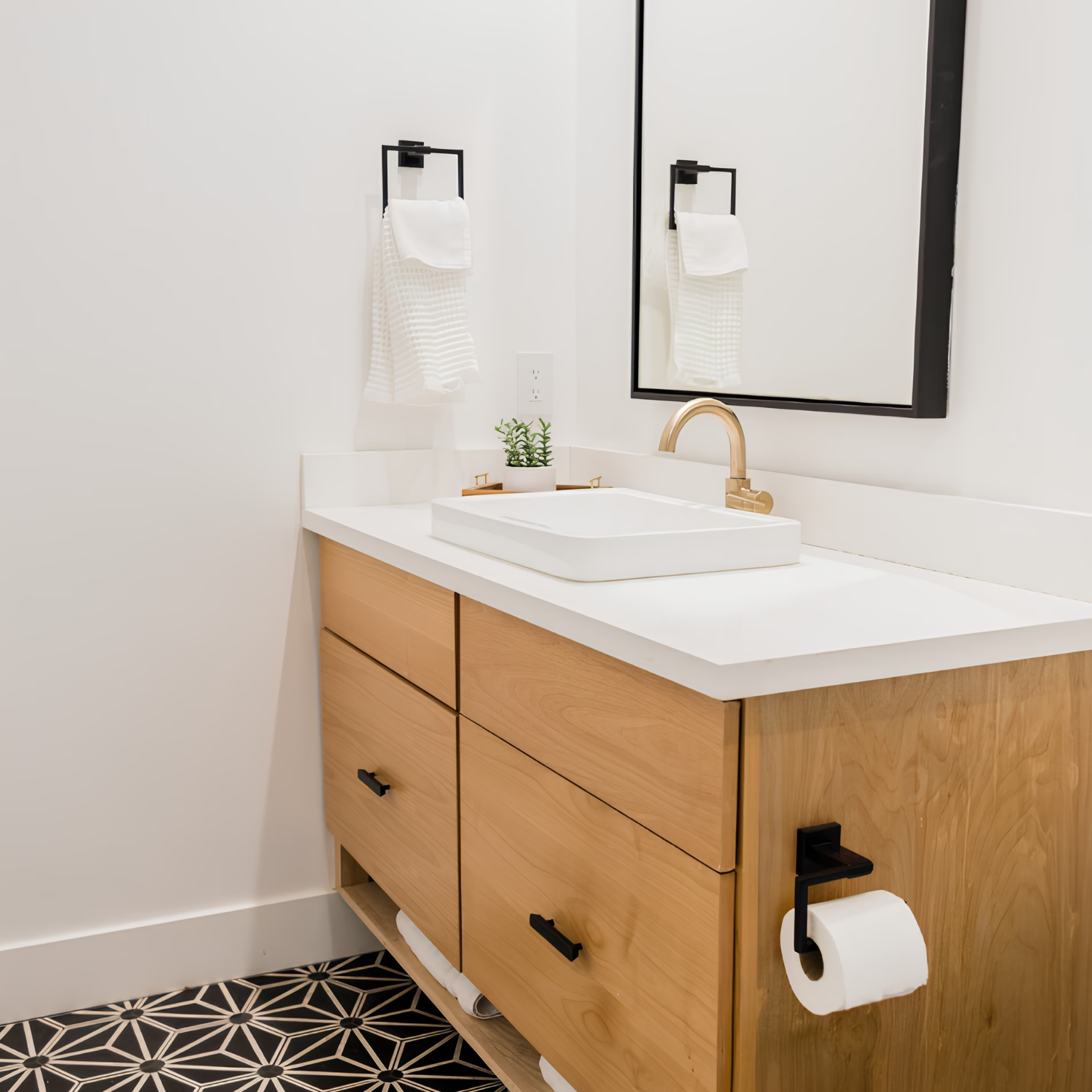
Traditional, rustic, and farmhouse interiors often use a consistent metal finish. Repetition works well with the familiar materials and detailing associated with these styles. Modern, contemporary, transitional, and industrial interiors frequently incorporate contrasting finishes. A contemporary bathroom, for example, might combine matte black lighting with champagne bronze plumbing fixtures.
These associations are useful starting points. Traditional interiors can accommodate mixed metals, and contemporary spaces can look complete with matching finishes. Before selecting a combination, consider the room’s cabinetry, countertops, surrounding materials, and existing architectural details. Metal finishes should complement the elements already defining the space.
Establish a Primary Finish
Choose one finish that will appear most frequently in the room. This approach is also recommended by interior designers featured in House Beautiful’s guide to mixing metals.
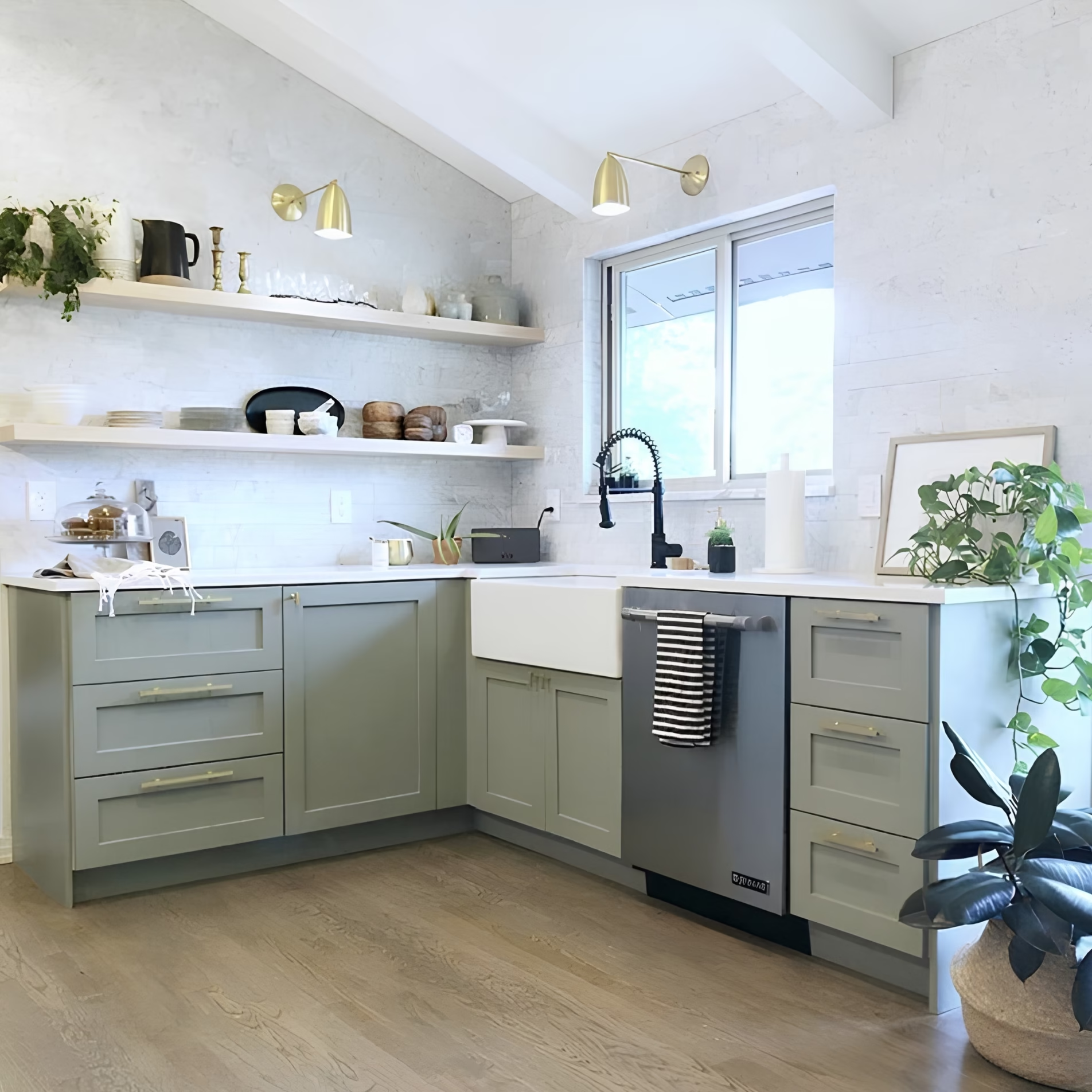
The primary finish might be used on plumbing fixtures, particularly when several faucets or shower components are visible. A secondary finish can then appear on cabinet hardware or lighting. For example, a kitchen could use brushed nickel plumbing fixtures and brushed gold cabinet pulls.
Repeating the finishes in recognizable locations helps establish a consistent design.
Keep Similar Fixtures Consistent
One practical approach is to group fixtures by function.
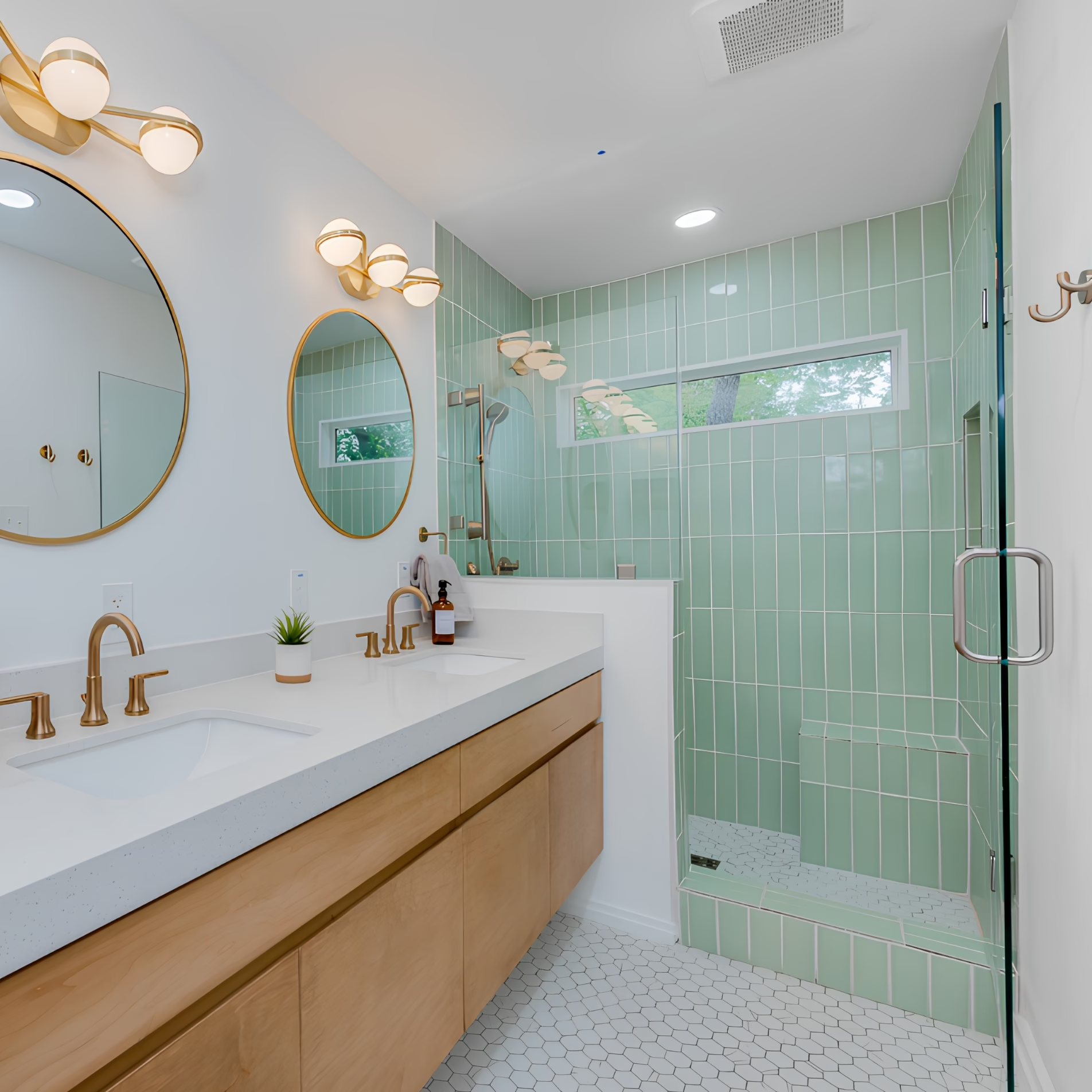
Plumbing fixtures can share one finish while lighting uses another. Cabinet knobs and pulls can also be coordinated. Consider a bathroom with brushed gold faucets and matte black light fixtures. Using the same finish on both faucets establishes consistency across the vanity, while matching the light fixtures creates a separate visual relationship.
Using different finishes on two otherwise similar light fixtures may look unplanned, particularly when they are installed close together. Grouping finishes by fixture type gives homeowners a straightforward way to coordinate multiple metals.
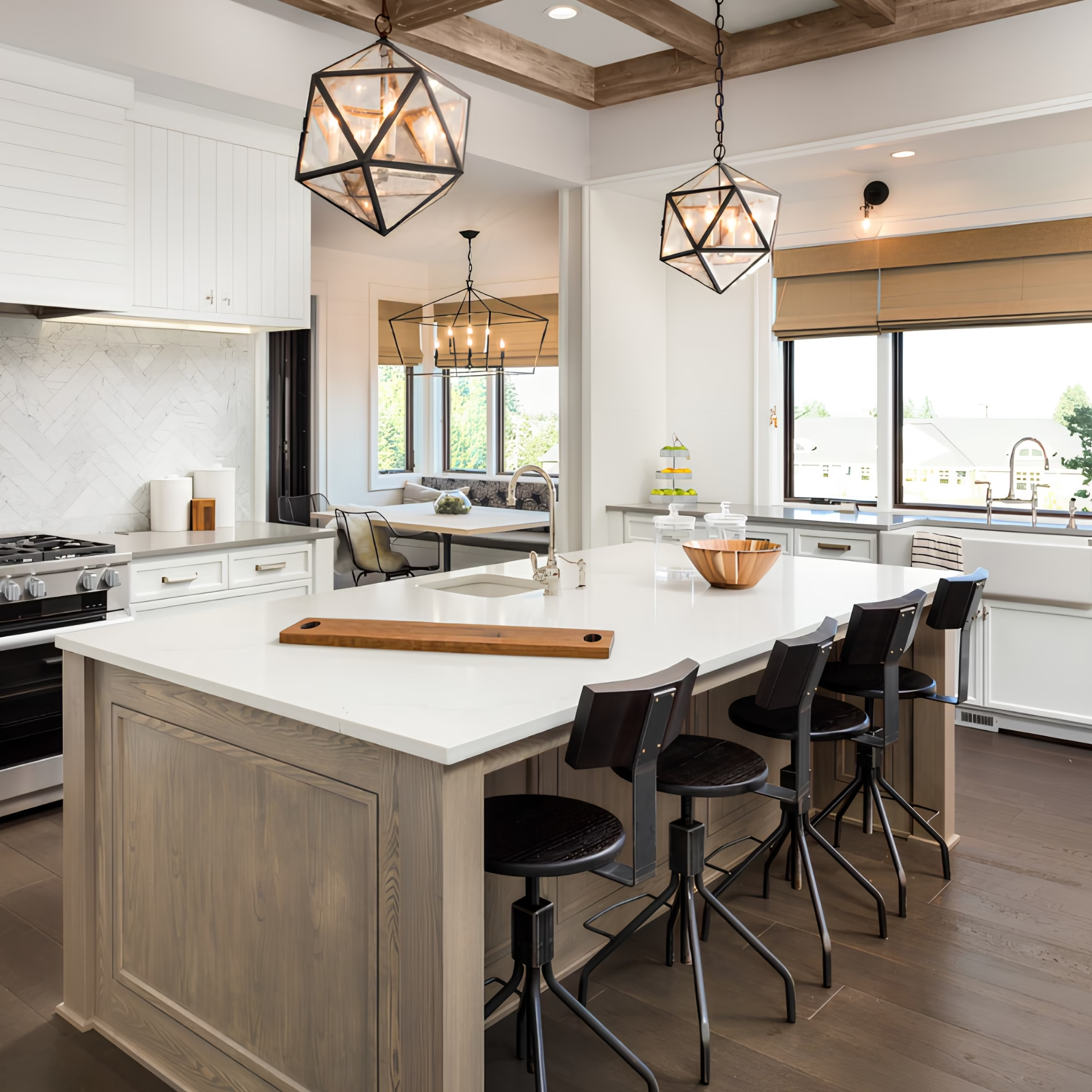
Pay Attention to Contrast
Different combinations produce different visual effects.
Brushed gold and brushed nickel combine warm and cool metallic tones. The contrast is noticeable without relying on a dramatic difference in color. Champagne bronze and matte black pair a warm metal with a darker, low-reflection surface. Chrome and matte black offer stronger contrast because chrome reflects light while matte black has a more subdued appearance.
Combining finishes from the same color family requires closer attention. Brass and brushed gold, for example, may look compatible when viewed separately but reveal different undertones when placed side by side.
Before finalizing selections, compare the actual finishes together, preferably in the room where they will be installed. Small differences in color and texture can be difficult to recognize in product photographs. Checking samples during design can help prevent mismatched finishes from becoming apparent only after installation.
Decide How Much Variety You Want
Mixing metals adds decisions to the design process.
Homeowners need to consider which fixtures should match and where contrasting finishes will appear. Using one finish simplifies those selections. It also creates a consistent appearance that works across many design styles, particularly for homeowners who prefer a more traditional look or a straightforward selection process.
Mixing two finishes introduces more variety, especially when the room includes multiple fixture types. Consider which fixtures will be most noticeable and how their finishes relate to the surrounding materials. The amount of contrast should reflect the homeowner’s preferences and the character of the space.
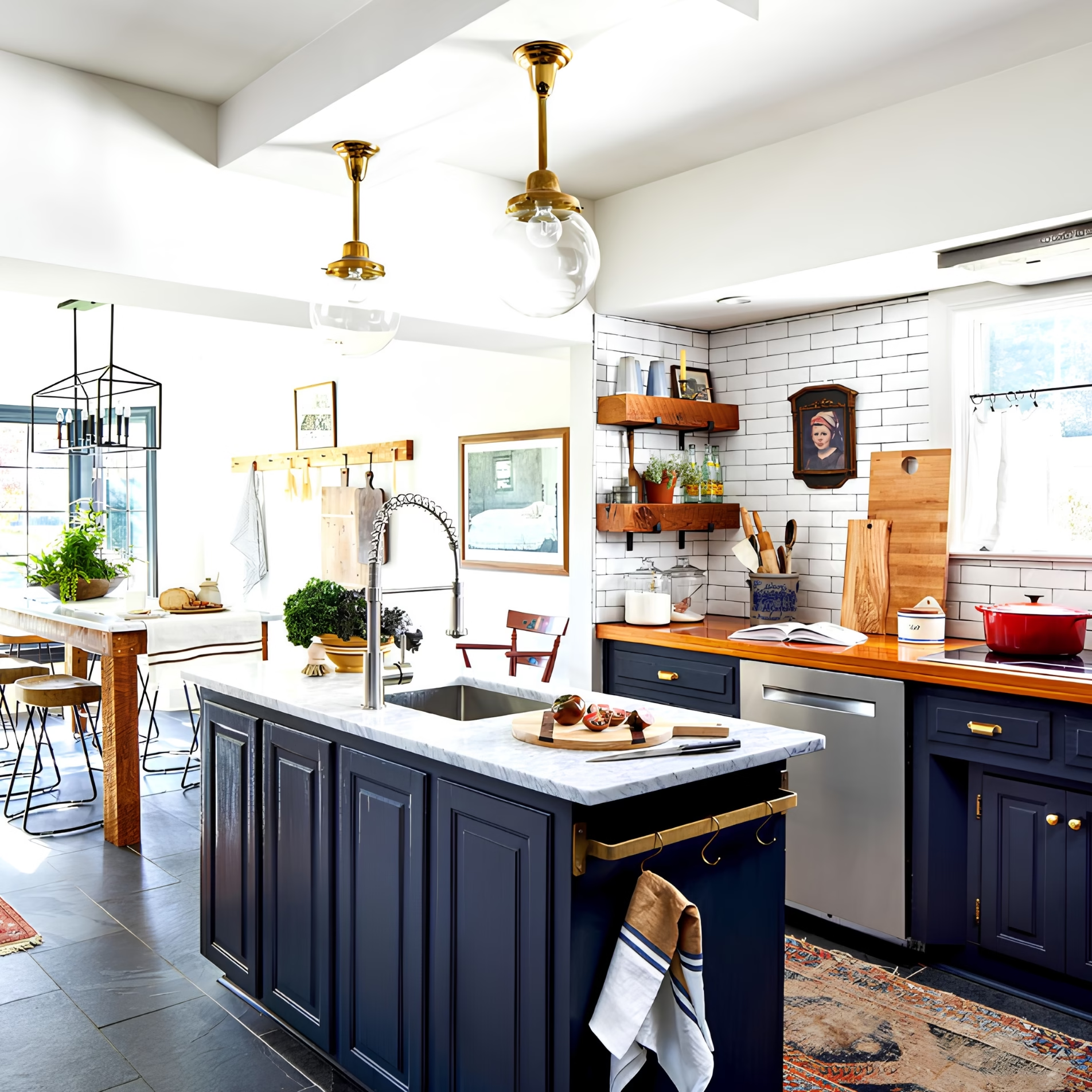
Metal Finishes Commonly Used in Home Design
Understanding the appearance of different finishes makes comparing products easier.
Chrome: A bright, reflective silver finish that creates noticeable highlights.
Brushed nickel: A softer metallic appearance with less reflection than polished chrome.
Brushed gold: A warm finish with a muted surface compared with polished gold.
Champagne bronze: A warm metallic finish that may appear lighter or more subdued than traditional bronze, depending on the manufacturer.
Matte black: A dark finish with minimal reflection, frequently used to contrast with lighter metals.
Oil-rubbed bronze and Venetian bronze: Darker finishes that may contain brown, copper, or other warm undertones.
Finish names vary between manufacturers. Two products labeled champagne bronze may not have exactly the same color or sheen. This is worth checking when purchasing plumbing fixtures, lighting, and hardware from different product lines.
How Metal Finish Selection Affects the Longevity of a Remodel
Mixed metals have become more common in residential design, raising questions about whether the look will eventually feel dated.
Design preferences change, but the appearance of a room depends on more than the popularity of an individual finish. A combination that complements the cabinetry, countertops, and architectural details may continue to look appropriate as trends shift.
Metal fixtures also offer some flexibility for future updates. Cabinet knobs and pulls can often be replaced without major changes to the surrounding materials. Faucets and certain light fixtures may also be replaceable, although installation requirements and costs vary. This flexibility allows homeowners to update individual elements without necessarily undertaking another major remodel.
Still, replacing fixtures creates additional expense. Evaluating finishes during the original design process helps homeowners select combinations they expect to enjoy for years.
How Stearns Design Build Approaches Finish Coordination
Fixture selections influence the appearance of a finished room, so they deserve attention during design.
At Stearns Design Build, the design process considers how individual selections contribute to the homeowner’s goals and the larger project. Reviewing metal finishes alongside cabinetry, countertops, and other materials helps homeowners understand how the elements will look together.
Making these decisions before construction also provides an opportunity to resolve inconsistencies before products are ordered. Establishing a clear design direction early reduces the number of finish-related decisions left unresolved during construction.
Frequently Asked Questions
Can you mix brass and gold finishes?
Yes, although their similar colors can make differences in undertones more noticeable. Comparing physical samples is helpful, especially when the fixtures will be installed near one another.
How many metal finishes should you use in one room?
Two finishes are a practical starting point. They allow for contrast without introducing too many competing elements. Larger or more complex rooms may accommodate additional finishes when their placement is carefully coordinated.
Should bathroom faucets and light fixtures match?
They can match, but they do not have to. Using one finish for plumbing and another for lighting is a common way to introduce mixed metals while maintaining consistency among similar fixtures.
Can you mix metals in a farmhouse or traditional home?
Yes. Although these styles often feature matching finishes, contrasting metals can work when they complement the surrounding materials and architectural details.
Will mixing metals make a remodel look dated?
Not necessarily. A combination that works with the room’s materials and overall design may remain appealing even as popular finishes change. Selecting finishes based on personal preference rather than current popularity can also help homeowners feel comfortable with their choices over time.