
What Ongoing Home Maintenance Really Requires
Home maintenance is easy to understand in theory. Keeping track of a house over many years is harder. Materials and systems age at different rates, and many changes happen slowly in places homeowners rarely see. Regular attention makes those changes easier to catch while the issue is still limited.
A Home Doesn’t Wear Out All at Once
Every part of a house follows its own timeline.
Caulk around a plumbing fixture may begin separating while the surrounding tile remains in good condition. Weatherstripping can deteriorate while the door continues working normally. Gutters can collect enough debris to interfere with drainage even though the roof above them has years of useful life remaining.
Many materials also have a period when they are still doing their job but beginning to show wear. A homeowner may have no obvious reason to pay attention during that window because nothing has failed yet.
Regular maintenance creates opportunities to catch those changes. Over time, repeated checks also build a clearer picture of how different parts of the home are aging and where attention may be needed next.
Why Maintenance Problems Can Go Unnoticed
Living in a house every day can make gradual changes surprisingly difficult to spot.
A small separation in caulk may grow slowly. Weatherstripping can compress and wear over time. Sediment can accumulate in a water heater without creating an immediate, noticeable change.
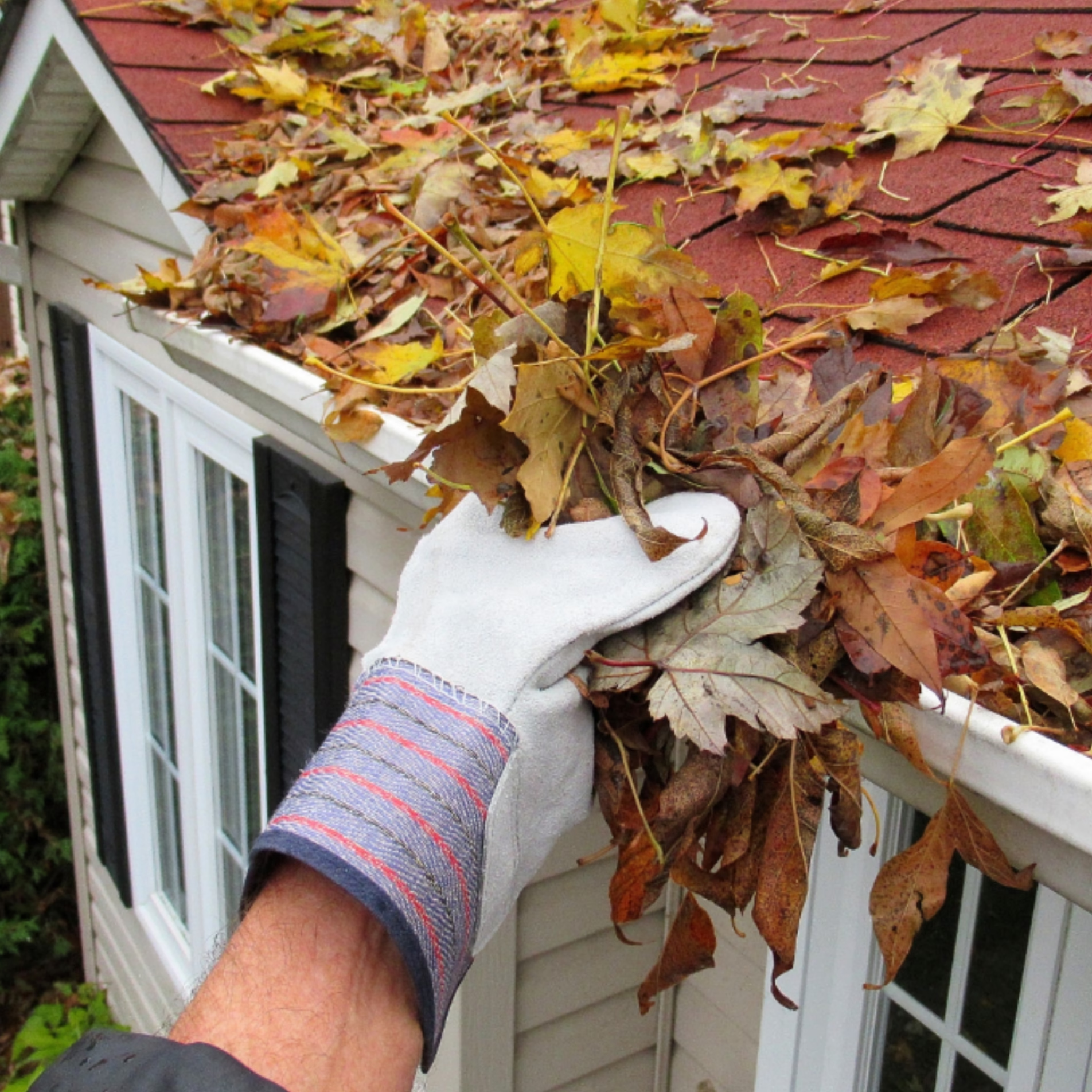
Other maintenance needs are simply outside the normal line of sight. Gutters are overhead. Sealed joints are easy to overlook until the separation becomes noticeable. A subtle change in drywall may blend into a room someone walks through several times a day.
Daily life adds another challenge. A homeowner notices something and plans to deal with it later. The house is still functioning, so the task gets pushed behind work or family responsibilities. Weeks pass, and eventually the original reminder is forgotten.
This is one of the practical difficulties of maintaining something as large as a house. Plenty can change without demanding immediate attention.
Small Maintenance Needs Can Grow
Many parts of a house depend on nearby materials doing their jobs properly. A small point of wear can eventually affect more than the component where it started.
Water provides a useful example.
Caulk helps control where moisture can travel around plumbing fixtures. Gutters direct rainwater along an intended drainage path. Weather stripping closes gaps around doors and windows.
As those materials deteriorate, water or outside conditions may begin reaching areas they were meant to protect.
A failing seal may require a relatively limited maintenance repair when it is first found. Continued moisture exposure can increase the amount of material involved. How quickly that happens depends on the location, conditions, and extent of the problem, which makes visible damage an unreliable starting point for maintenance.
Catching wear earlier gives the homeowner more information while the issue is still developing.
Ongoing Maintenance Requires More Than a Checklist
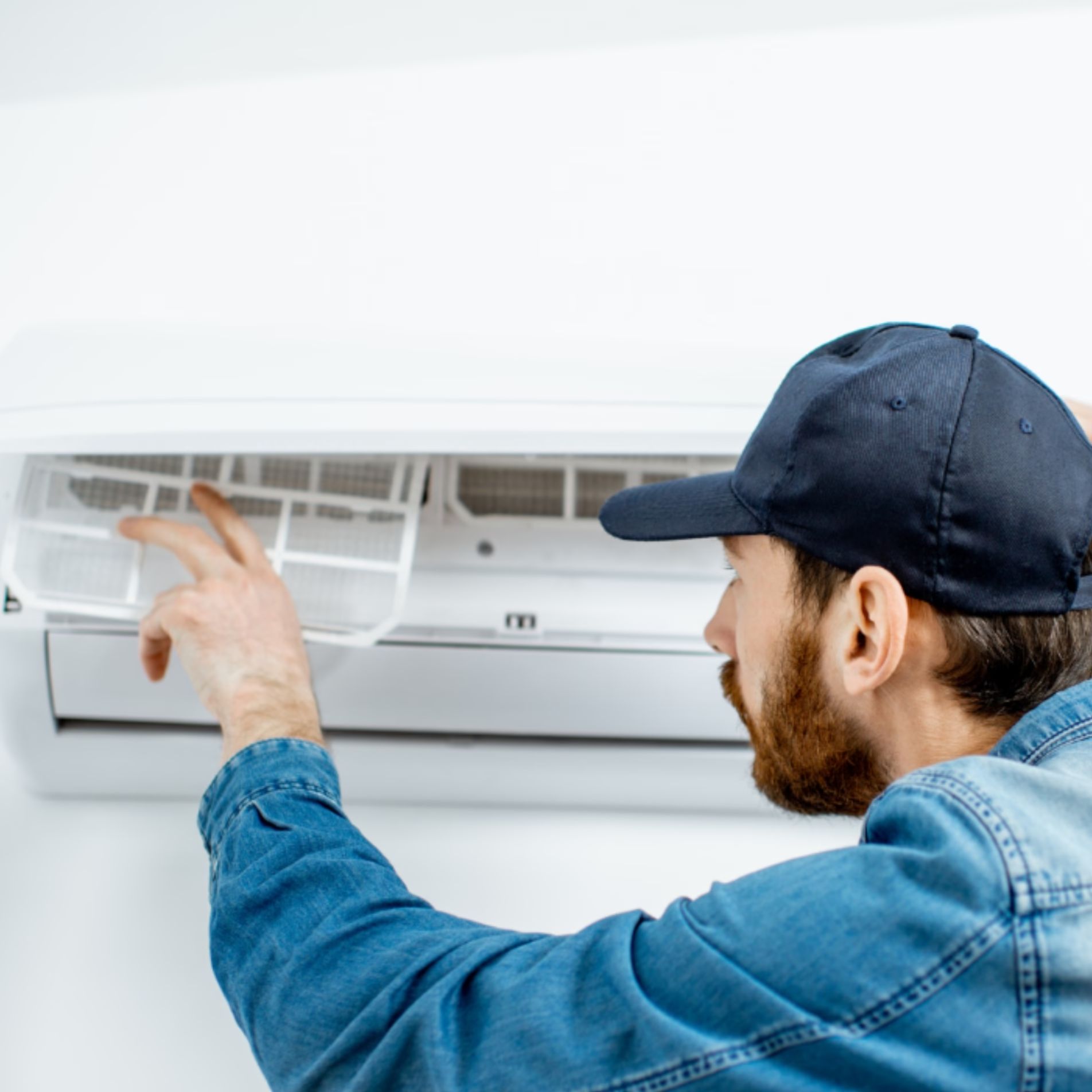
A checklist can keep recurring tasks from being forgotten. It cannot tell you everything about the current condition of a house.
Something that looked fine during the previous check may now be showing wear. Another area may need to be watched even though it does not require work yet. A previous repair may deserve another look later.
Regular observation provides that context.
Each time the home is checked, there is an opportunity to notice what has changed since the last time. After several rounds, those observations begin to form a maintenance history. Homeowners can keep track of areas that have needed repeated attention and components that have already been repaired or replaced.
That history becomes increasingly useful as the house ages. Maintenance decisions can draw from what has actually happened in the home rather than relying entirely on a generic schedule.
The House Can Tell You What Needs Attention
The place where a problem becomes visible is not always where it began.
Drywall is one example from the original Stearns Home Care program. Changes in drywall can sometimes point toward a water leak or foundation movement elsewhere in the house.
Routine maintenance creates opportunities to notice those clues.
The same broader thinking applies to individual maintenance tasks. Cleaning gutters supports the way rainwater drains from the house. Repairing weatherstripping restores a deteriorated seal. Maintaining caulk or grout helps protect areas that regularly encounter moisture.
Looking at what each component is supposed to accomplish provides more useful information than simply completing a list of chores. It helps connect a small maintenance task to the part of the house that depends on it.

Maintenance Changes as the Home Changes
A twenty-year-old house naturally has a different maintenance history from one that was recently built or remodeled.
New materials begin aging as soon as they are put into use. Water, weather, temperature changes, and everyday use gradually affect their condition. Recently completed remodeling work will eventually develop maintenance needs of its own.
Older homes often contain a mixture of ages. One component may have been replaced recently while something next to it is original. Previous repairs become part of the home’s history as well, and homeowners may know much more about some areas than others.
Keeping a consistent record of maintenance can make that history easier to understand. It provides context for which areas have already received attention and which ones have continued to perform without problems.
Maintenance also protects work that has already been put into the home. Finishes, fixtures, appliances, and other components require care throughout their useful lives. A completed remodel marks the beginning of that period of ownership and use.
The Challenge Is Often Keeping Up With It
Homeowners have different relationships with home maintenance.
Some are comfortable handling many routine tasks themselves. Others prefer to hire someone. A homeowner may also recognize that something has changed without knowing whether it is ordinary maintenance or a sign that another part of the house should be examined.
Those circumstances can change over the years.
Tasks involving ladders, difficult-to-reach areas, or physical work may become less comfortable. Work and family schedules can leave less time for household projects. Someone who previously handled maintenance personally may eventually decide that they would rather have help keeping up with it.
Stearns Design Build saw these situations repeatedly through our remodeling work. Homeowners understood the value of maintaining their homes, but remembering and managing everything the house required could become difficult. That experience contributed to the creation of Stearns Home Care.
How Stearns Approaches Ongoing Home Maintenance
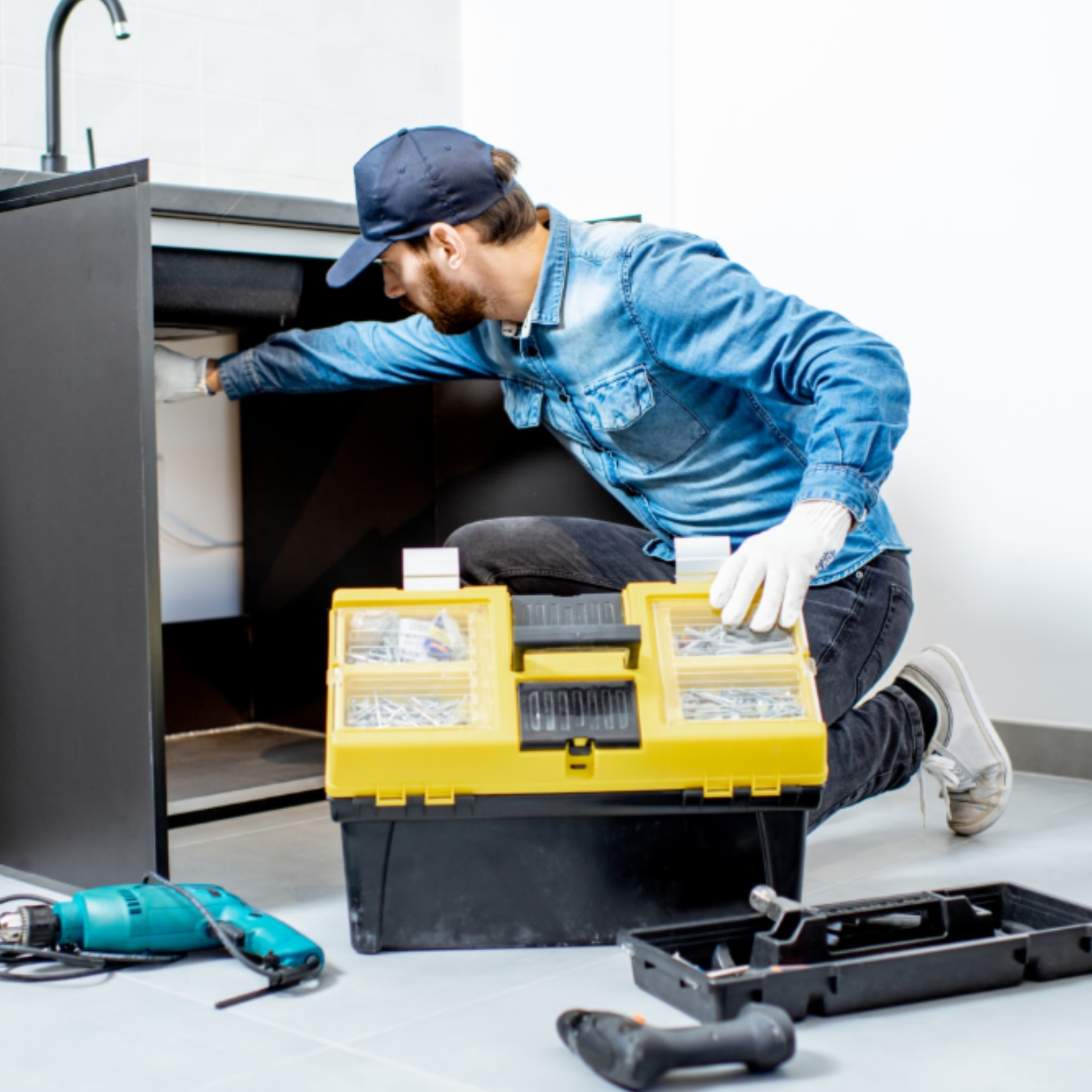
Stearns Home Care uses six visits throughout the year to provide recurring maintenance. The work can include gutter cleaning, maintaining fixtures and appliances, changing bulbs and batteries, checking and repairing weather stripping, and other maintenance needs covered by the program.
The spacing of those visits is important to the way Home Care approaches a house. Returning throughout the year provides opportunities to see how its condition changes instead of encountering the home only when a repair is needed.
An area that received attention previously can be seen again. Wear that was not present during an earlier visit may become apparent later. Familiarity with the home develops over time.
That approach grew naturally from Stearns Design Build’s remodeling work. We spend years working with homes in Bryan-College Station that their owners already value and want to continue enjoying. Home Care extends that relationship into the routine care a house requires after construction is finished.
For homeowners who prefer to manage maintenance themselves, the same principle still applies. Consistency provides a better understanding of how the home is aging. Home Care gives homeowners who would rather have help keeping up with that responsibility another way to provide the same recurring attention.
Frequently Asked Questions
How often should a home be checked for maintenance needs?
Different materials and systems follow different maintenance schedules, and the condition of the individual home matters. Checking the home regularly throughout the year creates more opportunities to notice wear as it develops.
Does a recently remodeled home still need regular maintenance?
Yes. Recently installed materials begin experiencing daily use and environmental exposure immediately. Caring for those materials helps protect the remodeling work already invested in the home as it ages.
Why can waiting for something to break lead to larger repairs?
Some home problems develop gradually. A deteriorating seal, moisture exposure, buildup, or ordinary wear may continue for some time before a component stops working. During that period, the original issue can sometimes begin affecting nearby materials.
Can a maintenance checklist cover everything a home needs?
A checklist is useful for recurring tasks, but the condition of the house also needs to be considered. Changes can develop between scheduled tasks, and previous areas of concern may need to be checked again.
What is the advantage of recurring home maintenance?
Returning to the home throughout the year provides opportunities to compare its current condition with what was seen previously. Changes may become easier to recognize, and areas that have needed attention before can continue to be watched.