
Why Trees Matter in Residential Design
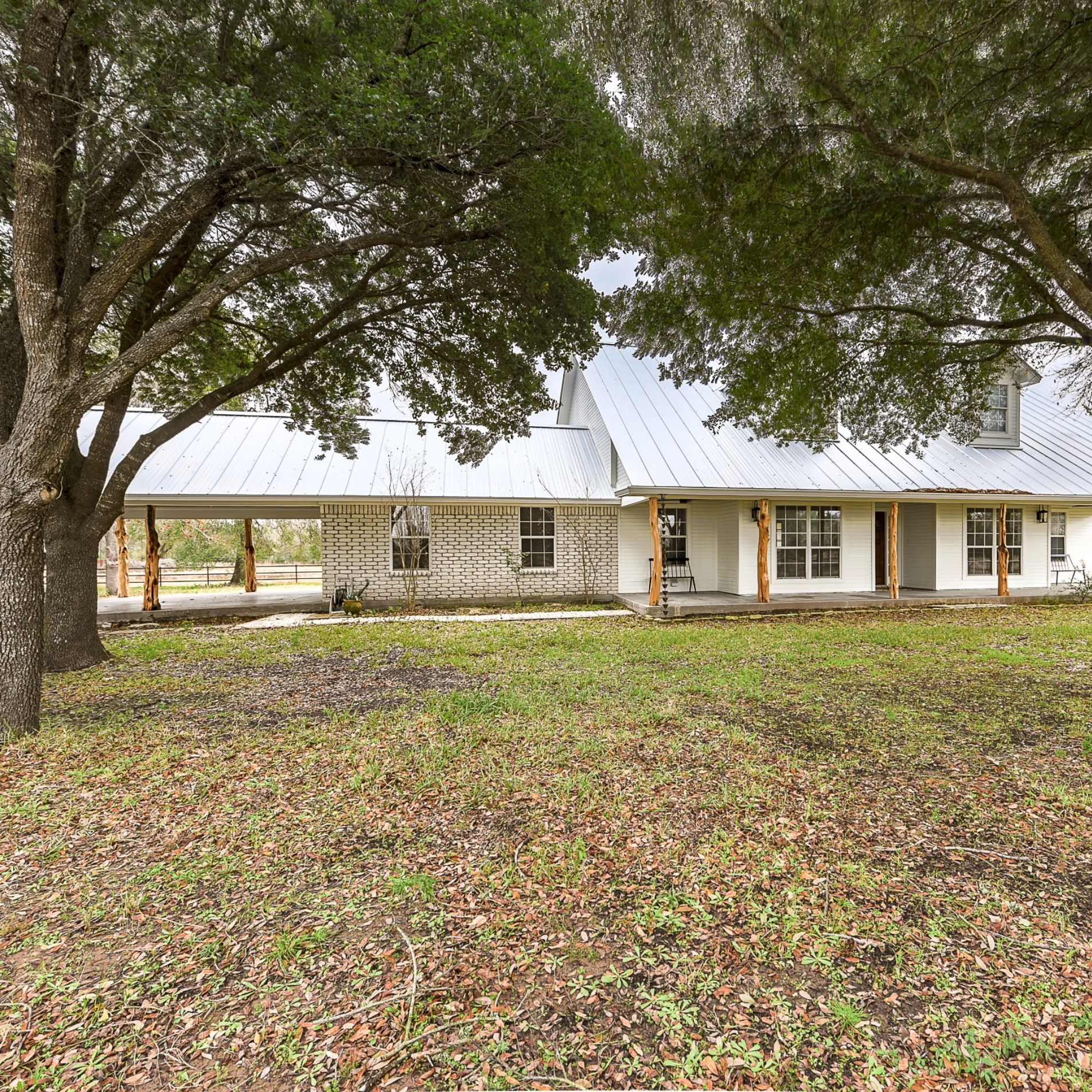
Trees in residential design can influence the architecture of a home and how comfortable it feels throughout the year. A mature oak may determine where windows belong, how an addition takes shape, or where a family spends summer afternoons. Considering existing trees early in the design process allows a home to work with the natural conditions of its property.
What Role Do Trees Play in Residential Design?
When we design a kitchen remodel, home addition, or custom home, we think about how light enters the space and how rooms connect. We consider where heat moves in and out, what homeowners will see through their windows, and how much privacy they need.
The oak tree at the property line can shape every one of those decisions.
A mature tree northwest of the living room might determine where windows go and which direction they face. Trees can establish privacy along a property boundary more gracefully than a fence. Their canopies also help organize outdoor spaces. The shaded alcove beneath one tree becomes a summer seating area, while an opening between the branches frames a view worth preserving.
Sometimes the tree itself influences the architecture.
At Stearns Design Build, we’ve designed homes with roof pitches that echo the angles of an old oak canopy. The shape and branching pattern of the tree become part of the architectural composition, creating a home that looks as though it grew naturally into its surroundings.
A tree that has been growing on a property for decades already has a relationship with the land. Its position, canopy, and seasonal changes offer valuable information about how a home should occupy that space.
Why Trees Matter to the Way You Live
Shade, Cooling, and Energy Efficiency
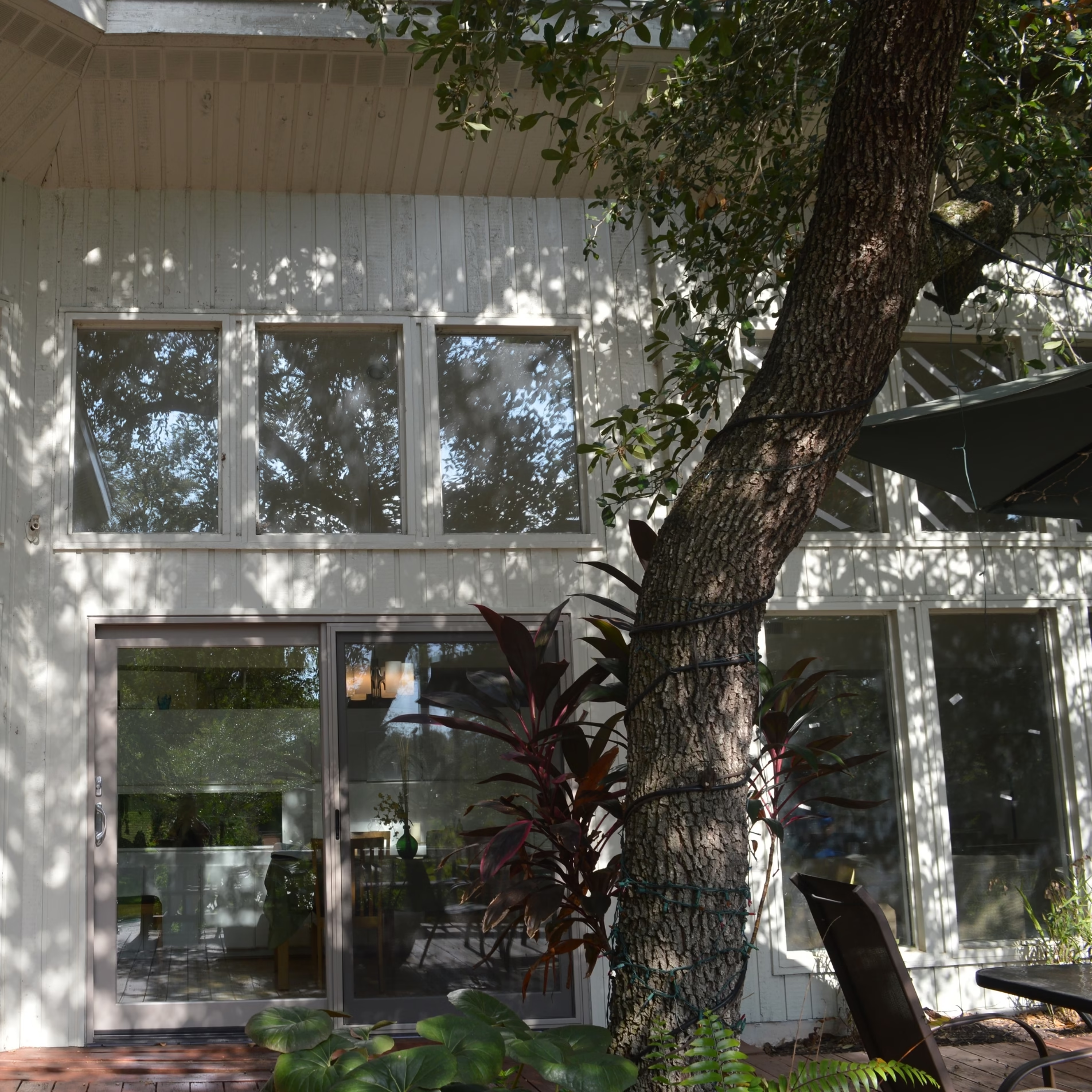
On a hot Texas afternoon, the difference between standing beneath a mature oak and standing in direct sunlight is immediately apparent. That shade also affects the home itself.
Research referenced by the U.S. Environmental Protection Agency has documented reductions of 20°F or more on shaded building surfaces. Lower surface temperatures can reduce heat entering the home, easing the demand on air conditioning systems and limiting prolonged heat exposure on roofing and siding.
Trees also cool the surrounding environment through transpiration, the process of releasing water vapor through their leaves. A 2021 study by Zheng and colleagues found that approximately one-third of incoming solar radiation was converted into latent heat through transpiration in the trees studied. This cooling influence can extend beyond the immediate canopy, although its reach depends on tree size, canopy density, and surrounding conditions.
The effect becomes more significant when trees are considered across an entire neighborhood. A review of research from 110 cities and regions found that trees can reduce pedestrian-level temperatures by as much as 12°C under favorable conditions.
During a Bryan–College Station summer, the shade of an established tree can make outdoor spaces more usable while reducing the amount of solar heat reaching the house.
Seasonal Sunlight and Wind Protection
Deciduous trees offer a particularly useful relationship with the changing seasons.
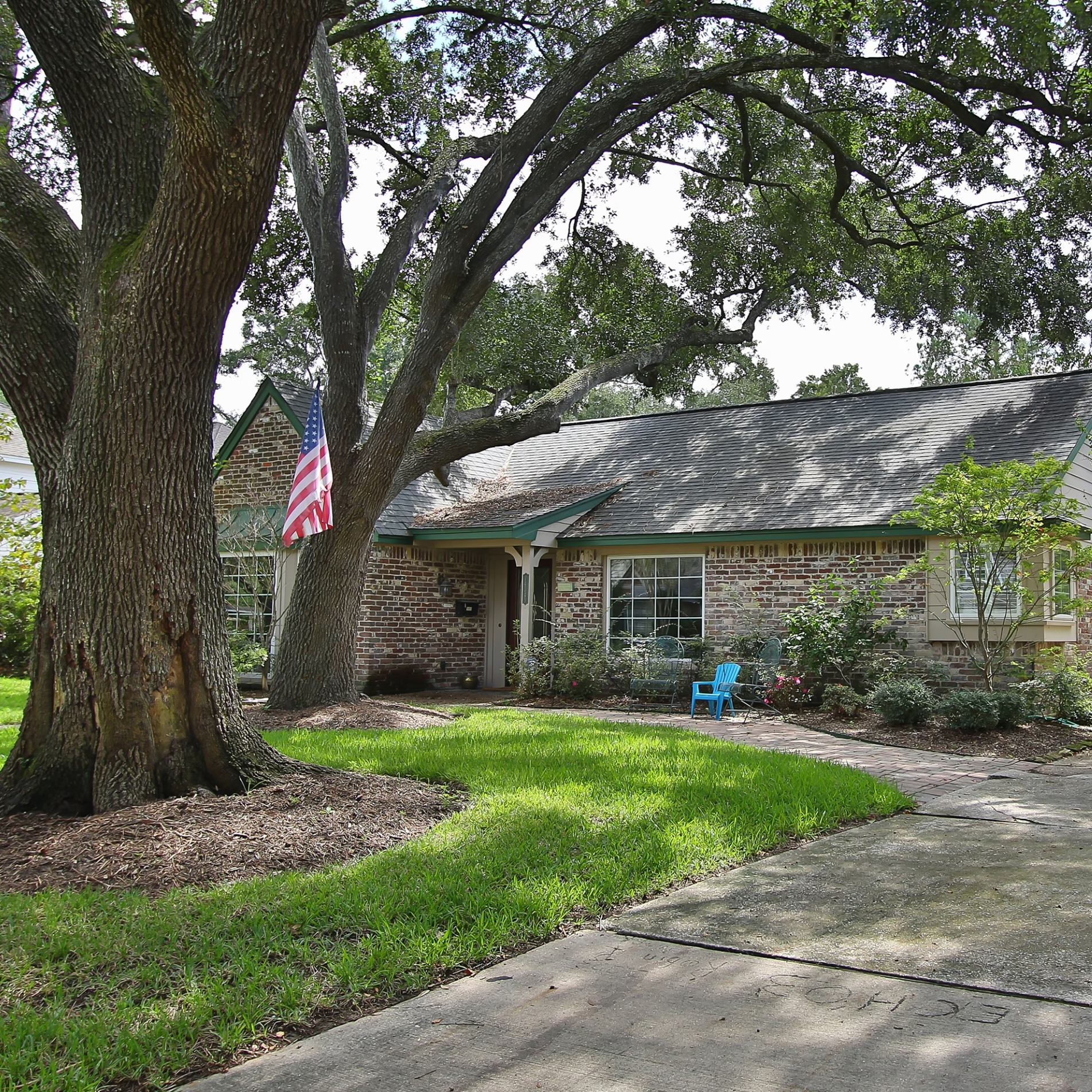
Post oaks and blackjack oaks develop dense foliage during warmer months, shading windows and exterior walls from direct sunlight. As their leaves fall in autumn, winter sunshine can reach those same surfaces and contribute warmth when temperatures drop.
This is passive solar design at work, using the natural seasonal changes of a tree to influence the temperature of a home.
Trees can also affect how a property experiences cold weather. On a clear winter morning, pay attention to where frost has settled. Exposed areas may be covered while surfaces beneath overhanging branches remain relatively frost-free.
Tree canopies reduce the amount of radiant heat lost to the open night sky. That difference can help sheltered surfaces retain warmth under certain conditions, even without a physical barrier surrounding them.
Wind exposure is another consideration. A row of native trees along the northern side of a property can help block cold winter winds. Trees positioned to the south or west may also influence the movement of summer breezes, which can inform how outdoor living spaces and natural ventilation are incorporated into the design.
Trees and Our Well-Being
There is measurable science behind the relief people feel when spending time beneath trees.
Research has associated time in tree-rich environments with reductions in cortisol and adrenaline, two hormones associated with stress. Studies of forest environments have also documented improvements in blood pressure and reductions in anxiety, depression, fatigue, and confusion.
One of the most compelling examples comes from hospital research. In 1984, Roger Ulrich published a study in Science examining patients recovering from surgery. Patients whose hospital windows overlooked trees experienced shorter recovery stays and required fewer strong pain medications than comparable patients whose windows faced a brick wall.
Consider what that finding suggests about the views we experience every day.
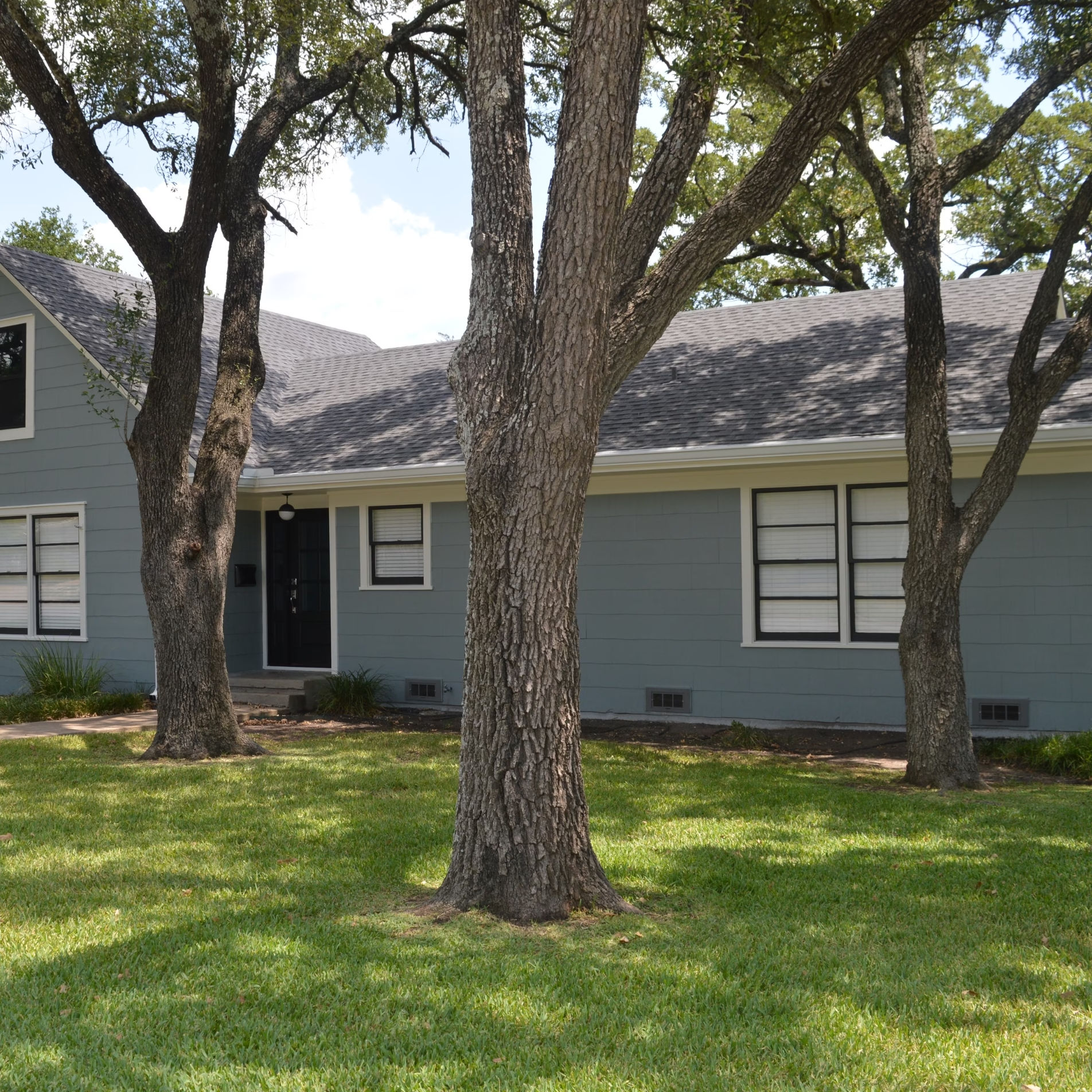
The tree outside a kitchen window may be something a homeowner looks at while washing dishes or making coffee. A shaded seating area may become the place where someone spends a quiet summer morning.
Trees also help filter airborne pollutants, including fine particulate matter, contributing to healthier outdoor environments. Shaded sidewalks and walking routes can encourage physical activity by making outdoor movement more comfortable. For children, trees offer experiences that are difficult to capture on a blueprint. A strong branch may hold a swing. Another tree becomes a place to climb or build a treehouse.
Those memories become part of the experience of living in a home.
Common Misunderstandings About Trees in Home Design
Trees Are Primarily Decorative
Landscaping is often treated as something to consider after the house has been designed. Yet an existing tree may already be influencing the temperature of a western wall or creating privacy between neighboring properties.
Its position may also determine where a window provides the best view or where an outdoor seating area will be comfortable during summer. These relationships deserve consideration while the architecture is being developed.
Removing Existing Trees Makes Design Easier
A mature tree can influence where an addition is positioned or how a roofline is shaped. Working around an existing canopy may require careful consideration during design, but preserving that tree can retain benefits that would take decades to replace.
There are legitimate reasons to remove a tree, particularly when its condition presents a concern or when it conflicts with necessary construction. Evaluating what already exists allows those decisions to be made with a clearer understanding of what the property may gain or lose.
All Trees Provide the Same Environmental Benefits
Native trees play a particularly important role in supporting local wildlife.
Research associated with ecologist Doug Tallamy identifies oaks as some of the most valuable host plants for native caterpillars. Across North America, oak host-plant records have documented associations with approximately 952 caterpillar species. In the Mid-Atlantic region, the oak genus has been associated with 557 species.
Compare that with non-native ornamental trees such as ginkgos, which support relatively few native caterpillar species. The difference matters because caterpillars are an essential food source for many birds. Raising a single brood of chickadees can require approximately 6,000 caterpillars. A mature native oak may therefore support an extensive food web, providing resources for insects that become food for birds and other wildlife.
The tree’s value reaches well beyond the shade beneath its branches.
How Trees Influence the Design of a Home
Bryan and College Station sit within the Post Oak Savannah, an ecosystem shaped over thousands of years by the region’s climate and natural conditions.
Post oak, blackjack oak, bur oak, and hackberry are among the trees associated with this environment. These species have developed adaptations to regional soil conditions, heat, and periods of drought. They also support local water cycles and wildlife.
Their presence can influence how a home is designed.
Window placement and views: A mature oak may frame the view from a living room or provide natural screening from a neighboring property. Its position can help determine the size and orientation of windows.
Rooflines and architectural form: The angle of an established canopy can influence the shape of an addition. We’ve designed roof pitches that follow the visual rhythm of oak branches, helping the building relate to the trees around it.
Outdoor living spaces: The shaded area beneath a tree may be an ideal location for summer seating. An opening in the canopy can preserve a view, while the trees themselves help define the boundaries of the space.
Sunlight and airflow: Tree placement affects how much sunlight reaches a home during different seasons. Existing trees can also influence wind patterns, providing opportunities to consider natural ventilation and protection from colder winds.
Wildlife and the surrounding ecosystem: Preserving native trees helps maintain established habitat and the relationships between local plants and animals.
These conditions vary from property to property. An oak on the western side of one home may have an entirely different influence than a similar tree growing near the northern boundary of another.
Understanding those differences helps inform the architecture.
How Stearns Design Build Approaches Trees in Residential Design
When we begin designing a project, we look at what is already growing on the property.
We consider which trees are worth keeping and how their position affects the views from inside the home. We study where shade will be useful, how the canopy changes with the seasons, and whether existing trees can help protect outdoor spaces from wind.
Sometimes a mature oak provides an obvious starting point for the design. Its canopy may suggest where an addition should sit or how the roofline should take shape. Other times, the influence is less visible.
The shade falling across a western wall during the hottest part of the afternoon may affect how we think about windows and solar exposure. The way winter sunlight passes through bare branches can inform those same decisions from a different seasonal perspective.
Native trees are especially valuable in this process. The Post Oak Savannah has developed around species adapted to the region’s conditions. When planting is part of a project, we prioritize native species because of their relationship with local soils, water cycles, and wildlife.
Appropriately selected native trees can also offer long-term maintenance advantages, particularly when their growing requirements match the conditions of the property. Preserving an existing mature tree can retain decades of growth and the benefits that have developed with it.
At Stearns Design Build, we consider these relationships alongside the homeowner’s goals. A well-designed home should make thoughtful use of what the property already offers, including the trees that may have been growing there long before the house was built.
Frequently Asked Questions
Can existing trees influence the design of a home addition?
Yes. Mature trees can influence where an addition is positioned, how its roofline is shaped, and where windows are placed. Considering them early can help preserve established shade and desirable views.
How do trees help keep homes cooler in Texas?
Trees reduce direct sunlight reaching exterior surfaces and release water vapor through transpiration, which contributes to cooling. The amount of cooling depends on canopy coverage, tree placement, and local conditions.
Why are native trees important in Bryan–College Station?
Native trees such as post oaks and blackjack oaks are part of the Post Oak Savannah ecosystem. They support local wildlife and have developed adaptations to the region’s environmental conditions.
Can trees improve the comfort of outdoor living spaces?
Yes. Existing tree canopies can provide shade during hot weather and influence wind exposure around patios or seating areas. Their position can also provide privacy and help define how outdoor spaces are used.