
How to Save Money on a Kitchen Remodel Without Sacrificing Quality
When homeowners begin planning a kitchen remodel, one of the first questions is how to make the most of the budget. Kitchens are one of the largest investments in a home because they combine cabinetry, countertops, appliances, plumbing, electrical work, lighting, and finishes into a single space. Small decisions made during planning can have a noticeable impact on the final cost.
Saving money on a kitchen remodel does not always mean choosing less expensive materials. In many cases, it comes from making thoughtful decisions early, preserving elements that still have years of life left, and avoiding changes that add cost without improving how the kitchen functions. The goal is to invest where it matters most while keeping the project aligned with your priorities.
Why Planning Has the Biggest Impact on Your Budget
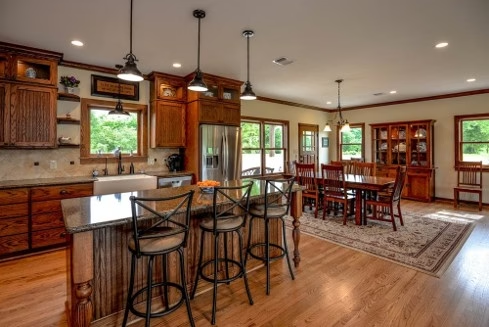
Long before demolition begins, your budget is already taking shape. Decisions made during the planning phase influence labor, material costs, scheduling, and the likelihood of changes once construction starts.
A complete design with finalized selections gives everyone involved the same expectations. Cabinet dimensions, appliance locations, lighting, plumbing fixtures, and finish materials have already been considered before work begins. That reduces uncertainty and helps prevent costly revisions during construction.
Planning also allows you to compare options before they become expensive changes. Swapping countertop materials during design is much simpler than changing them after cabinets have been ordered.
Common Budget Mistakes That Increase Remodeling Costs
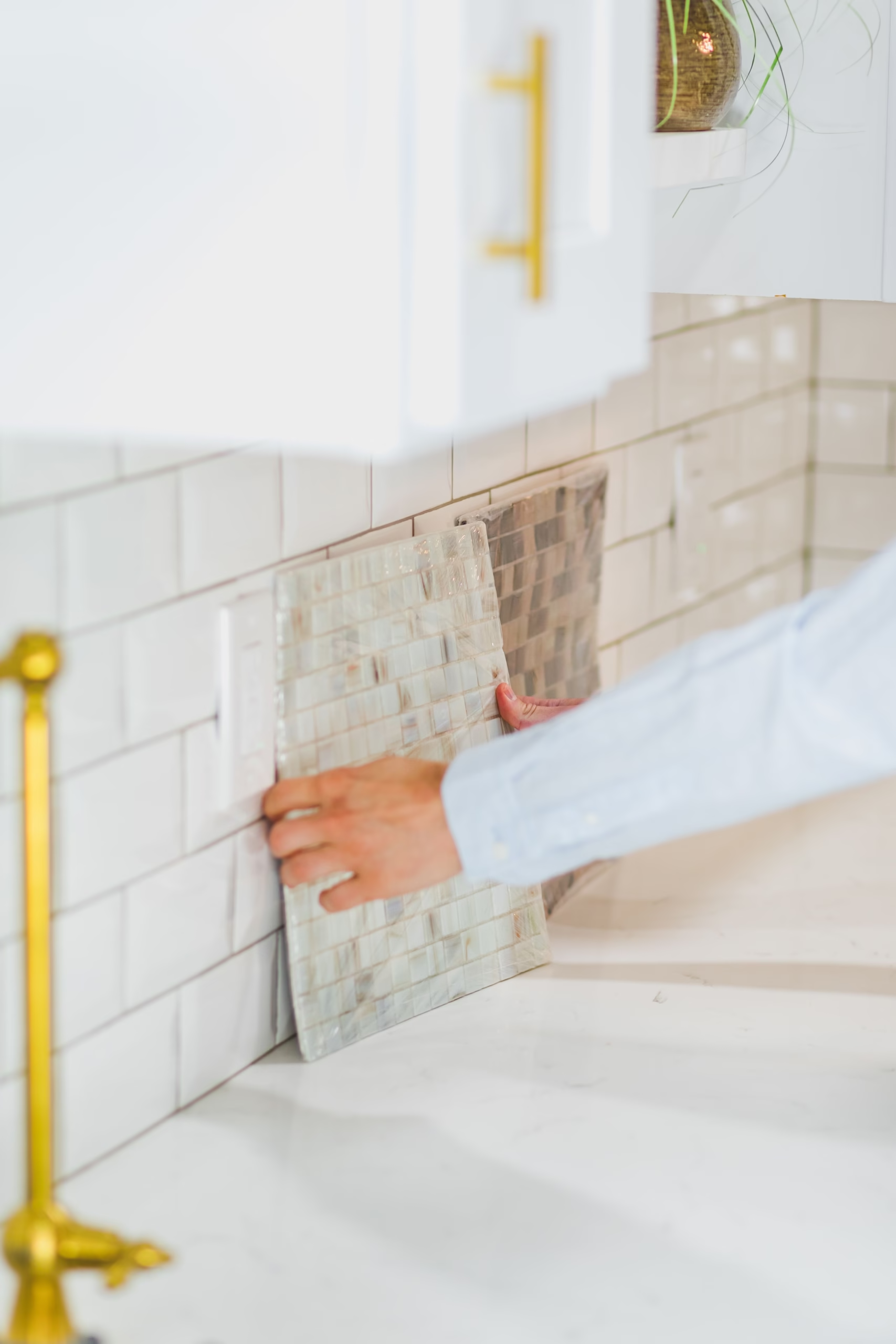
Some of the most expensive decisions happen without homeowners realizing they are increasing the budget.
One example is beginning construction before every product has been selected. Waiting until cabinets are installed to choose plumbing fixtures or appliances can delay work while materials are ordered. When one trade has to stop and another cannot begin, the schedule stretches and costs can increase.
Another common issue is changing the scope after construction has started. Moving walls, relocating plumbing, or redesigning cabinet layouts midway through a project often requires additional labor and materials that were never part of the original plan.
High-Level Decisions That Can Help Save Money
Keep Cabinets That Are Still in Good Condition
Cabinets are often one of the largest expenses in a kitchen remodel. If the cabinet boxes remain structurally sound, replacing every cabinet may not be necessary.
Depending on their condition, homeowners may choose to:
- Paint existing cabinets.
- Replace doors and drawer fronts.
- Modify selected cabinets to improve storage.
- Add matching custom pieces where needed.
These options can preserve a significant portion of the budget while still giving the kitchen a fresh appearance. As a company with an in-house custom cabinet shop, Stearns Design Build can also modify or build cabinets that integrate with existing cabinetry when that approach makes sense for the project.
Keep the Existing Kitchen Layout When Possible
Moving plumbing lines, electrical circuits, gas connections, or HVAC ductwork often increases both labor and material costs.
That does not mean every kitchen should keep its current layout. Sometimes moving appliances or expanding a space creates meaningful improvements in how the kitchen works. However, when the existing layout already functions well, keeping major infrastructure in place is one of the simplest ways to reduce remodeling costs.
Choose Countertops Strategically
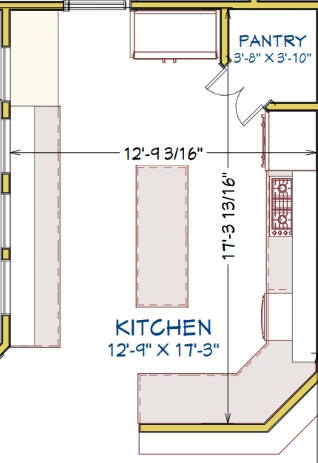
Natural stone countertops can vary significantly in price depending on the slab and the amount of material required.
For some kitchens, remnants from larger slabs provide an opportunity to reduce costs. Another approach is using different countertop materials throughout the room. A kitchen island may feature a premium stone while perimeter counters use a simpler option that complements the overall design.
Some homeowners also choose butcher block in dedicated food preparation areas because it serves a practical purpose while reducing the amount of stone required.
Shop Appliances Carefully
Appliances represent another major portion of many kitchen remodeling budgets.
Previous model years, discontinued finishes, and scratch-and-dent inventory can provide opportunities for savings without sacrificing performance. Cosmetic imperfections are often located on sides or backs that are hidden once the appliance is installed. Likewise, many year-to-year model updates are relatively minor while price reductions can be substantial.
Do Not Overlook Lighting
Lighting influences how a kitchen looks and how comfortably it functions every day.
Many homeowners focus on cabinetry and countertops first, but lighting deserves the same level of attention. A well-designed lighting plan helps with food preparation, improves visibility throughout the room, and highlights architectural features.
As homeowners age, lighting also becomes more important because our eyes generally require more illumination for everyday tasks than they did years earlier. Designing with appropriate task lighting, ambient lighting, and accent lighting helps create a kitchen that continues to perform well over time.
Small Updates Can Still Make a Big Difference
A full kitchen remodel is not always necessary to improve the space.
When the budget is limited, targeted improvements can still have a noticeable effect. Painting cabinets, replacing a backsplash, updating lighting, or installing new hardware can refresh the room without replacing every component.
Projects like these can also serve homeowners who plan to remodel more extensively in the future but want to improve the kitchen in the meantime.

How Stearns Design Build Helps Homeowners Stay on Budget
At Stearns Design Build, we believe the best opportunity to control costs happens before construction begins.
Our planning process is designed to help homeowners make decisions in the right order. During design, selections are developed alongside the overall project so the scope is clearly defined before work starts. That creates a shared understanding of the project, reduces surprises during construction, and helps homeowners evaluate where their investment will have the greatest impact. This approach reflects our commitment to giving clients real information before major financial decisions are made.
Every kitchen is different. Some projects benefit from preserving existing cabinetry, while others justify a completely new layout because it dramatically improves daily life. Our role is to help homeowners understand those tradeoffs so each decision supports both the budget and the finished result.
Frequently Asked Questions
What is the best way to save money on a kitchen remodel?
Planning the project thoroughly before construction begins is often the most effective way to reduce unnecessary costs. Finalizing layouts, material selections, and product choices early helps avoid changes that can increase both the budget and the schedule.
Should I replace my kitchen cabinets?
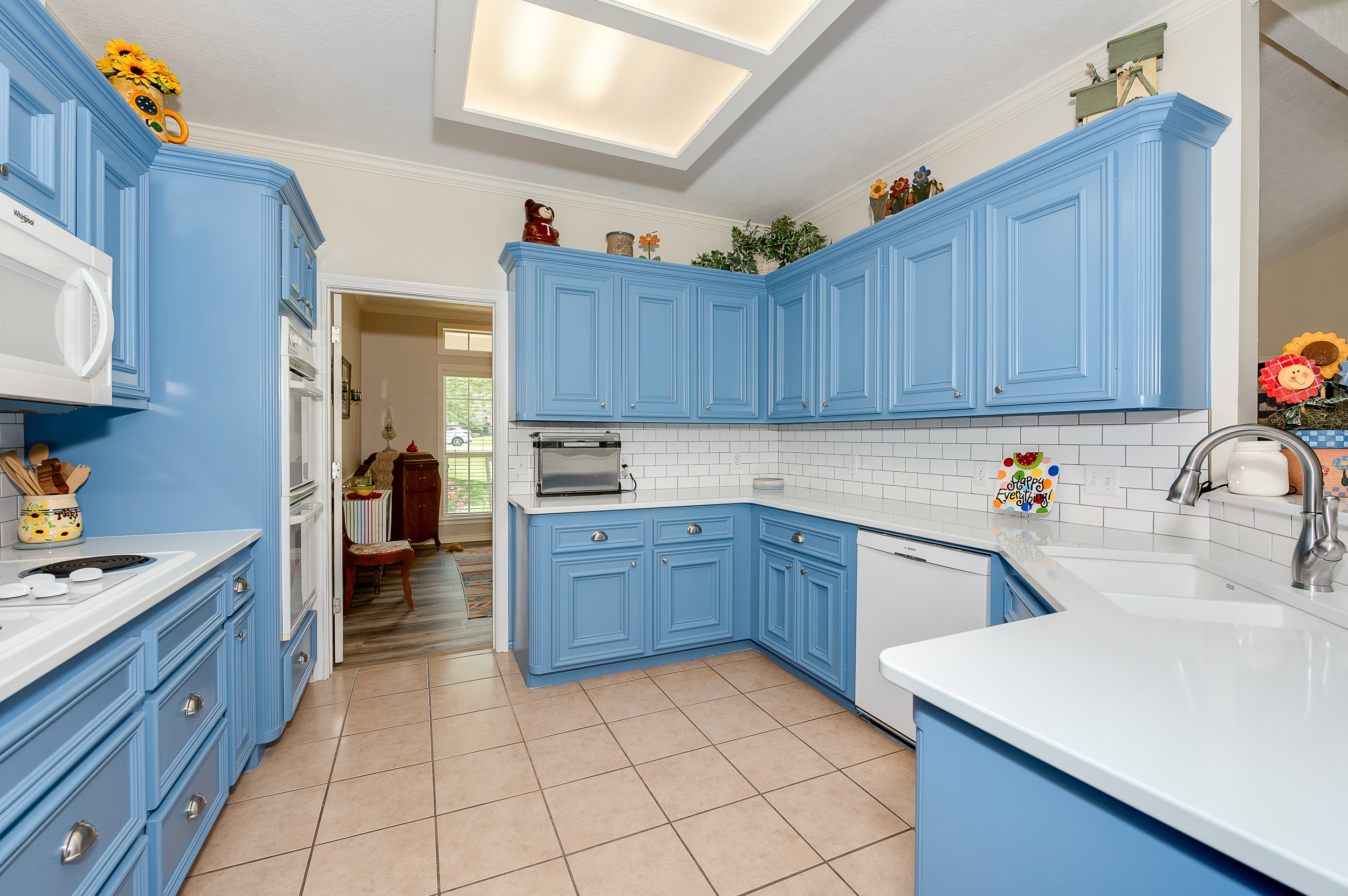
Not always. If the cabinet boxes are still in good condition, painting them, replacing doors, or modifying portions of the cabinetry may provide the improvement you’re looking for while reducing costs.
Does moving plumbing make a kitchen remodel more expensive?
Yes. Relocating plumbing, electrical systems, gas lines, or HVAC components generally increases labor and material costs. Keeping those systems in their existing locations when practical can help manage the overall budget.
Are scratch-and-dent appliances worth considering?
They can be. Many appliances have only minor cosmetic blemishes that are hidden after installation, allowing homeowners to purchase quality products at a reduced price.
Can I update my kitchen without doing a full remodel?
Yes. Cabinet painting, updated lighting, a new backsplash, replacement hardware, and selective countertop upgrades can make an older kitchen feel refreshed without the cost of a complete renovation.