
Builder-Grade vs. Built to Last: What Are You Really Paying For?
Builder-grade materials are usually selected to meet basic requirements while keeping the initial cost of a home or remodel down. Built-to-last choices take a wider view. They consider how a material, fixture, or building system will perform after years of daily use, cleaning, moisture, heat, movement, and repair.
That difference may not be obvious when everything is new. It often shows up later through worn finishes, uneven temperatures, frequent maintenance, or products that must be replaced instead of repaired.
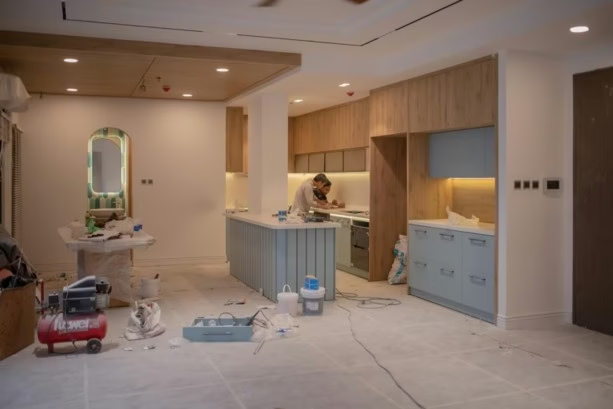
What Does Builder-Grade Mean?
Builder-grade is a broad industry term for products commonly used in homes where affordability and speed are major priorities. These products generally meet applicable building requirements and perform the basic job they were selected to do.
The term does not automatically mean that a product is unsafe or defective. A builder-grade item may be a reasonable fit for a lightly used space, a temporary improvement, or a project with a tightly controlled budget.
The tradeoff usually appears in the details. Entry-level products may have thinner finishes, fewer size options, lighter hardware, shorter warranties, or construction that is difficult to repair. Standardized products can also make installation faster, which helps reduce upfront labor costs.
Problems arise when a homeowner expects a basic product to perform like one selected for heavy use or long-term ownership.
Why Price per Square Foot Does Not Tell the Whole Story
Price per square foot gives buyers and homeowners a convenient way to compare costs. It does not explain what is included within each square foot.
Two homes of the same size can have very different cabinet construction, insulation levels, window performance, flooring, waterproofing, lighting, and mechanical systems. Those differences affect how the home feels to live in and what it may cost to maintain.
A lower initial cost can still be the right decision. It simply needs to be understood as one part of the value equation.
The true cost of a material includes its installation, expected lifespan, maintenance needs, repair options, and the disruption involved when it eventually fails. Utility costs matter too. A mortgage may end one day, but heating and cooling expenses continue for as long as the home is occupied.
Looking past the first price gives homeowners a more useful question to consider: How well does this choice support the way the home will be used?
Where Builder-Grade Materials Commonly Show Up
Quality differences can appear almost anywhere in a house, though they tend to become more noticeable in rooms that handle moisture, heat, movement, and frequent use.
Kitchens and Bathrooms
Kitchens and bathrooms contain a high concentration of cabinets, plumbing fixtures, surfaces, hardware, and electrical components. Each of those elements is exposed to daily wear.
In cabinetry, differences may appear in the thickness and composition of the cabinet boxes, drawer construction, hinges, finishes, and resistance to moisture. A cabinet can look attractive when installed but begin to swell, chip, or loosen when its materials are not suited to the way the room is used.
Countertops and backsplashes also vary in how they respond to heat, staining, impact, and cleaning products. The visible material matters, though the preparation and installation underneath it matter just as much.
Bathrooms introduce another concern: water management. A shower surround or attractive tile does not tell you how the wall assembly was prepared. Waterproofing, ventilation, proper slope, and careful installation all affect how the room performs after hundreds of showers.
The parts hidden behind the finish are often the ones protecting the largest portion of the investment.
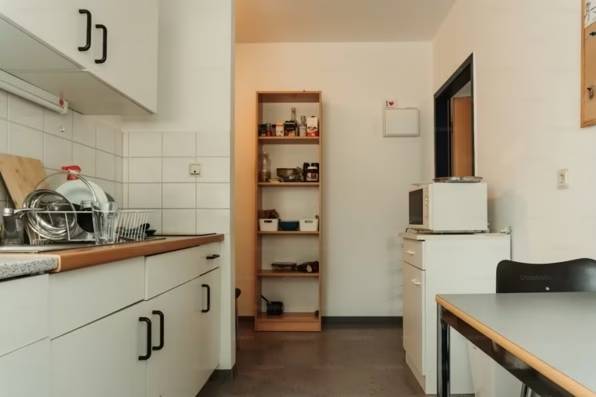
Floors, Doors, and Interior Finishes
Entry-level carpet may use a thinner face fiber or lighter padding, causing traffic paths to flatten sooner. Some vinyl and laminate products have wear layers that show scratches more quickly in busy areas.
Interior doors and trim can also reveal differences over time. Lightweight doors may provide less sound separation, while softer trim materials tend to show dents at corners and along frequently used passages.
These choices are not equally important in every room. A finish in a guest bedroom may receive little use, while the same finish in a hallway, kitchen, or family room could be tested every day.
Placement matters as much as the product itself.
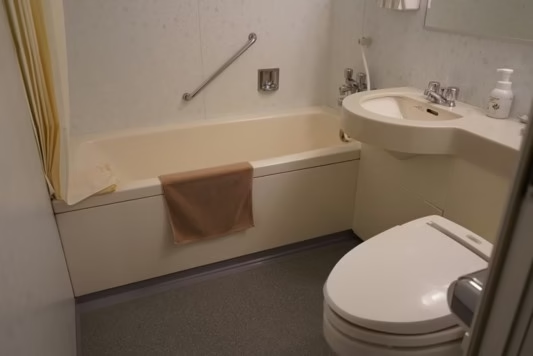
Windows, Insulation, and Mechanical Systems
Some of the most meaningful quality differences are hard to see during a home tour.
Windows affect drafts, outside noise, solar heat, and how comfortable it feels to sit near an exterior wall. Insulation influences temperature consistency throughout the house. HVAC sizing, ductwork, return-air pathways, and ventilation affect how well the mechanical system can serve each room.
A home may technically heat and cool while still having bedrooms that feel warmer than the rest of the house or rooms that never seem comfortable at certain times of day.
These systems usually receive less attention than cabinets or countertops because they are not decorative. Their performance shapes daily life long after a particular finish has gone out of style.
What Does “Built to Last” Actually Mean?
Built to last does not mean choosing the most expensive option in every category. It means selecting materials, assemblies, and installation methods that match how the home will be used and the conditions they’ll face over time. Moisture management, proper detailing, ventilation, and appropriate material selection all contribute to long-term durability. The U.S. Department of Housing and Urban Development’s Durability by Design guide notes that lasting performance depends on thoughtful design decisions working together rather than relying on any single product.
It means matching a product and installation method to the conditions it will face. A material used near water needs to tolerate moisture. Flooring in an active household needs to handle traffic. Cabinet hardware should support the weight and frequency of use expected from it.
Repairability also matters. Some materials can be refinished, adjusted, resealed, or repaired in sections. Others must be removed and replaced once the surface fails.
Installation is part of the equation as well. An expensive finish installed over poor preparation may perform worse than a modest material installed correctly. Waterproofing, substrate preparation, fastening, clearances, ventilation, and transitions between materials all influence the final lifespan.
A durable home is rarely created by one standout product. It comes from a series of choices that work together.
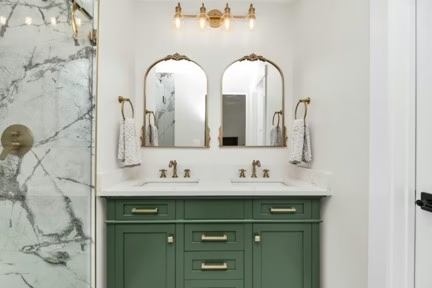
Why Remodeling Estimates Can Look So Different
Two remodeling estimates can vary because the contractors may be pricing entirely different versions of the project.
One estimate may include plywood cabinet boxes, upgraded drawer hardware, detailed waterproofing, stronger ventilation, and a defined lighting plan. Another may use basic cabinet construction, smaller allowances, fewer preparation steps, or products that have not yet been specified.
Both estimates might describe a “kitchen remodel” or “bathroom remodel.” The words alone do not reveal the quality level behind the number.
Allowances can create another source of confusion. A low allowance may make an early estimate look appealing, but it can leave little room for the products the homeowner expects to select later. Missing model numbers, vague material descriptions, and undefined installation methods make fair comparisons difficult.
A useful proposal should give the homeowner enough information to understand what has been included and where decisions remain open.
This is why planning and design influence pricing. Accurate costs depend on real scope, real selections, and a shared understanding of how the finished space is expected to perform.
Is Builder-Grade Always a Bad Choice?
No. Builder-grade products can serve a practical purpose when their limitations are understood.
A homeowner may choose a basic fixture for a secondary bathroom that receives little use. A temporary flooring choice may make sense when a future addition will change the layout. Standard cabinet sizes can reduce cost without sacrificing the quality of the cabinet construction itself.
The goal is to spend with purpose.
Some homeowners prefer to concentrate their budget on concealed systems, such as waterproofing, ventilation, insulation, or plumbing components. Decorative elements can often be changed later with less disruption.
A thoughtful budget does not upgrade every surface. It protects the parts that would be expensive, damaging, or difficult to replace after construction is complete.
How Can You Prioritize a Built-to-Last Remodel?
Start by deciding what the room needs to handle.
A kitchen used by a large household will face different demands than a small kitchenette. A bathroom used by children may need stronger moisture protection and easy-to-clean surfaces. A homeowner planning to remain in the house for twenty years may weigh replacement cycles differently from someone expecting to move soon.
The next step is to look at the project as part of the whole home. Plumbing routes, electrical work, wall locations, flooring transitions, and future plans can affect which improvements should happen together.
Phasing can help control cost, though each phase needs to account for what comes next. A master plan reduces the chance of removing recently completed work to reach a pipe, change a doorway, or continue flooring into another room.
Once the overall direction is clear, the budget can be placed where performance matters most. Simple layouts and standard dimensions may create savings that can be redirected toward stronger cabinet boxes, better waterproofing, more effective ventilation, or building-envelope improvements.

How Stearns Design Build Plans for Long-Term Value
A durable remodel begins with clear decisions before construction starts.
At Stearns Design Build, our process helps homeowners understand where material quality will have the greatest effect on daily life and long-term performance. We look at how the space will be used, what existing conditions may affect the work, and which parts of the project deserve added protection.
Design development gives those decisions a place to be tested before they reach the jobsite. Products, layouts, installation expectations, and budget priorities can be reviewed together rather than handled as isolated choices.
This protects homeowners from relying on vague assumptions. It also reduces the pressure to make important selections after demolition has already begun.
The aim is not to push every project toward the highest-priced option. Our role is to explain the tradeoffs clearly so each homeowner can decide where durability matters most to them.
A built-to-last home reflects those priorities. The result should support the way the client lives now while leaving room for the years ahead.
Frequently Asked Questions
How can I tell whether my home has builder-grade materials?
Start by checking product labels, cabinet construction, warranties, and visible wear. A contractor or remodeler can also help identify materials and systems that may be contributing to ongoing problems. Appearance alone may not reveal what is installed behind the finished surface.
Do expensive materials always last longer?
No. Price can reflect appearance, branding, customization, or limited availability. Durability depends on the material’s intended use, the quality of installation, and how it is maintained.
Should I replace builder-grade materials before they fail?
Replacement may make sense when a product is causing damage, discomfort, or repeated maintenance. Materials that are still performing well can often remain until they reach the end of their useful life or become part of a larger planned remodel.
What parts of a remodel are most important to upgrade?
Priority usually belongs to work that will be difficult to access later or could cause damage if it fails. Waterproofing, plumbing connections, ventilation, electrical planning, insulation, and preparation behind finished surfaces often deserve careful attention.
Why can one remodeling proposal cost much more than another?
The proposals may include different materials, allowances, preparation work, installation methods, or levels of design development. Compare the scope and specifications alongside the final price.
Can a remodel be durable without using luxury finishes?
Yes. Standard dimensions, straightforward layouts, and modest finishes can still support a long-lasting remodel. Careful planning and appropriate installation often contribute more to durability than decorative upgrades.