
How to Protect Your Home During a Remodel
Protecting your home during a remodel begins with recognizing that construction is taking place in an established living environment. Existing finishes need protection, construction dust requires containment, and the people working inside the home must respect the household. Thoughtful remodeling practices help limit construction’s impact on the home and the people who live there.
What Does It Mean to Protect Your Home During a Remodel?
Residential remodeling presents a unique challenge. Unlike new construction, remodeling takes place within a home that already has a history and an established relationship with the people living there.
Consider how differently you experience your home today compared to the first time you walked through it. Over time, you’ve developed routines around its layout, discovered your favorite spaces, and made changes that reflect your family’s needs. Even the parts you want to remodel are connected to your experience of living there.
Understanding that relationship is an important part of residential remodeling. It influences how a project is designed and how construction should be approached.
Construction introduces temporary changes to an existing environment. Workers need access to the project area, materials must be brought into the house, and demolition or installation activities can produce considerable dust. These activities can affect portions of the home that aren’t included in the renovation.
Protecting an occupied home requires acknowledging those effects before construction begins. The way a remodeling company manages its work environment can make a meaningful difference in the homeowner’s experience.
Why Jobsite Protection Matters to the Way You Live
A remodeling project may involve only one portion of a house, but construction activities can extend beyond the immediate work area.
Dust is one example. Demolition, cutting materials, and other construction activities generate airborne particles that can travel into neighboring rooms. Without appropriate containment, homeowners may find themselves cleaning areas of the house that were never part of the renovation.
Existing finishes also remain vulnerable throughout construction. Workers moving between the project area and the entrance may repeatedly travel across floors that the homeowner intends to keep. Protective coverings help reduce exposure to construction traffic and debris.
There is also the experience of having people working inside your home. Depending on the project, homeowners may encounter construction workers throughout the day or hear conversations taking place in nearby rooms.
Professional conduct contributes to a respectful working environment, particularly when homeowners continue living in the house during construction.
These considerations are part of the overall remodeling experience. The finished project may be the primary goal, but homeowners also have to live with the construction process that gets them there.
Common Misunderstandings About Remodeling an Occupied Home
Construction dust will remain in the room being remodeled.
Dust can travel beyond the immediate construction area through openings and air movement. Physical barriers and appropriate air filtration can help limit its migration, although no containment strategy should be expected to eliminate every airborne particle.
Protective measures are primarily intended to make cleanup easier.
Protection also helps preserve existing portions of the house throughout construction. Covering floors reduces their exposure to construction traffic, while separating the work area helps limit the spread of debris into adjoining spaces.
A construction site will naturally be messy, regardless of where the work takes place.
Construction produces debris and requires space for materials and equipment. However, the fact that construction is taking place inside an established home creates additional considerations for how the work area is managed.
Understanding these distinctions can help homeowners have more informed conversations with remodeling professionals before construction begins.
How Home Protection Shows Up During Remodeling
Home protection involves several considerations that become particularly important when construction takes place near occupied living spaces.
Containing Construction Dust
Dust generated during construction can move beyond the area where work is being performed. Without appropriate containment, airborne particles may travel into neighboring rooms and settle on surfaces throughout the house.
The Environmental Protection Agency emphasizes the importance of containing construction dust when remodeling occupied homes. Its guidelines for protecting indoor air quality during remodeling explain how physical barriers and appropriate ventilation help prevent dust and other pollutants from spreading beyond the construction area.
Dust barriers establish a physical separation between the construction area and neighboring portions of the house. They help contain debris and reduce the movement of airborne particles through open passageways.Air filtration equipment can provide an additional level of dust management. Air scrubbers draw air through filters designed to capture airborne particles. Their effectiveness depends on the equipment, filtration system, and conditions in which they operate.
These measures can help reduce the amount of construction dust that reaches unaffected portions of a home.
Protecting Existing Floors
Floor protection is especially relevant in remodeling because many projects require workers to travel through finished areas to reach the construction space.
Repeated foot traffic, tools, and the movement of materials create opportunities for accidental damage.
Temporary floor coverings establish a protective layer between construction activities and existing flooring. The appropriate material depends on the floor surface and the conditions of the project.
For homeowners retaining their existing flooring, protection helps preserve an element of the house that would otherwise remain exposed throughout construction.
Respecting the Household
A home is a personal environment, and construction introduces people who would not ordinarily be part of the household’s daily activities.
Professional behavior helps establish appropriate boundaries within that environment. Communication between workers should reflect an understanding that homeowners or family members may be nearby.
This consideration becomes particularly relevant when construction activities and everyday household routines take place simultaneously.
Respectful conduct contributes to a more comfortable working relationship between homeowners and the people responsible for their renovation.
How Stearns Design Build Approaches Home Protection
At Stearns Design Build, our approach begins with understanding the relationship homeowners have with their existing homes.
Residential remodeling was our first line of business and remains our primary focus. During the design process, we ask homeowners what they love about their homes before exploring what they want to change.
That understanding influences our approach to working within an established living environment. We recognize that the areas surrounding a renovation deserve consideration throughout construction.
Several established practices reflect this philosophy.
Dust Barriers
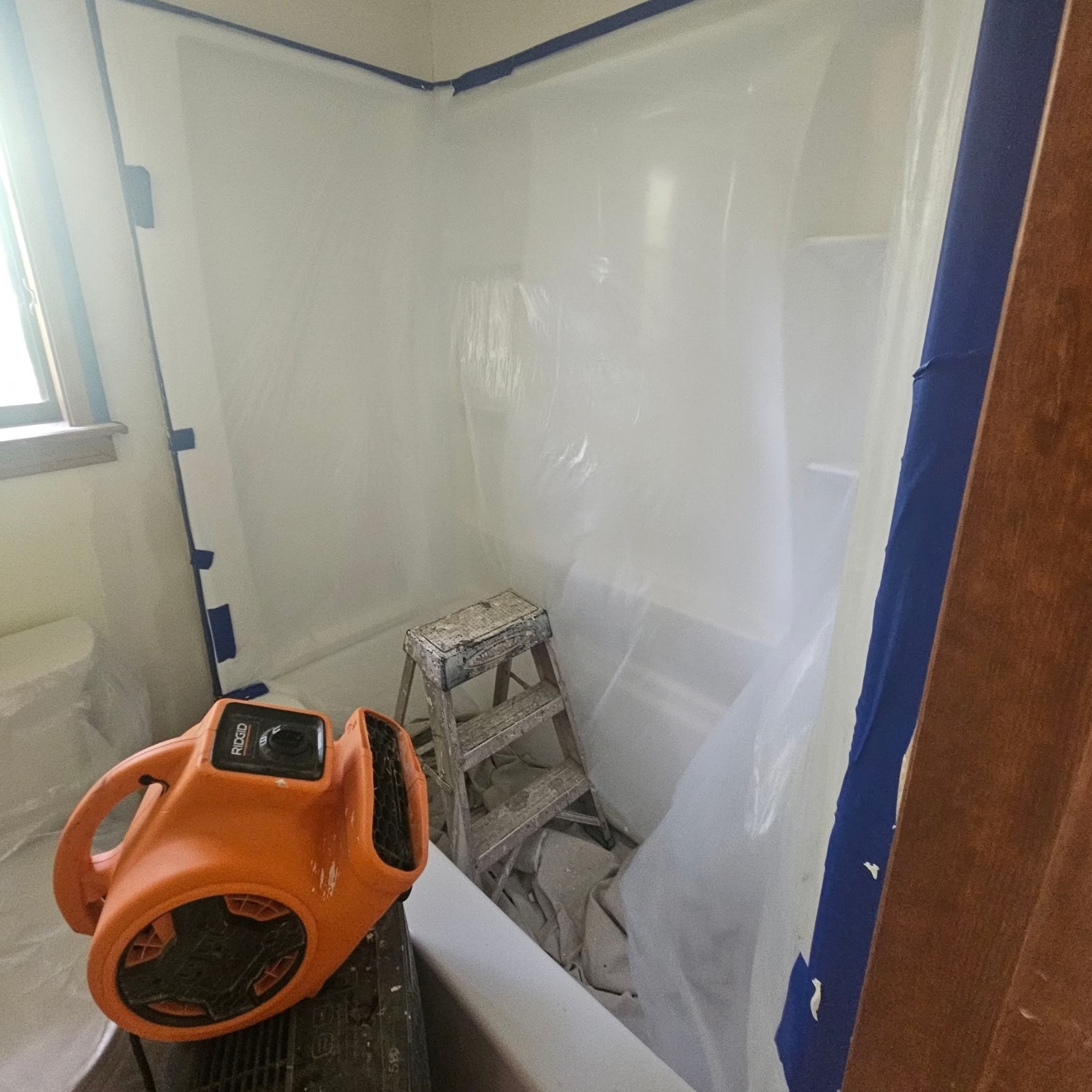
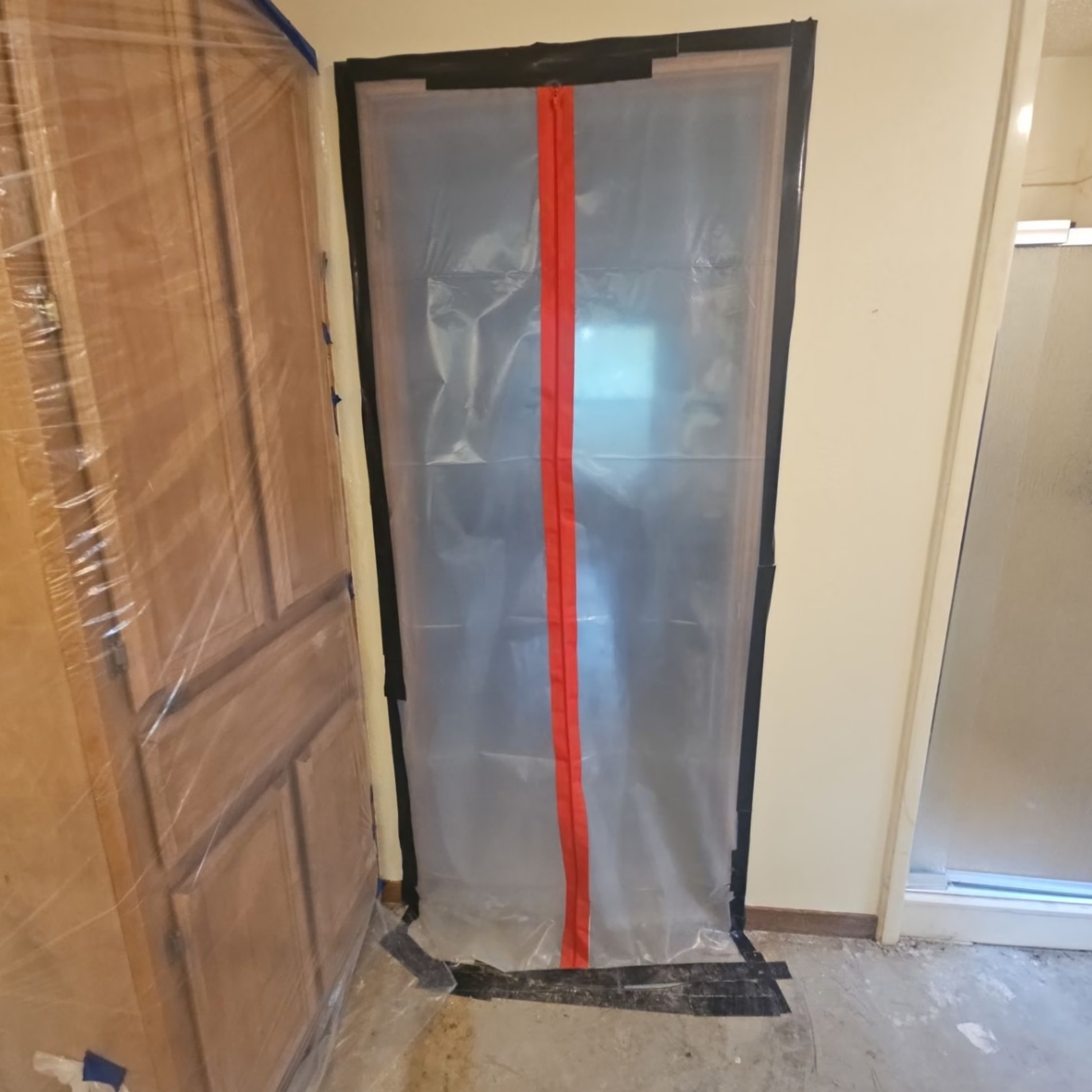
We use dust walls to separate construction activities from surrounding areas of the home.
These temporary barriers help contain dust within the designated construction space. By limiting the movement of airborne particles into neighboring rooms, they help reduce the amount of construction-related cleaning required outside the project area.
Dust barriers also establish a visible distinction between the active construction space and the remaining portions of the house.
Floor Protection
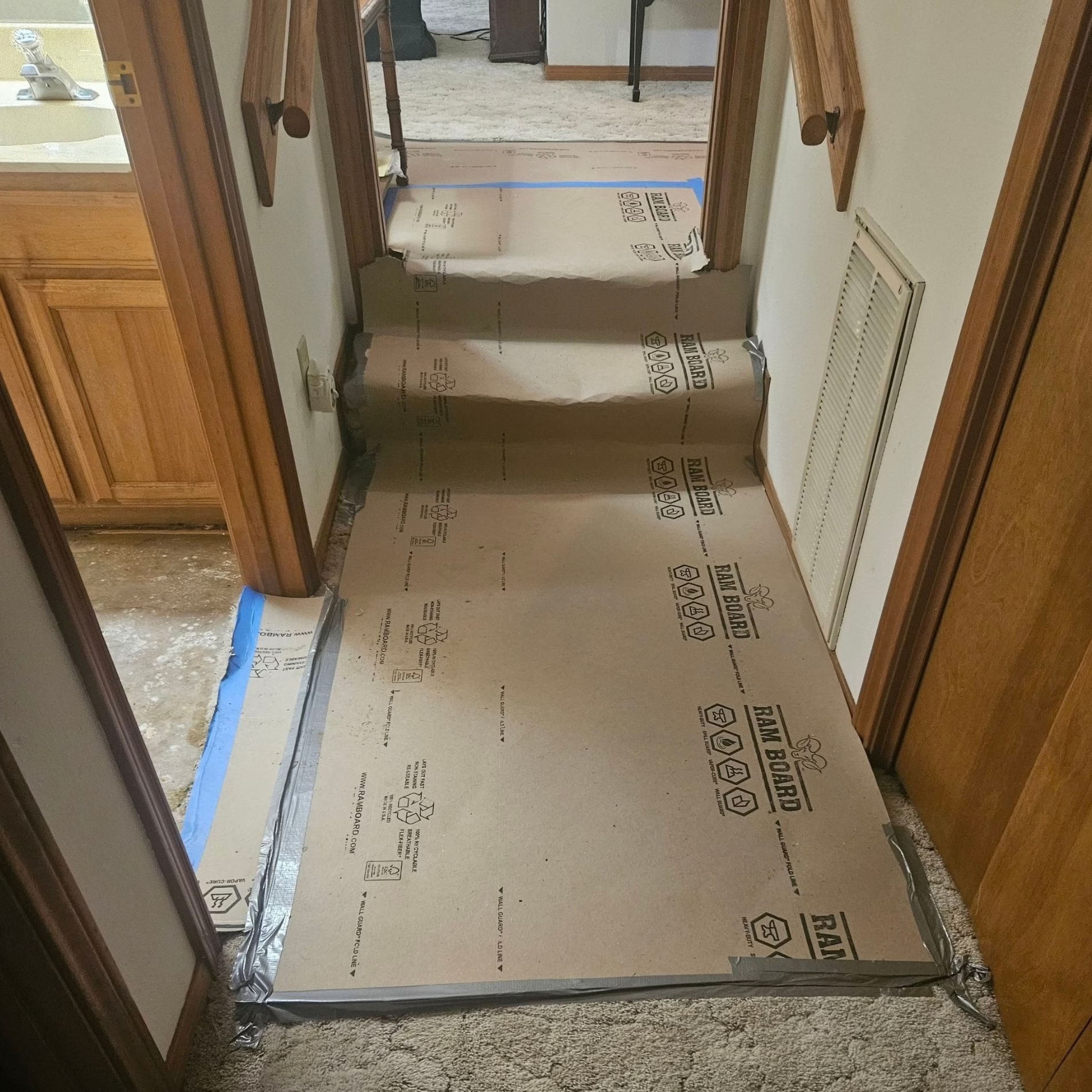
Our construction practices include protecting existing floors.
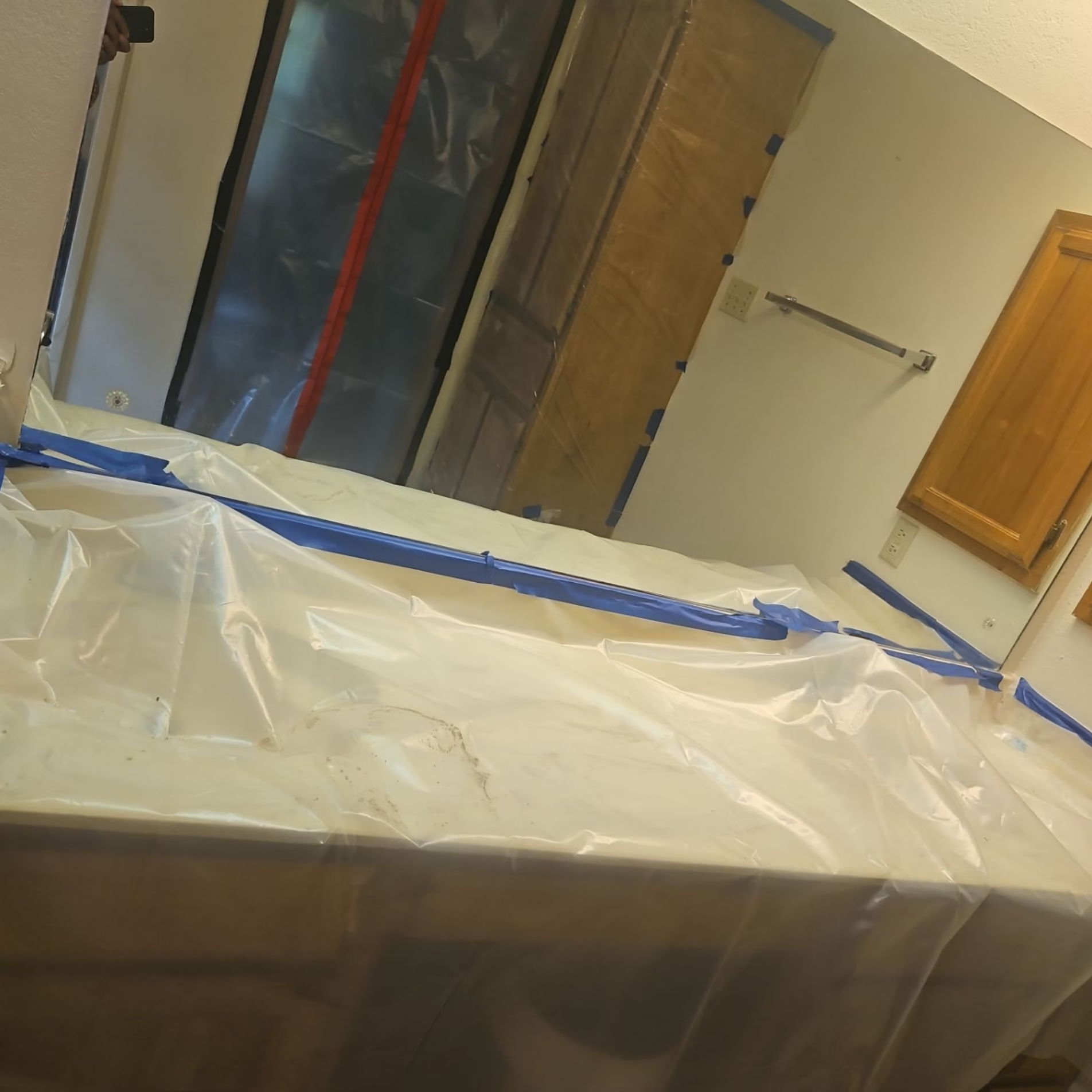
Floor coverings provide a protective surface in areas exposed to construction activities. They help reduce direct contact between existing flooring and the debris or traffic associated with remodeling.
This practice is particularly important when the homeowner intends to retain flooring in areas surrounding the renovation.
Air Scrubbers
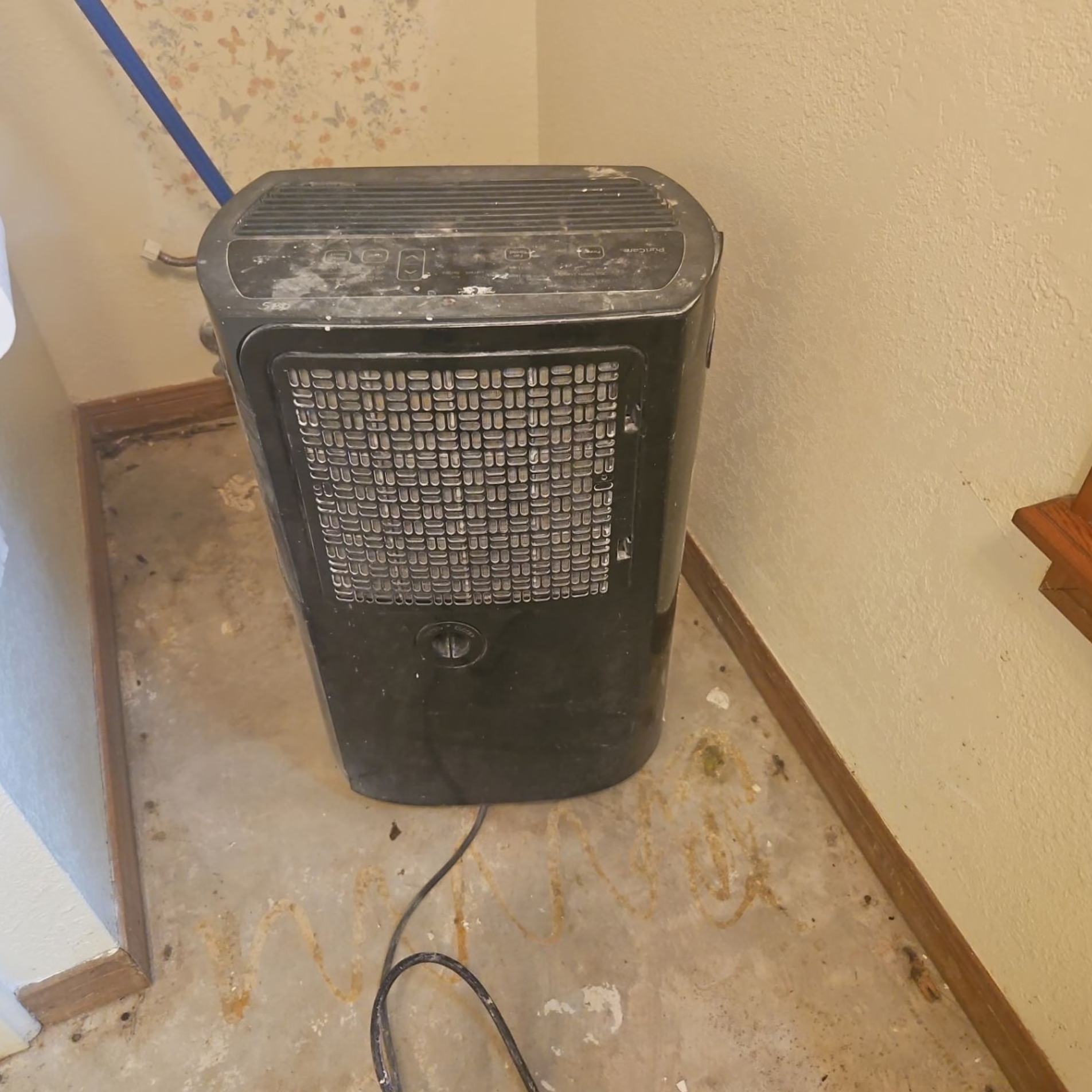
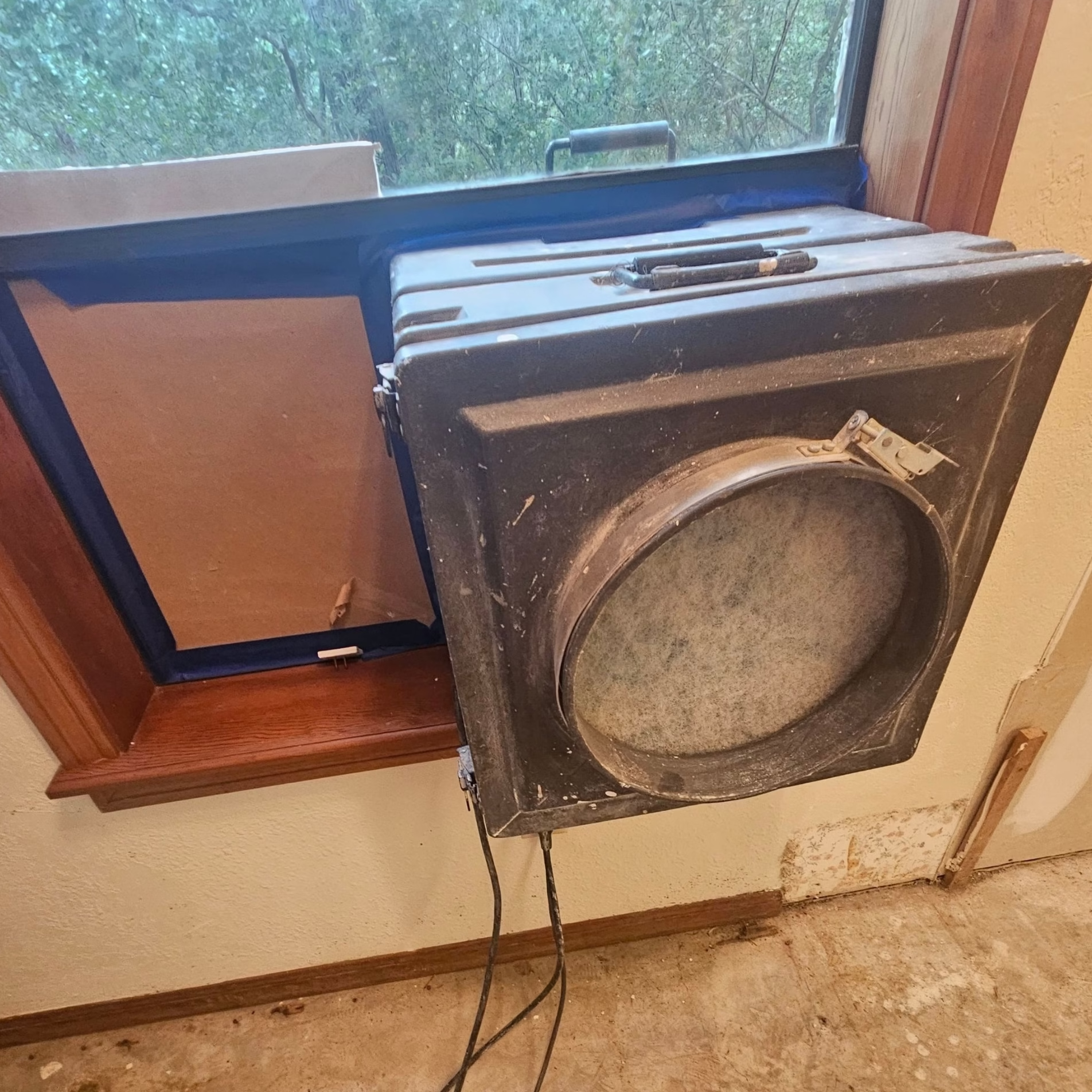
We also use air scrubbers as part of our approach to managing construction dust.
These machines pull air through filtration systems that capture airborne particles. They supplement physical dust barriers by addressing particles that remain suspended in the air.
Air scrubbers can help reduce dust migration into surrounding areas of the house. Their use reflects our commitment to managing the effects of construction on the existing living environment.
Although filtration helps improve dust control, its effectiveness varies according to the equipment and conditions. It should not be interpreted as a guarantee that construction dust or potentially hazardous substances will be completely eliminated.
Professional Conduct
Respect for the home also extends to the behavior of the people working inside it.
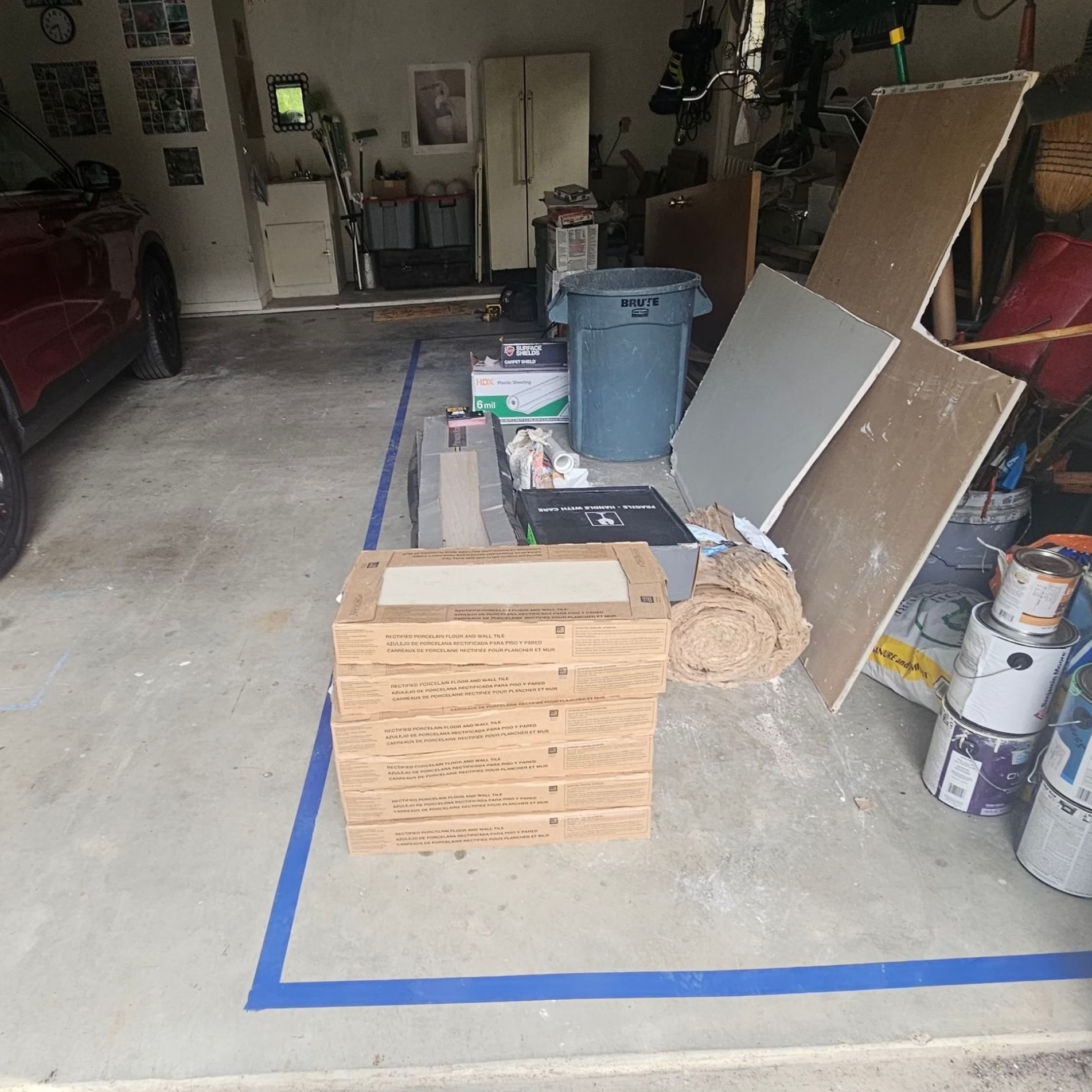
We do not tolerate cursing or raised voices in the homes where we work. These expectations recognize that our construction activities take place in someone’s personal environment. We also go above and beyond to keep all materials and tools not in use neatly organized within a predetermined storage area lined out with tape barriers.
Homeowners should be able to expect professional behavior from the people responsible for their remodeling project. Our goal is to approach construction with the same consideration for the household that informs our initial design conversations.
Frequently Asked Questions
Can I protect my home from dust during remodeling?
Construction dust can be managed through containment and appropriate filtration. Dust barriers help separate the work area from surrounding rooms, while air scrubbers can capture airborne particles and reduce their movement throughout the house.
What is an air scrubber used for during remodeling?
An air scrubber draws air through a filtration system to capture airborne particles. During remodeling, it can supplement physical dust barriers and help reduce the amount of construction dust that travels beyond the immediate work area.
Why do remodelers use floor protection?
Floor protection helps reduce exposure to construction traffic and debris. It is particularly relevant when workers must travel through existing finished spaces to reach the area being remodeled.
Can you live in your home during a remodel?
Whether homeowners can remain in their homes depends on the project’s scope and how construction affects essential living spaces. Homeowners should discuss occupancy expectations and construction-related disruptions with their remodeling company during project planning.
What should I ask a remodeler about protecting my home?
Ask how the company approaches dust containment and the protection of existing finishes. It is also reasonable to discuss expectations for professional conduct and how construction activities may affect the portions of your home that will remain occupied.