
How to Choose the Right Decking Material for Long-Term Performance
A deck is exposed to sun, rain, temperature changes, foot traffic, and everyday use throughout the year. The decking material you choose affects maintenance requirements, appearance, durability, and long-term performance. Understanding the differences between wood, composite, and synthetic decking materials can help homeowners make informed decisions that align with their priorities, budget, and expectations.
Why Choosing the Right Decking Material Is Critical
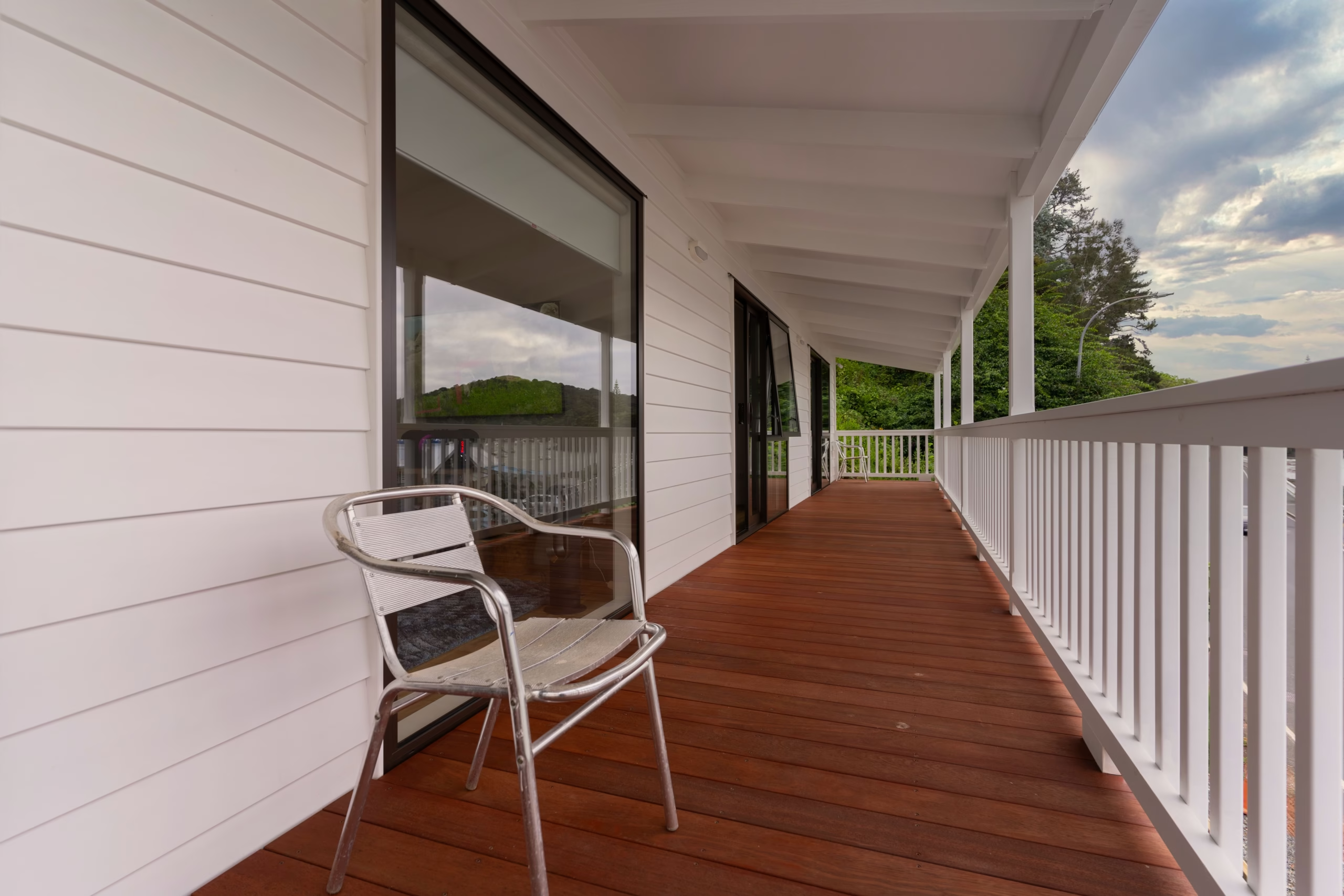
A deck is more than an outdoor platform. It is an extension of the home that must withstand years of weather exposure while remaining safe and functional.
The decking material influences how often maintenance is required, how well the deck resists moisture and insects, how it responds to sunlight, and how it ages over time. Some materials require periodic staining or sealing. Others are designed to reduce maintenance while maintaining a consistent appearance.
Selecting a decking material without understanding these differences can lead to frustration when maintenance demands, appearance changes, or long-term costs do not align with expectations.
Common Mistakes Homeowners Make When Comparing Decking Materials
One of the most common misconceptions is that there is a perfect decking material. Every option involves tradeoffs between cost, maintenance, appearance, sustainability, and longevity.
Another mistake is focusing only on the initial installation cost. A lower upfront investment may require more maintenance over the life of the deck, while a higher initial investment may reduce future upkeep.
Homeowners also sometimes assume that composite decking is completely maintenance-free. While many composite and synthetic products require significantly less maintenance than wood, they still benefit from routine cleaning and can experience weathering over time.
Understanding both the advantages and limitations of each material leads to more realistic expectations and better long-term satisfaction.
High-Level Overview of Common Decking Materials
Pressure-Treated Wood Decking
Pressure-treated wood remains one of the most widely used deck building materials in the United States.
Typically manufactured from Southern Yellow Pine, the wood is treated with preservatives designed to improve resistance to moisture damage and insects. Pressure-treated wood is widely available and often represents the lowest initial cost among decking options.
Over time, exposure to weather can cause boards to fade, crack, twist, or develop surface checking. Regular staining or protective finishes can help maintain appearance and extend service life.
Naturally Resistant Wood Decking
Certain wood species possess natural resistance to decay and insects without requiring chemical treatment.
Cedar and redwood are among the most common examples. These materials offer a natural appearance and weather-resistant properties while avoiding preservative treatments.
Although naturally resistant wood can perform well in many climates, it remains softer than many alternative decking materials. Surface scratches, dents, and weathering may occur more readily, particularly in high-traffic areas.
Exotic Hardwood Decking
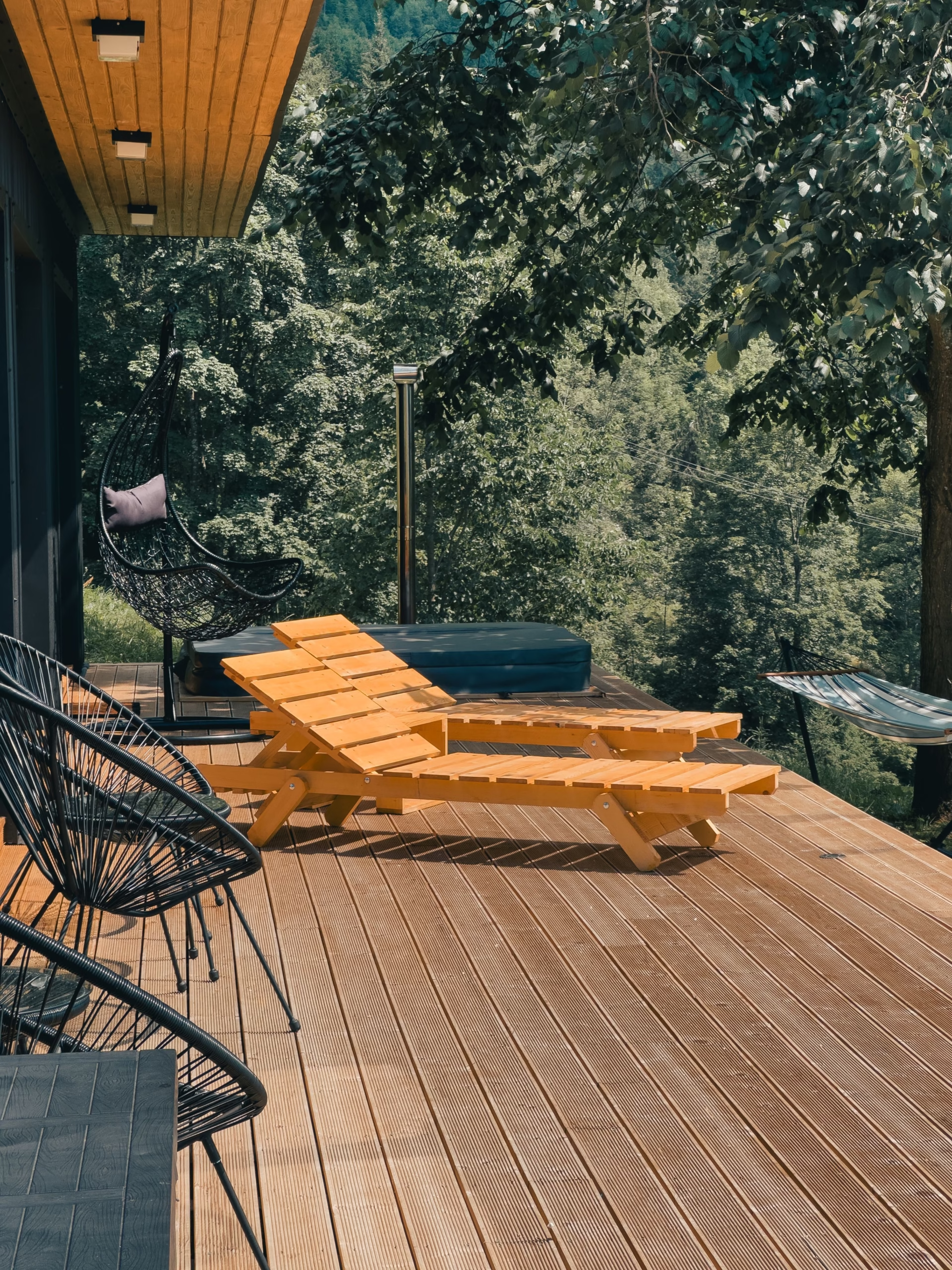
Imported hardwood species are known for their density, durability, and distinctive appearance.
Many exotic hardwoods offer exceptional resistance to insects, moisture, and wear. Their dense structure often results in greater impact resistance than many domestic wood species.
These materials typically feature rich natural colors and unique grain patterns that appeal to homeowners seeking a premium appearance. Over time, most hardwood decking naturally weathers to a silver-gray color if left unfinished.
Because these products are imported, homeowners should consider factors such as availability, cost, transportation impacts, and responsible sourcing when evaluating options.
Thermally Modified Wood
Thermally modified wood undergoes a specialized heating process that alters the wood’s cellular structure.
This process improves dimensional stability and reduces the wood’s ability to absorb moisture. It also creates conditions that are less favorable for fungi, mold, and insect activity.
Unlike pressure-treated wood, thermal modification achieves performance improvements without chemical preservatives. These products typically carry higher costs and may not be readily available through local suppliers.
Composite Decking
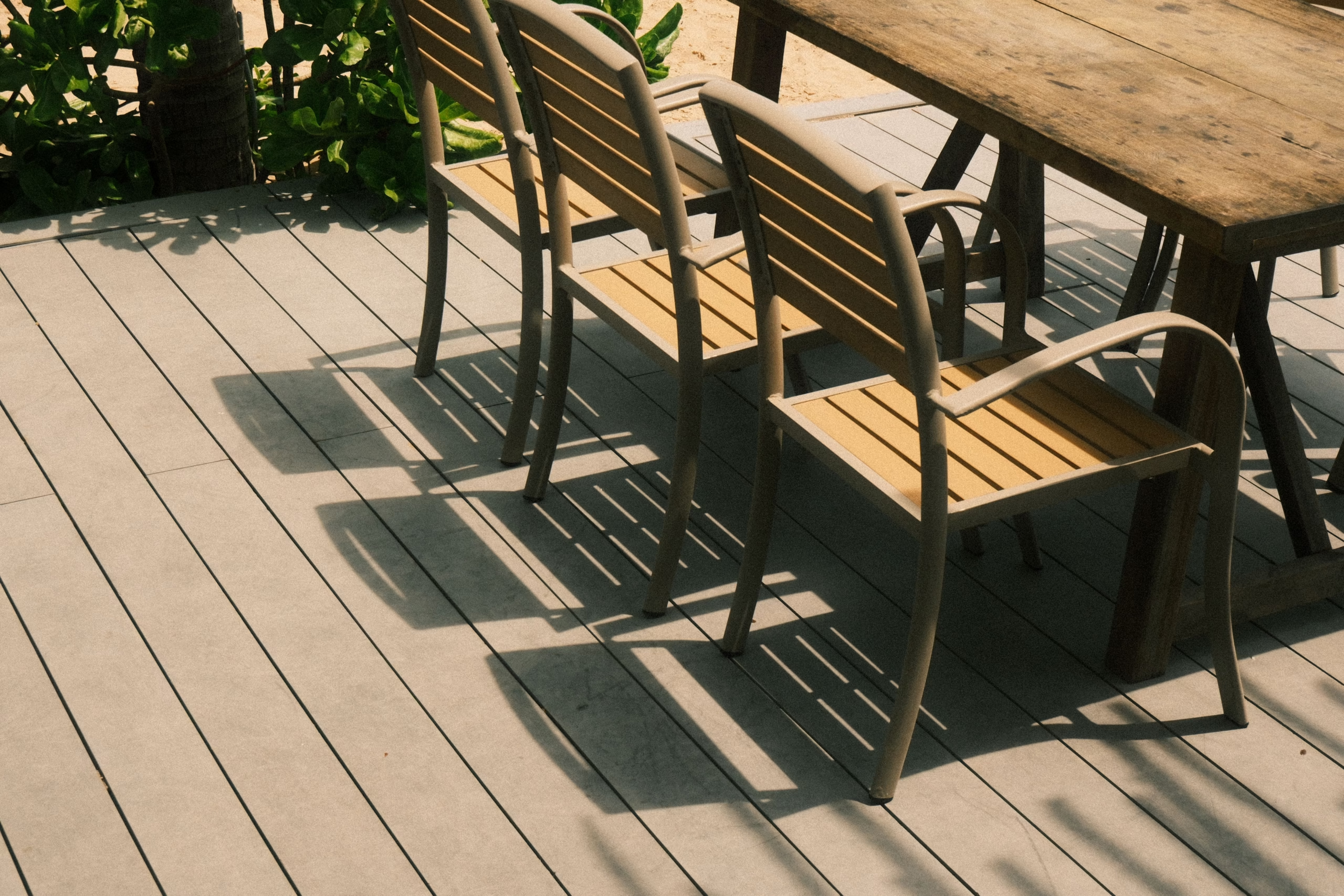
Composite decking combines wood fibers with plastic materials to create boards designed for improved durability and reduced maintenance.
Composite deck boards were developed to address common concerns associated with traditional wood decking, including splintering, frequent refinishing, and insect damage.
Many composite decking products incorporate recycled materials and are available in a wide range of colors and finishes. While they generally require less maintenance than wood decking, some products may still experience fading, staining, mold growth, or surface weathering over time.
PVC and All-Plastic Decking
PVC decking and other synthetic decking products eliminate wood fibers entirely.
Because these materials do not contain organic components, they are highly resistant to moisture-related deterioration, insect activity, and rot. Many products are designed to maintain color consistency while resisting scratches and stains.
PVC decking often appeals to homeowners seeking low maintenance decking solutions. The primary tradeoffs are higher initial cost and an appearance that some homeowners feel differs from natural wood.
Materials and Systems Commonly Used for Deck Construction
When evaluating decking options, it helps to understand how each category generally performs.
| Material Type | Maintenance | Durability | Appearance | Cost Range |
|---|---|---|---|---|
| Pressure-Treated Wood | Higher | Moderate | Natural Wood | Lower |
| Cedar & Redwood | Moderate | Moderate | Natural Wood | Moderate |
| Exotic Hardwood | Lower | Higher | Premium Natural Wood | Higher |
| Thermally Modified Wood | Moderate | High | Natural Wood | Higher |
| Composite Decking | Lower | High | Wood-Look Composite | Mod-High |
| PVC Decking | Very Low | High | Synthetic | High |
No material consistently outperforms every other category. The best choice depends on how the homeowner prioritizes maintenance, aesthetics, longevity, and budget.
How Decking Materials Impact the Longevity of a Deck
The longevity of a deck depends on more than the surface boards alone. Proper design, structural framing, drainage management, ventilation, and installation quality all contribute to long-term performance.
Homeowners researching decking materials often focus on the surface boards, but the structural framing beneath the deck is equally important to long-term performance. The American Wood Council publishes guidance on residential deck construction that explains how framing, connections, and structural design contribute to a safe, durable outdoor living space. Even when comparing wood decking, composite decking, or synthetic decking, it’s helpful to understand that the supporting structure plays a significant role in how well the finished deck performs over time.
That said, the decking material plays a significant role in determining how the deck ages and how much maintenance is required along the way.
Wood decking can provide decades of service when properly maintained, but it typically requires periodic attention to preserve appearance and performance.
Composite decking and synthetic decking products are often selected because they reduce ongoing maintenance demands while offering strong resistance to common environmental challenges.
Understanding these long-term implications helps homeowners choose a material that supports their lifestyle rather than creating ongoing maintenance obligations they did not anticipate.
How Stearns Design Build Helps Homeowners Evaluate Decking Options
Choosing between wood decking, composite decking, and synthetic decking is not simply a material decision. It is a lifestyle decision.
Different homeowners have different priorities. Some value the natural character of wood and are comfortable with regular maintenance. Others prioritize long-term durability and want to minimize upkeep.
Our role is to help homeowners understand the practical implications of each option before construction begins. By evaluating performance expectations, maintenance preferences, appearance goals, and budget considerations early in the planning process, homeowners can make confident decisions that support how they want to use and enjoy their outdoor living spaces.
The goal is not to identify a universally “best” decking material. The goal is to identify the material that best aligns with the homeowner’s expectations and long-term plans.
Frequently Asked Questions
What is the longest-lasting decking material?
Many PVC and synthetic decking products offer exceptional longevity because they are highly resistant to moisture, insects, and rot. Certain exotic hardwoods can also provide very long service lives when properly maintained.
Is composite decking worth the additional cost?
For many homeowners, composite decking is attractive because it reduces maintenance requirements while offering strong durability. Whether it is worth the investment depends on how much value a homeowner places on reduced upkeep over time.
Does wood decking always require maintenance?
Most wood decking benefits from periodic cleaning, staining, sealing, or refinishing. The frequency depends on the species, climate conditions, and desired appearance.
Does composite decking fade over time?
Many modern composite products are designed to resist fading, but some degree of weathering can still occur depending on sun exposure, product quality, and environmental conditions.
Can older homes support modern composite decking?
In many cases, yes. However, existing framing and structural components should be evaluated to ensure they are suitable for the selected decking system and comply with current building requirements.