
How Exterior Window Shading Reduces Heat Gain and Improves Home Energy Efficiency
Windows bring natural light into a home, but they can also become one of the largest sources of unwanted heat gain during the Texas summer. Exterior window shading works by limiting direct sunlight before it reaches the glass, helping reduce indoor temperatures and easing the workload placed on your cooling system. When integrated into home design, shading strategies can improve comfort while supporting long-term energy efficiency.
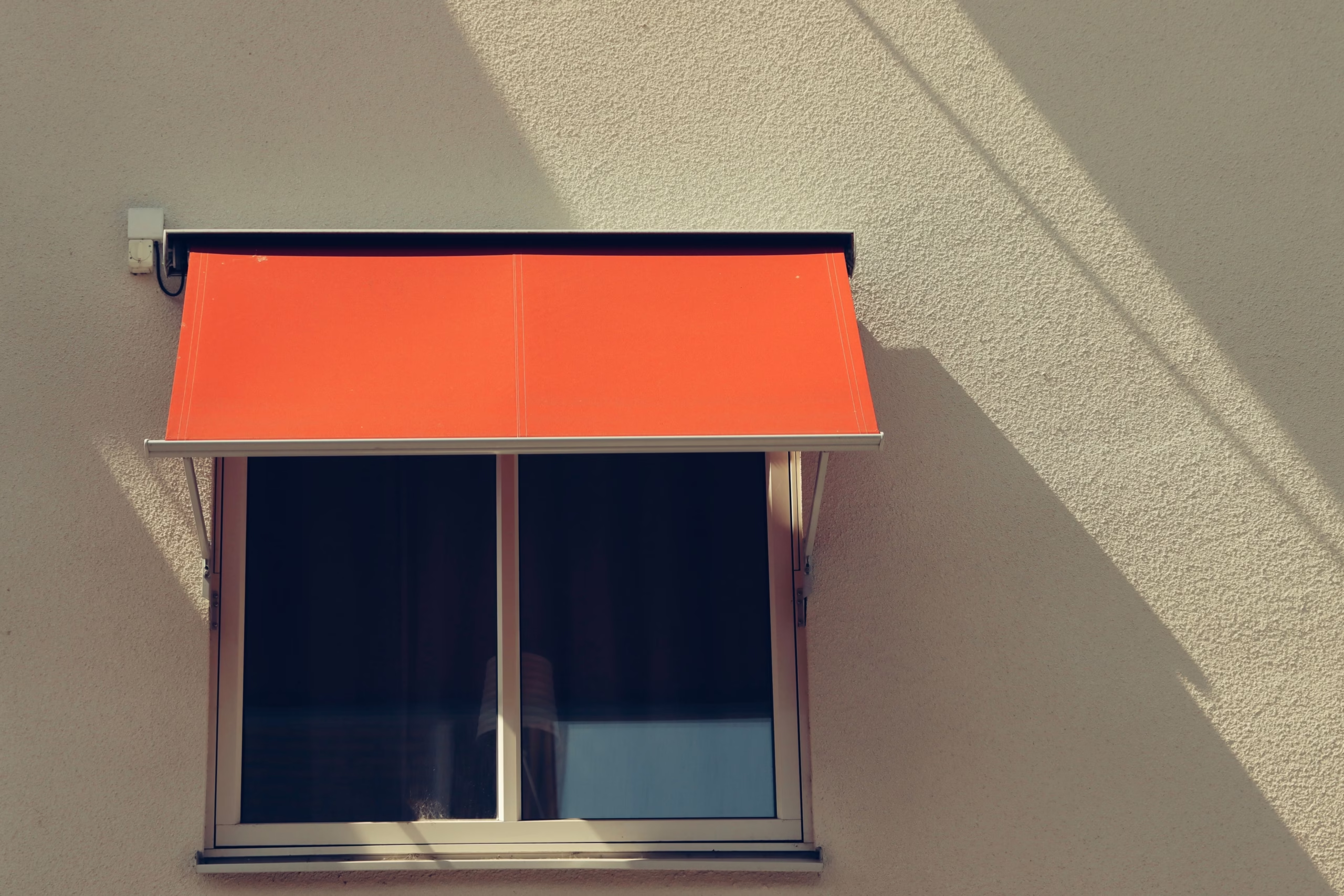
Why Exterior Window Shading Is Critical
Sunlight entering through windows carries solar heat that quickly warms interior spaces. Homes with large areas of east-, west-, or south-facing glass often experience uneven temperatures throughout the day, making certain rooms uncomfortable while increasing cooling costs.
Reducing heat gain before it enters the home is generally more effective than trying to remove that heat afterward through air conditioning. Exterior shading creates a barrier between the sun and the window, allowing natural daylight to enter while reducing excessive solar energy.
Beyond energy savings, thoughtful shading strategies can improve visual comfort by reducing glare and protecting flooring, furniture, and finishes from prolonged UV exposure.
Common Factors That Increase Heat Gain
Many homeowners notice certain rooms becoming significantly warmer than others without realizing that window orientation is often the cause.
East-facing windows receive direct morning sunlight, while west-facing windows experience intense afternoon heat during the hottest part of the day. South-facing windows receive consistent sun exposure throughout much of the year.
Without exterior protection, these windows allow large amounts of radiant heat into the home, causing indoor temperatures to rise and making HVAC systems work harder to maintain comfort.
Homes with minimal landscaping or little architectural shading often experience even greater heat gain during the summer months.
High-Level Overview of Effective Exterior Window Shading
Reducing solar heat gain typically involves several complementary design strategies working together.
Architectural Overhangs
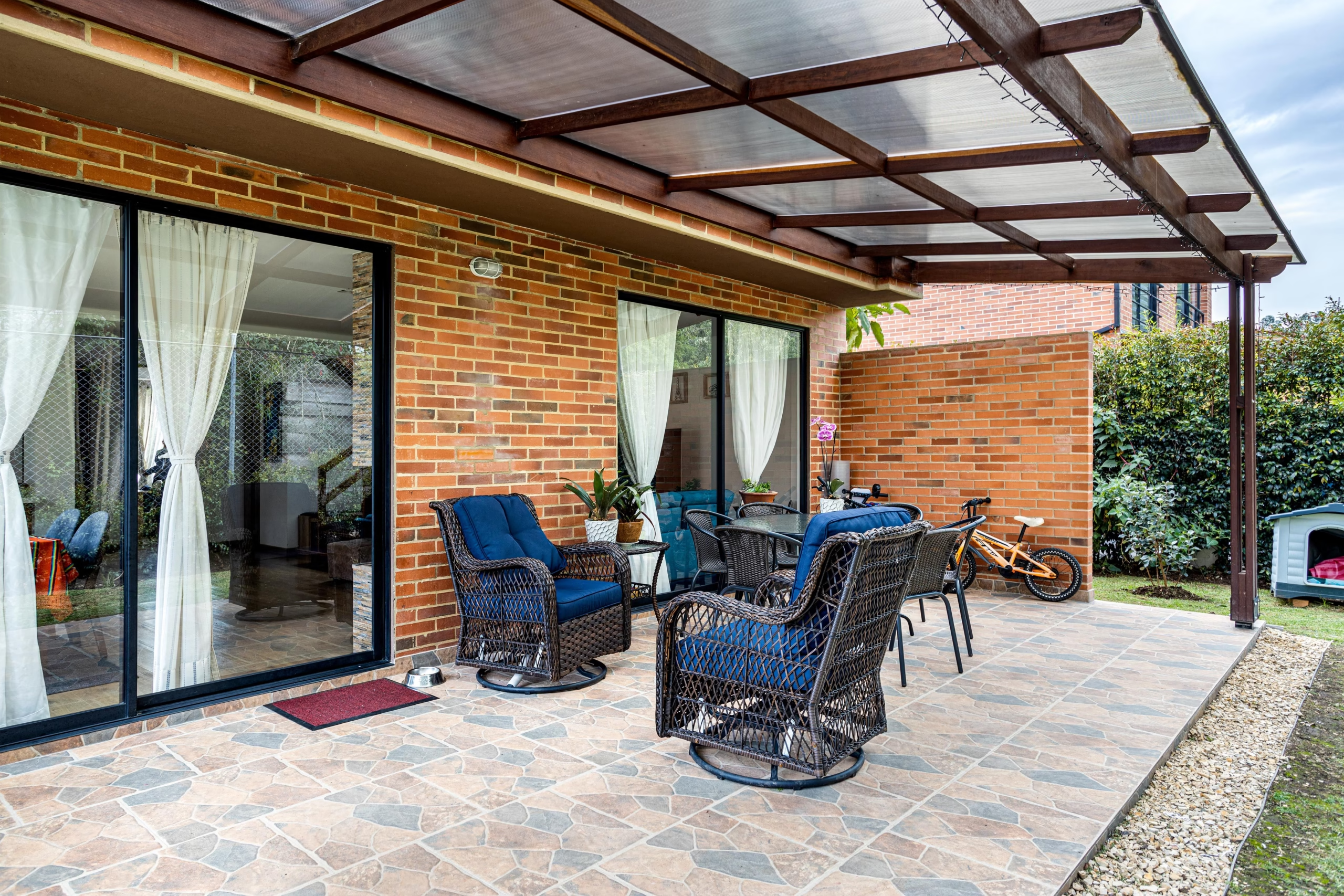
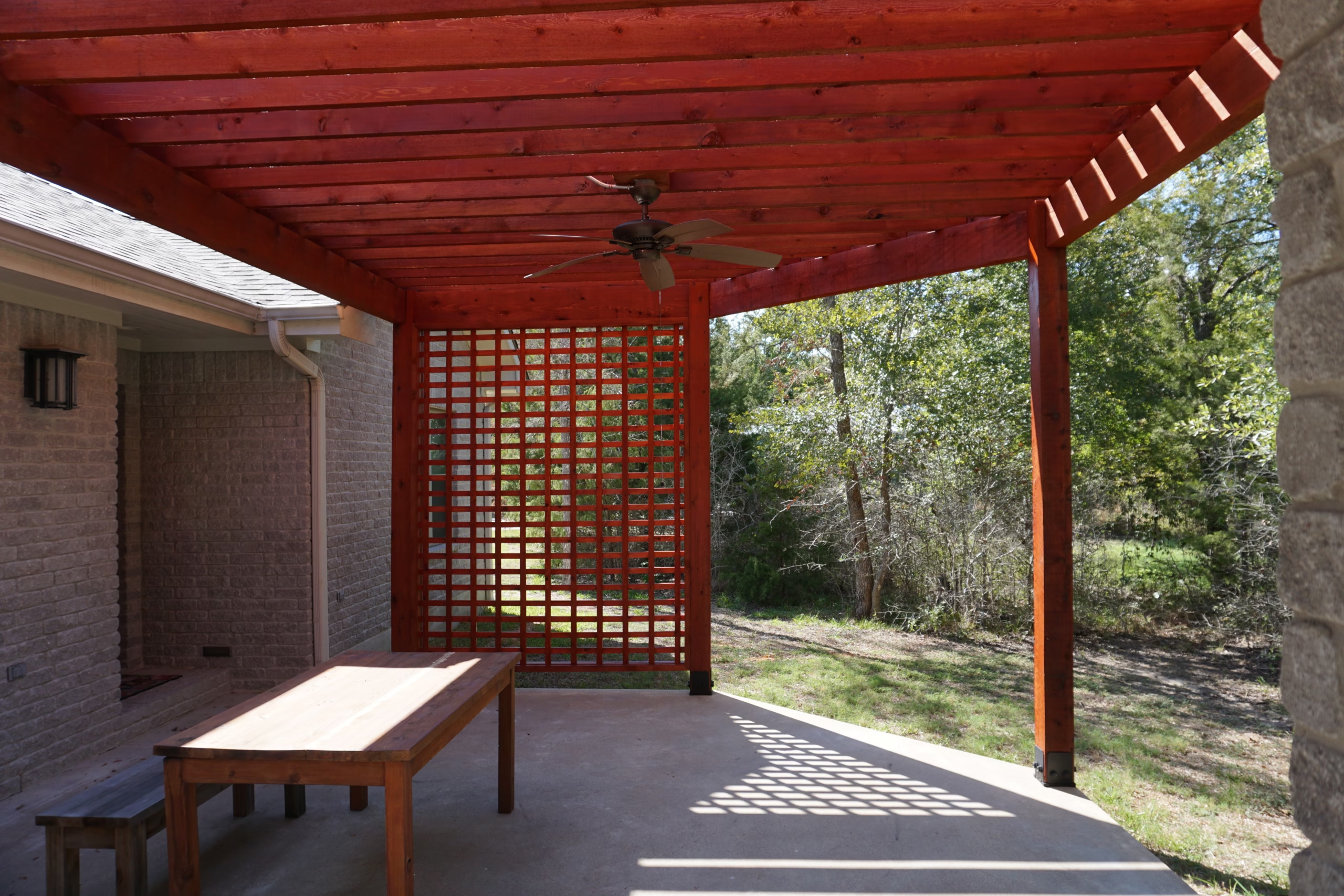
Roof overhangs and covered porches can shade windows during periods of high summer sun while still allowing beneficial winter sunlight to enter the home. Properly integrated overhangs also add visual depth and character to the exterior architecture.

Exterior Awnings and Shade Structures
Awnings and other exterior shading elements provide another layer of protection by intercepting sunlight before it reaches the window. These systems can improve comfort while creating inviting outdoor gathering areas.
Landscape Planning
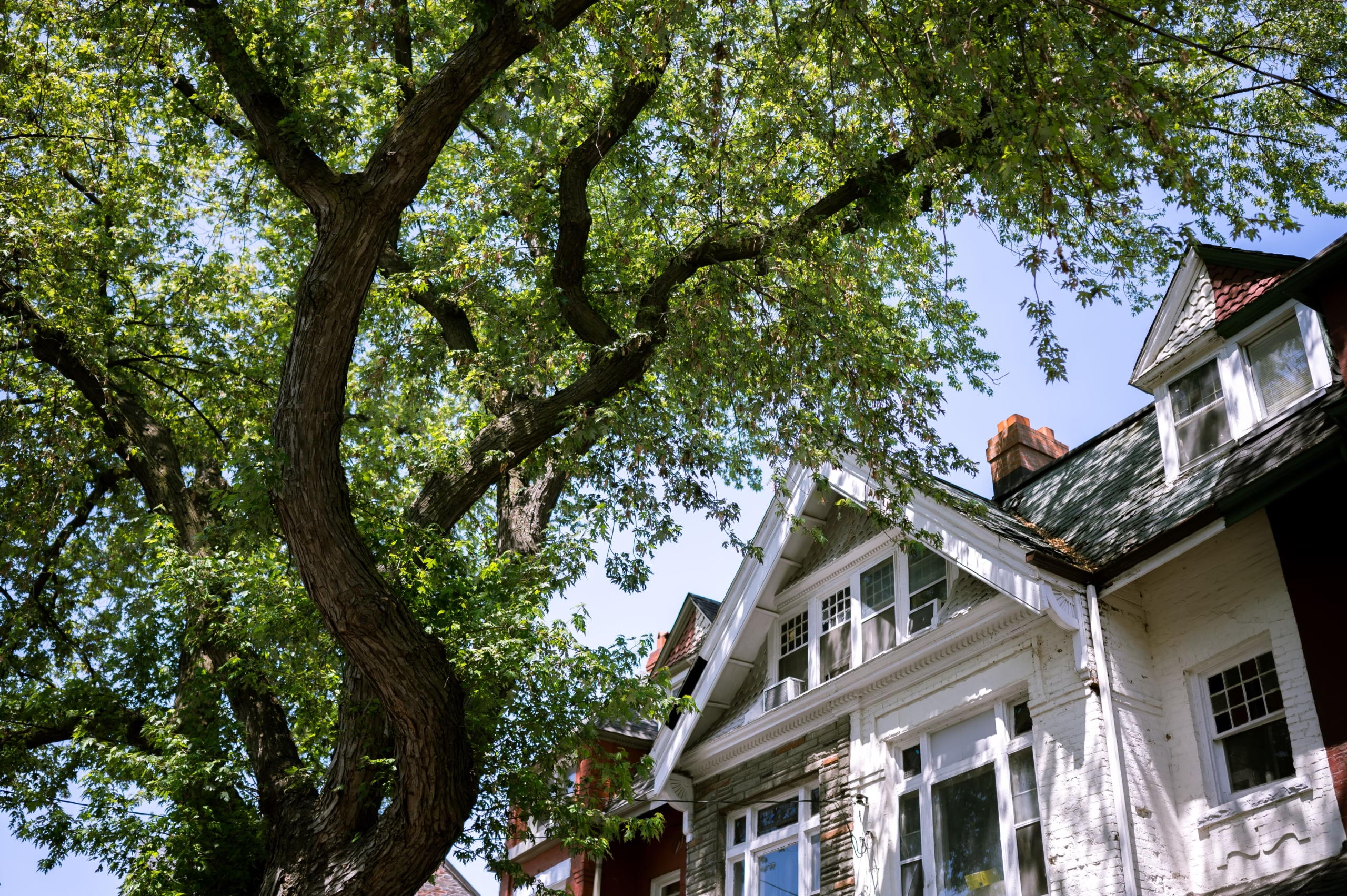
Trees and landscape features can provide natural shade that evolves with the home over time. Strategic placement allows landscaping to become part of the home’s overall energy performance rather than simply decorative elements.
Window Orientation During Design
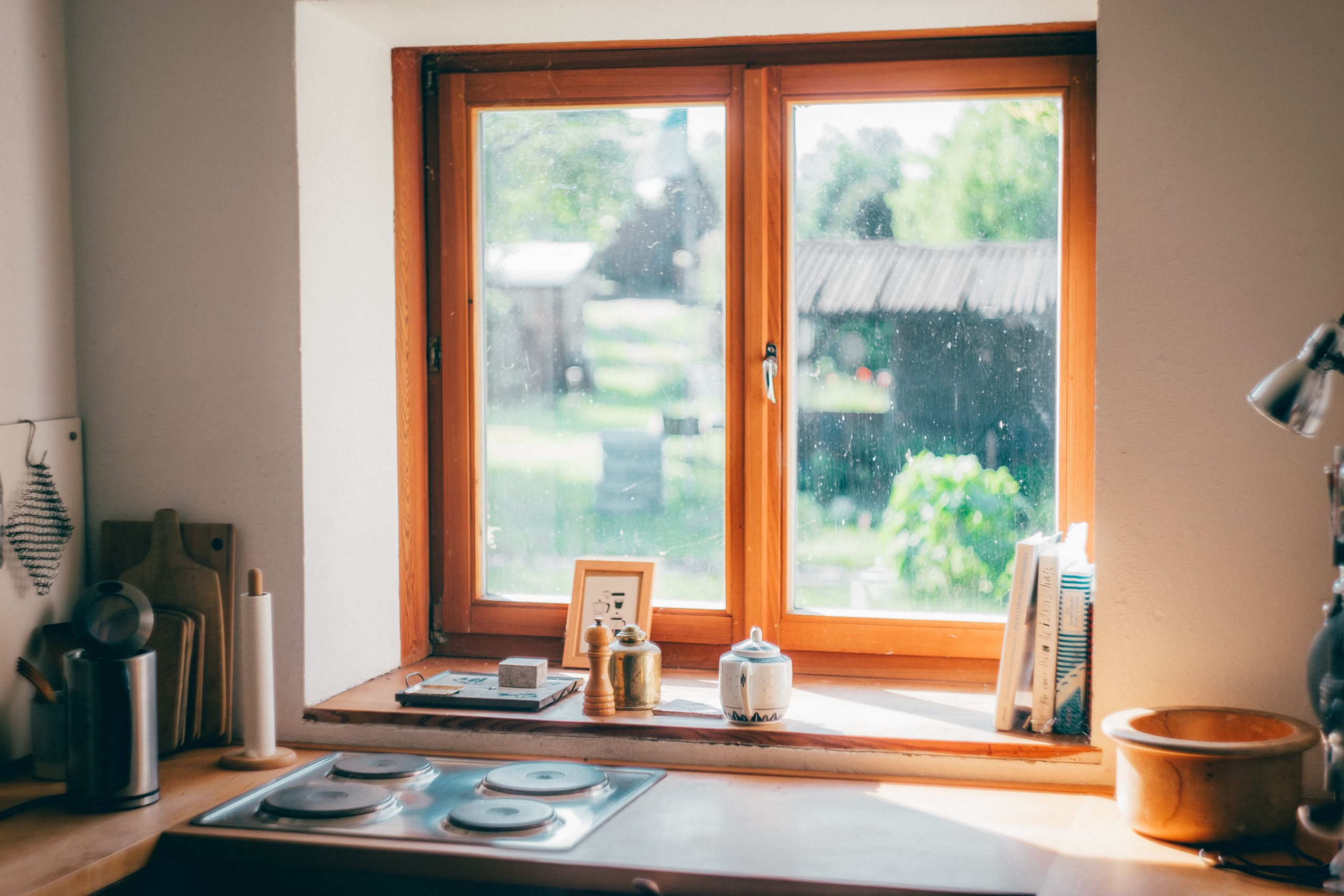
When planning additions or major remodels, window placement can be optimized alongside shading strategies to balance daylight, views, and seasonal energy performance.
Materials and Natural Systems Commonly Used
Exterior window shading can be achieved through both built architectural features and carefully planned landscaping.
Roof overhangs, pergolas, covered patios, and awnings create permanent shade while enhancing the home’s appearance. These features often serve double duty by expanding usable outdoor living areas.
Nature also provides an effective passive cooling solution. Deciduous trees planted along the south side of a home provide shade during the summer while allowing sunlight to pass through bare branches during the winter after leaves have fallen. This seasonal cycle helps balance comfort throughout the year.
Evergreen trees and dense landscaping along the east and west sides of the home provide year-round protection from low-angle morning and afternoon sun, which can contribute significant heat gain during warmer months.
Selecting tree species that are native to the Brazos Valley helps ensure they are well suited to local climate conditions while requiring less maintenance over time.
How Exterior Window Shading Impacts the Longevity of a Remodel
Energy-efficient remodeling is about more than insulation and HVAC equipment. The way a home interacts with sunlight has a lasting impact on comfort, operating costs, and long-term durability.
Exterior window shading reduces temperature swings inside the home, helps cooling systems operate more efficiently, and minimizes prolonged UV exposure that can fade flooring, cabinetry, and furnishings.
These passive design strategies continue working every day without requiring additional energy consumption, making them a valuable long-term investment that supports both home performance and quality of life.
How Stearns Design Build Incorporates Exterior Window Shading
At Stearns Design Build, energy efficiency begins with understanding how a home interacts with its surrounding environment.
During the design process, window placement, roof geometry, outdoor living spaces, and landscape opportunities are evaluated together rather than as separate decisions. This holistic approach allows architectural features and natural shading elements to complement one another while supporting the way the home will be used throughout the year.
The goal is not simply to reduce utility costs. It is to create spaces that remain comfortable, functional, and connected to the outdoors while supporting long-term performance.
Frequently Asked Questions
Does exterior window shading really lower cooling costs?
Exterior shading helps reduce the amount of solar heat entering a home, allowing air conditioning systems to operate more efficiently during warm weather.
Are trees an effective way to improve energy efficiency?
Yes. Properly placed shade trees can reduce direct sunlight on windows and exterior walls, helping lower heat gain while improving outdoor comfort.
Why are deciduous trees recommended on the south side of a home?
Deciduous trees provide shade during the summer but lose their leaves in winter, allowing beneficial sunlight to warm the home during cooler months.
Can exterior shading be added during a remodeling project?
Yes. According to the U.S. Department of Energy, exterior shading devices such as awnings can significantly reduce the amount of solar heat entering a home because they block sunlight before it reaches the window glass. This passive design strategy can improve comfort while reducing the demand placed on air conditioning systems.
Is exterior shading more effective than interior blinds?
Interior blinds help reduce glare but do not stop heat from entering through the glass. Exterior shading blocks much of the solar energy before it reaches the window, making it a more effective passive cooling strategy.