How Everyday Habits Affect Home Energy Efficiency and Utility Costs
Most homeowners think about energy efficiency when utility bills climb or it’s time to replace a major system. In reality, the way you use your home every day has a meaningful impact on how much energy it consumes. From adjusting the thermostat to running appliances or leaving electronics plugged in, small decisions add up over time. Understanding where energy is used and how daily habits influence those systems can help you make informed choices that support both comfort and long-term efficiency.
Why Homeowner Habits Matter for Energy Efficiency
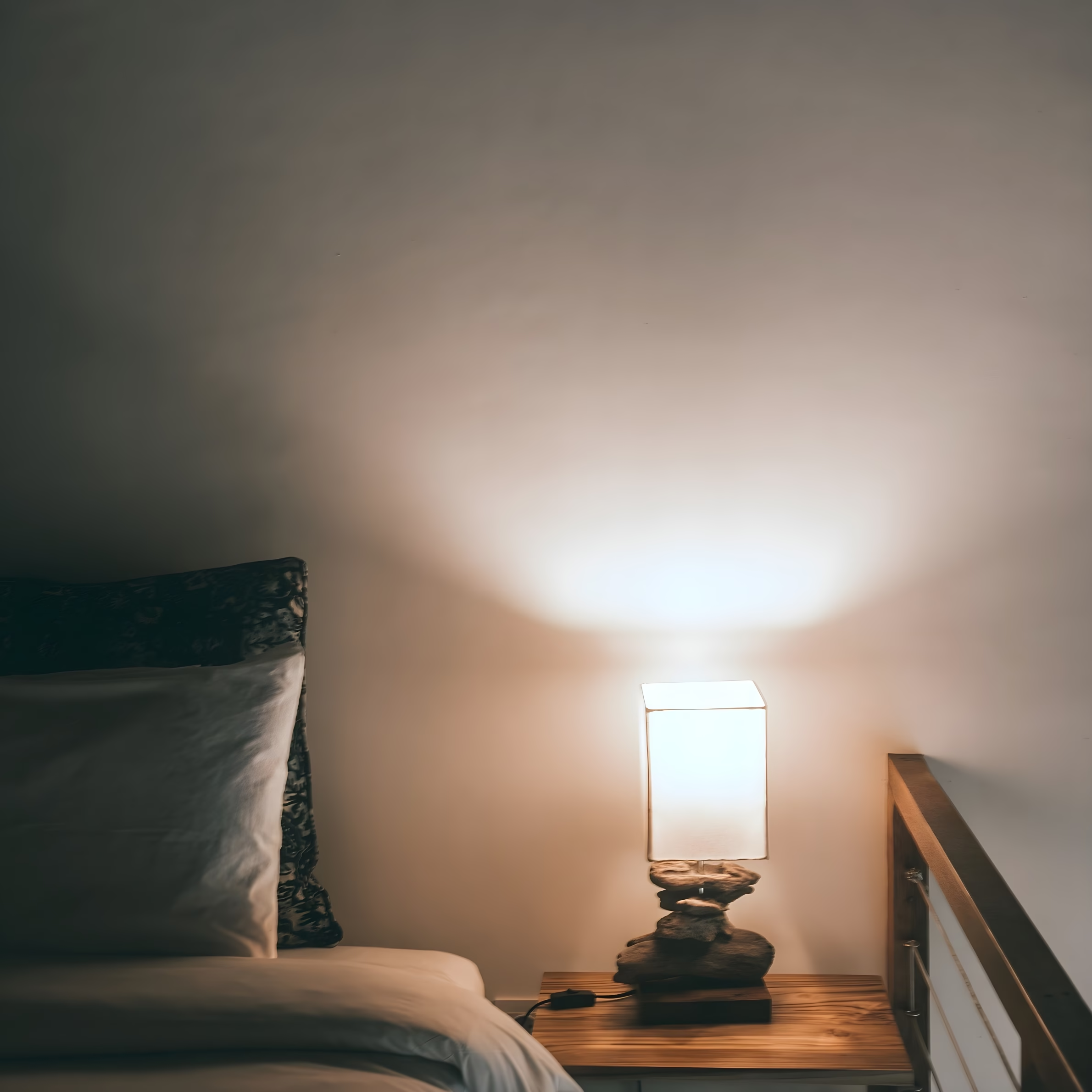
A well-designed home creates opportunities for efficient living, but the people living inside the home ultimately determine how much of that potential is realized. Even homes built with quality insulation, efficient windows, and modern mechanical systems can consume more energy than necessary if everyday habits work against those features.
That doesn’t mean homeowners need to rethink everything they do. Many of the habits that improve energy efficiency are small adjustments that become part of a normal routine. Choosing when to run appliances, paying attention to heating and cooling settings, or reducing unnecessary electricity use may seem minor on their own, but together they can make a noticeable difference over the course of a year.
It’s also helpful to remember that energy efficiency isn’t only about lowering utility bills. Reducing unnecessary strain on heating and cooling equipment, water heaters, and household appliances can contribute to longer equipment life and more consistent performance. A home that operates efficiently is often a more comfortable home as well.
Where the Average Home Uses the Most Energy
Not every part of a home uses energy equally. Understanding where the largest demands occur helps homeowners focus their attention on the habits that are likely to have the greatest impact.
According to Green Logic’s breakdown of typical residential energy use, heating and cooling account for the largest share of household energy consumption. Water heating follows, with appliances, lighting, electronics, and other plugged-in devices making up the remaining portion.
While many homeowners naturally focus on replacing large mechanical systems, everyday habits influence each of these categories more than many people realize. Electronics that remain plugged in, inefficient appliance use, unnecessary hot water consumption, and thermostat settings all contribute to how efficiently a home operates. Looking at the home as a complete system, rather than focusing on a single appliance or monthly utility bill, provides a clearer picture of where meaningful improvements can be made.
The four areas below represent some of the biggest opportunities for homeowners to reduce unnecessary energy use without making major changes to their home.
Common Habits That Increase Energy Waste
Many conversations about energy efficiency focus on upgrading equipment, adding insulation, or replacing windows. Those improvements can certainly make a difference, but they work best when paired with thoughtful day-to-day habits. A high-efficiency home still relies on the people living in it to use its systems wisely.
These are four areas where small changes in routine can help reduce unnecessary energy use while supporting the long-term performance of your home’s mechanical systems.
Plug Loads and Phantom Power
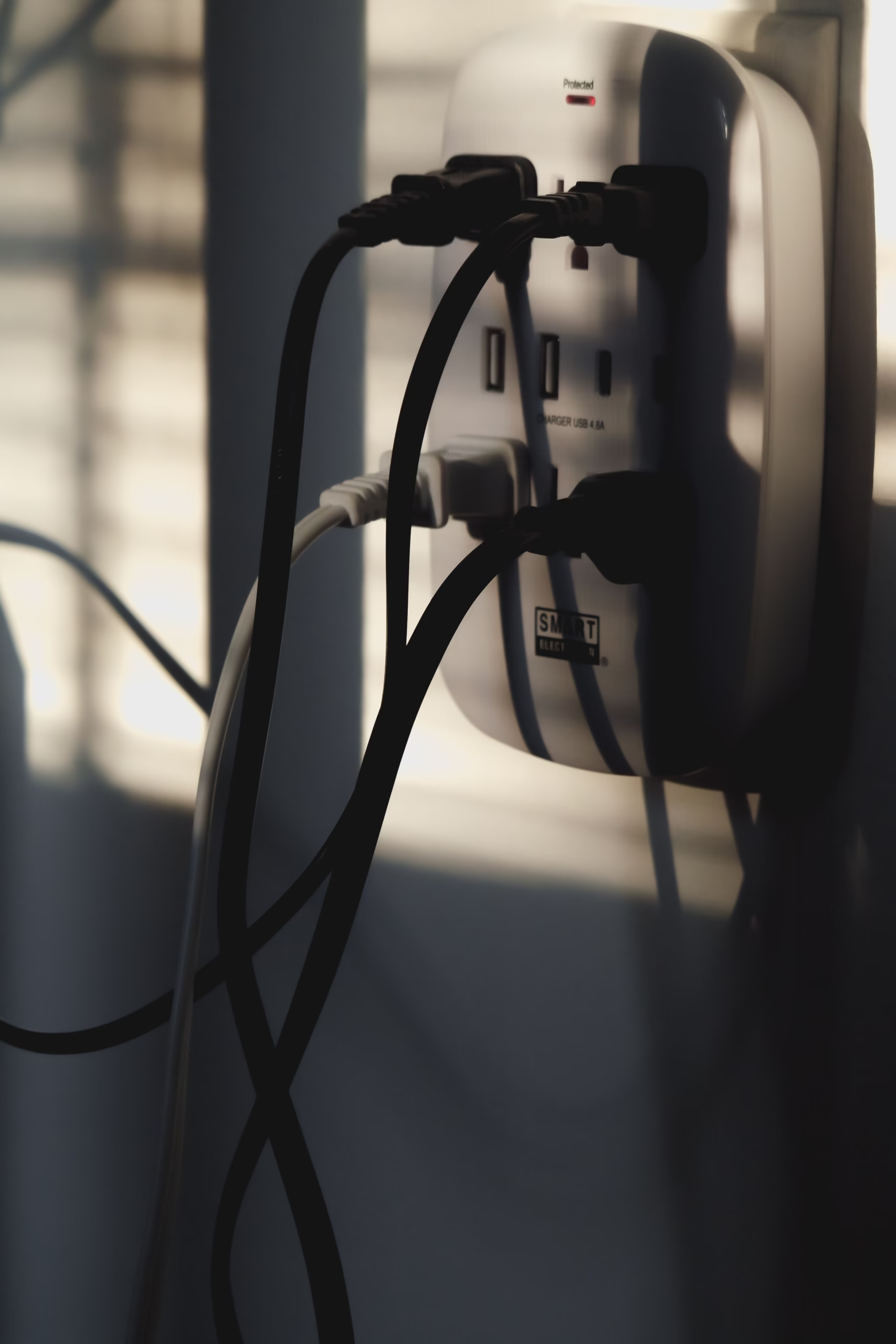
Electronics and other plugged-in devices account for a surprisingly large portion of a home’s annual energy use. Even when they appear to be turned off, many televisions, computers, gaming systems, chargers, printers, and kitchen appliances continue drawing small amounts of electricity while waiting in standby mode. This ongoing consumption is commonly called phantom power or a phantom load.
Individually, these devices use very little electricity. Across an entire home, however, dozens of small standby loads operating around the clock can add up over the course of a year.
One simple way to reduce this unnecessary energy use is to unplug devices that aren’t used regularly or connect groups of electronics to a power strip that can be switched off when they’re no longer needed. These small adjustments don’t require any remodeling or new equipment, but they can help eliminate electricity that’s being consumed without providing any benefit.
Smarter Appliance Use
Household appliances represent another significant portion of a home’s annual energy use. Purchasing ENERGY STAR® certified appliances when replacement becomes necessary is one way to improve efficiency, but the way existing appliances are used often has just as much influence on monthly utility bills.
Laundry is a good example. Washing most clothing in cold water reduces the amount of energy required to heat water while still providing effective cleaning for many everyday loads. Selecting the correct load size also prevents unnecessary water use.
Dishwashers operate most efficiently when they are run with full loads instead of several partial loads throughout the week. Choosing an economy cycle when available and allowing dishes to air dry instead of using the heated drying cycle can further reduce energy consumption.
Cooking habits can also influence overall efficiency. During warmer months, countertop appliances such as slow cookers or electric griddles often produce less heat than a conventional oven. That means your air conditioning system has less excess heat to remove from the home while meals are being prepared.
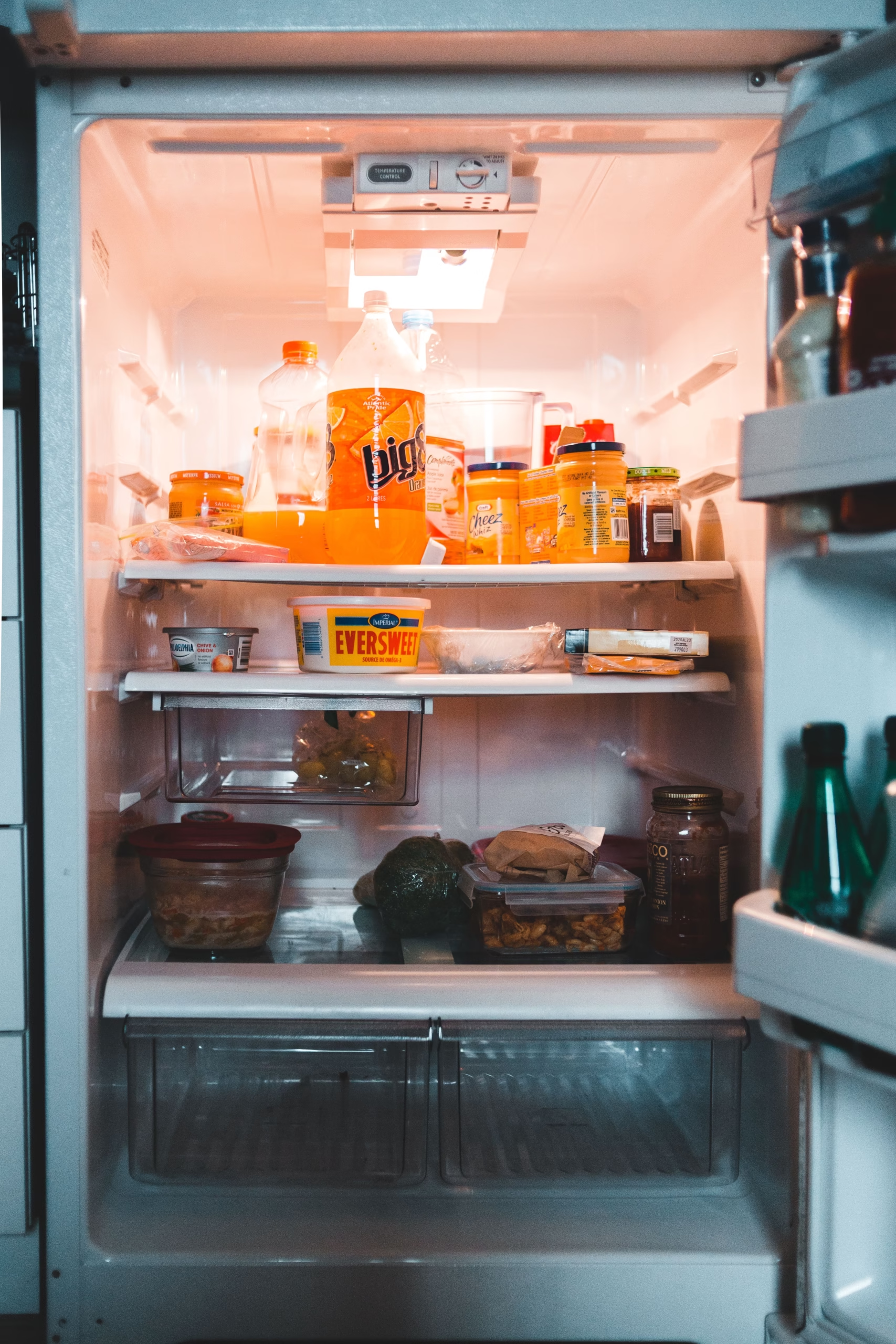
Even small habits, such as limiting the amount of time refrigerator and freezer doors remain open, help appliances maintain their temperature more efficiently and reduce unnecessary cycling.
Conserving Hot Water
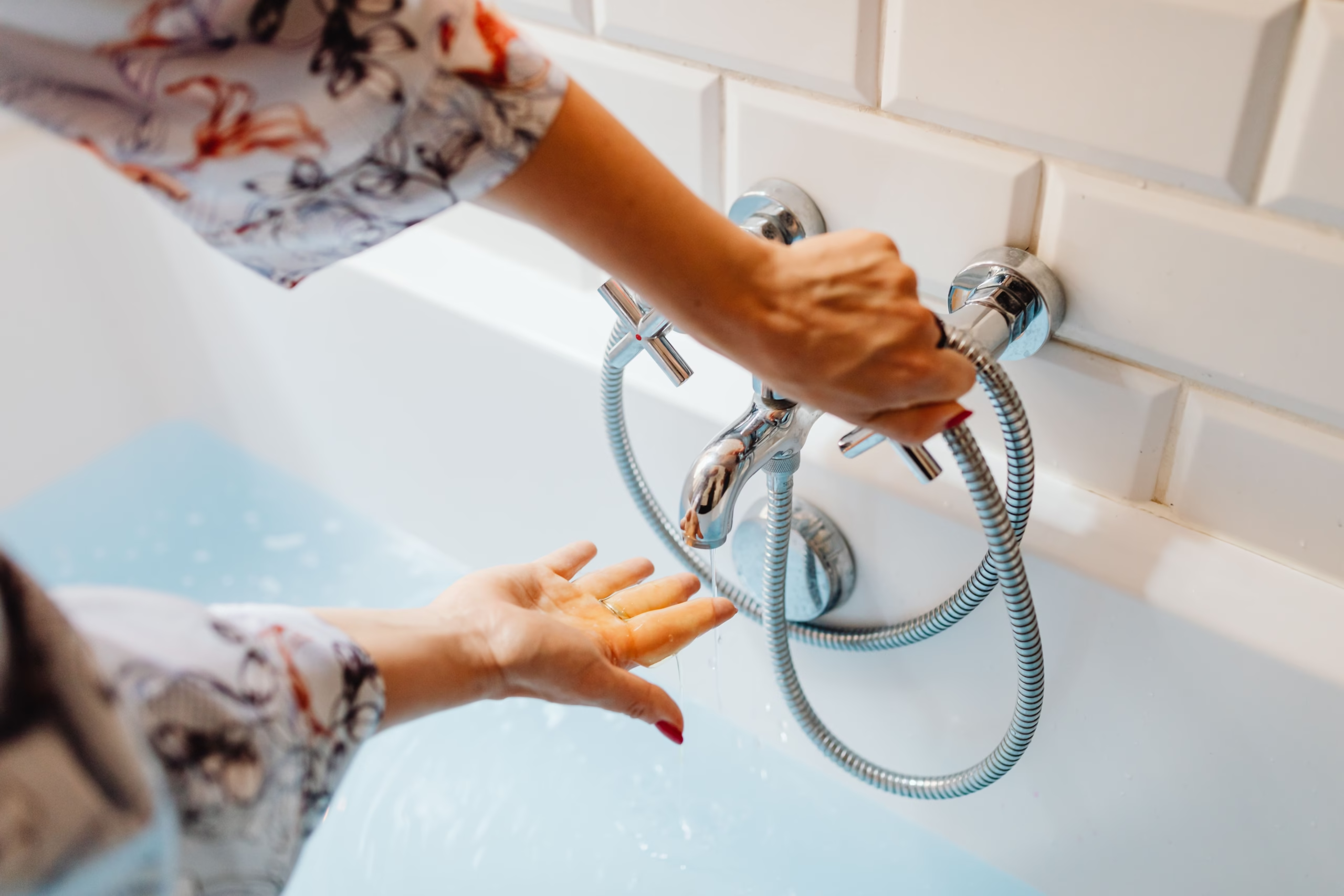
Water heating is one of the largest energy users in most homes because it combines both water consumption and the energy required to heat it. As a result, using less hot water often reduces two household expenses at the same time.
Many opportunities to conserve hot water are tied to routines that already happen every day. Slightly shorter showers, washing clothing in cold water whenever appropriate, and waiting until the dishwasher is full before running a cycle can all reduce the demand placed on the water heater.
For homeowners planning larger improvements, it may also be worth evaluating the type of water heater serving the home. Traditional storage tank water heaters continually maintain a reservoir of heated water, while tankless systems heat water only when it is needed. Depending on the home and the household’s usage patterns, one system may offer greater efficiency than another.
Water conservation has become an increasingly important topic throughout Texas, making efficient water use beneficial for both energy savings and responsible resource management.
Heating and Cooling Habits
Heating and cooling typically represent the largest portion of a home’s annual energy use, making them one of the most important areas to evaluate when looking for opportunities to improve efficiency.
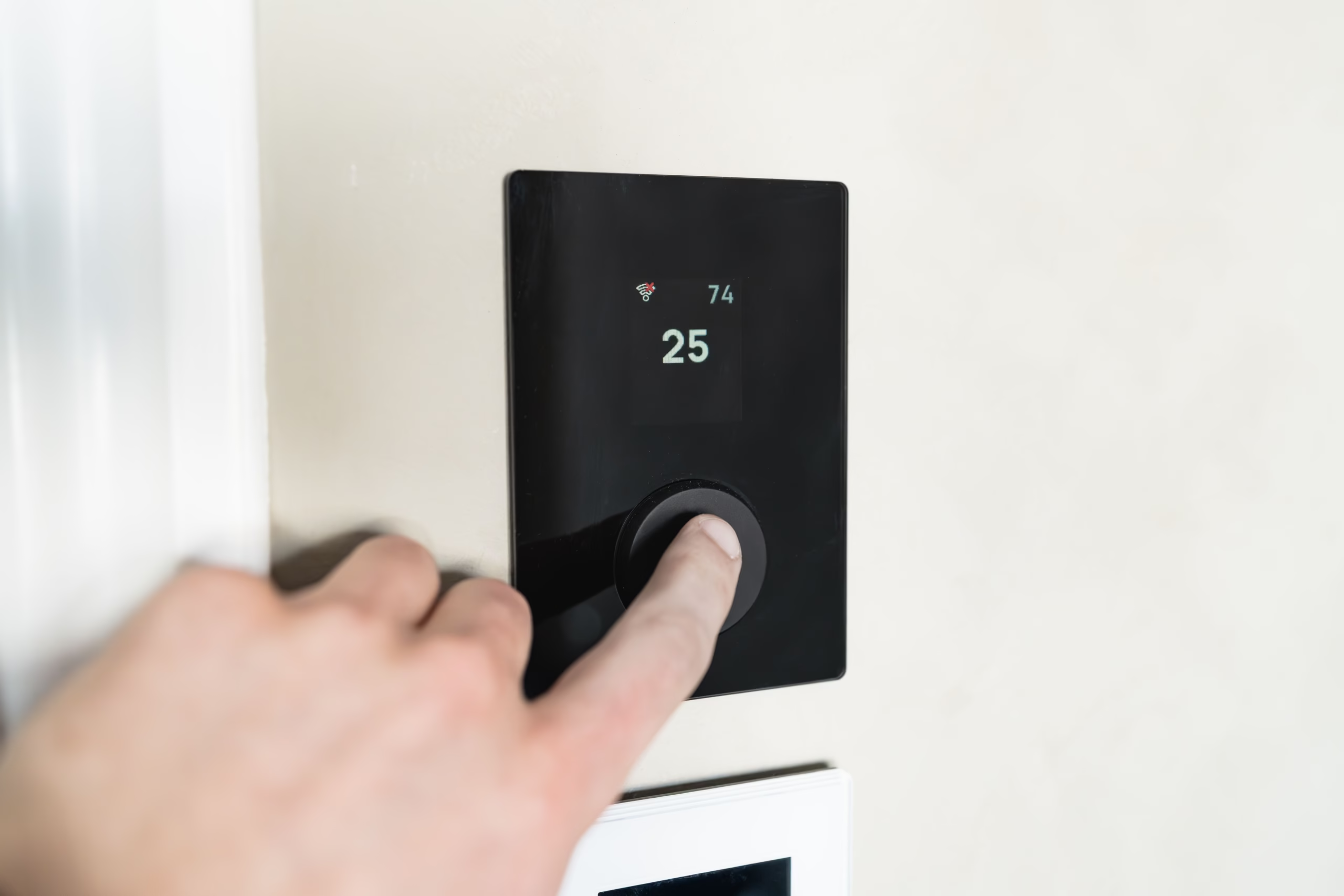
Comfort always comes first, but even modest thermostat adjustments can influence how often heating and cooling equipment runs. Raising the cooling temperature slightly during the summer or lowering the heating temperature modestly during the winter can reduce energy use without dramatically changing indoor comfort. Adjusting the thermostat while the home is unoccupied can also prevent unnecessary operation throughout the day.
Routine maintenance plays an equally important role. Replacing return air filters on schedule allows air to move through the HVAC system more efficiently, while regular servicing helps identify wear before it affects performance.
Homeowners should also pay attention to the building envelope. Worn weatherstripping around doors and windows, unsealed penetrations for plumbing or utilities, and other air leaks allow conditioned air to escape while outdoor air enters the home. These small openings force heating and cooling equipment to work harder to maintain comfortable temperatures.
Simple habits such as closing blinds during the hottest part of the summer or allowing winter sunlight to warm living spaces naturally can also reduce the workload placed on mechanical systems throughout the year.
A High-Level Approach to Reducing Energy Use
Improving a home’s energy efficiency rarely comes down to one change. Instead, it’s the combination of thoughtful habits and well-performing systems that produces the greatest long-term benefit.
Many homeowners begin by adjusting daily routines because those changes are easy to implement and cost little or nothing. Once those habits become second nature, it becomes easier to identify whether the home itself has opportunities for improvement.
A high-level approach often looks something like this:
- Become aware of where your home uses the most energy.
- Reduce unnecessary energy consumption through everyday habits.
- Maintain the systems you already have so they continue operating efficiently.
- Evaluate larger improvements when equipment reaches the end of its useful life or when remodeling creates an opportunity to make upgrades.
Following this progression helps homeowners make decisions based on real needs instead of replacing equipment prematurely or investing in improvements that won’t address the underlying issue.
How Better Daily Habits Support Long-Term Home Performance
Energy efficiency is often discussed in terms of monthly savings, but there are other benefits that homeowners experience over time.
Using appliances thoughtfully, maintaining HVAC equipment, and reducing unnecessary strain on mechanical systems can help those systems perform more consistently throughout their service life. While routine maintenance cannot eliminate normal wear, it can reduce avoidable stress caused by clogged filters, excessive cycling, or neglected equipment.
Thoughtful energy use also contributes to a more comfortable living environment. Rooms tend to maintain more consistent temperatures, heating and cooling systems operate more predictably, and homeowners gain a better understanding of how their home responds throughout different seasons.
Perhaps most importantly, developing efficient habits creates a stronger foundation for future improvements. When homeowners eventually remodel, replace equipment, or invest in efficiency upgrades, those improvements are supported by routines that allow the home to perform as intended.
Systems That Can Improve Long-Term Energy Performance
Daily habits play an important role, but they are only one part of the equation. The home’s construction and mechanical systems also determine how efficiently energy is used.
For older homes, improvements such as better insulation, properly sealed air leaks, updated windows, or newer heating and cooling equipment may significantly improve overall performance. Homes that struggle to maintain comfortable temperatures or experience unusually high utility bills may benefit from identifying where conditioned air is escaping before investing in equipment replacements.
Water heating systems also continue to evolve. While traditional storage tank water heaters remain a reliable solution for many households, tankless water heaters and other high-efficiency options may offer advantages depending on the home’s size and how hot water is used throughout the day.
Because every home performs differently, the best improvements are based on understanding how the home functions rather than assuming one upgrade will solve every problem.
One useful starting point is a professional home energy audit. An audit evaluates how the home’s systems work together and helps identify opportunities to improve efficiency through air sealing, insulation, HVAC performance, or other building components. Rather than relying on guesswork, homeowners receive information that can help prioritize improvements over time.
How Stearns Design Build Helps Homeowners Improve Energy Efficiency
At Stearns Design Build, we view energy efficiency as part of the overall performance of a home rather than a collection of individual products or upgrades.
When energy efficiency becomes part of a remodeling project, our role is to understand how the existing home functions before recommending solutions. We consider how insulation, windows, HVAC systems, air sealing, and other building components work together so improvements support the home as a complete system.
This approach helps homeowners make decisions based on their home’s specific needs instead of following trends or replacing components unnecessarily.
Whether the goal is improving comfort, reducing utility costs, or creating a home that performs better for years to come, careful planning helps ensure each improvement contributes to a larger, well-coordinated outcome.
Frequently Asked Questions
Do small energy-saving habits really make a difference?
Yes. Individual habits may seem minor, but repeated every day across an entire year they can meaningfully reduce unnecessary energy use. Combined with an efficient home, these routines often produce the greatest long-term benefit.
What uses the most energy in a typical home?
Heating and cooling typically account for the largest share of residential energy use, followed by water heating, appliances, lighting, electronics, and other plugged-in devices.
What is phantom power?
Phantom power, sometimes called standby power, is the electricity used by electronics and appliances while they remain plugged in but are not actively being used. Disconnecting infrequently used devices or using switchable power strips can help reduce this unnecessary energy consumption.
When should I consider a home energy audit?
A home energy audit can be valuable if your utility bills seem unusually high, certain rooms are consistently uncomfortable, or you’re planning improvements that could affect your home’s energy performance. The results can help identify opportunities based on how your home actually performs.
Should I replace my HVAC system to improve efficiency?
Not necessarily. An older system may benefit from replacement, but factors such as air leakage, insulation, maintenance, and thermostat settings also influence efficiency. Evaluating the home as a complete system often leads to better long-term decisions than replacing equipment alone.