
Bathroom Waterproofing and Insulation: How to Prevent Long-Term Moisture Damage
Bathroom waterproofing and insulation help protect your home from moisture damage while improving thermal comfort and energy efficiency. A properly constructed bathroom incorporates moisture management throughout its wall assemblies, plumbing, ventilation, and finished surfaces. These systems work together to reduce the risk of mold growth, material deterioration, and unnecessary energy loss.
Why Bathroom Waterproofing and Insulation Matter
Bathrooms experience frequent fluctuations in temperature and humidity. Hot showers, running water, and everyday use introduce moisture into the air, which can condense on cooler surfaces or enter wall cavities through gaps in construction. Without adequate moisture management, these conditions can contribute to mold growth and the gradual deterioration of building materials.
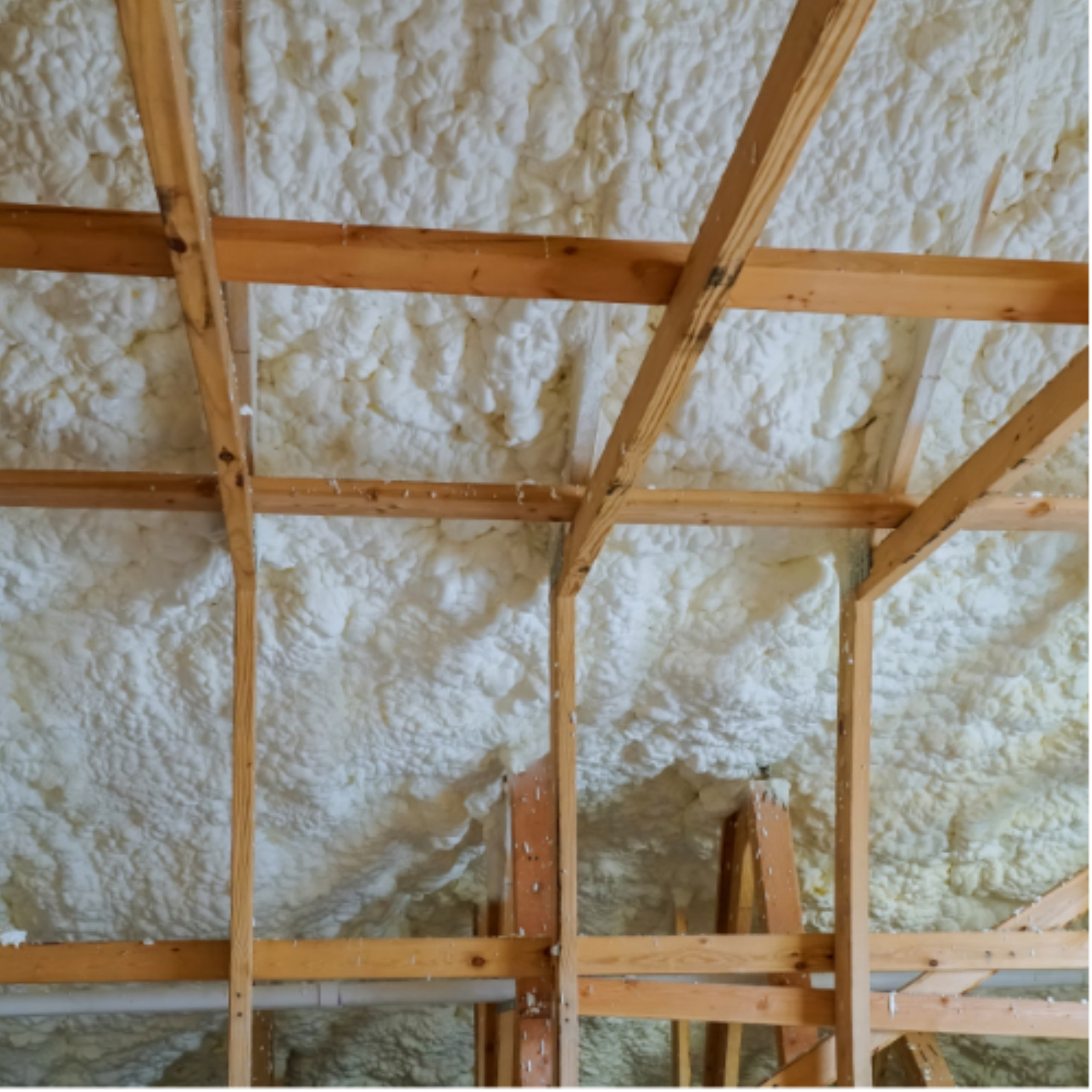
Insulation helps regulate temperature by reducing heat transfer between conditioned and unconditioned spaces. When paired with effective air sealing, it also helps limit the movement of moisture-laden air into wall cavities and attic spaces.
Many moisture-related problems develop behind finished surfaces, where they can remain unnoticed for extended periods. Addressing these concerns during a bathroom remodel can reduce the likelihood of expensive repairs that require removing tile, drywall, or cabinetry to access damaged areas.
Effective moisture management requires consideration of the entire building assembly. The Building America Solution Center’s guidance on moisture control explains how insulation, moisture-resistant materials, and vapor control strategies contribute to the durability of residential construction.
Common Bathroom Waterproofing and Insulation Mistakes
One common misconception is that ceramic tile and grout provide sufficient waterproofing in a shower. Although these materials are suitable for wet environments, moisture can penetrate grout joints and reach the underlying assembly. A continuous waterproofing system behind or directly beneath the finished surface is necessary to protect the surrounding structure.
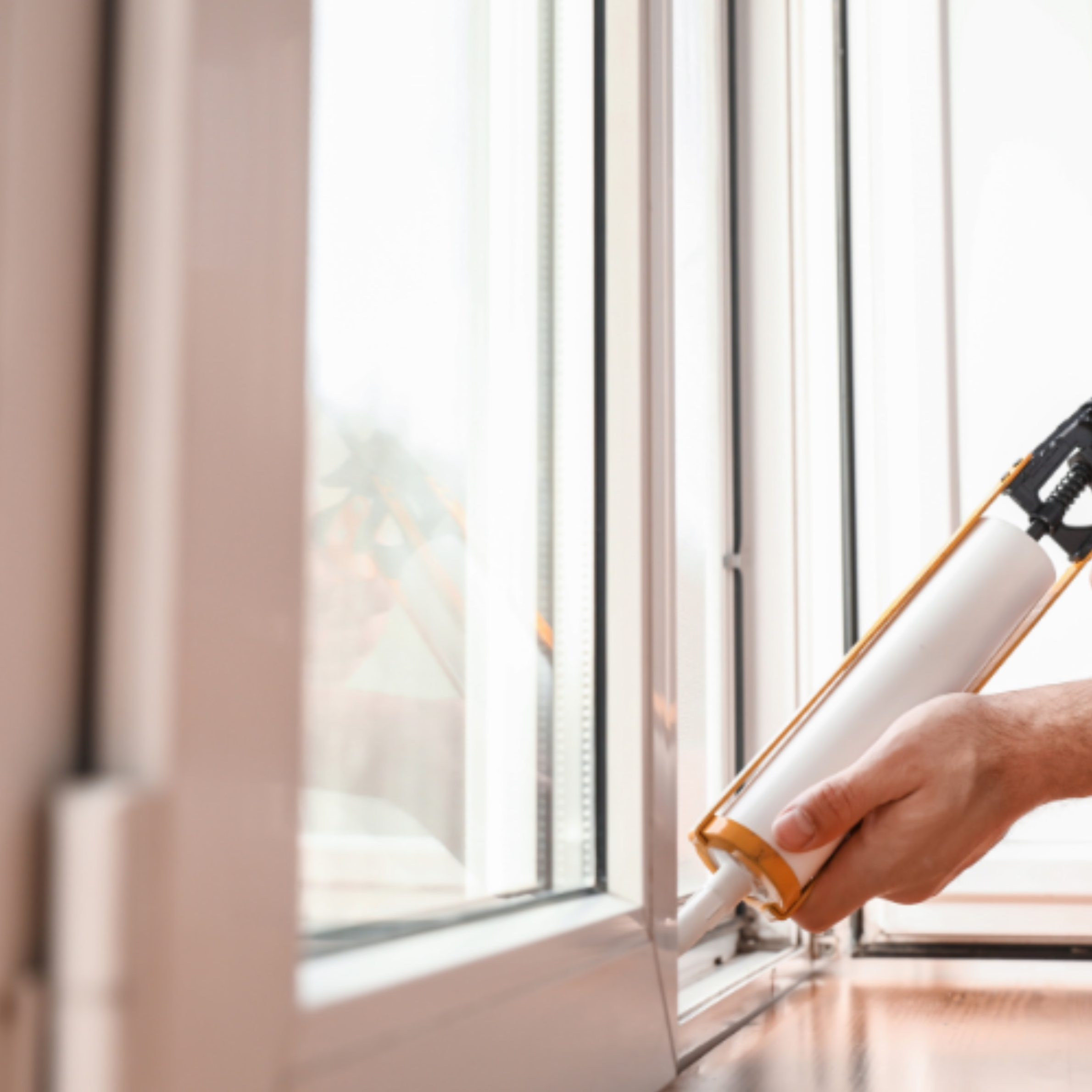
Gaps around windows, plumbing penetrations, and recessed lighting can also compromise bathroom performance. These openings allow air to move between conditioned and unconditioned spaces, potentially carrying moisture into areas where it can accumulate.
Improper vapor control presents another concern, particularly in the hot, humid climate of Bryan-College Station. Installing vapor-resistant materials without considering the entire wall assembly can restrict its ability to dry, potentially trapping moisture within the structure.
Inadequate ventilation further contributes to these problems. Bathroom exhaust fans that discharge into an attic rather than outdoors relocate moisture to another part of the home, where it can affect insulation and structural materials.
How a Proper Bathroom Moisture Management System Works
Effective bathroom moisture control begins during the planning stages of a remodel. Understanding how the existing home manages heat, air, and moisture helps determine which construction methods and materials are appropriate.
1. Evaluate the Existing Conditions
The condition of existing insulation, framing, plumbing, and ventilation helps inform construction decisions. Older bathrooms may contain deteriorated materials or insufficient moisture protection that becomes apparent once finished surfaces are removed.
Identifying these conditions allows necessary improvements to be incorporated into the remodel before new materials conceal the underlying structure.
2. Address Insulation and Air Sealing
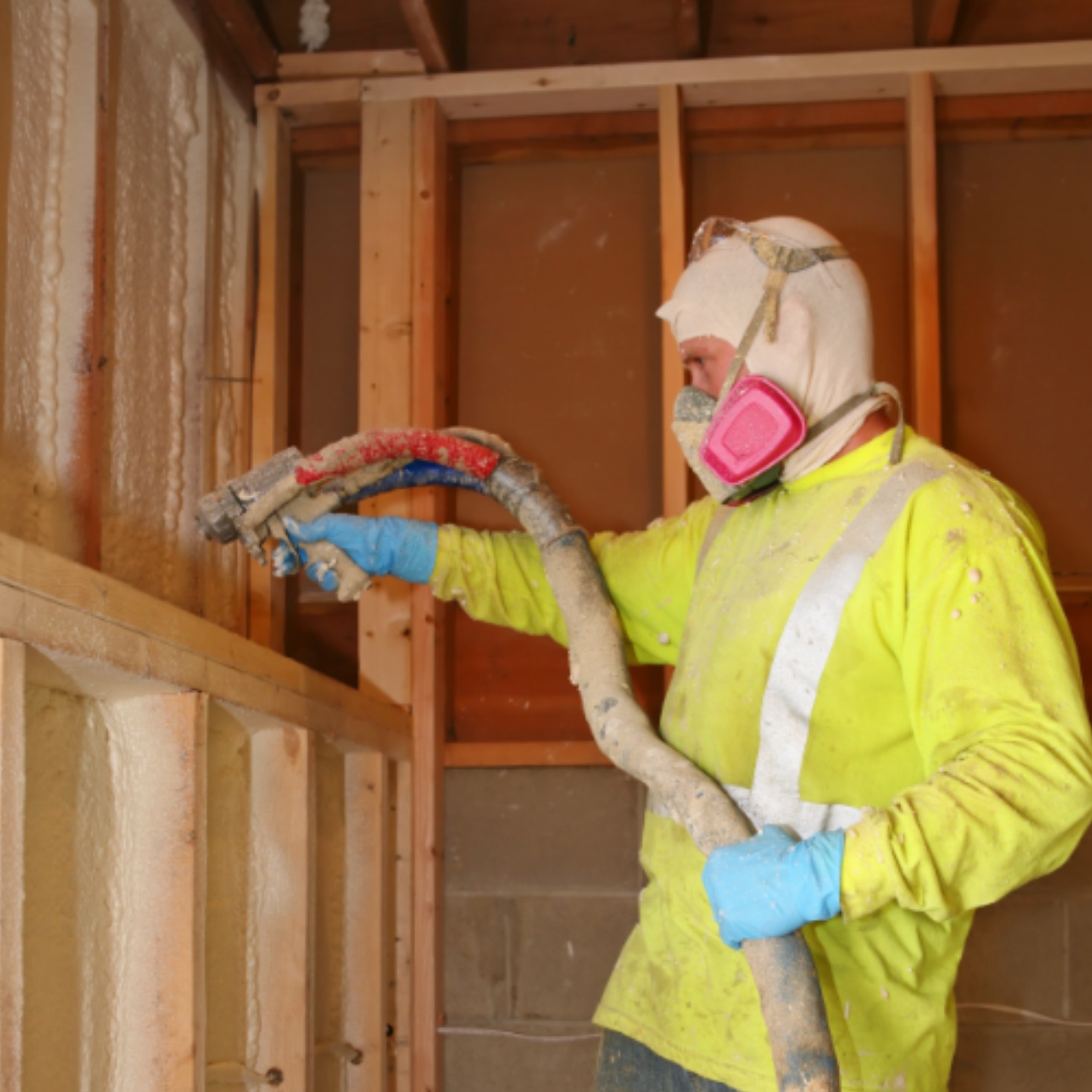
Bathroom wall insulation reduces heat transfer, particularly along exterior walls and areas adjacent to unconditioned spaces. Spray foam insulation can also contribute to air sealing when the appropriate product is installed at the required thickness. Fiberglass insulation provides thermal resistance but requires a separate, effective air barrier.
Air sealing around windows and ceiling penetrations complements the insulation system. These details help maintain comfortable indoor temperatures while limiting unwanted air movement.
3. Establish Appropriate Vapor Control
Vapor control materials regulate the movement of water vapor through building assemblies. Their placement and permeability depend on the local climate, insulation type, and surrounding construction materials.
In Bryan-College Station, wall assemblies must account for humid outdoor conditions and air-conditioned interiors. Maintaining an appropriate drying potential is an important consideration when selecting insulation and moisture control materials.
4. Waterproof Wet Areas
Showers and bathtub surrounds require waterproofing systems designed to protect the materials beneath their finished surfaces. Particular attention is needed around corners, drains, niches, and plumbing penetrations, where interruptions in the waterproofing layer can create opportunities for water intrusion.
The waterproofing assembly should be compatible with the selected tile and drainage system to provide continuous protection throughout the wet area.
5. Coordinate Plumbing, Electrical, and Ventilation Systems
Insulating hot water pipes can reduce heat loss as water travels through unconditioned spaces. Electrical fixtures near showers and bathtubs must also be appropriately rated for their exposure to moisture.
Bathroom exhaust ventilation removes humid air from the room and directs it outdoors. Properly selected ventilation equipment helps manage humidity and allows bathroom surfaces to dry more effectively after use.
Materials and Systems Used in Bathroom Construction
Material selection influences how well a bathroom withstands repeated exposure to water and humidity. Understanding the properties of these materials helps homeowners evaluate their options beyond appearance.
Flooring and Countertops
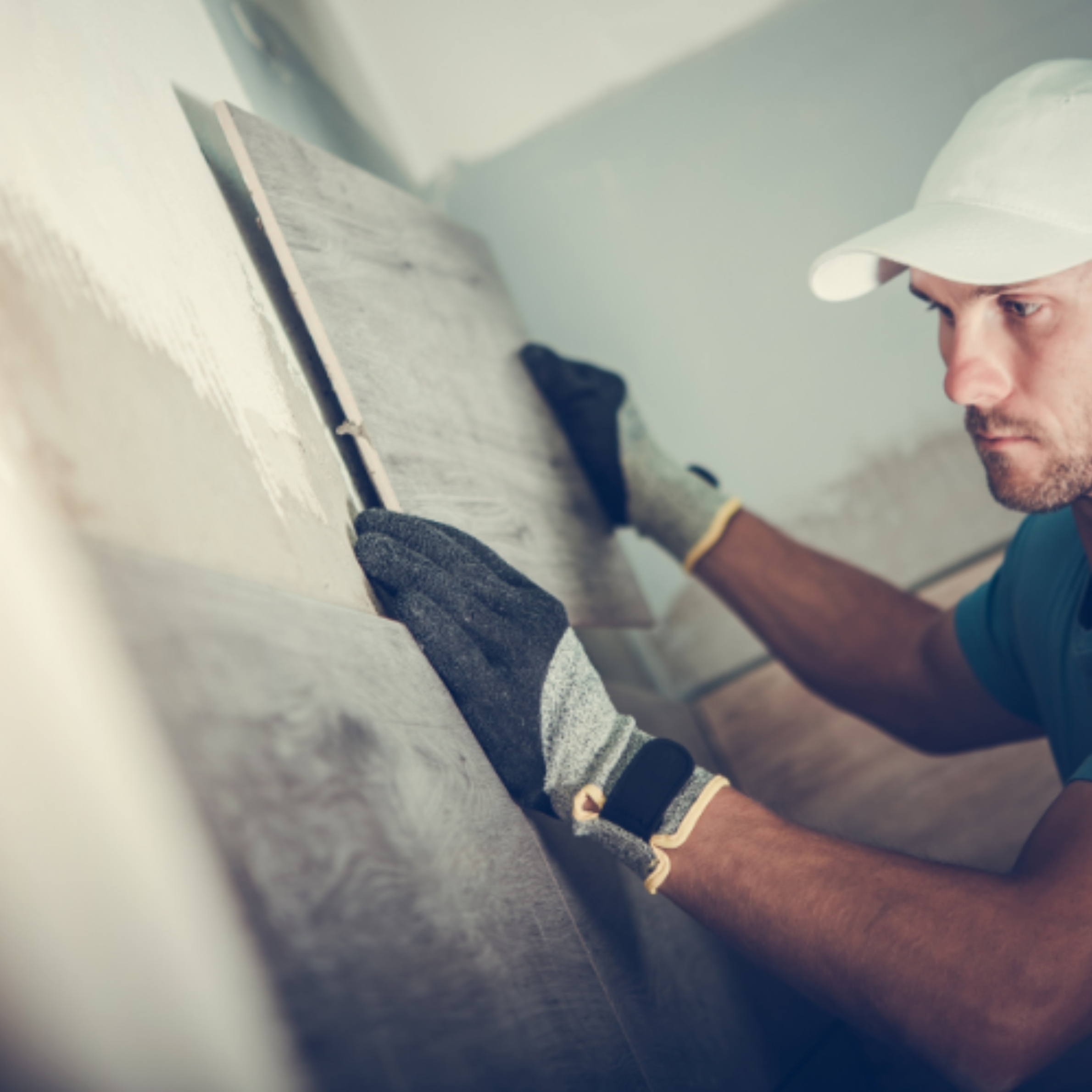
Ceramic tile and natural stone are common choices for bathroom flooring and countertops because of their durability and suitability for moisture-prone environments. Some natural stone products require periodic sealing, depending on their porosity and exposure to water.
Low-VOC sealants can help reduce exposure to volatile organic compounds during and after application. Product compatibility, maintenance requirements, and surface traction should also be considered when selecting bathroom materials.
Cabinetry and Wall Finishes
Solid wood and plywood manufactured with moisture-resistant adhesives can provide durable cabinetry options when appropriately finished. Protective coatings and durable, low-VOC paints help limit moisture absorption and protect exposed wood surfaces.
Traditional wallpaper may be more susceptible to deterioration in humid bathrooms. Moisture can weaken adhesives, cause peeling, and contribute to mold growth behind the wall covering. Paint formulated for humid environments or properly installed tile can provide more suitable alternatives.
Water Heating and Plumbing Insulation
Bathroom energy efficiency also depends on how hot water is heated and delivered. Insulating hot water pipes reduces heat loss between the water heater and plumbing fixtures, particularly when pipes pass through unconditioned areas.
Older tank water heaters may benefit from additional insulation when permitted by the manufacturer. Tankless water heaters offer another opportunity to improve energy efficiency by heating water on demand and reducing standby heat loss. The suitability of either system depends on household water usage, equipment efficiency, and installation requirements.
How Moisture Control Impacts the Longevity of a Bathroom Remodel
The repeated expansion and contraction of materials exposed to changing temperatures and humidity can contribute to premature wear. Over time, excessive moisture may cause cabinetry to swell, finishes to deteriorate, and surrounding building materials to become damaged.
Effective bathroom waterproofing protects the underlying structure, while insulation and ventilation help maintain more stable indoor conditions. Together, these systems reduce the likelihood of premature material replacement and help preserve the homeowner’s investment.
Although waterproofing and insulation are largely concealed once construction is complete, their performance continues to influence the bathroom throughout its lifespan.
How Stearns Design Build Approaches Bathroom Moisture Management
At Stearns Design Build, we consider building science throughout the design and construction of a bathroom remodel. Our integrated design-build process allows construction requirements to inform design decisions before materials are selected and installation begins.
Coordinating insulation, waterproofing, plumbing, and ventilation during planning helps identify potential conflicts between systems. During construction, oversight of these assemblies is particularly important because many of their components become inaccessible once finished surfaces are installed.
We guide homeowners through material and system selections by explaining how each decision affects the bathroom’s long-term performance. This helps homeowners understand where their investment goes and why construction details deserve careful consideration.
Frequently Asked Questions
Does bathroom tile need waterproofing underneath it?
Tile installed in showers and other designated wet areas requires an appropriate waterproofing assembly beneath or behind the finished surface. Tile and grout alone do not provide reliable protection against water reaching the underlying structure.
Do interior bathroom walls need insulation?
Interior bathroom walls may benefit from insulation for sound control, particularly around bedrooms and shared living spaces. Thermal insulation requirements depend on whether the wall separates conditioned space from an unconditioned area.
Does every bathroom need a vapor barrier?
Vapor control requirements depend on the climate and the composition of the wall assembly. In hot, humid climates such as Bryan-College Station, installing an impermeable vapor barrier in the wrong location can restrict drying and contribute to moisture accumulation.
Can waterproofing be improved in an older bathroom?
Older bathrooms can benefit from updated waterproofing, insulation, and ventilation during remodeling. Accessing the underlying structure allows existing conditions to be evaluated and appropriate improvements to be incorporated before new finishes are installed.
Is bathroom waterproofing expensive?
The cost of bathroom waterproofing depends on the size of the wet area, existing conditions, and the selected waterproofing system. Incorporating appropriate moisture protection during construction can help reduce the risk of considerably more expensive repairs later.