
A Whole Home Remodel That Blends Modern Style with Aging-in-Place Design
This aging in place whole home remodel transformed a traditional 2002 custom home in the Emerald Forest neighborhood into a modern space that better reflects the homeowners while supporting the way they want to live for years to come. By combining personalized design choices with thoughtful accessibility improvements, the project demonstrates that planning for the future does not require sacrificing style, comfort, or individuality.
The Homeowner’s Challenge
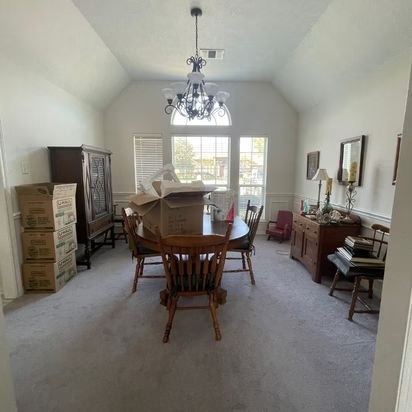
The homeowners loved their neighborhood and the memories they had built in their home, but after more than twenty years, many of the finishes and features no longer matched their lifestyle. The traditional interior felt dated, lighting was limited in several areas, and some spaces were becoming less comfortable to use every day.
They also wanted to begin planning for the future. Rather than waiting until accessibility became a necessity, they wanted to incorporate aging-in-place principles into a complete whole home remodel that would allow them to enjoy the home for decades while still reflecting their personality and style.
The challenge was balancing two goals that many homeowners mistakenly believe cannot coexist: creating a modern home while making it easier to live in long term.
Design Goals
- Update the home’s traditional interior with a more modern aesthetic.
- Incorporate aging-in-place features without making the home feel institutional.
- Personalize the design through colors, materials, and finishes that reflect the homeowners.
- Improve everyday functionality through better lighting, storage, and accessibility.
- Create a forever home that supports comfort, independence, and daily living for years to come.
Our Design & Build Approach
Rather than approaching the remodel as a collection of individual room renovations, the project was viewed as a complete home transformation. Every design decision considered how the homeowners moved through the house, how they used each space, and how those routines might evolve over time.
The goal was not simply to replace outdated finishes. It was to preserve what already worked while introducing improvements that would quietly support long-term living. Accessibility features were intentionally integrated into the overall design so they feel like thoughtful custom details rather than obvious adaptations.
The result is a home that feels cohesive from room to room while balancing beauty, functionality, and future planning.
Key Decisions That Shaped the Outcome
Refreshing the Kitchen While Preserving Its Layout
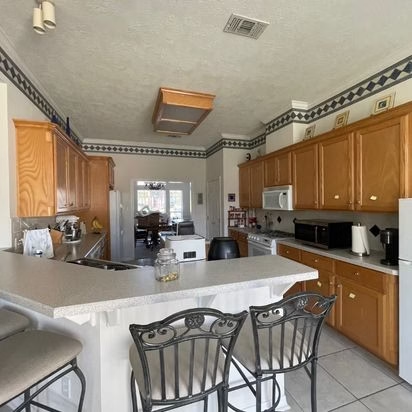
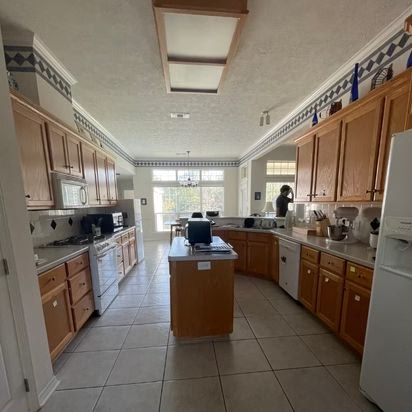
The existing kitchen already functioned well, so there was no need to alter the overall layout. Instead, the remodel focused on modernizing the appearance while improving daily usability.
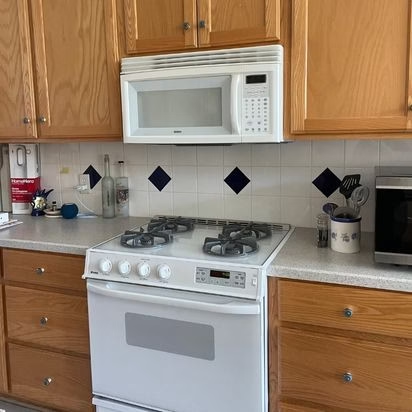
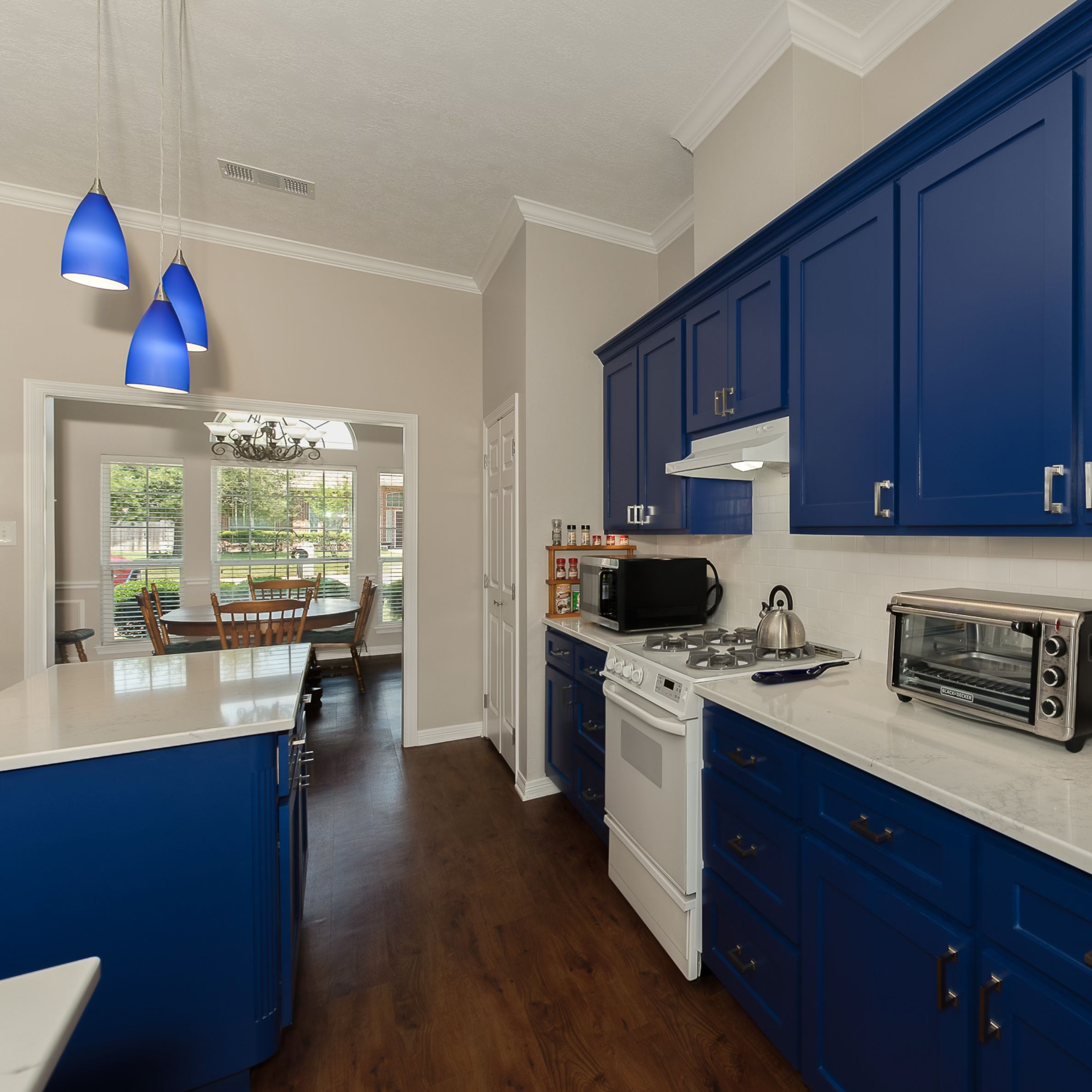
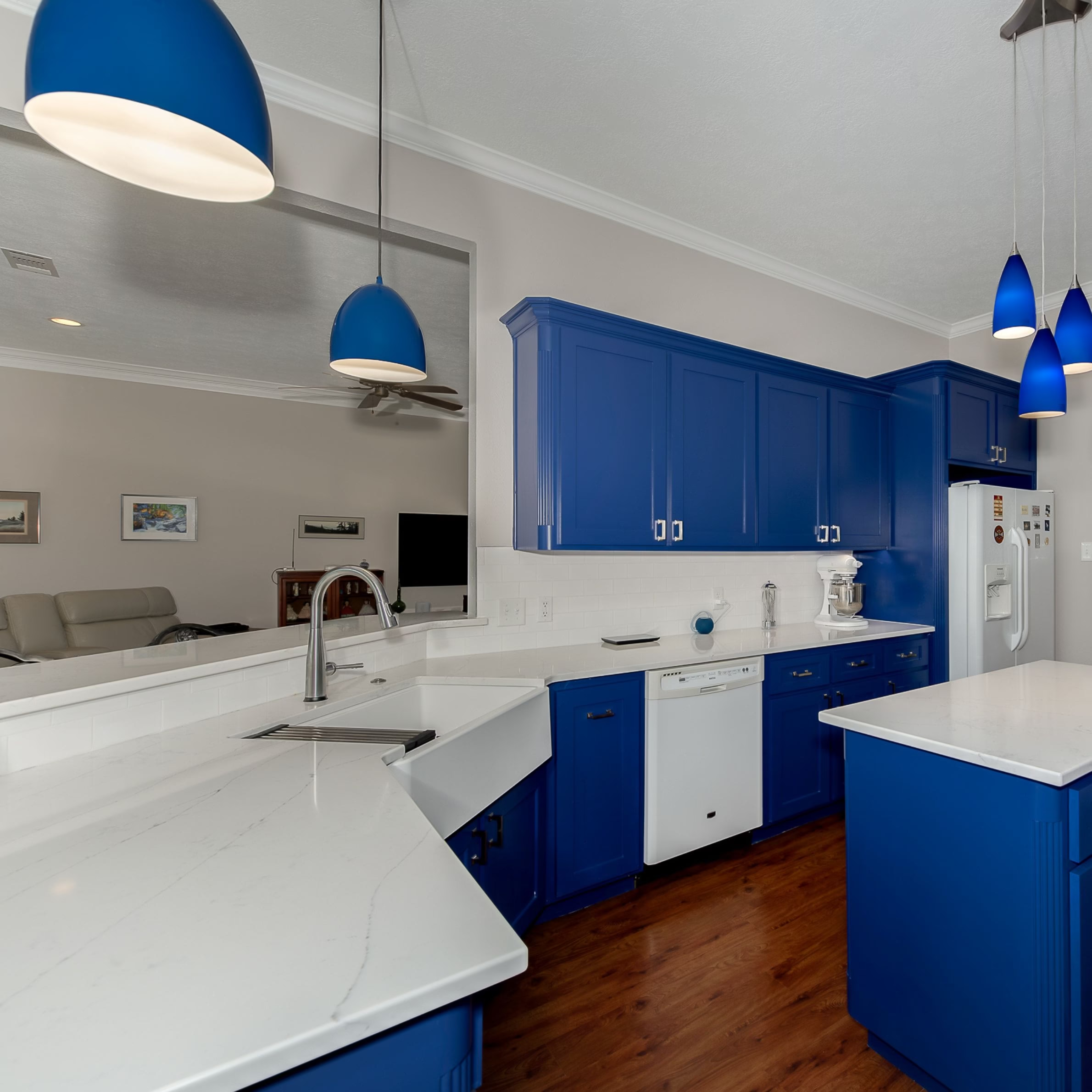
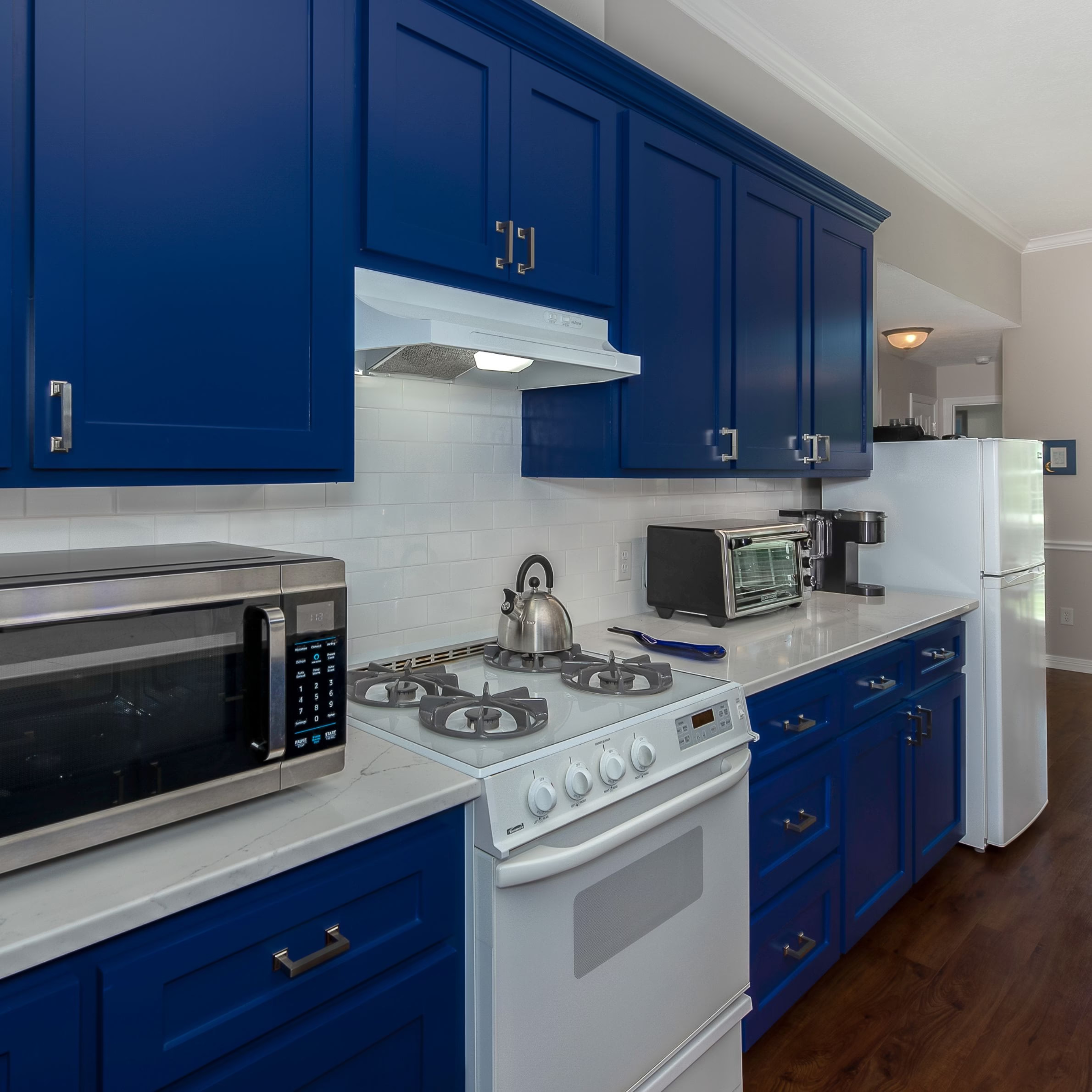
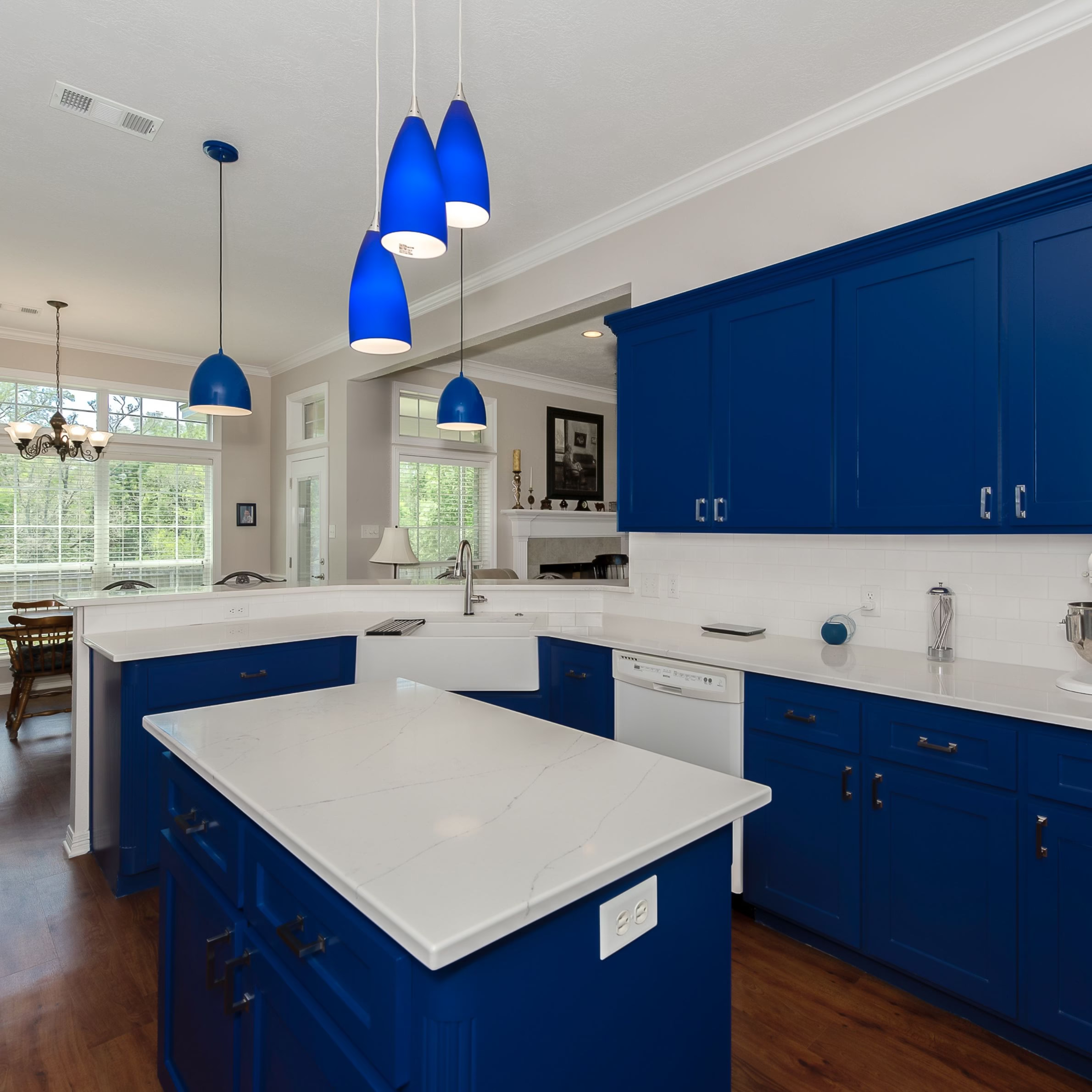
Existing cabinet boxes remained, but every cabinet door and drawer front was replaced with shaker-style panels to create a cleaner, more contemporary look. The homeowners embraced a bold design choice by painting the cabinetry a rich cobalt blue, the homeowner’s favorite color, creating a kitchen that feels highly personal and unlike anything else in the home.
Lighting played an important role in the transformation. New under-cabinet lighting improved task visibility throughout the workspace, while two new cobalt blue pendant lights above the sink and peninsula provided additional illumination and tied the design together. The existing island light was also replaced with a coordinating fixture that echoes the pendant shapes and color palette.
The existing microwave was removed and replaced with a new range hood, improving both ventilation and the visual openness of the kitchen. White quartz countertops with soft gray veining completed the updated look while providing a durable and timeless surface.
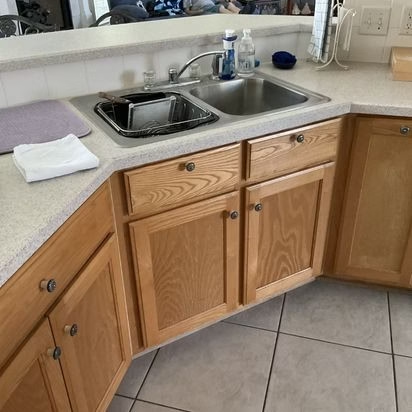
Perhaps the most thoughtful change was modifying the sink cabinet to accommodate a new apron-front workstation sink. Bringing the sink basin closer to the cabinet edge reduces the amount of reaching required during everyday use, making the kitchen more comfortable while supporting aging-in-place principles without drawing attention to them.
Transforming the Primary Bathroom for Comfort and Accessibility
The primary bathroom underwent one of the most dramatic transformations in the home.
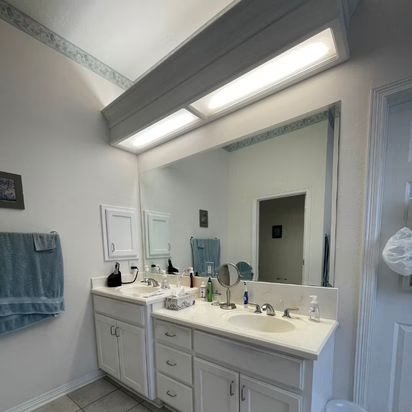
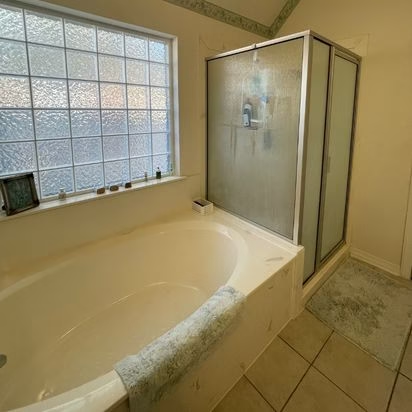
An oversized bathtub that had become largely unused occupied valuable floor space while the existing cultured marble shower felt small and outdated. Removing the tub allowed the room to be redesigned around the homeowners’ current lifestyle and future needs.
The former bathtub location became a built-in bench with storage that allows one homeowner to comfortably use a foot spa, turning previously unused square footage into a personalized feature that supports everyday routines.
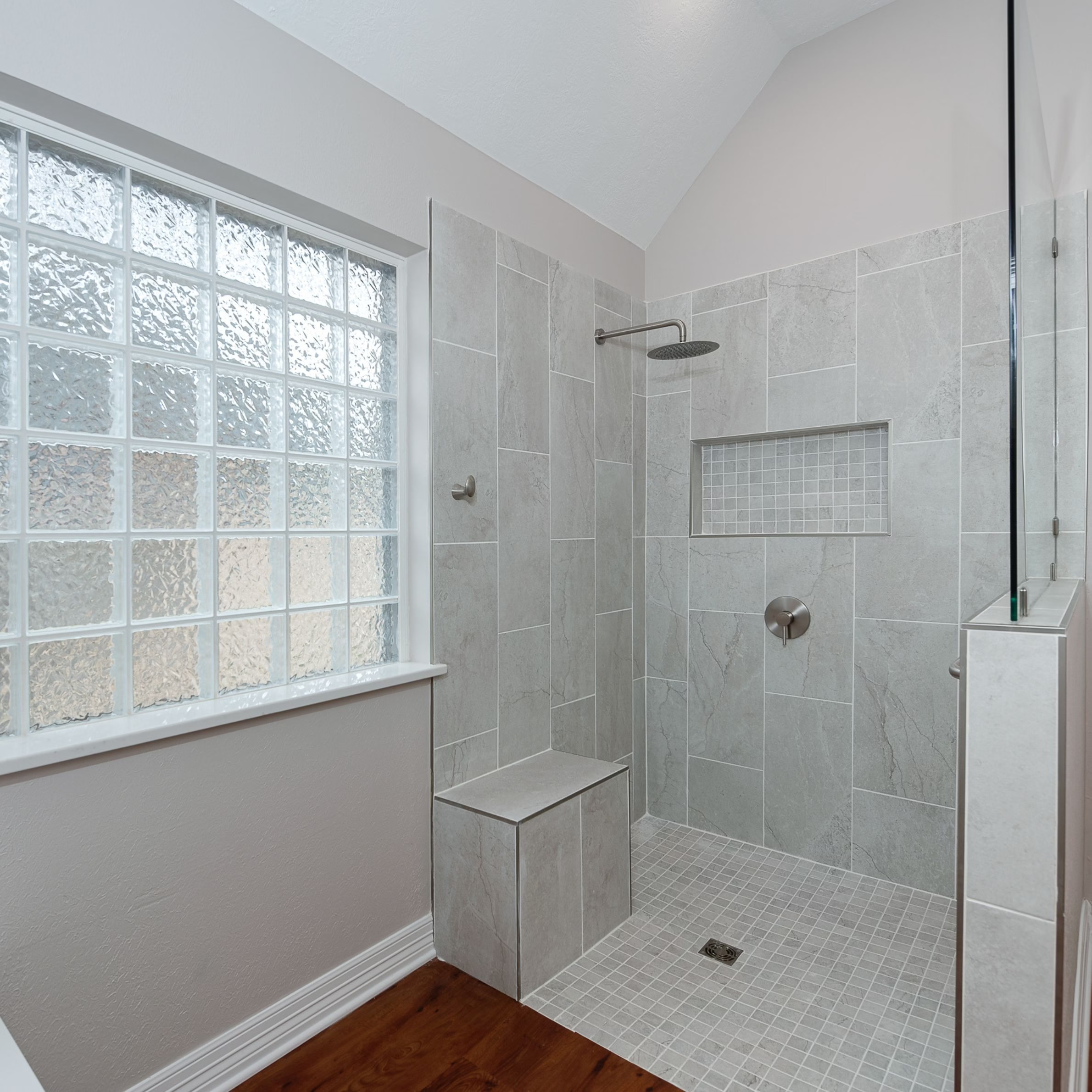
The shower itself was expanded into a spacious curbless design that provides easier access today while preparing the home for the future. A built-in bench finished with the same tile as the shower walls creates a seamless appearance, while a grab bar provides additional stability without disrupting the design.
A tiled niche offers convenient storage for soap and shampoo while also introducing another architectural detail to the space.
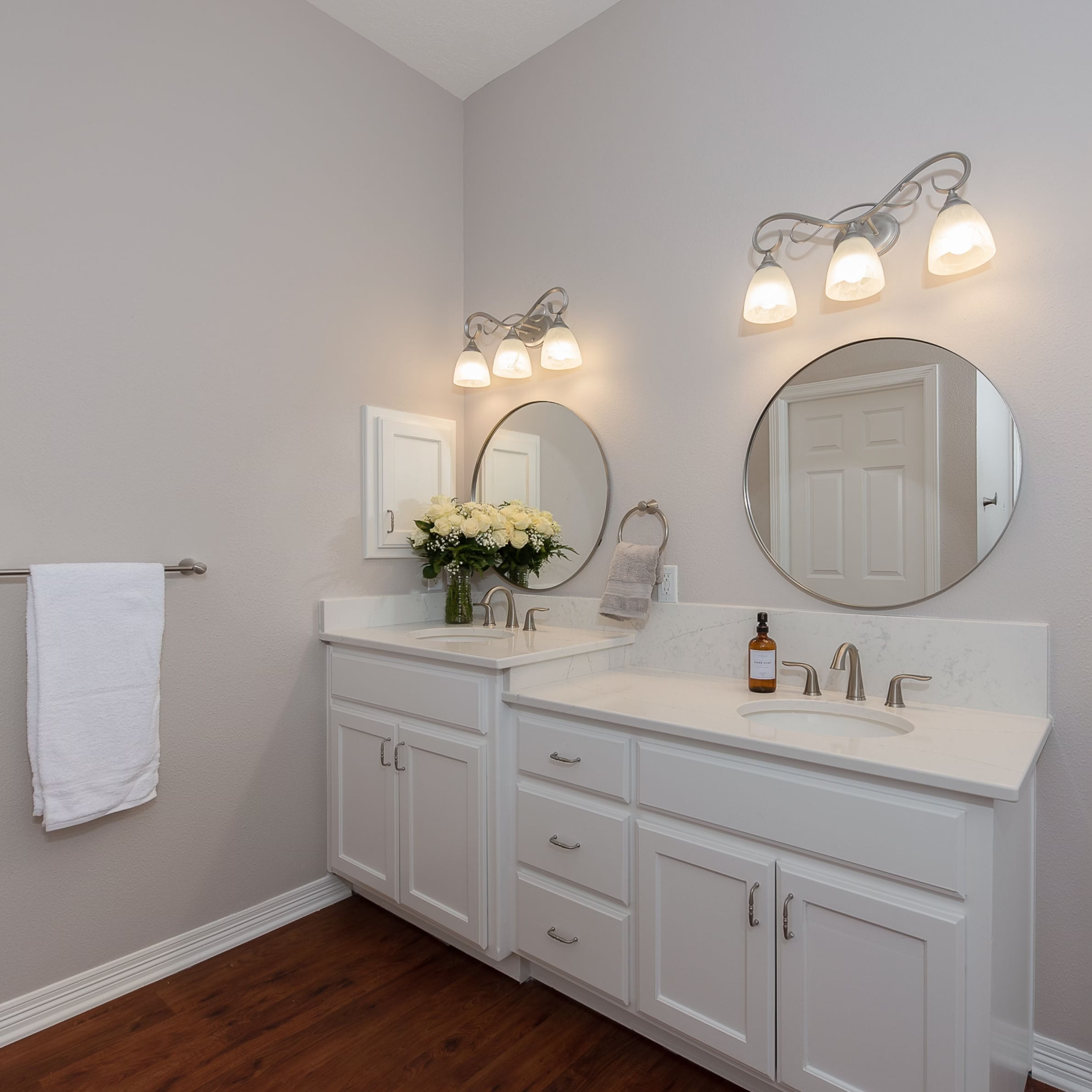
The remodel continued throughout the bathroom with new vanity countertops, sinks, mirrors, light fixtures, towel bars, and hooks, creating a room that feels brighter, more functional, and more inviting.
Creating a Cohesive Modern Design Throughout the Home
The transformation extended beyond the primary living spaces to create consistency throughout the entire house.
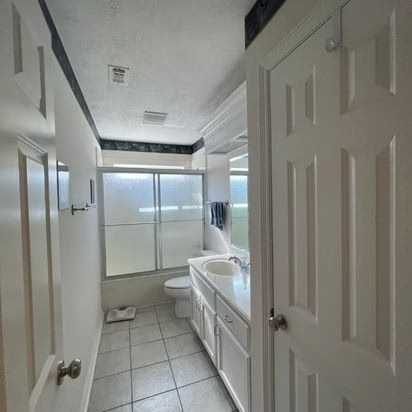
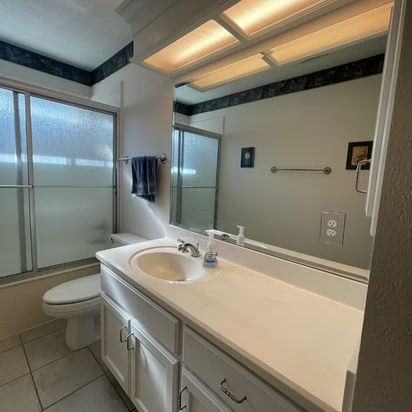
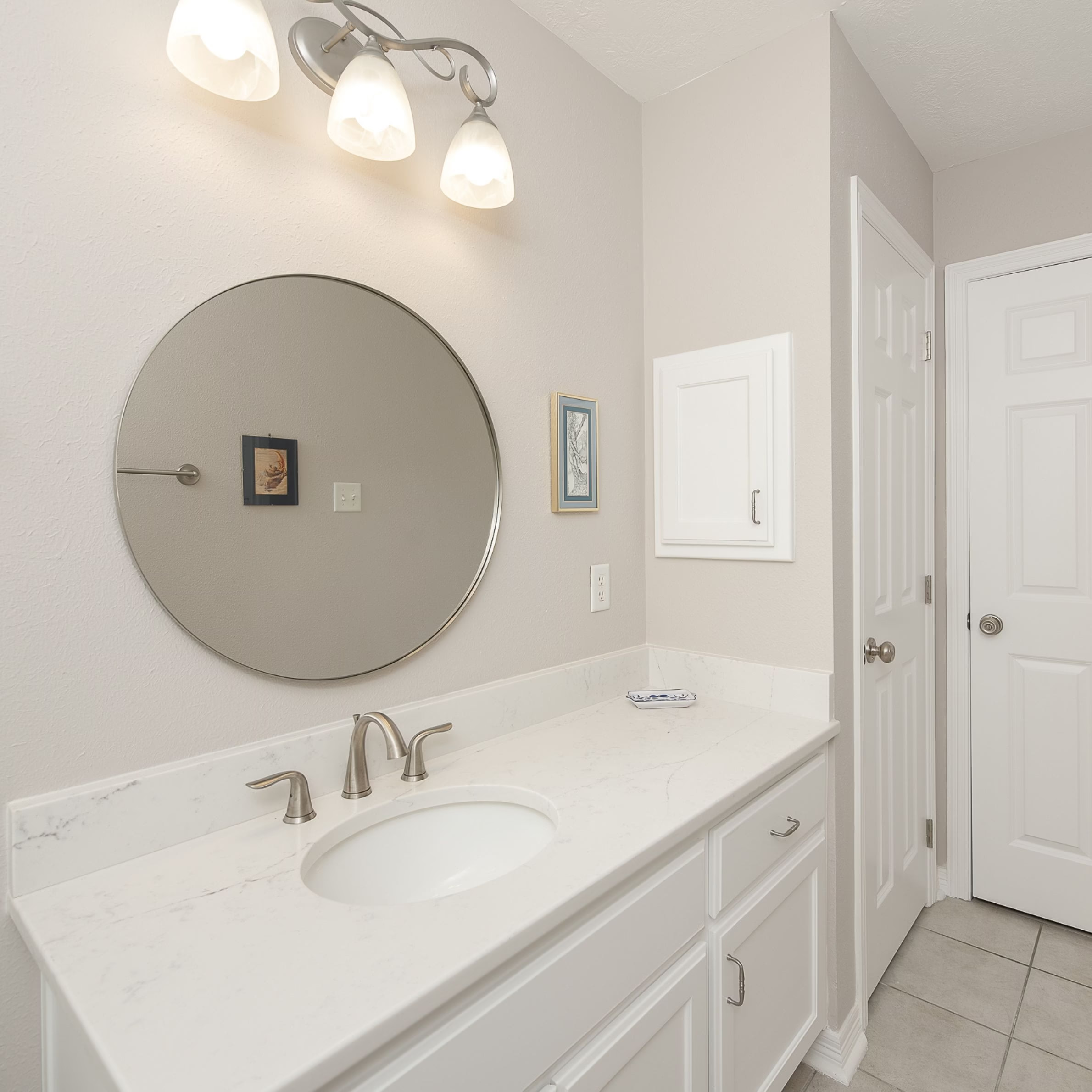
The guest bathroom received a new vanity countertop, sink, faucet, mirror, and light fixture that modernized the space while complementing the home’s updated aesthetic. The half bathroom received many of the same improvements, reinforcing a unified design language across multiple rooms.
Throughout the house, walls, trim, doors, and cabinetry were repainted to brighten the interior and provide a fresh, contemporary feel. Outside, all existing painted surfaces received a fresh coat of paint while the home’s beautiful gray brick exterior was intentionally preserved. Rather than painting over the brick, its natural color became an important design element that complements the home’s updated palette.
Personalized Details That Improve Everyday Living
Some of the project’s most meaningful improvements were the smaller details that support everyday life.
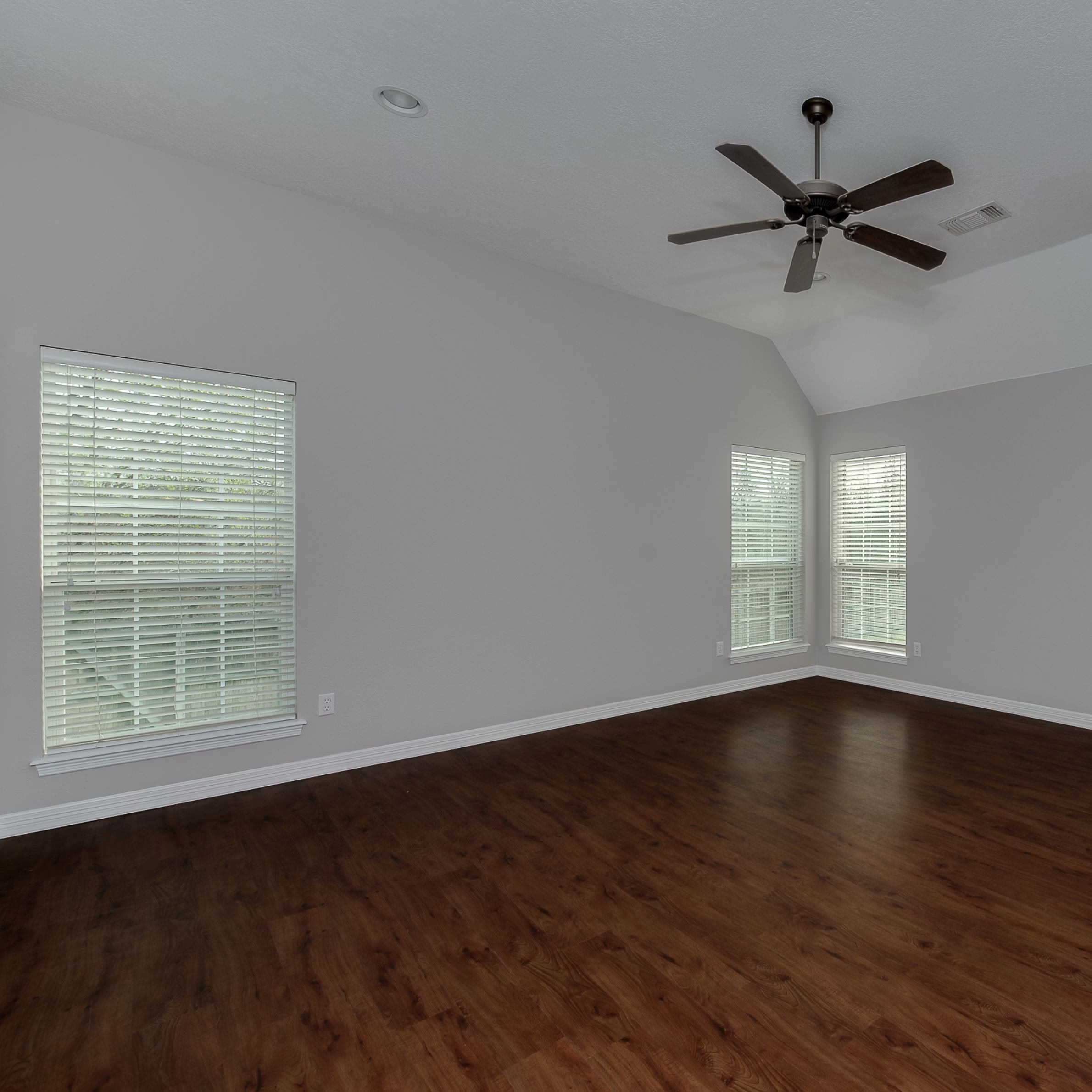
Warm wood-look luxury vinyl plank flooring replaced aging carpet throughout the home, creating a more durable and easier-to-maintain surface while visually connecting each room.
New lighting was installed throughout closets and the laundry room, improving visibility and making routine tasks more comfortable. Additional electrical outlets were added in one bedroom to better support the homeowner’s ham radio equipment, demonstrating how thoughtful remodeling can accommodate individual hobbies and routines.
The back porch became a more enjoyable outdoor living space through the addition of screening and a new ceiling fan, allowing the homeowners to spend more time outdoors in comfort.
Additional updates included removing the home’s speaker system, replacing rusty vent covers, updating exterior door knobs, and addressing numerous small details that collectively make the home feel more polished and enjoyable every day.
The Result
The completed remodel transformed a traditional home into one that feels modern, personal, and prepared for the future.
Bold design choices such as the cobalt blue kitchen give the home a distinctive personality, while thoughtful accessibility features such as the curbless shower, workstation sink, improved lighting, and durable flooring quietly support long-term independence.
Rather than feeling like an aging-in-place remodel, the finished home simply feels like a beautifully designed custom home that happens to be easier to live in every day.
Lessons for Homeowners Considering a Similar Project
Many homeowners postpone aging-in-place remodeling because they associate accessibility with institutional design or worry that their home will lose its character.
This project demonstrates that thoughtful planning can accomplish both goals at once. Features such as curbless showers, workstation sinks, improved lighting, durable flooring, and better storage can enhance everyday comfort while blending seamlessly into a modern design.
By planning ahead instead of reacting later, homeowners can create spaces that support future needs while continuing to reflect their personality and lifestyle today.
The best aging-in-place remodels often do not look like accessibility projects at all. They simply look like well-designed homes that work exceptionally well for the people who live in them.
Frequently Asked Questions
Can an aging in place whole home remodel still have a modern design?
Absolutely. Accessibility features can be integrated into contemporary designs so naturally that they simply become part of a beautiful custom home rather than standing out as medical adaptations.
What areas of the home provide the greatest benefit during an aging in place remodel?
Bathrooms and kitchens typically provide the greatest opportunities for improved accessibility, but updates to lighting, flooring, storage, electrical placement, and outdoor living areas can also improve long-term comfort and safety.
Is it possible to modernize a traditional home while planning for aging in place?
Yes. This project demonstrates that updated finishes, personalized design choices, and accessibility improvements can work together to create a home that feels current while supporting future independence.
What can homeowners learn from this whole home remodel in College Station?
Planning for the future does not require sacrificing style. By incorporating accessibility features into an overall design vision, homeowners can create a modern home that feels personal, comfortable, and ready to support everyday living for years to come.