
How Intentional Color Planning Improves the Feel and Function of a Remodel
Color planning for home remodeling affects far more than the appearance of a finished space. Color influences mood, natural light, room-to-room flow, architectural detail, exterior curb appeal, and how connected a home feels to the people living in it. A complete home remodel color palette considers interior features, exterior materials, lighting conditions, outdoor views, and the emotional purpose of each space.
Why Color Planning Is Critical in Remodeling
Color is one of the most powerful unifying elements in interior design, which is why it should not be treated as a final decorating decision. It helps shape how a homeowner experiences the entire home, not just one room.
Intentional interior color planning can make a small room feel lighter, help open spaces feel connected, draw attention to architectural details, improve curb appeal, and support the mood a homeowner wants to create. It can also help a remodel feel more personal because the palette is built around the home, the surroundings, and the people who live there.
When color is not planned carefully, even a lovely home can lose some of its character. Simple lines, windows, trim, doors, and exterior proportions can disappear when every surface is painted the same color. Inside the home, rooms can feel disconnected, flat, or out of step with the way the homeowner wants to live.
A strong color plan does not simply ask, “What color do you like?” It asks what the home should feel like, what features deserve attention, what views should be connected, and how each space should support daily life.
Common Color Planning Mistakes in Remodeling
Choosing Color Too Late
Many homeowners begin choosing colors after other selections have already been made. By that point, flooring, cabinetry, counters, lighting, furniture, and exterior materials may already be influencing the palette whether anyone has planned for it or not.
Color works best when it is considered as part of the remodeling design process, not as a surface treatment added after the major decisions are finished.
Ignoring How Light Changes Color
A color will not look the same in the morning, afternoon, and evening. Natural light, cloud cover, warm bulbs, cool bulbs, shadows, and reflective surfaces all change how color appears.
Lighting can also make an accent wall feel more dramatic or help a subtle color become more noticeable. There is no design element more important to color perception than lighting, so color planning for home remodeling should always include a careful look at how light moves through the space. The color specialists at Sherwin-Williams similarly recommend evaluating colors under multiple lighting conditions before making a final selection because natural and artificial light can dramatically alter how a color is perceived.
A color that feels perfect on a sample card can look completely different once it is applied to a wall and viewed throughout the day.
Treating Each Room as Separate
Choosing colors room by room can create a home that feels visually fragmented. This is especially true in open-concept layouts, but it also matters in homes with more divided rooms.
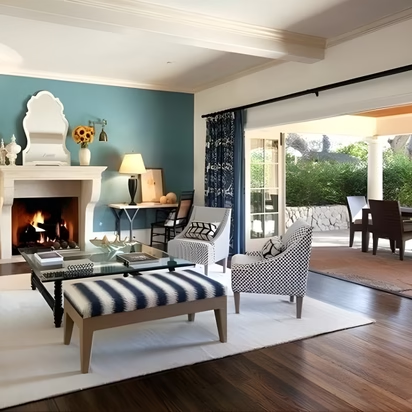
Color can help spaces feel open and connected while still allowing each area to feel distinct. A line of sight into an adjacent room can become more intentional when similar tones, related accents, or shared undertones connect the spaces visually. Even tangential rooms that are only partially visible from one another can feel more cohesive when the palette is planned together.
Flattening Architectural Features
Architecture can be hidden by poor color decisions. A home with simple, beautiful lines can lose its presence when siding, trim, windows, and doors are all treated as one flat surface.
On an exterior remodel, a significant change in paint color can accentuate the parts of the home that deserve attention, including windows, trim, doors, and architectural transitions. When paired with roof updates, siding repairs, and trim repairs, exterior color planning can help the whole renovation feel complete and bring new life to the home.
Color can also strengthen interior details. Trim or doors can be lightened or darkened one or two steps from the wall color for a subtle layered effect. For more dramatic emphasis, contrast can draw attention to a specific feature and add depth to the room.
Relying Too Heavily on Trends
Trends can be helpful for inspiration, but they should not replace the actual design work of choosing colors for a remodel. A palette that looks polished online may not flatter the home, the lighting, the landscape, or the people living there.
Good color planning protects the homeowner from chasing a look that does not fit the house or the way they want to feel in it.
High-Level Overview of the Color Planning Process
1. Start With Mood
At Stearns Design Build, color planning begins with mood. Before choosing specific paint colors, it helps to understand how the homeowner wants the whole home to feel and how each remodeled area should function emotionally.
A kitchen may need to feel warm and active. A bedroom may need to feel quiet. A living room may need to feel connected and welcoming. Color helps support those goals when it is selected with intention.
2. Look Outward to Nature
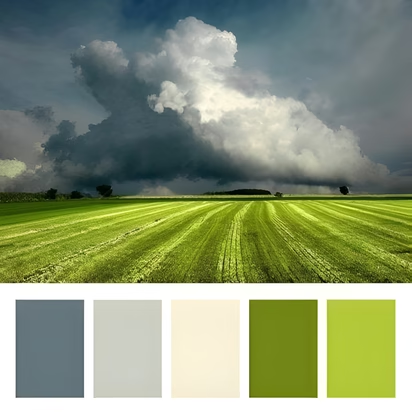
A home’s surroundings can be a meaningful starting point for a palette. Trees, grass, stone, sky, seasonal flowers, and the view outside a window can all influence interior color planning.
This requires care because nature changes throughout the year. Some outdoor colors shift only in shade and tone, which makes them easier to reference inside. Other colors, such as seasonal blooms, may only appear for a short time. That does not make them unusable. A seasonal flower color repeated gently indoors can make the first blooms outside feel even more delightful when they arrive.
Nature can also influence the pattern of color in a home. Darker floors, somewhat lighter walls, and lighter ceilings often feel natural because they echo the way we experience the outside world.
3. Look Inward to the Homeowner
Color planning should also consider the people living in the home. Many people naturally choose clothing colors that flatter their skin tone, hair color, personality, or sense of comfort. The surroundings of a home can work in a similar way.
A remodel should not feel disconnected from the homeowner. Some people feel best in warm earthy colors. Others feel more themselves around cooler tones, contrast, or vibrant accents. A strong home remodel color palette should support the home and the people who live there.
4. Connect to Interior Features
Color can create a stronger relationship between the remodel and the pieces a homeowner already loves. A favorite painting, rug, piece of furniture, or meaningful object can guide color choices in a layered way.
This does not mean the whole room has to match one object. It means the palette can borrow from something personal so the remodel feels connected to the homeowner’s life rather than selected from a generic trend board.
5. Use Color Symbolism by Space
Color can also help clarify the intention of different areas. Public spaces and private spaces do not always need the same intensity or tone.
A homeowner may want shared areas to feel more open, social, or active, while bedrooms, studies, or retreat spaces may benefit from quieter color choices. These shifts can be subtle, but they help the home communicate how each space is meant to feel.
6. Build a Balanced Palette
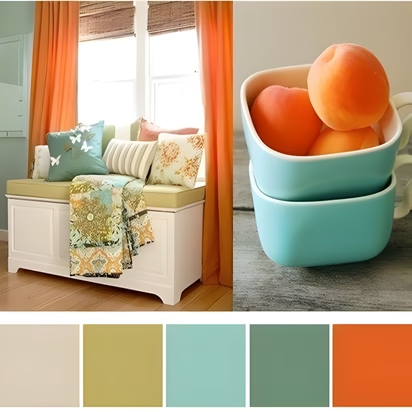
A common interior design guideline is the 60/30/10 ratio: about 60% ambient or foundational color, 30% secondary or highlight color, and 10% accent color.
This can be helpful, but it should not be treated as a rigid rule. Designers often discourage using more than three colors in one room, but there are moments when breaking that rule makes sense. The point is not to follow a formula perfectly. The point is to create balance, intention, and visual clarity.
Colors next to each other on the color wheel tend to create harmony and calm. Colors opposite each other create contrast, movement, and energy. Both can work beautifully when they match the purpose of the space.
7. Use Accent Color With Purpose
Small rooms often benefit from lighter colors because they can feel airier and more open. A deeper accent color can still be used to create interest without overwhelming the space. In a bathroom, for example, towels or accessories can provide accent color and allow for easy seasonal changes.
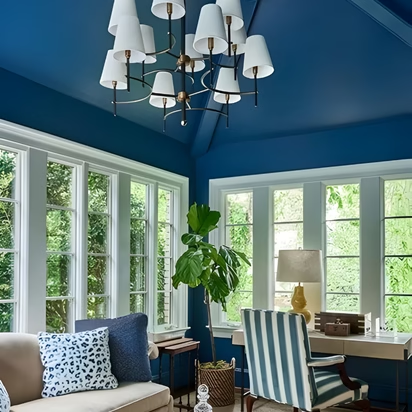
Large rooms often provide an opportunity for an accent wall. That wall might pick up a color from artwork, furniture, or a view outside the window. Used well, an accent wall adds interest to a plain room and gives the eye somewhere to land.
Vibrant colors can also work when they are handled intentionally. A bold color does not have to take over the whole home. Even one vibrant wall or focused accent can create a memorable surprise.
8. Use Color to Emphasize Lines
Color can accentuate important lines in a design. A long blank wall with a low ceiling, for example, may feel awkward if left untreated. But it can become interesting when framed photographs are arranged with consistent size and frame color, then supported by a subtle painted line slightly larger or smaller than the height of the frames.
That line might be two steps lighter than the wall color or pulled from the photographs themselves. The result is not just decoration. It strengthens the linearity of the space and turns a potential problem area into an intentional design moment.
9. Use Black Carefully for Emphasis
Black can create strong emphasis. It can draw attention to a specific piece of furniture, artwork, or architectural feature. A light object on a dark background will stand out more sharply. Red or other vibrant colors can feel even more dramatic when placed against black.
Because black has such visual weight, it should be used with intention. In the right place, it creates focus and sophistication. Used without restraint, it can overpower the room.
10. Consider Mirrors and Reflections
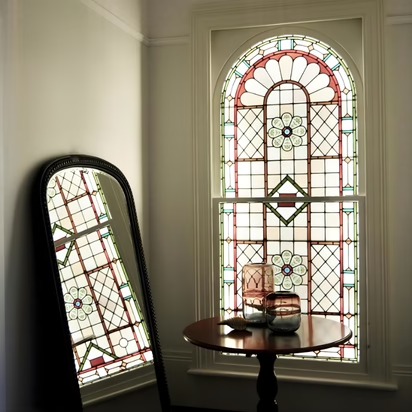
Mirrors are part of color planning because they amplify light, color, and line. A mirror reflecting an accent wall, window, artwork, or dramatic feature can double its impact.
That can be beautiful, but it also means the reflection matters. A mirror should not be placed without considering what it will repeat back into the room.
11. Connect the Exterior and Outdoor Living Areas
Color planning also matters outside the home. Exterior paint can reveal architectural lines, while updated materials can change how connected the home feels to the landscape.
In one remodel, the back screened porch was improved by replacing old wood framing with sleek aluminum posts for the new screen. That change created a cleaner view and a stronger connection to the large backyard. The color and material decisions were not only about appearance. They changed how the homeowners experienced the porch and the outdoor space beyond it.
Materials and Systems That Influence Color
Paint is only one part of color planning for home remodeling.
Flooring, cabinetry, trim, doors, windows, roofing, siding, lighting, furniture, art, mirrors, landscaping, and exterior views all affect the final palette. A color that works with one floor or roof color may feel completely different beside another.
This is why color should be planned as part of the larger remodeling system. Every surface participates in the final result.

How Color Planning Impacts the Longevity of a Remodel
Intentional color planning helps a remodel age more gracefully. A palette built only around trends may feel dated quickly, while one built around architecture, lighting, landscape, and homeowner personality is more likely to feel comfortable for years.
It also gives homeowners flexibility. Foundational colors can stay steady while smaller accents change by season or preference. This allows the home to evolve without requiring another major remodeling decision.
Most importantly, color affects how the home supports daily life. A home should not only look attractive in photos. It should feel connected, personal, and supportive of the routines happening inside it.
How Stearns Design Build Approaches Color Planning
At Stearns Design Build, color selection is part of the larger remodeling design process. We do not treat it as a last-minute paint decision.
Our process considers mood, lighting, material relationships, exterior features, indoor and outdoor connections, architectural lines, sightlines between rooms, and the homeowner’s daily experience. We guide these decisions in the right order so the palette supports the remodel instead of becoming a rushed decision at the end.
For homeowners planning a home remodel in College Station or a home remodel Bryan TX project, intentional color planning can help the finished home feel more cohesive, more personal, and more connected to the way they actually live.
Frequently Asked Questions
When should color planning happen during a remodel?
Color planning should begin during the design phase because flooring, cabinetry, lighting, exterior materials, furniture, and architectural details all influence the final palette.
How does color affect the way a room feels?
Color can make a room feel lighter, warmer, calmer, more energetic, more intimate, or more open. The effect depends on lighting, contrast, scale, and how the color relates to the rest of the home.
Should every room use the same color palette?
No. Rooms can have different identities while still feeling connected. Shared undertones, repeated accent colors, similar trim treatments, and intentional sightlines can help the home feel cohesive.
Can bold colors work in a timeless remodel?
Yes. Bold colors often work best when used with restraint, such as on an accent wall, furniture piece, built-in, door, or artwork connection. The goal is intention, not avoidance.
How do exterior colors affect curb appeal?
Exterior colors can reveal or hide the architecture of a home. Strategic contrast between siding, trim, doors, windows, and roofing helps emphasize proportion, detail, and visual depth.
Why does Stearns Design Build include color planning in the remodeling process?
Color affects how the finished remodel feels and functions. Planning it early helps reduce disconnected decisions, supports the homeowner’s goals, and creates a home that feels intentional from the inside out.