
A Mid Century Modern Remodel in College Station That Respects the Original Home
This mid century modern home remodel in the South Knoll neighborhood of College Station started with a dark, closed-off space that didn’t match the rest of the home. Through a series of intentional layout changes and material selections, we were able to bring in natural light, improve functionality, and create spaces that feel more in line with how the home was originally designed.
The Homeowner’s Challenge
This was one of those projects where the house already had a strong identity.
It was originally designed and built in the 1960s by local architect Theo R. Holleman, right in the middle of the Mid Century Modern movement. It stands out in the neighborhood, and in a good way.
Inside, though, the bathroom didn’t reflect that same character.
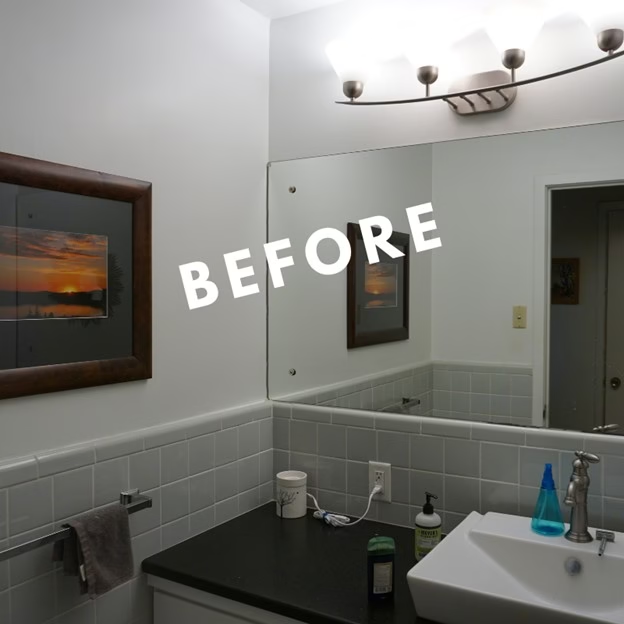
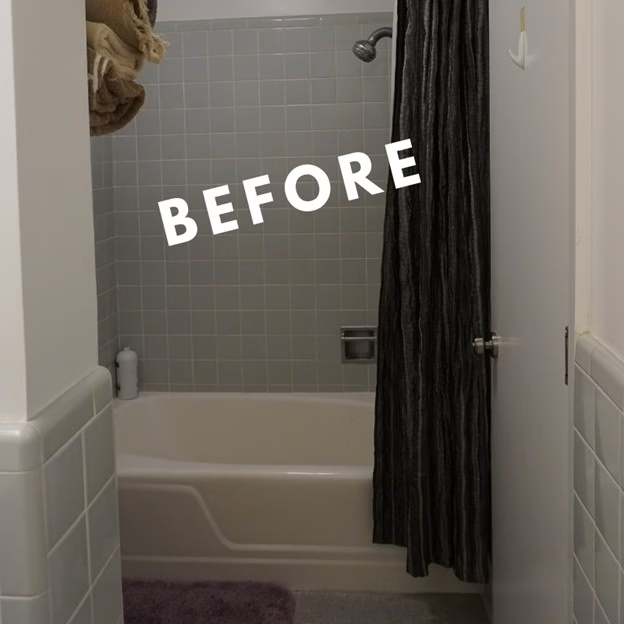
Everything in the space leaned dark. Gray tile across the floors, shower, and vanity. No windows. No natural light. It felt more enclosed than it needed to be, and it didn’t really connect to the rest of the home stylistically. There was also a functional issue. The downstairs bedroom didn’t have its own bathroom, which limited how the space could be used.
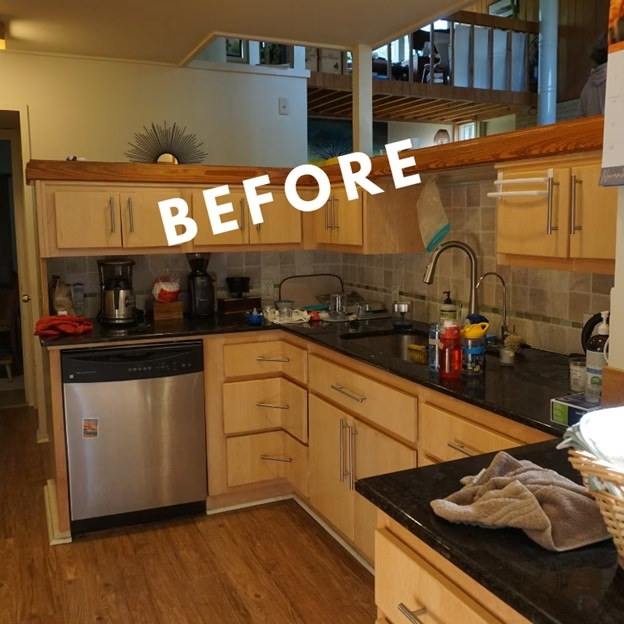
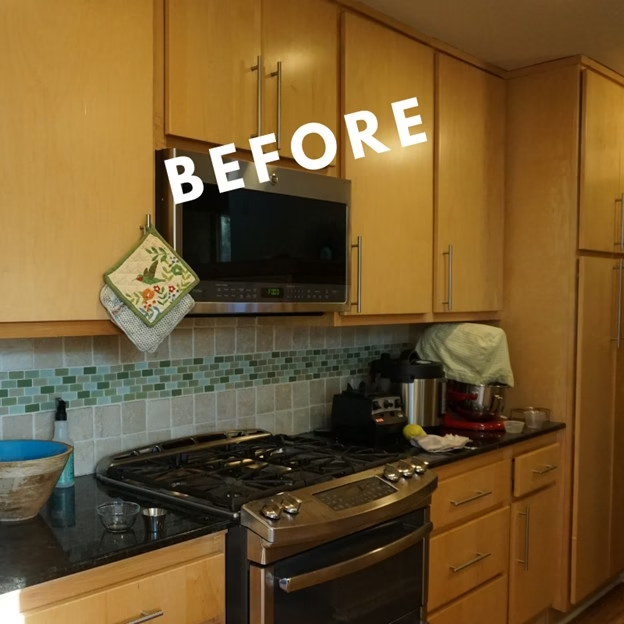
The kitchen had a similar problem, just less severe. It worked, but it felt heavier than it should have.
Design Goals
-
Bring natural light into the bathroom
-
Create an ensuite for the downstairs bedroom
-
Keep the Mid-Century Modern style intact
-
Lighten the kitchen without changing the layout
-
Make everything feel like it belongs together
Our Design & Build Approach
With homes like this, it’s easy to go too far. You can update everything and end up with something that technically looks “new,” but doesn’t feel right for the house anymore.
So the focus here was pretty simple. Keep what makes the home interesting, and fix what isn’t working.
That meant looking closely at layout first, then materials, then finishes. Not the other way around.
Key Decisions That Shaped the Outcome
Splitting One Bathroom Into Two
The original bathroom was large enough to rework, so we divided it into two spaces.
One became a full bathroom connected directly to the downstairs bedroom. The other became a separate half bath.
To make the full bathroom work, we extended it into a small alcove from the bedroom and carried it all the way to the rear exterior wall.
Adding a Window Where There Was None
The biggest issue in the bathroom was the lack of natural light.
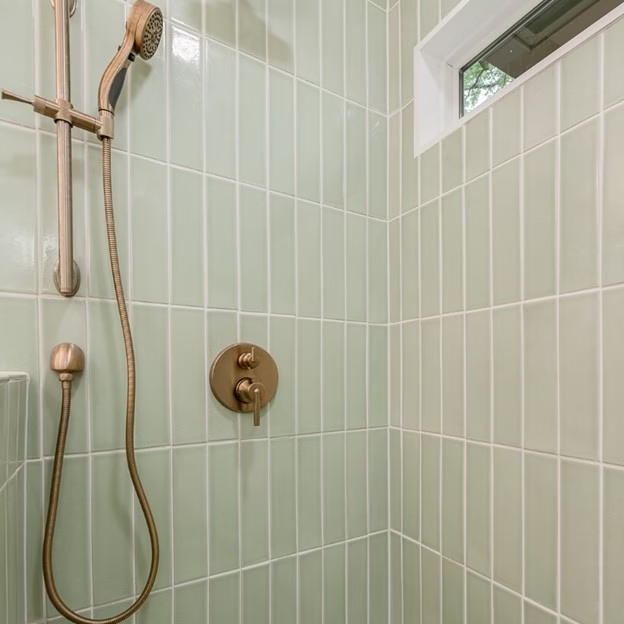
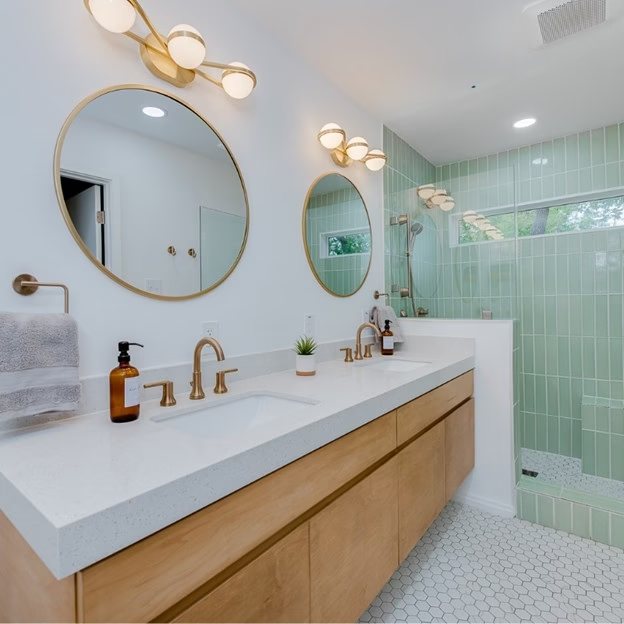
Since the new layout reached the exterior wall, we were able to add a transom window. It’s a small move, but it completely changes how the room feels during the day.
Keeping the Vanity Clean and Simple
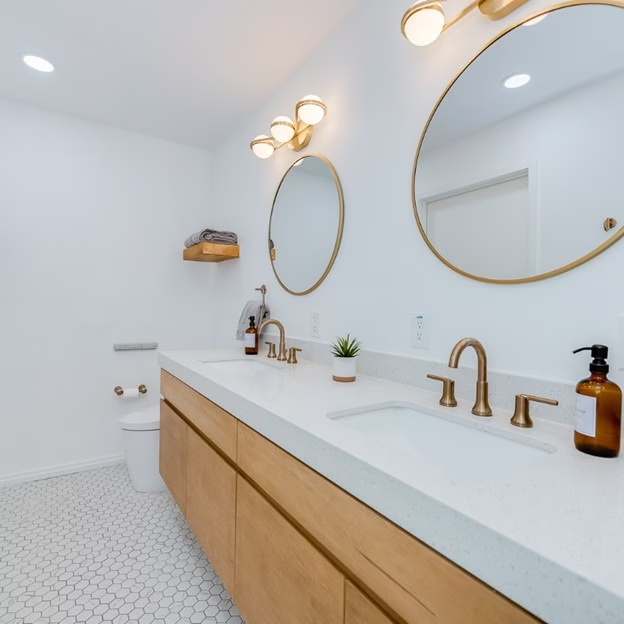
The floating vanity helped keep the space from feeling heavy again.
Slab-front maple cabinets, warm stain, nothing overly decorative. The quartz top has a thicker edge detail, which gives it a little more presence without making it feel bulky.
Building a Shower That Actually Gets Used
The homeowners didn’t want another tub in the new bathroom.
Instead, we built out a full shower with a bench and niche. The vertical sage green tile brings in color without feeling loud, and it fits the style of the home without trying too hard.
Letting Lighting Do Its Job
Once the window was in, we layered in lighting to support it.
Recessed cans for general light, and globe fixtures at the vanity. Nothing complicated, just enough to make sure the space works at any time of day.
Giving the Half Bathroom Its Own Moment
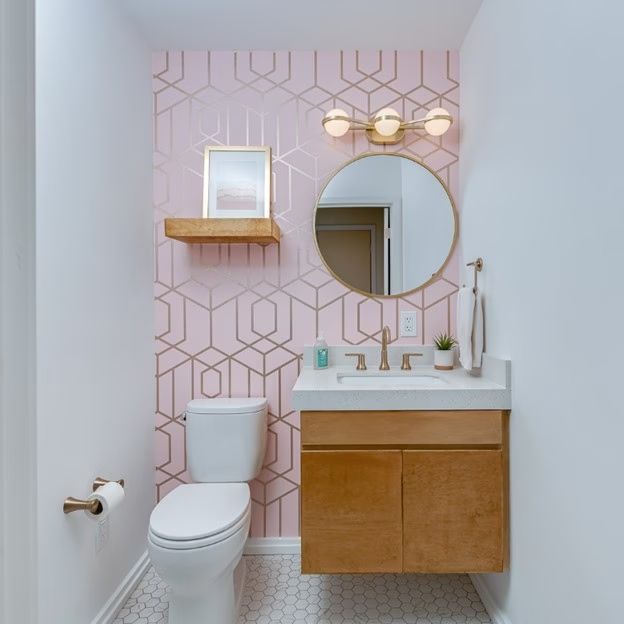
The half bath uses the same style, but we let it shift slightly.
The wallpaper adds a bit of personality without disconnecting it from the rest of the project. It was a stunning yet subtle pink color with gold accents in a rectangular geometric pattern. This wallpaper immediately gives a pop to the space, allowing the space’s personality to exist on its own, while still staying true to the Mid Century Modern style.
Lightening the Kitchen Without Overthinking It
The kitchen didn’t need a full redesign.
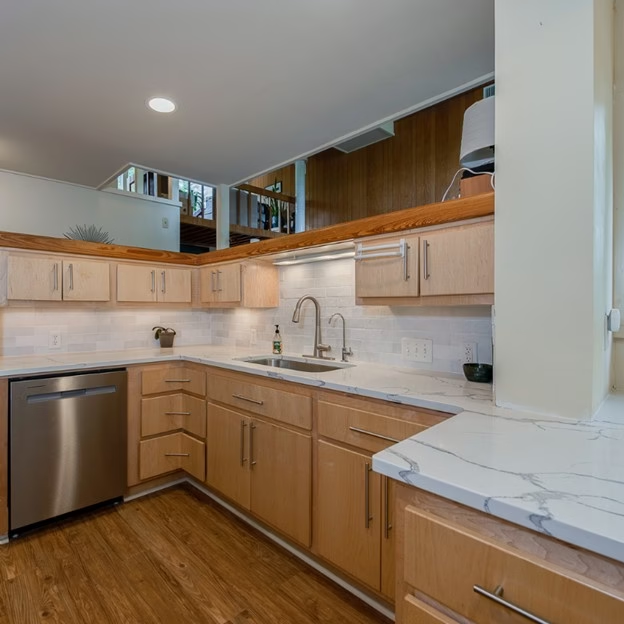
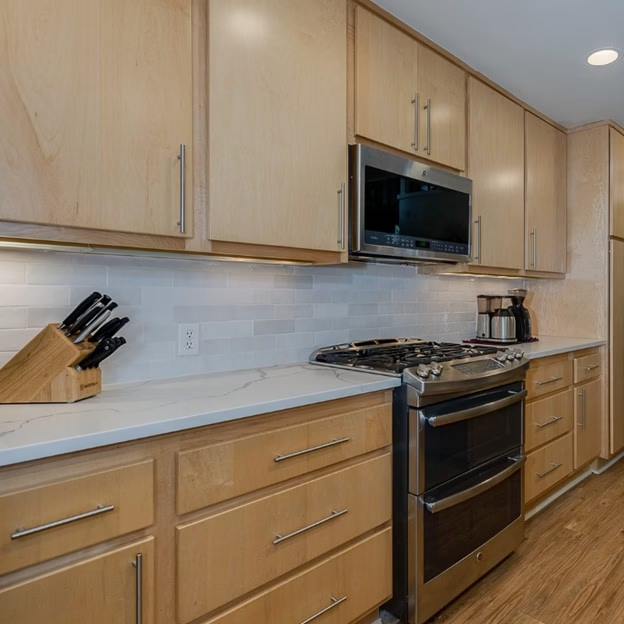
We swapped out the backsplash for a white glazed tile and replaced the dark countertops with a white quartz. That alone was enough to open the space up visually and make it feel brighter.
The Result
The biggest difference is how the spaces feel when you’re actually in them.
The bathroom is brighter, easier to use, and connected to the bedroom in a way that makes sense now.
The kitchen feels lighter without losing what already worked.
And the house still feels like the same house, just more aligned with itself.
Lessons for Homeowners Considering a Similar Project
If your home already has a strong style, you don’t need to fight it.
Most of the time, the better approach is to work with it and clean up what’s been added over the years.
Layout decisions matter more than people expect. If something doesn’t function well, changing finishes alone won’t fix it.
And small changes, done in the right places, tend to go further than a full reset.
Frequently Asked Questions
How do you update a Mid-Century Modern home without losing its style?
Pay attention to proportions, materials, and simplicity. Avoid adding unnecessary detail, and stick to choices that feel consistent with the original design.
Is it worth turning one bathroom into two?
If it improves how the home is used, yes. In this case, adding an ensuite made the downstairs bedroom much more functional.
Can you add natural light to an existing bathroom?
Sometimes, yes. It depends on where the room sits, but adding something like a transom window can make a big difference without major structural changes.
Does every kitchen need a full remodel?
No. If the layout works, targeted updates like countertops and backsplash can be enough to change how the space feels.