
How to Choose the Right Countertop Material for Your Home
Your countertops do a lot more than complete the look of a kitchen or bathroom. They become one of the hardest-working surfaces in your home, handling everything from meal prep and family gatherings to homework and everyday routines.
Because they see so much use, choosing a countertop deserves more thought than simply picking the color you like best. Every material has strengths, tradeoffs, maintenance requirements, and design characteristics that influence how it performs over time.
The best countertop for one homeowner may be the wrong choice for another. Understanding how different materials behave can help you make a decision that fits both your home and the way you live.
Why Your Countertop Choice Matters
Cabinets, flooring, and paint can often be updated without disrupting an entire room. Countertops are different.
Replacing countertops usually involves disconnecting plumbing, removing sinks, adjusting backsplashes, and coordinating multiple trades. While replacing them later is certainly possible, it is much easier and often more cost-effective to choose a material you’ll still appreciate years from now.
Beyond appearance, countertops influence everyday maintenance, cleaning routines, food preparation, durability, and even resale appeal. A beautiful surface that constantly demands attention may become frustrating, while a practical surface that complements your lifestyle often continues to perform long after the excitement of a remodel fades.
What Should You Consider Before Choosing a Countertop?
Most homeowners begin by looking at samples, but appearance is only one part of the decision.
Questions worth considering include:
- How much daily use will the surface receive?
- Are you comfortable with routine maintenance?
- Do you cook often or entertain frequently?
- Will young children regularly use the space?
- Do you prefer natural materials or manufactured products?
- Is long-term durability more important than following current design trends?
Thinking through these questions first makes comparing materials much easier because you’ll already know which characteristics matter most for your household.
Common Countertop Materials and What to Expect
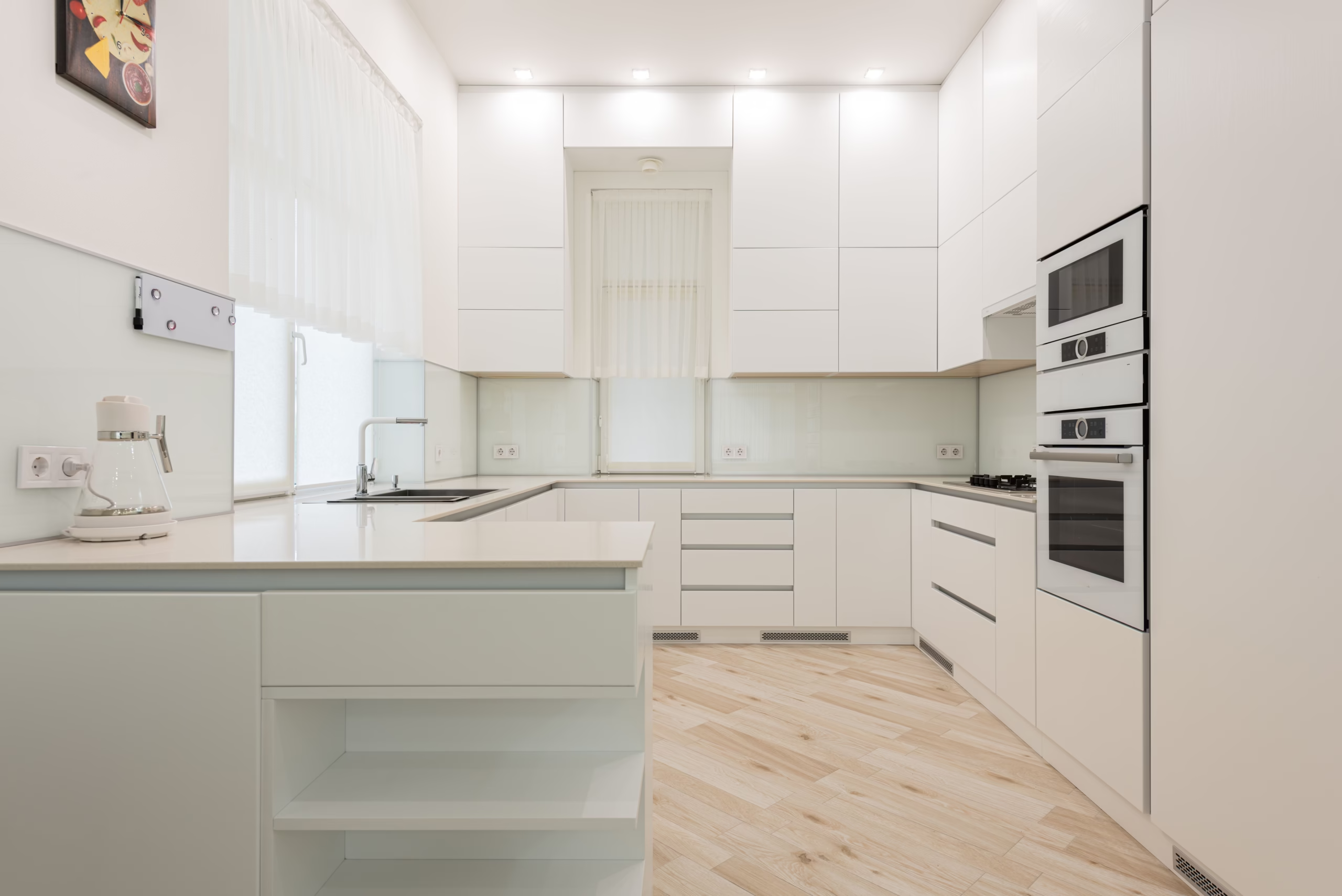
Laminate
Laminate has come a long way from decades past. Modern laminates offer a wide variety of colors and patterns, including options that resemble wood or natural stone.
Its biggest advantage is affordability. It is also water resistant and relatively easy to maintain.
While laminate performs well for many households, it can be damaged by excessive heat or deep cuts, and repairs are generally more noticeable than with some other materials.
For homeowners working within a tighter remodeling budget, laminate remains a practical option.
Tile
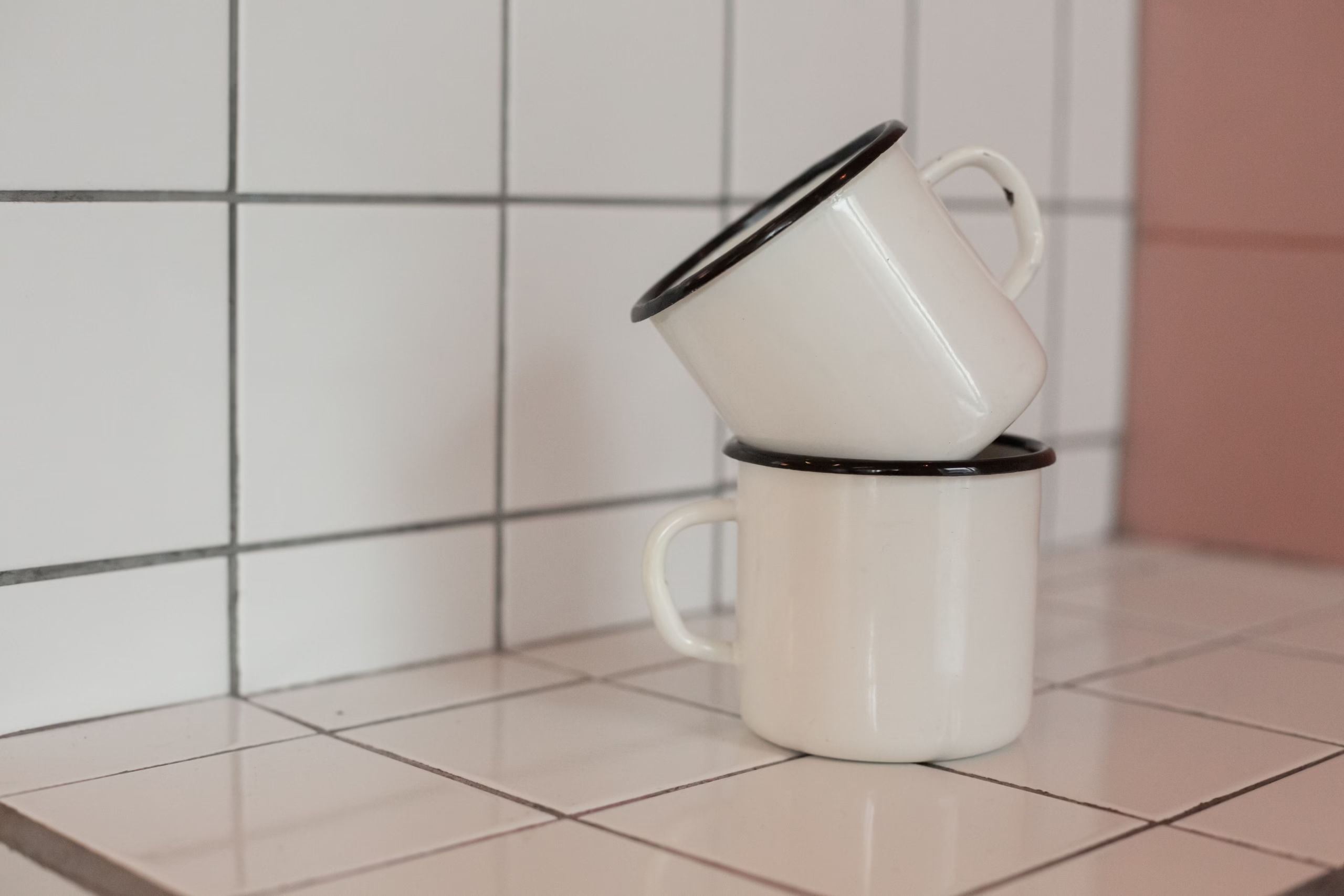
Tile countertops are less common today than they once were, largely because grout joints require additional cleaning and maintenance.
Modern grout products have improved significantly, making upkeep easier than in previous decades. Tile also offers tremendous flexibility in color, size, and layout.
For homeowners who appreciate handcrafted character or want something outside the mainstream, tile can still be a worthwhile choice.
Granite
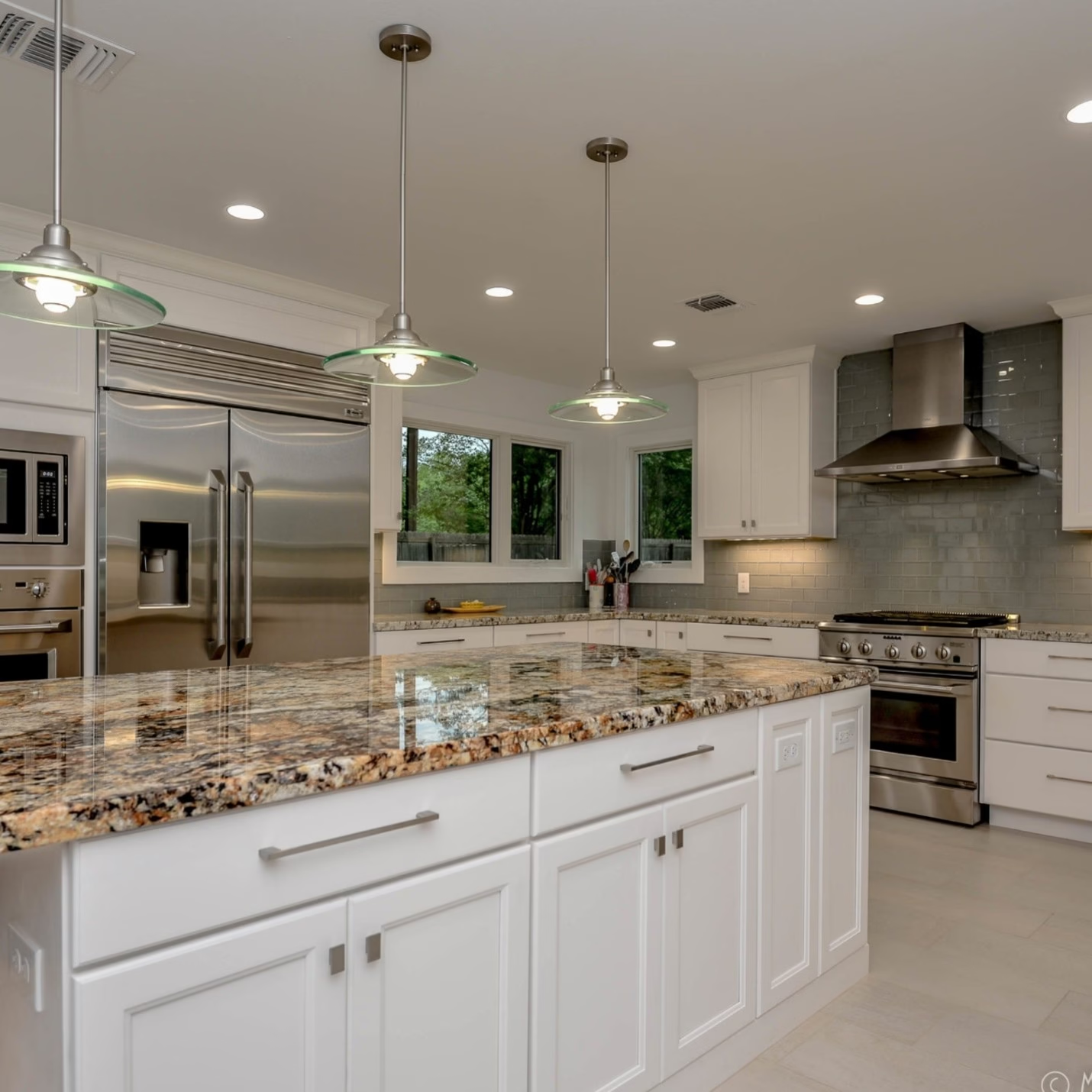
Granite has remained popular for decades because every slab is naturally unique.
One of granite’s biggest strengths is durability. It resists scratches well, tolerates heat, and handles everyday kitchen use without much concern.
Because granite is a natural stone, it is porous. Periodic sealing helps protect against staining, particularly from oils, wine, coffee, or acidic foods left sitting on the surface. The Natural Stone Institute recommends following manufacturer guidance for sealing and using pH-neutral cleaners to help preserve natural stone surfaces.
Some homeowners assume granite has disappeared from current design trends, but that isn’t necessarily the case. Certain colors that were extremely common years ago may feel dated today, while many newer granite selections continue to complement contemporary homes beautifully.
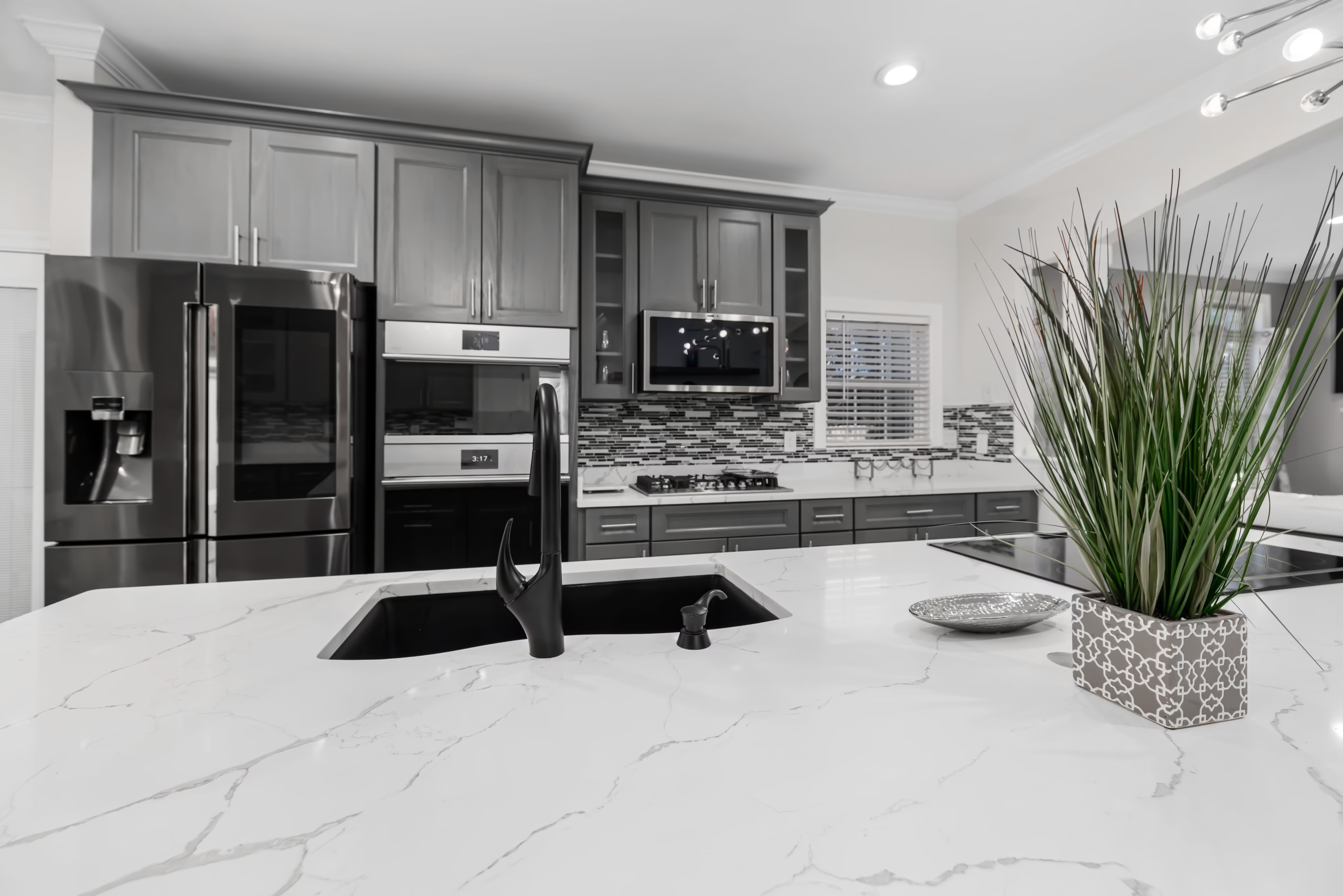
Quartz
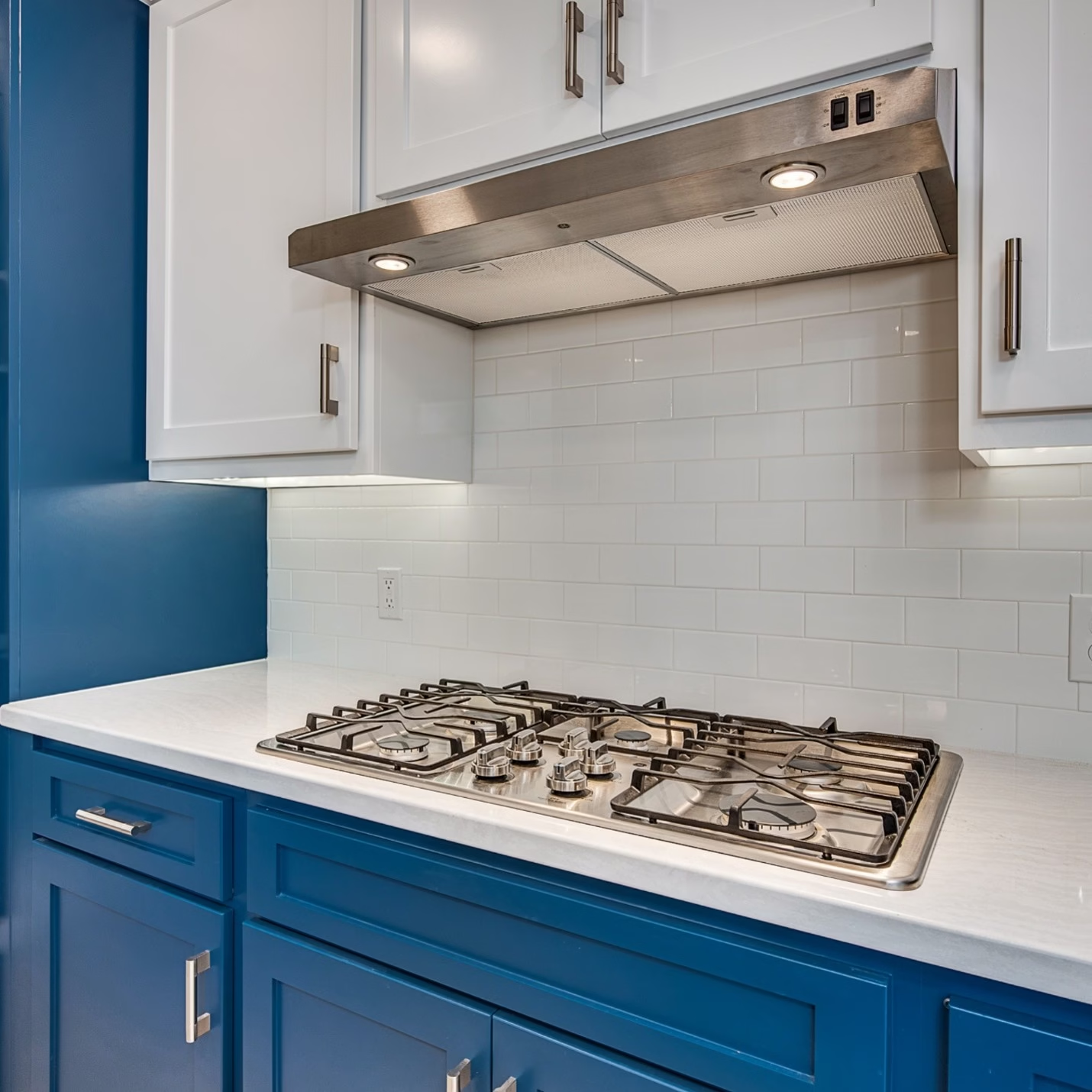
Quartz has become one of the most requested countertop materials in recent years.
Unlike natural stone, quartz is engineered using crushed stone and resins. That manufacturing process creates a nonporous surface that does not require sealing.
Quartz resists stains, scratches, and everyday wear very well. It also comes in an enormous variety of colors and patterns, including designs that resemble marble or concrete.
Heat resistance is good, although extremely hot cookware should still be placed on trivets rather than directly on the surface.
For many homeowners, quartz offers an appealing balance of appearance, durability, and low maintenance.
Marble
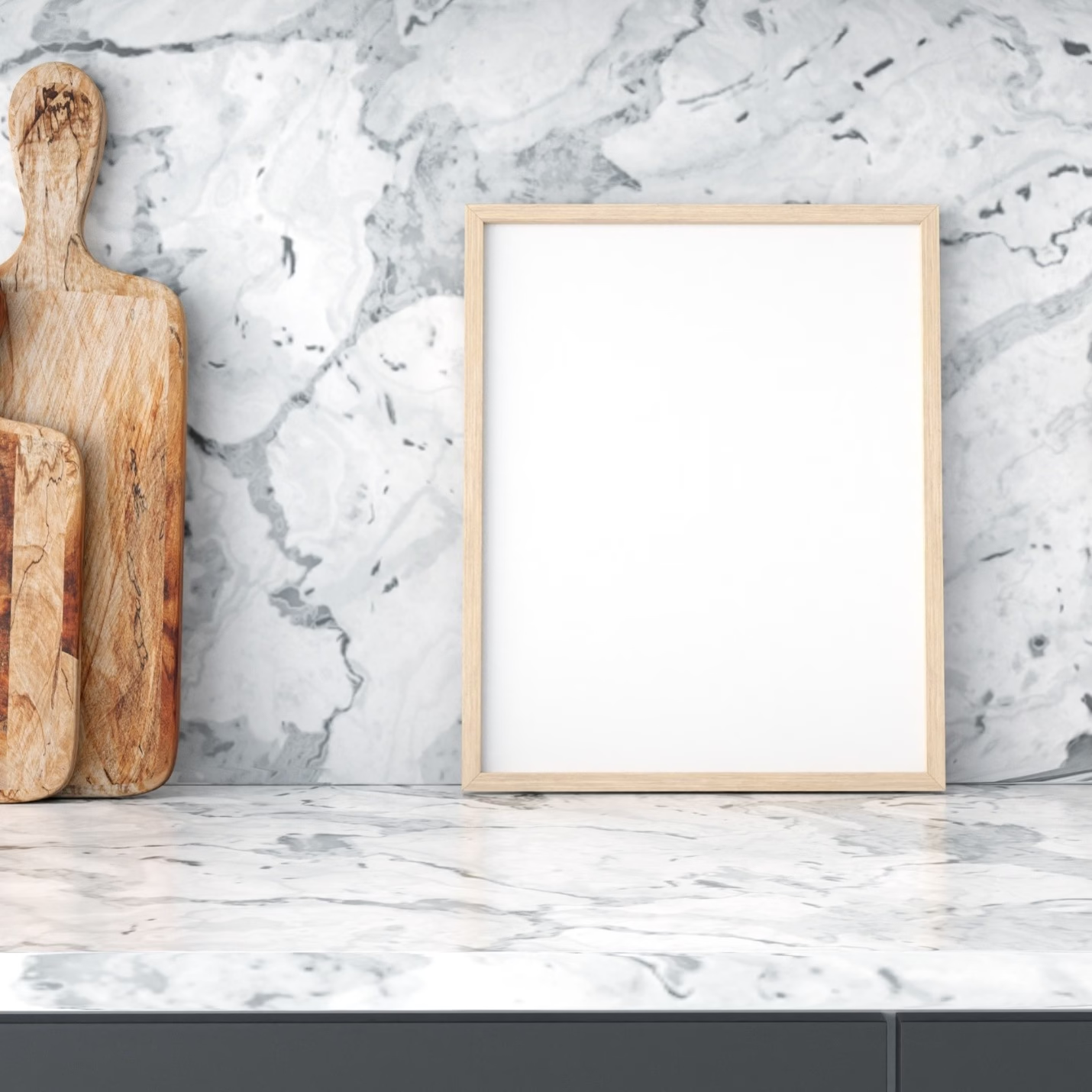
Marble is admired for its timeless appearance and distinctive veining.
It also demands more attention than many people expect.
Marble scratches more easily than granite or quartz, and its porous surface can stain quickly if spills are not cleaned promptly. Acidic foods such as lemon juice or vinegar can also etch the surface.
Some homeowners happily accept those characteristics because they appreciate the natural aging process. Others prefer materials that deliver a similar appearance with fewer maintenance concerns.
Butcher Block
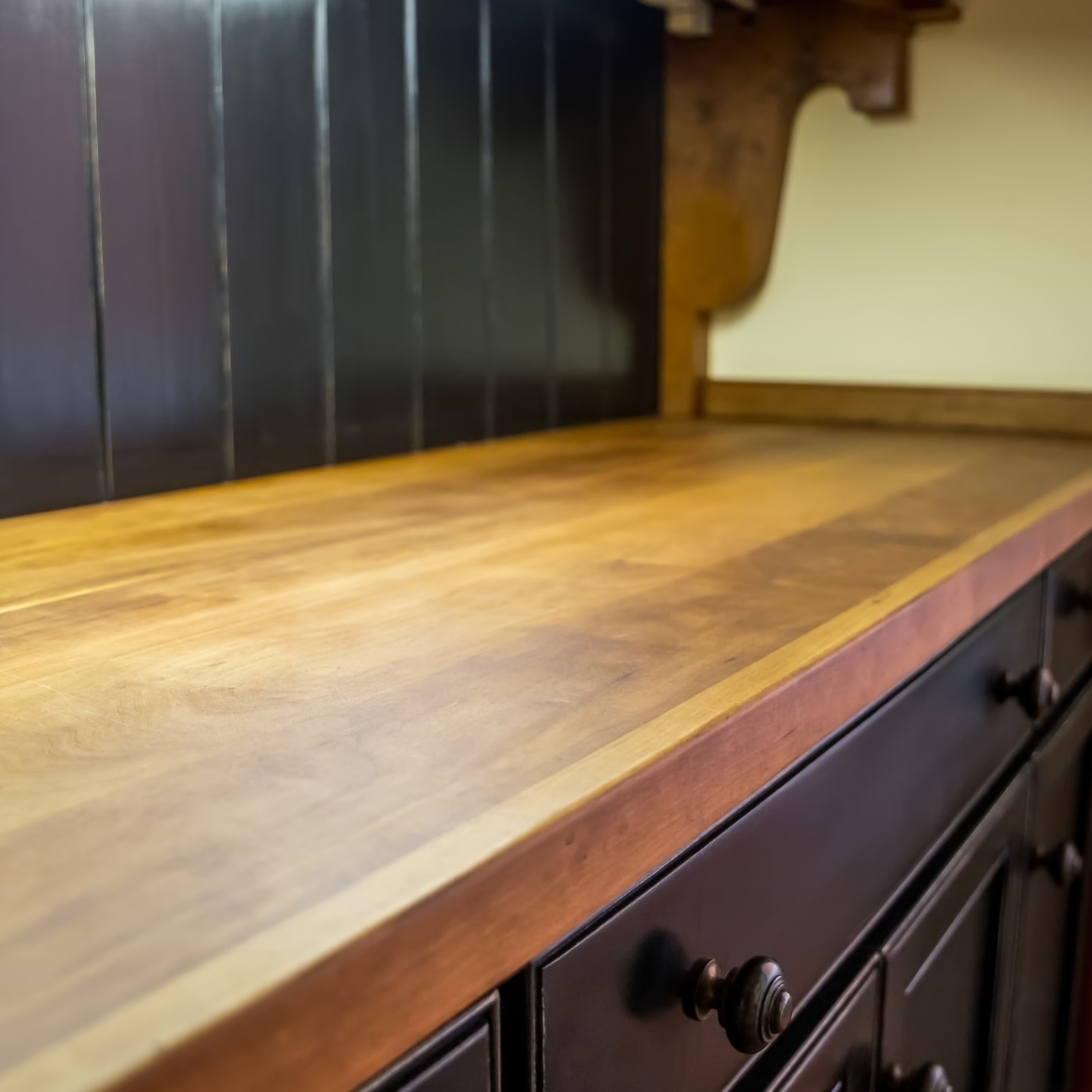
Wood countertops introduce warmth that few other materials can match.
They are also among the most customizable surfaces available, since they can often be sanded and refinished over time.
Wood requires regular care. Moisture, standing water, heat, and sharp objects can all affect its appearance. Periodic oiling or sealing helps preserve the surface and maintain food safety.
Many homeowners choose butcher block as an accent surface rather than installing it throughout the kitchen. Pairing wood with stone or quartz often creates visual contrast while giving each work area a purpose.
Porcelain
Porcelain countertops have gained attention in recent years as manufacturers continue expanding their offerings.
They resist scratches, stains, and heat exceptionally well while requiring very little maintenance. Because porcelain is manufactured, it is available in many patterns that resemble marble or natural stone.
Availability remains more limited than quartz or granite, and fabrication requires experienced installers. As the industry continues to evolve, porcelain will likely become more common in residential remodeling.
Stainless Steel
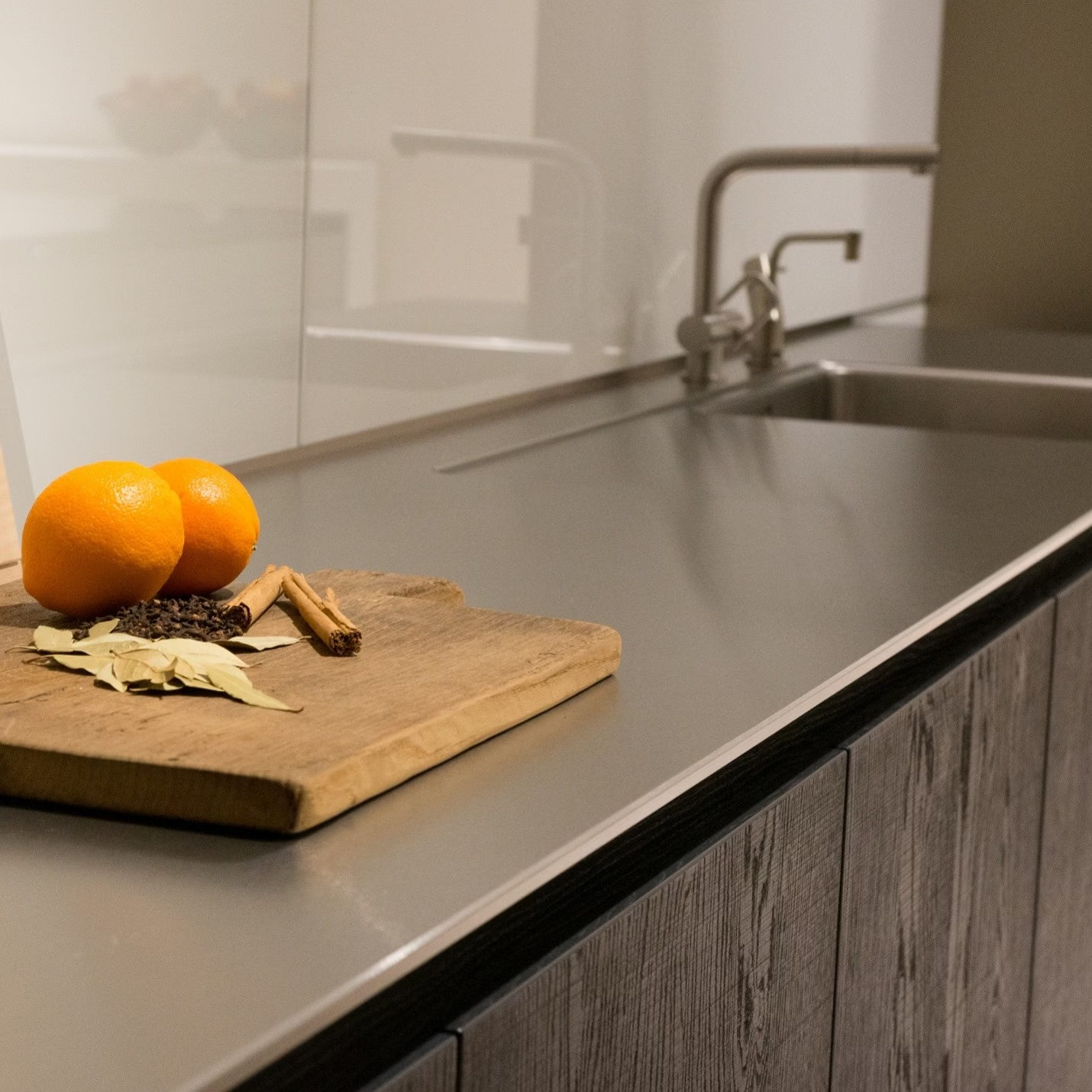
Stainless steel has long been valued in commercial kitchens because it is hygienic, heat resistant, and easy to sanitize.
For residential homes, it creates a clean, contemporary appearance that fits certain design styles particularly well.
The surface can show fingerprints, scratches, and small dents over time, so homeowners should expect visible wear as the material ages.
Recycled and Specialty Materials
Some homeowners prefer countertops made with recycled glass, paper composites, or other environmentally conscious materials.
These options can provide distinctive appearances while reducing the use of newly harvested raw materials. Performance varies by manufacturer, making it worthwhile to understand the maintenance requirements of each product before making a final decision.
Can You Mix Countertop Materials?
Absolutely.
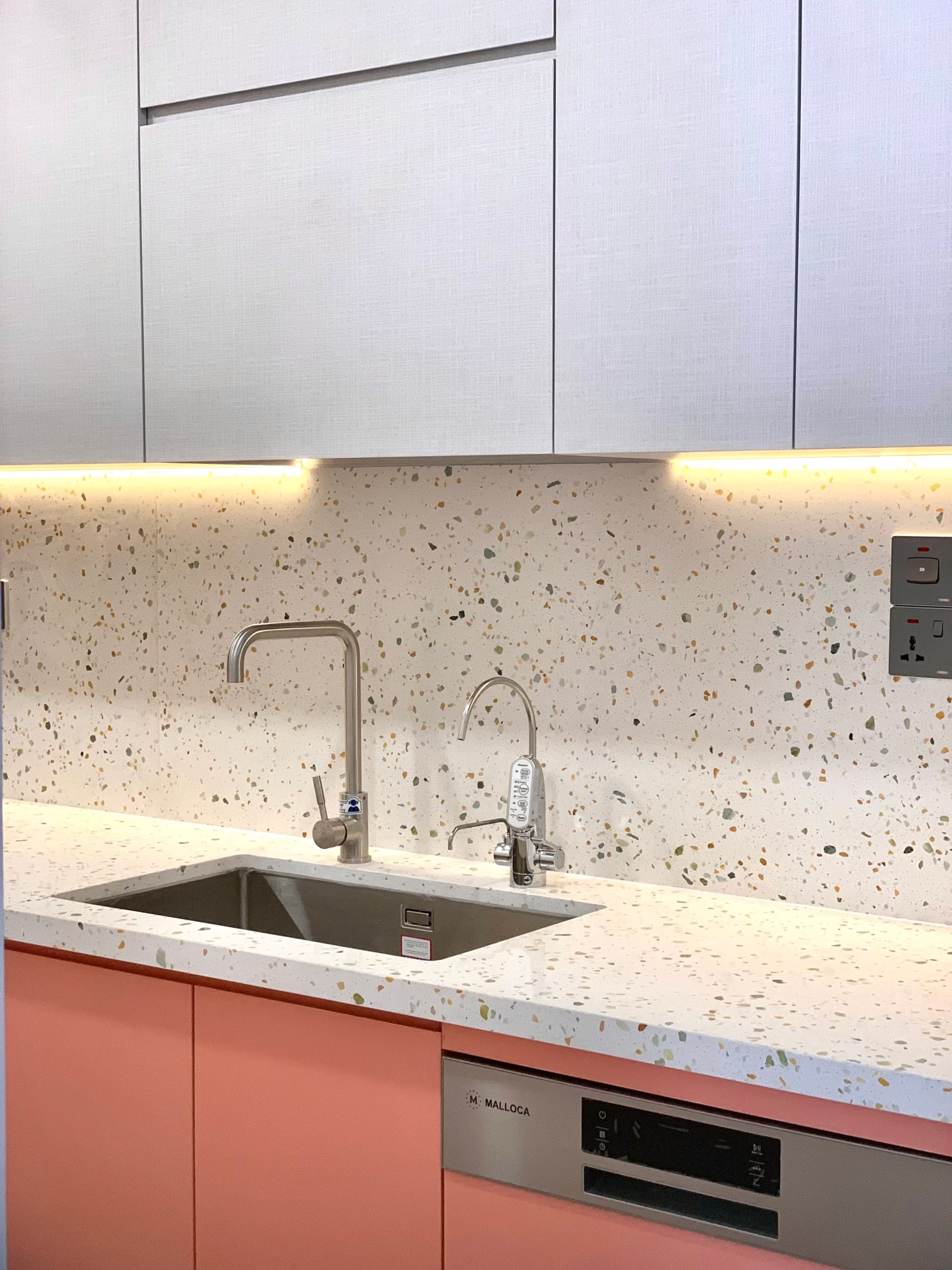
Many kitchens benefit from combining materials rather than using the same surface everywhere.
A large island might feature butcher block for food preparation while perimeter countertops use quartz for durability and easy cleaning. Another kitchen may incorporate stone around the cooktop while selecting a different material for a coffee station or baking area.
When each surface serves a specific purpose, the kitchen often becomes both more functional and more visually interesting.
How Material Choice Affects the Life of Your Remodel
Countertops influence more than appearance.
They affect daily cleaning, maintenance schedules, cooking habits, and how comfortably your kitchen supports your routine. Choosing a material that aligns with how you actually use your home often leads to greater long-term satisfaction than selecting one based solely on current trends.
A countertop should continue serving your family years after the remodel is complete. Considering durability alongside aesthetics helps create a space that remains enjoyable long after installation day.
How Stearns Design Build Helps Homeowners Choose Countertops
Countertops are one decision among hundreds in a remodeling project, but they interact with many others. Cabinet layouts, sink selections, lighting, backsplash materials, appliance placement, and even the height of work surfaces all influence which countertop makes the most sense.
Rather than starting with product samples, our design process begins by understanding how you use your home. Those conversations guide material recommendations that fit your priorities, your maintenance preferences, and the way your kitchen or bathroom functions every day.
That approach helps homeowners make decisions with confidence instead of trying to compare dozens of materials in isolation.
Frequently Asked Questions
Which countertop material requires the least maintenance?
Quartz is often considered one of the easiest countertop materials to maintain because it is nonporous and does not require routine sealing.
Is granite still a good choice?
Yes. Granite remains an excellent option for many homes. Today’s selections include a wide range of colors and patterns, making it suitable for both traditional and contemporary designs.
Are butcher block countertops difficult to maintain?
They require more regular care than stone or quartz. Periodic oiling or sealing helps protect the wood from moisture and everyday wear.
Can different countertop materials be used in the same kitchen?
Yes. Mixing materials is common and can improve both function and appearance when each surface is selected for its intended use.
Which countertop material lasts the longest?
Several materials can provide decades of service when properly cared for. Quartz, granite, porcelain, and solid surface products all have excellent longevity when installed correctly and used as intended.