
Understanding Cork Flooring: Performance, Comfort, and Long-Term Considerations for Your Home
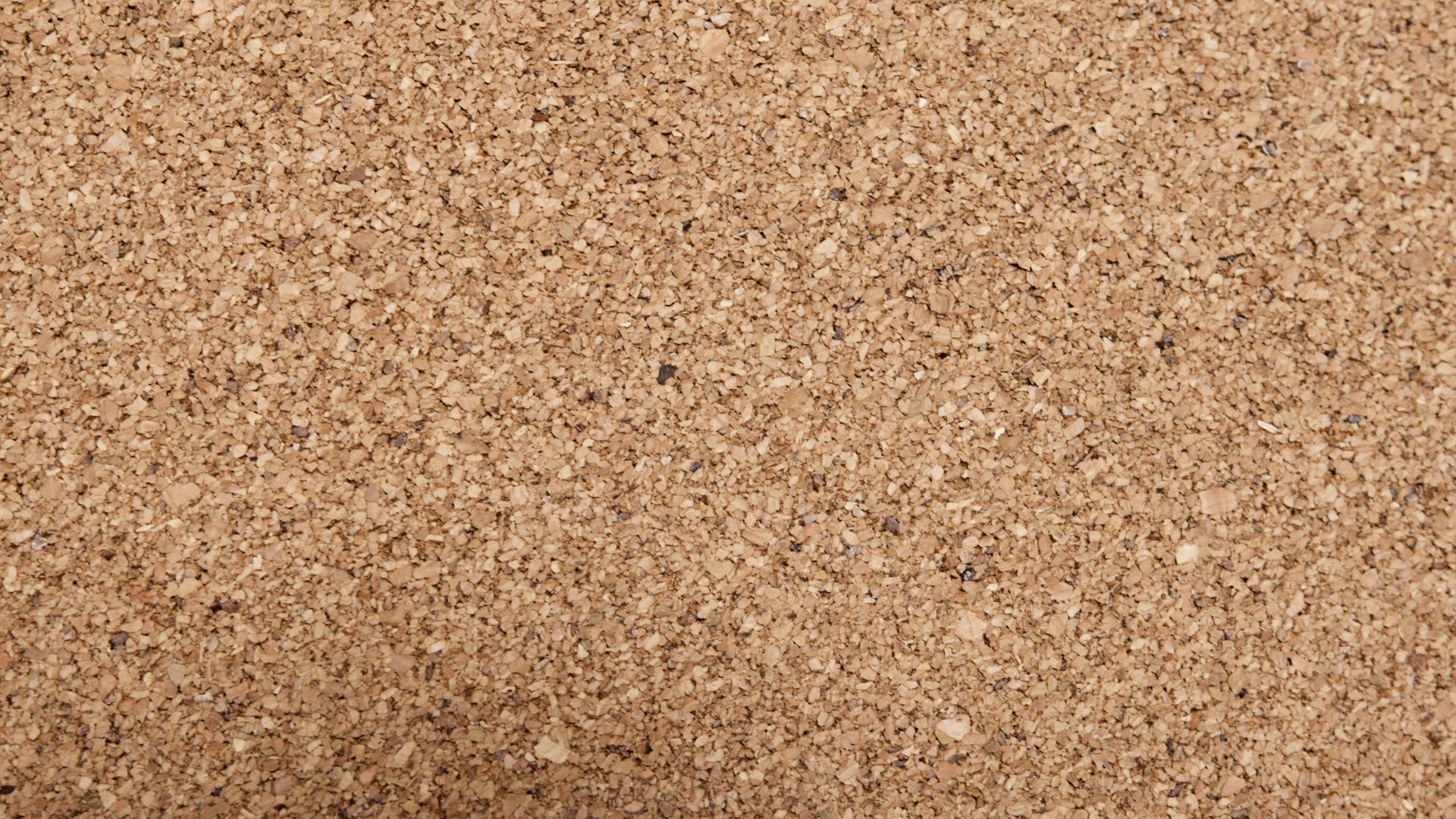
Choosing the right flooring affects how your home feels and functions every day. Cork flooring is one material homeowners sometimes overlook because it performs differently than traditional hardwood, tile, or synthetic options. Its natural structure impacts comfort, durability, sound control, maintenance, and sustainability, making it worth understanding when comparing flooring materials for a remodel.
Why Flooring Material Selection Matters in a Remodel
Flooring is one of the most frequently used surfaces in a home. It influences how rooms feel underfoot, how much maintenance is required, and whether the material supports the way a household actually lives.
Some homeowners prioritize durability because of pets, children, or high-traffic spaces. Others focus on comfort, environmental impact, or choosing materials that will continue working well as their needs change.
There is rarely one perfect flooring material for every situation. The right choice depends on matching the qualities of the material with the goals of the homeowner.
Cork flooring has several unique characteristics because of how the material naturally grows and responds to everyday use.
How Cork Flooring Works as a Natural Material
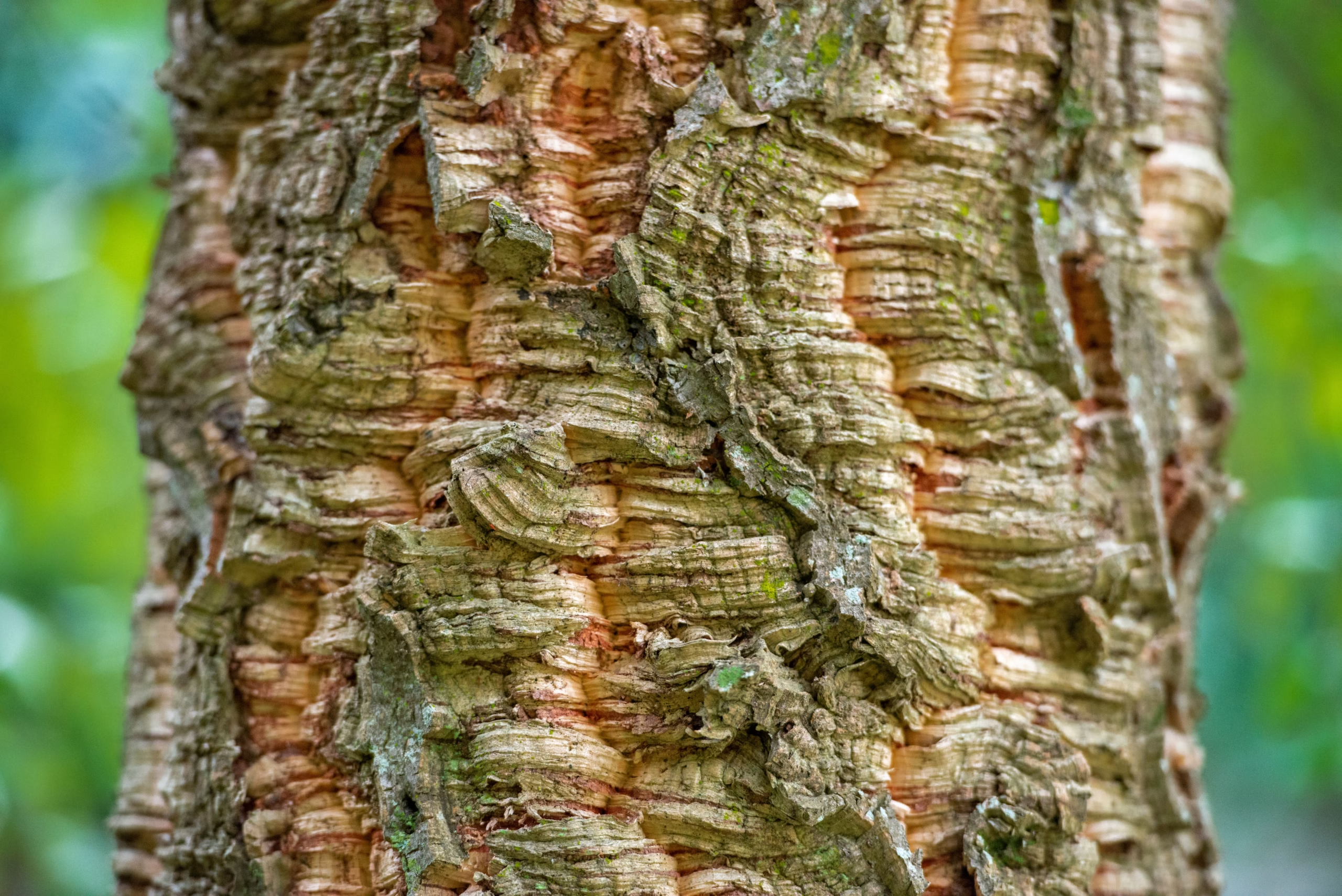
Cork comes from the bark of the cork oak tree, also known as Quercus suber. Unlike traditional lumber harvesting, cork production does not require cutting down the tree. The bark is carefully removed and allowed to regenerate, making future harvests possible from the same tree.
Cork bark is typically harvested about every 9 to 10 years, primarily from regulated forests in regions such as Portugal and Spain. The Food and Agriculture Organization of the United Nations describes cork as a natural forest product produced through a sustainable system. Because the tree continues growing after harvest, cork is often considered an environmentally conscious flooring option.
For homeowners interested in sustainable flooring materials, understanding where a product comes from and how it is produced is an important part of the selection process.
Cork Flooring Benefits and Performance Factors
Cork has a different structure than many common flooring materials. Its natural cellular makeup creates several characteristics that affect how it performs inside a home.
Comfort and Everyday Use
One of the most noticeable qualities of cork flooring is the way it feels underfoot.
Cork has a natural amount of give, creating a softer walking surface compared to harder materials like tile. This can make it easier on knees, backs, and joints during daily activities.
That comfort can be especially valuable in areas where homeowners spend a lot of time standing, such as kitchens or workspaces. It is also one reason cork is sometimes considered when planning homes that support aging in place.
The softer surface can also be more forgiving when items are dropped compared with harder flooring materials.
Temperature and Sound Control
Cork is a natural insulator, which affects both temperature and acoustics.
Because of its structure, cork can help create a floor surface that feels warmer during cooler months while remaining comfortable during warmer seasons. This can be a useful quality in areas like Bryan and College Station where homes experience long periods of heat but still need year-round comfort.
Cork also has sound-reducing properties. Compared with many hard flooring surfaces, it can help soften noise from footsteps and everyday activity.
For homeowners thinking beyond appearance, these small comfort details can change how a space feels once it is being lived in.
Durability and Resilience
A common concern with cork flooring is whether a softer material can hold up over time.
Although cork feels different from harder flooring options, it is naturally resilient. Cork has what is often described as “memory,” meaning the material can compress under pressure and work back toward its original form after the pressure is removed.
This quality helps cork resist many minor dents from everyday use.
Before becoming more common in residential homes, cork was often used in commercial spaces where flooring needed to handle frequent foot traffic. Its history in those settings shows why softness alone does not determine durability.
Common Concerns About Cork Flooring
Like any flooring material, cork performs best when it is used in the right environment and properly finished.
One concern homeowners often have is moisture. Cork naturally has properties that help resist mold and mildew, but the protective finish plays an important role in long-term performance.
When properly sealed and maintained, cork can be used in areas such as kitchens and bathrooms. Water-based finishes, including urethane options, are commonly used to protect the surface.
The important consideration is understanding that performance comes from the complete flooring system. The material, installation, finish, and maintenance all work together.
Cork Flooring Maintenance and Longevity
Cork flooring is generally considered a lower-maintenance flooring option.
Routine cleaning is usually simple, and many cork floors can be maintained with regular sweeping and a damp mop. Because cork naturally contains antimicrobial properties and compounds that help resist insects, it offers qualities that some homeowners value when considering healthier material options.
As with any flooring, longevity depends on proper care. Keeping the protective finish in good condition helps the material continue performing as intended.
Design Options With Cork Flooring
Beyond performance, cork also offers a distinctive appearance.
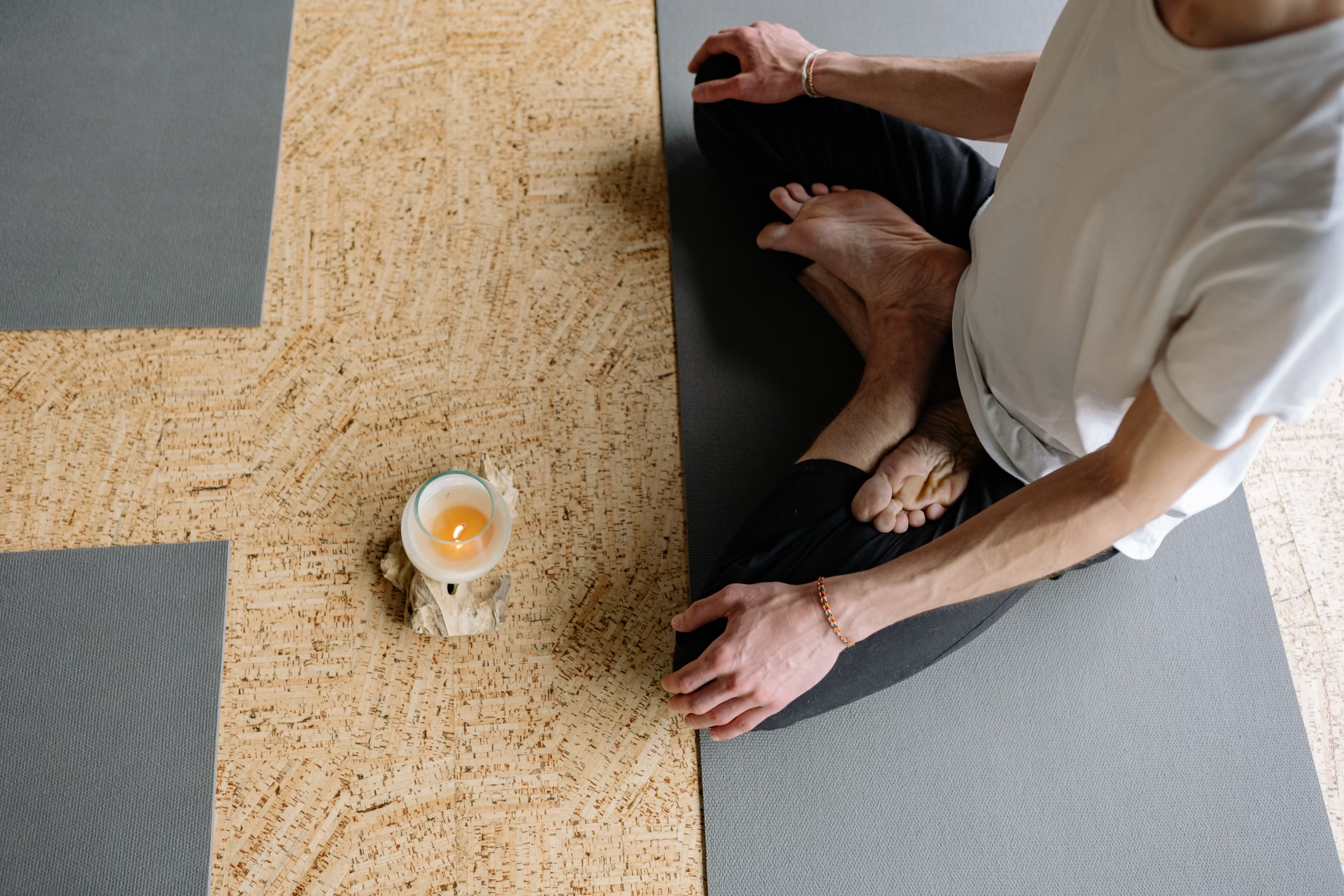
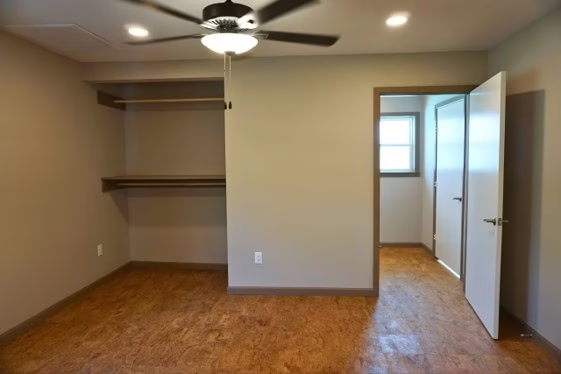
Many people think of cork as having only one look, but cork flooring comes in a variety of colors, patterns, and styles. Its natural warmth can create a similar inviting feeling to wood while providing a different texture and visual character.
Cork can also be used creatively through inlays and patterns, allowing homeowners to create a more personalized design.
Because flooring covers such a large portion of a room, the visual impact of the material matters alongside its practical qualities.
How Stearns Design Build Approaches Flooring Material Selection
Every flooring material comes with different strengths, limitations, and long-term considerations. Our role is to help homeowners understand how those differences connect back to their specific home, routines, and goals.
During the design process, flooring selections are considered alongside how each space will actually be used. A busy kitchen, a quiet bedroom, a bathroom, and a main living area may all have different priorities.
Cork flooring is one example of why material conversations go beyond appearance. Characteristics like comfort underfoot, maintenance requirements, durability, sound control, and environmental impact can all influence whether a material supports the way someone wants to live in their home.
By working through these decisions before construction begins, homeowners have a clearer understanding of what they are choosing and why. The goal is a finished space where the materials support both the design and everyday experience of the home.
Frequently Asked Questions
Is cork flooring durable enough for everyday use?
Yes, cork can be a durable flooring option when properly installed, finished, and maintained. Although it feels softer than materials like tile, cork’s natural resilience allows it to recover from many types of everyday pressure.
Can cork flooring be used in kitchens and bathrooms?
Cork can be used in kitchens and bathrooms when the right finish and installation approach are used. Proper sealing is important because moisture protection affects long-term performance.
Is cork flooring environmentally friendly?
Cork is often considered an environmentally conscious flooring option because it comes from renewable cork oak bark. The tree continues growing after the bark is harvested, allowing the material to regenerate for future use.
Is cork flooring good for aging in place?
Cork can support aging-in-place goals because it provides a softer surface that may be more comfortable for joints compared with harder flooring materials. Flooring selection should always consider the homeowner’s specific needs and lifestyle.
How difficult is cork flooring maintenance?
Cork flooring is typically simple to maintain with routine cleaning. Like other natural flooring materials, protecting the finish and following proper care recommendations helps extend its lifespan.