
What Creates Long-Term Value in a Home Beyond Price Per Square Foot
Price per square foot is one of the most common ways people compare homes, but it only tells one small piece of the story. A home’s long-term value comes from the decisions behind the walls, the quality of the materials selected, and how well the design supports the people living there.
A lower number on paper can feel like a better investment at first. Years later, the true cost of those decisions often becomes clearer through maintenance, energy use, replacements, and spaces that never quite function the way a family needs them to.
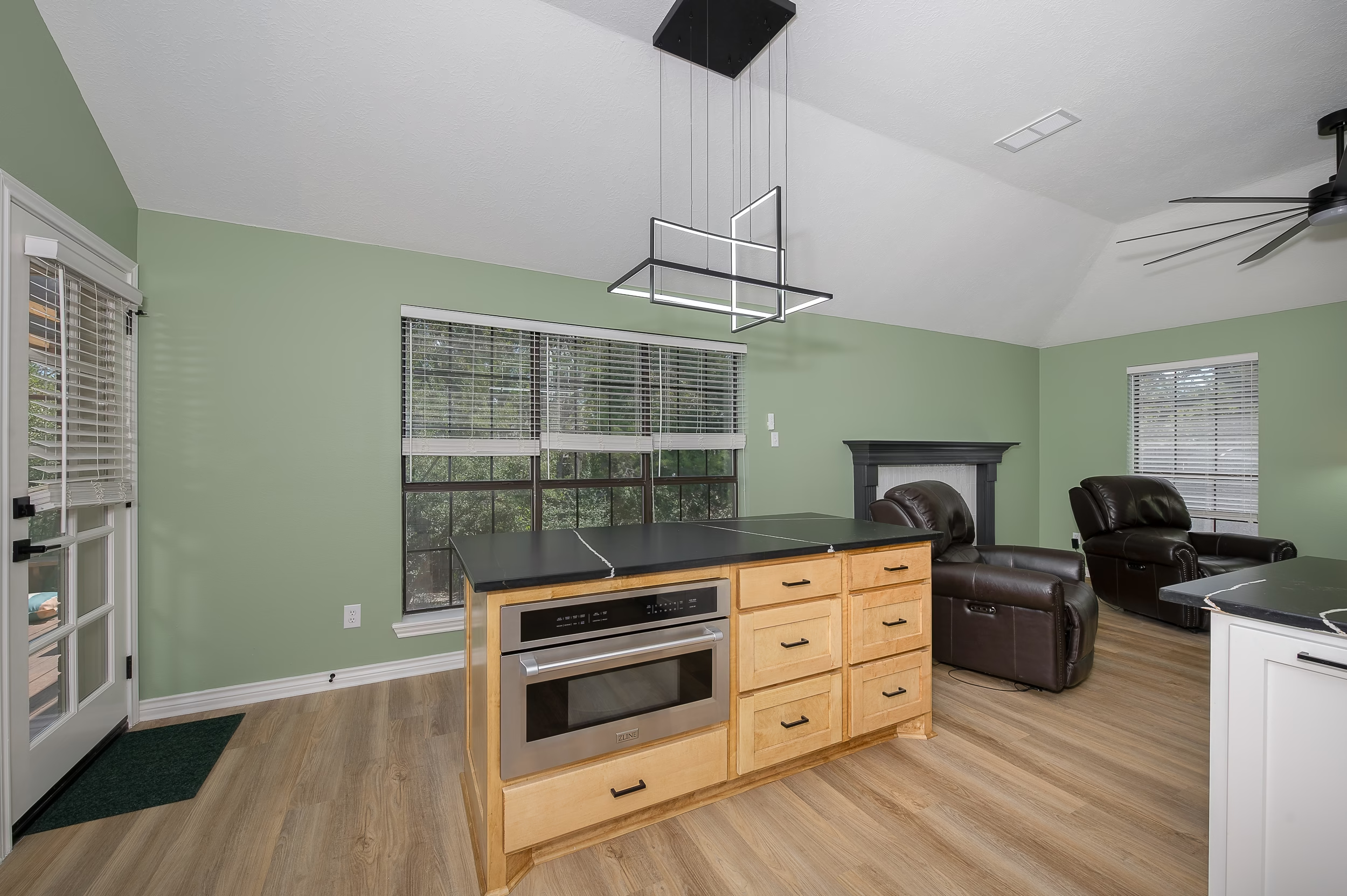
What Home Value Beyond Price Per Square Foot Means in Residential Design
For years, price per square foot has been treated as the easiest way to measure value.
The formula seems straightforward. Take the cost of the home, divide it by the square footage, and compare the final number.
The challenge is that this calculation leaves out many of the decisions that shape the actual experience of owning a home.
An average home contains more than 2,500 unique items. Windows, doors, flooring, cabinets, insulation, fixtures, and hundreds of other details all influence how a home performs over time.
Price per square foot does not tell you how those decisions were made.
Two homes may have the same size and similar appearances while being very different in quality, comfort, and long-term performance. The difference usually comes from decisions most homeowners never see during construction.
The materials selected, the planning behind the layout, and the attention given during the design phase all contribute to the value a homeowner experiences after move-in.
Why Quality Home Design Impacts Everyday Living
One of the easiest ways to reduce the initial cost of a home is to focus heavily on the price of individual materials and decisions.
The difficulty is that homes are connected systems.
A decision made in one area can influence comfort, efficiency, maintenance, or future expenses in another.
A lower-quality window may reduce the original construction cost but impact energy performance. A less durable material may look similar when installed but require replacement sooner. A layout created without understanding how a family lives may technically provide enough square footage while still feeling frustrating every day.
This is why design plays such an important role in protecting long-term home value.
Good design starts before construction begins. It considers how spaces connect, how people move through the home, and how each decision contributes to the overall experience.
Common Misunderstandings About Home Value
A lower price per square foot always means a better investment.
A lower initial cost can be appealing, but price alone cannot measure how well a home will serve a family over time.
The cost of a home continues after construction through utilities, maintenance, updates, and everyday use.
More square footage automatically creates a better home.
Adding square footage is one way to make the price per square foot look more attractive because certain costs are spread across a larger area.
However, more space only creates more value when that space has a purpose.
A well-designed home can often reduce unnecessary square footage while still providing the function a homeowner wants. The goal is making every part of the home earn its place. This approach reflects a larger shift in residential design. The National Association of Home Builders has reported that many homeowners are prioritizing homes designed around better function and personalization rather than simply increasing square footage.
Design only affects how a home looks.
Many people think of design as finishes, colors, and style decisions.
Those choices are part of the process, but design begins much earlier.
Design determines how a home responds to the property, how rooms relate to each other, and whether the finished space truly supports the people living there.
How Intentional Home Design Shows Up in Real Homes
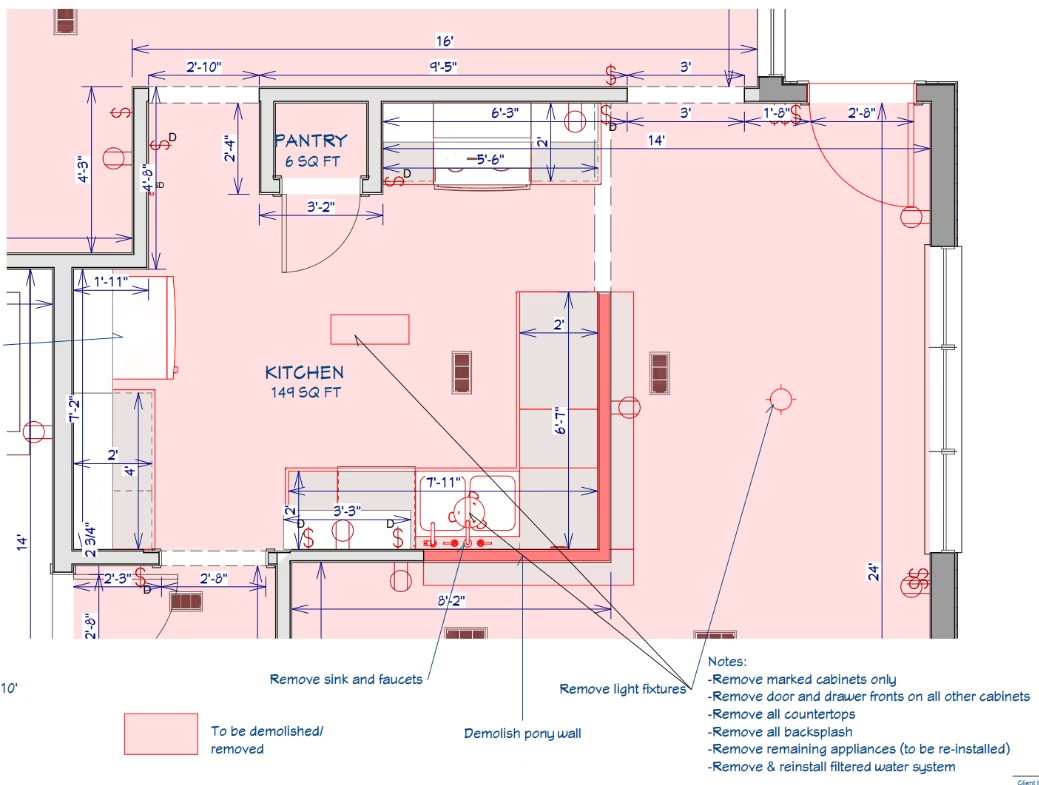
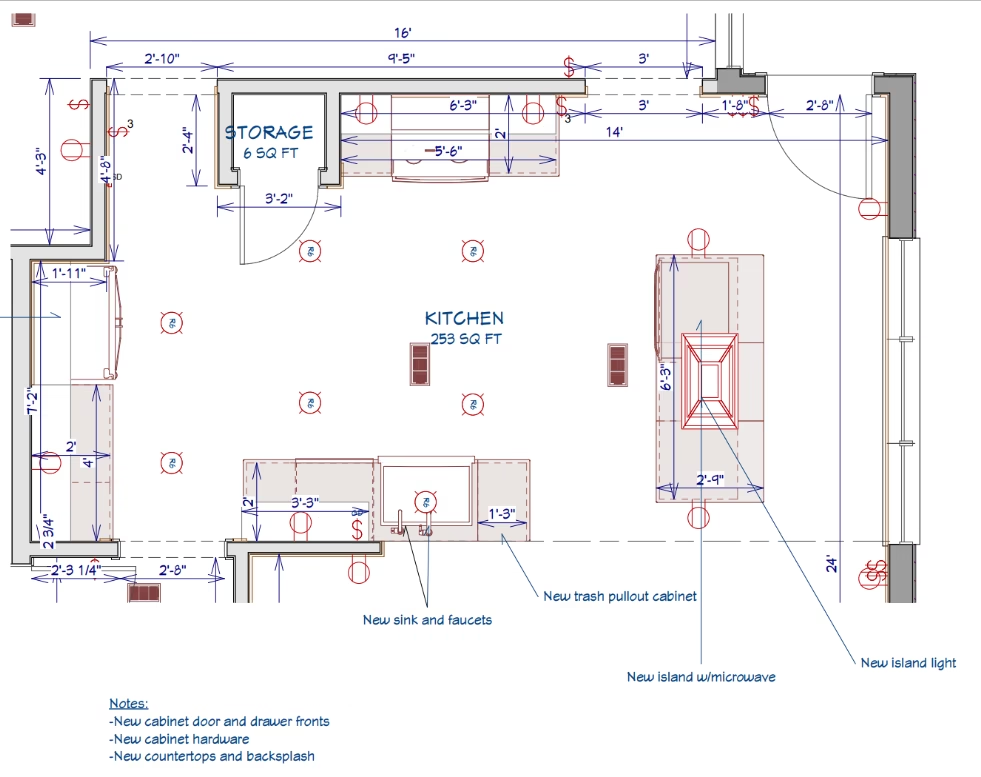
A floor plan is more than a collection of rooms: the way a home is positioned, organized, and planned affects the daily experience of living there.
When a design does not consider the property itself, homeowners may lose opportunities for natural light, outdoor connections, views, and improved efficiency.
Site conditions also matter. Drainage, orientation, and the surrounding environment can all influence how successfully a home functions over time.
Inside the home, thoughtful planning matters just as much. A family should not spend years adjusting their routines around a layout that was never designed for them. The design process should begin by understanding how people actually live and creating spaces that support those needs.
This is where custom home design can create lasting value. It gives homeowners the opportunity to make intentional decisions instead of choosing a plan and hoping their lifestyle fits inside it.
How Stearns Design Build Approaches Long-Term Home Value
At Stearns Design Build, our process begins with understanding the homeowner, the property, and the purpose behind the project.
We believe the planning phase is where many of the most important decisions happen.
Before construction begins, there is an opportunity to create alignment between the homeowner’s goals, the realities of the space, and the investment being made.
This approach helps homeowners make decisions with better information instead of reacting to problems later.
A successful home is measured by more than the day it is completed. The real test comes years later when the home continues to support daily routines, adapt with the family, and provide confidence in the decisions that created it.
Frequently Asked Questions About Home Value Beyond Price Per Square Foot
Is price per square foot an accurate way to compare homes?
Price per square foot can provide a general comparison, but it does not measure the complete value of a home. Quality, design decisions, materials, and long-term performance all influence the experience of owning the home.
Why do two homes with the same square footage have different values?
Square footage only measures size. The difference often comes from the quality of materials, construction decisions, layout, and how intentionally the home was designed.
Can a smaller home be designed better than a larger home?
Yes. A thoughtful layout can often provide better function with less square footage because the space is designed around how people actually use it.
How does custom home design improve long-term value?
Custom home design allows decisions to be based on the homeowner, property, and long-term goals. The result is a home created around real needs instead of adapting life around a standard plan.
Why does the design phase matter so much?
The design phase is where many decisions are made that affect construction, maintenance, comfort, and future use. Careful planning helps create a clearer path before larger investments are made.