
What Does It Mean to Truly Invest in Your Home?
For many people, buying a home is the largest financial investment they will ever make. Yet surprisingly few people think about their home as an investment after the purchase is complete.
A home is certainly an asset, but it is also much more than that. It is where routines unfold, where families gather, where memories are made, and where people seek comfort at the end of the day. It reflects personal values, supports daily life, and often becomes deeply tied to a person’s identity.
The good news is that these purposes are not in conflict with one another. A home can be a safe and meaningful place to live while also remaining a strong long-term investment.
Truly investing in your home means looking beyond resale value alone. It means protecting what you already have, making thoughtful improvements over time, and planning for how your needs may change in the future.
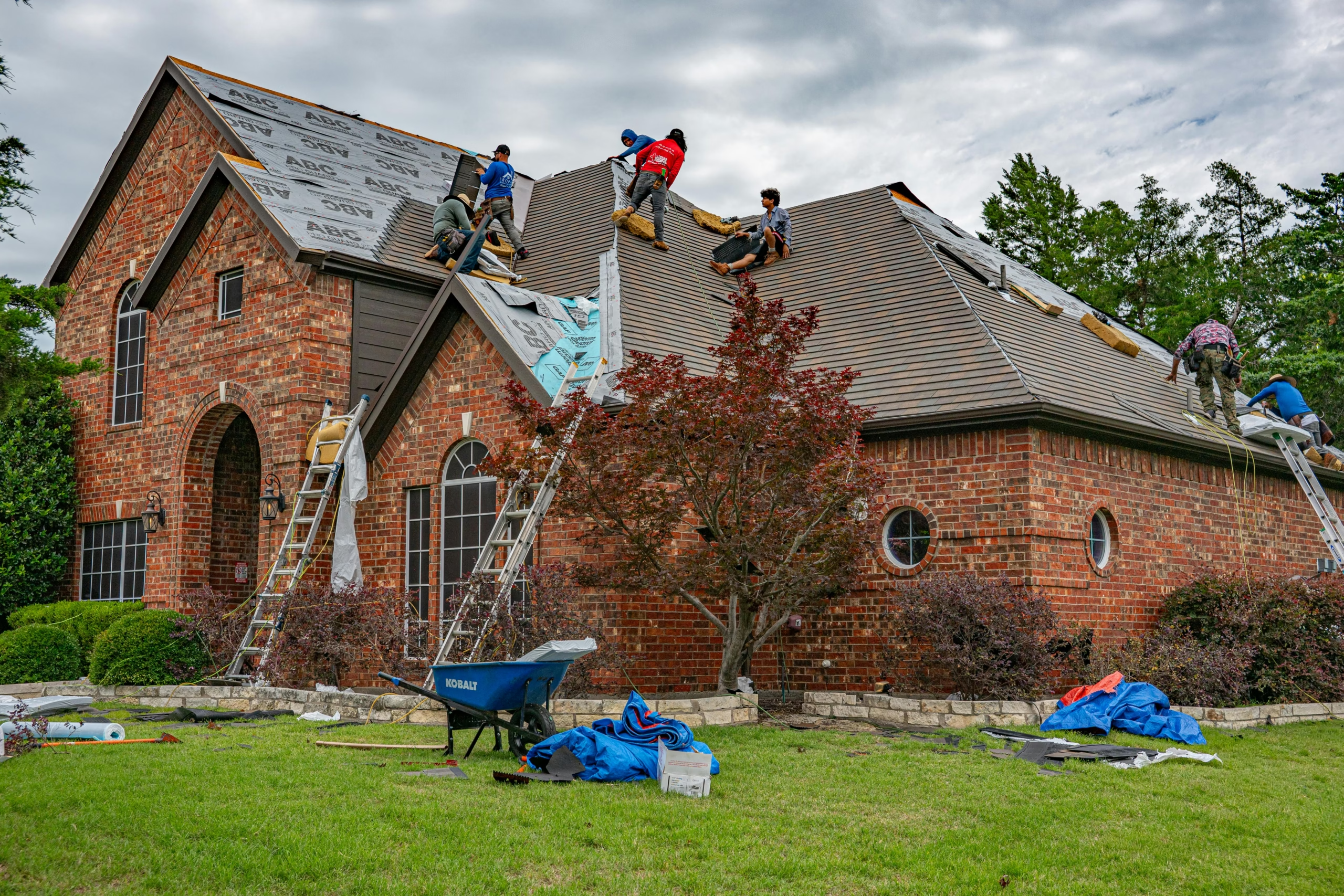
What Investing in Your Home Really Means
Many homeowners think of home investment only in terms of appreciation. While increasing property value is certainly important, a home’s value is shaped by more than market conditions.
There are three major ways homeowners invest in their homes throughout ownership:
- Protecting the home through maintenance and care
- Improving the home through remodeling and upgrades
- Preparing the home for future stages of life
Each of these areas contributes to the long-term performance of the home as both a financial asset and a place to live.
When one area is neglected, the others become more difficult and expensive to manage.
Why This Matters Beyond Property Value
The value of a home extends far beyond what it may sell for one day.
A well-maintained and thoughtfully improved home often costs less to operate, experiences fewer major failures, and provides greater comfort throughout daily life. It can adapt to changing family needs, support aging homeowners, and reduce the stress that often comes with housing transitions.
In many ways, the best home investments improve both financial outcomes and quality of life simultaneously. A new roof may protect resale value, but it also protects the family living beneath it. A well-designed remodel may increase market appeal, but it can also remove frustrations that have affected everyday routines for years. Accessibility improvements may help preserve property value, but they can also allow a homeowner to remain independent longer.
The strongest investments tend to accomplish both.
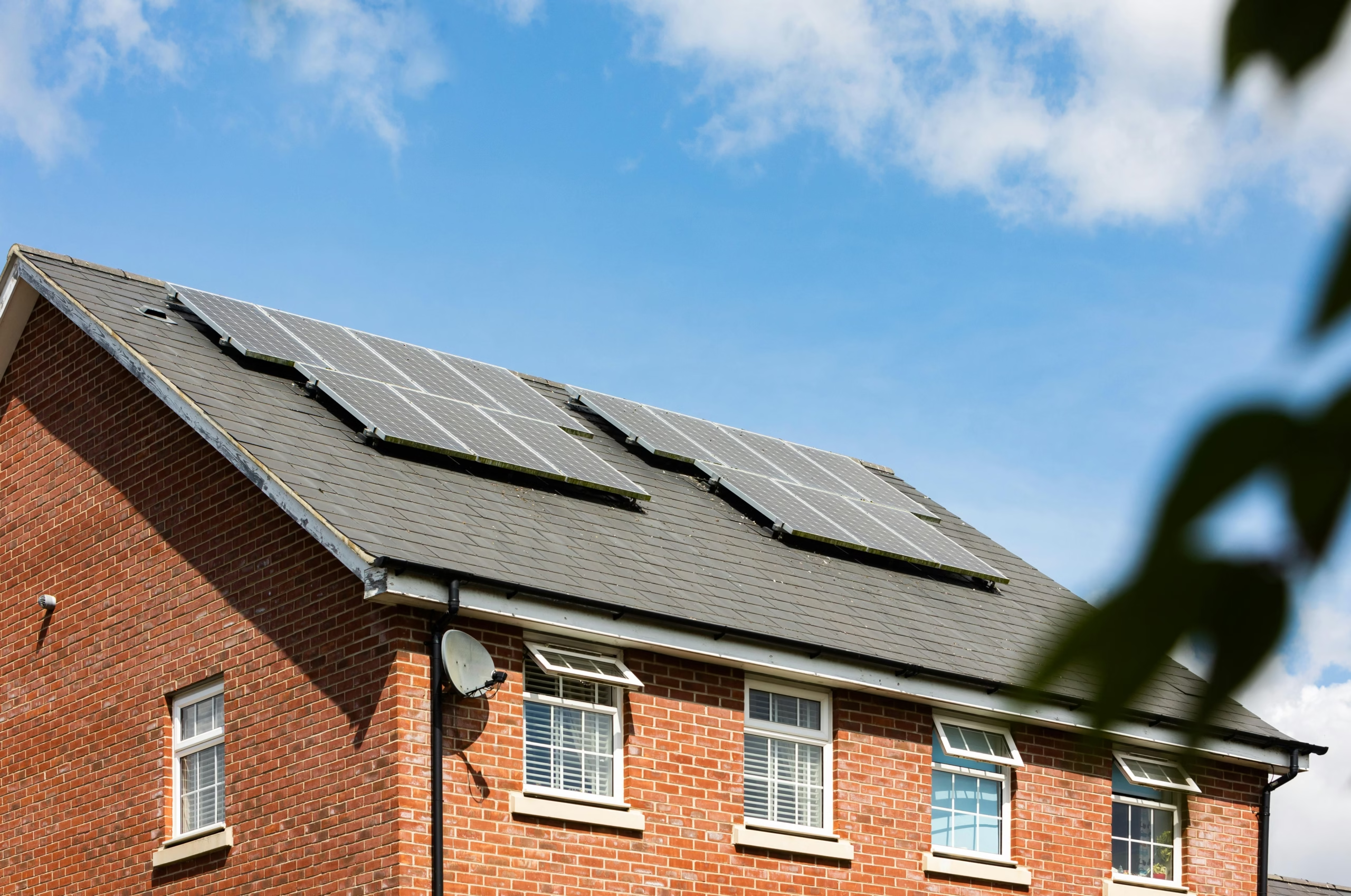
Common Misunderstandings About Home Investment
“Maintenance can wait.”
Small problems rarely remain small.
A loose piece of flashing can become water damage. Peeling paint can become wood rot. A neglected HVAC system can become a costly emergency replacement.
Many of the most expensive repairs homeowners face begin as relatively minor issues that were ignored for too long.
“Only major renovations add value.”
While remodeling can create significant value, routine maintenance often produces some of the highest returns because it protects the value that already exists.
Protecting an asset is often just as important as improving it.
“The lowest-cost option saves money.”
Builder-grade products and inexpensive shortcuts can sometimes create higher costs over the life of a home.
Products that require frequent replacement, consume more energy, or perform poorly often cost more over time than higher-quality alternatives.
“Aging in place is something to think about later.”
Many accessibility improvements are easiest and most affordable when incorporated during planned remodeling projects.
Waiting until mobility challenges arise often limits options and increases costs.
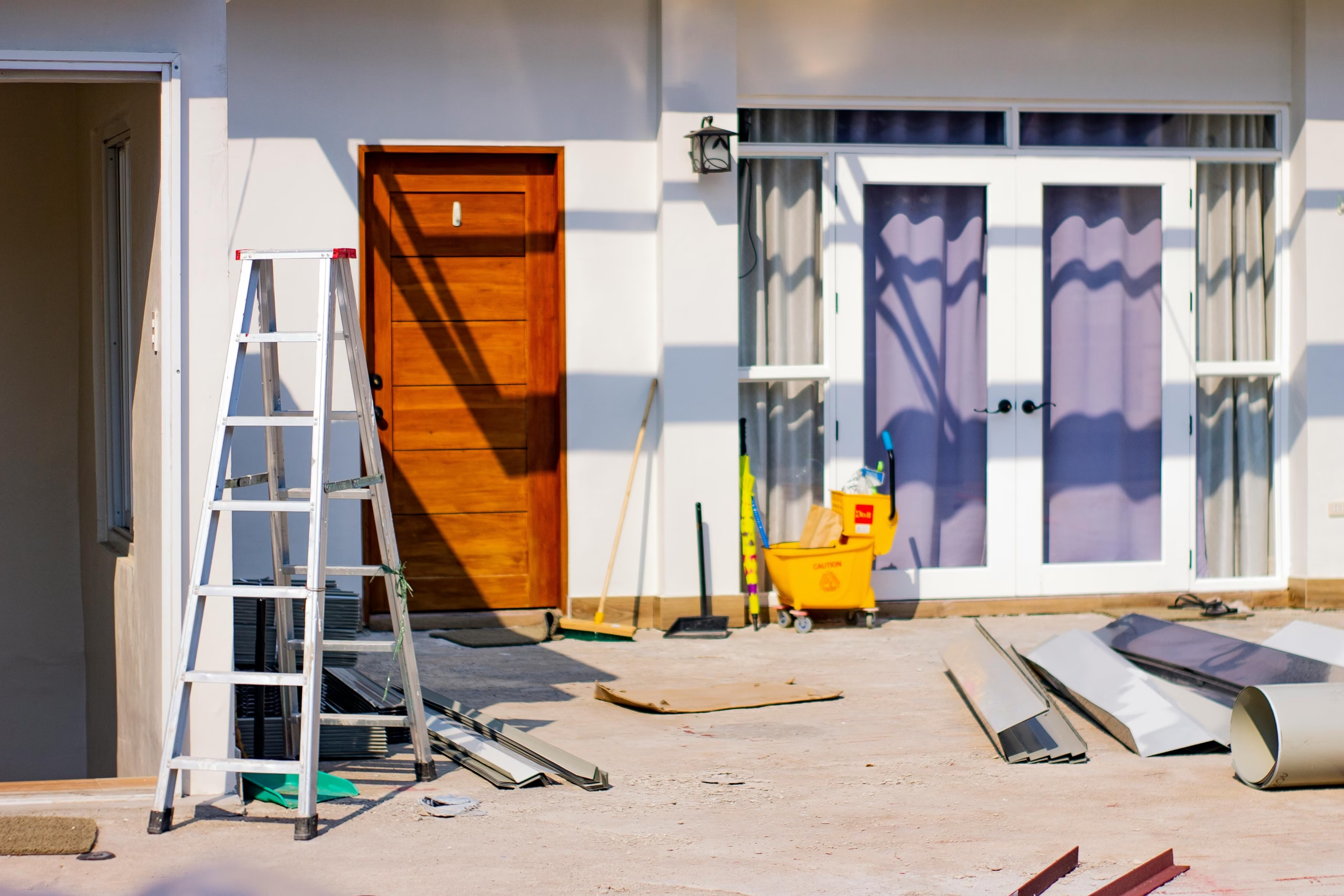
How Home Investment Shows Up in Real Homes
Protecting Your Investment Through Maintenance
Your home is much like any other valuable asset. The better it is cared for, the longer it will serve you.
Consistent maintenance requires planning, diligence, and occasionally the assistance of qualified professionals.
Some of the most important maintenance habits include:
- Scheduling HVAC service twice per year
- Replacing filters regularly
- Addressing repairs promptly
- Inspecting the home’s exterior periodically
- Monitoring roofing, siding, trim, and other weather-exposed components
The exterior envelope of a home deserves particular attention because this is often where small issues become expensive ones.
It is far less costly to repair a roof before water enters the home than after damage has occurred. Likewise, replacing deteriorated trim before rot spreads can prevent structural repairs later.
The goal is not perfection. The goal is preventing manageable issues from becoming major disruptions.
Reducing Ongoing Ownership Costs
Most homeowners think about their mortgage payment regularly. Many spend less time thinking about the costs that continue long after closing day.
Insurance, utilities, maintenance, repairs, and equipment replacement all contribute to the true cost of ownership.
One of the most effective ways to reduce these costs is through improved efficiency.
An energy audit can identify opportunities to reduce energy consumption and improve comfort. Some improvements pay for themselves relatively quickly, while others generate savings over many years.
Fixture and appliance selections can also have a lasting impact. Many production homes are built using products selected primarily to minimize construction costs. While this approach may reduce initial pricing, it can sometimes lead to higher operational costs and earlier replacement needs.
Investing in durable, efficient products often creates long-term benefits that continue long after installation.
Making Remodeling Decisions That Last
Home remodeling can be one of the most effective ways to increase both enjoyment and long-term value.
Not all remodeling investments create equal outcomes, however.
The most successful projects begin with thoughtful design.
A poorly integrated addition can feel disconnected from the rest of the home and may even reduce perceived value. A carefully planned addition creates continuity, improves flow, and feels as though it has always belonged.
Budget decisions also play a significant role.
If achieving a desired outcome requires sacrificing critical elements of the project, it may be worth waiting until the project can be completed properly. Cutting corners often creates compromises that homeowners live with for years.
Design decisions should also be approached with a long-term perspective.
Trends change quickly. Materials, colors, and finishes move in and out of fashion every few years.
When possible, it is wise to reserve highly trend-driven decisions for elements that are easy to update later, such as paint colors or decorative accessories. More permanent selections often benefit from a timeless approach.
Natural materials frequently perform well in this regard. While styles evolve, materials such as hardwood flooring and natural stone have demonstrated lasting appeal across decades.
The professionals involved in a project matter as well.
Quality design and construction professionals help homeowners make informed decisions, avoid costly mistakes, and create outcomes that remain valuable long after construction is complete.
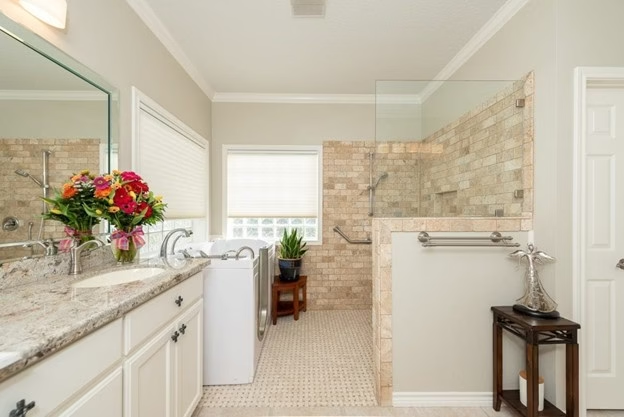
Planning for the Future Through Aging-in-Place Design
More homeowners today are choosing to remain in their homes longer. This approach, often called aging in place, allows people to maintain independence, preserve familiar surroundings, and avoid unnecessary relocation. The National Institute on Aging guide to aging in place highlights how planning ahead can help homeowners continue living safely and comfortably in their homes as their needs change over time.
The best time to prepare for future needs is often before those needs arise. Thoughtful planning can make a home safer, more functional, and more adaptable without making it feel institutional.
Several design considerations can support long-term accessibility:
Reducing Stairs and Level Changes
Stairs often become more challenging with age.
Homes with fewer level changes and easier access points can support independence for longer periods of time.
Creating Accessible Bathrooms
Bathrooms are frequently one of the first spaces where mobility challenges become noticeable.
Features such as curbless showers, wider clearances, and reinforced walls for future grab bars can make a significant difference later while remaining visually appealing today.
Planning for Wider Doorways
Walkers, wheelchairs, and mobility devices require more space than many older homes provide.
Planning for wider door openings during remodeling projects can simplify future modifications if they ever become necessary.
Improving Lighting
Vision changes naturally over time. Thoughtful lighting design can improve safety, comfort, and usability throughout the home.
Lighting studies, layered lighting strategies, and thoughtful contrast between surfaces can all help homeowners navigate spaces more comfortably as they age.
How Stearns Design Build Approaches Home Investment
At Stearns Design Build, we believe a home should support the people who live in it, not force people to adapt to the home.
When discussing investment, we look beyond simple resale calculations. We also consider how maintenance decisions affect longevity. We consider how remodeling choices influence daily life. We consider how homes can continue supporting homeowners through changing seasons of life.
The goal is not simply to increase value on paper, but to create homes that remain useful, comfortable, durable, and meaningful for years to come.
A well-invested home is one that continues serving the people who live there while protecting the resources they have committed to it.
Frequently Asked Questions
Is remodeling always a good investment?
Not every remodeling project produces the same financial return. The most successful projects improve how a home functions while also supporting long-term value and durability.
What improvements add the most long-term value?
Projects that improve functionality, address maintenance concerns, enhance energy performance, and support changing lifestyle needs often provide lasting value.
How does aging-in-place remodeling protect home value?
Accessible homes can serve homeowners longer and often appeal to a broader range of buyers. More importantly, they can help homeowners remain independent and comfortable in their homes.
How often should homeowners perform maintenance inspections?
Most homes benefit from seasonal inspections, with particular attention paid to roofing, exterior finishes, drainage systems, and mechanical equipment.
Is it better to repair or replace aging systems?
The answer depends on the condition, efficiency, and expected lifespan of the system. Evaluating replacement costs alongside operating costs often provides the clearest path forward.
Can a home be both a personal sanctuary and a financial investment?
Absolutely. The strongest home investments often improve both quality of life and long-term value. A home that supports daily routines, reflects personal priorities, and remains well maintained can provide benefits that extend far beyond its market price.