
What Are Green Building Products and What Do They Actually Do in a Home
Green building products are materials selected for how they affect a home over time. In residential design, they influence durability, air quality, energy use, and maintenance. When chosen intentionally, they support a home that feels stable, comfortable, and easier to live in day to day.
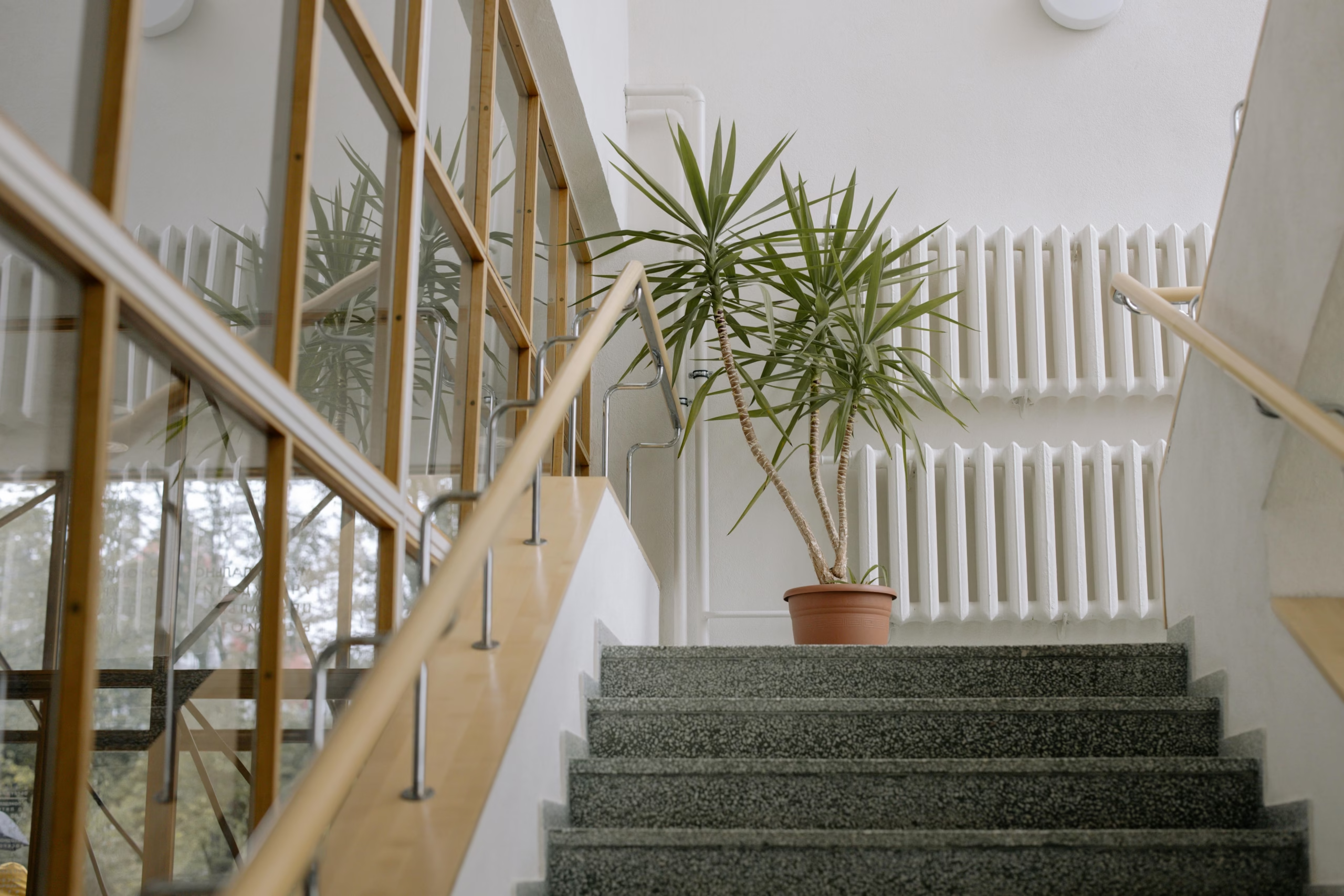
What This Means in Residential Design
The term green building products gets used in a lot of different ways. Most of them are incomplete.
A product is not defined as green by a single trait. It is not just about being recycled, natural, or labeled a certain way. Those things can matter, but they do not tell the full story.
A more complete way to look at it is through three lenses:
- What a product is made of
- How it performs once it is part of your home
- What it takes to produce and deliver it
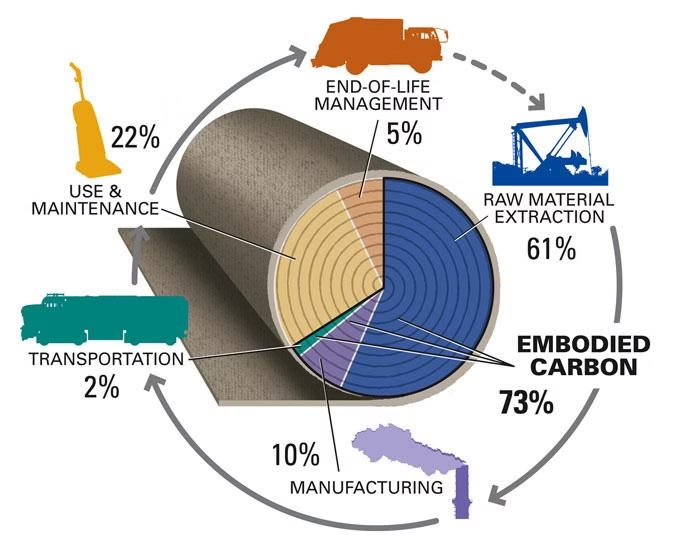
This broader way of thinking is becoming more common across the building industry. Evaluations today often include not just material composition and performance, but also embodied impact, labor practices, and the distance a product travels before it reaches a home. You can see how these criteria are being applied in practice in this breakdown from Building Green.
Some materials are considered green because they use recycled or salvaged content, rely on rapidly renewable resources, or require fewer raw materials to produce.
Others earn that label because of what they do over time. They last longer. They require less maintenance. They limit emissions. They reduce energy or water demand while still doing their job well.
There is also the path the product takes before it ever reaches your home. How it is manufactured, the labor conditions involved, and how far it has to travel all play a role in its overall impact.
All three matter. A product cannot be fully understood without looking at each of them together.
Why This Matters to the Way You Live
Most homeowners are not thinking about supply chains or manufacturing practices. They are thinking about how their home feels and functions.
They notice when:
- one room is harder to keep comfortable than the rest
- surfaces wear out faster than expected
- the house feels stuffy or stale
- maintenance keeps stacking up
Those experiences are tied to what happens after installation. But the upstream decisions still matter.
A product that is built to last reduces how often it needs to be replaced.
A product that limits emissions supports better indoor air.
A product that is sourced and transported thoughtfully reduces unnecessary strain before it even arrives on site.
Some of these impacts are visible. Others are not. All of them are part of the same decision.
Common Misunderstandings About Green Products
Green means natural
Not always. Some natural materials perform well. Others do not. The same goes for engineered products. What matters is how they hold up and what they contribute to the home.
Green means expensive
Some products cost more upfront. Others do not. The difference is often seen over time through durability, maintenance, and performance.
A certification tells you everything you need to know
Certifications can be useful, but they only measure specific criteria. They do not account for every factor, especially things like transportation distance or labor practices.
It only matters what the product is made of
This is where most decisions go sideways. A material might check the right boxes on paper, but if it wears out quickly or requires constant upkeep, it creates more problems than it solves.
Transportation and sourcing do not matter
They do. A product that travels long distances or is produced under poor conditions carries a different impact than one that is sourced and manufactured more responsibly.
How Green Building Products Show Up in Real Homes
Instead of focusing on labels, it helps to look at patterns in how products behave.
A product tends to support a home when it:
Holds up over time
Longer-lasting materials reduce replacement cycles, which affects both cost and disruption.
Requires less from you
Some materials need less cleaning, sealing, or repair. That changes how much attention the home demands.
Supports a healthier indoor environment
Products that limit emissions or off-gassing contribute to more stable air quality.
Reduces resource demand during use
Materials and assemblies influence how much energy and water a home needs to operate.
Limits unnecessary impact before installation
This includes how materials are sourced, how they are manufactured, the labor practices behind them, and how far they travel to reach your home.
No single product does all of this. That is why selection is always tied to context.
Why Context Matters More Than the Product Itself
A green product used the wrong way does not stay green for long.
The same material can perform very differently depending on:
- where it is installed
- how it connects to other materials
- how the home manages air, water, and temperature
Products are often compared in isolation. Homes do not work that way.
Every material becomes part of a larger system. Its value comes from how it supports that system, not just how it performs on its own.
How Stearns Design Build Approaches Green Building Products
Most homeowners are not looking for a list of materials. They are trying to make decisions they can trust.
Our role is to guide how those decisions get made.
We look at green building products through a few steady questions:
what problem this product is solving
how it will perform in this specific home over time
what it required to get here, from sourcing to delivery
how it interacts with the rest of the design
what it will require from the homeowner moving forward
This keeps the conversation grounded.
The goal is not to chase a label or a trend.
The goal is a home that holds up, feels right, and supports how you live without creating new problems later.
Frequently Asked Questions
What are green building products?
Green building products are materials selected based on their long-term impact. This includes how they are made, how they perform in the home, and what it takes to produce and deliver them.
Are green building materials always better?
Not automatically. A material has to be evaluated in context. The right choice depends on how it will be used and how it supports the overall function of the home.
Do green products make a noticeable difference?
Yes, but not in an obvious way. The difference shows up in comfort, air quality, maintenance, and how stable the home feels over time.
Do labor practices and transportation affect whether a product is green?
Yes. How a product is manufactured, the conditions under which it is produced, and the distance it travels all contribute to its overall impact.
Does green home remodeling matter in Bryan College Station?
It does. Local conditions like heat and humidity influence how materials perform. Choosing the right products affects comfort, durability, and long-term maintenance in this area.