
 Selecting Exterior Paint Colors: How to Pick the Perfect Shade for Your Home
Selecting exterior paint colors affects more than appearance. It shapes how your home responds to light, relates to its surroundings, and holds up visually over time. A thoughtful approach considers scale, environment, and material, not just the color itself.
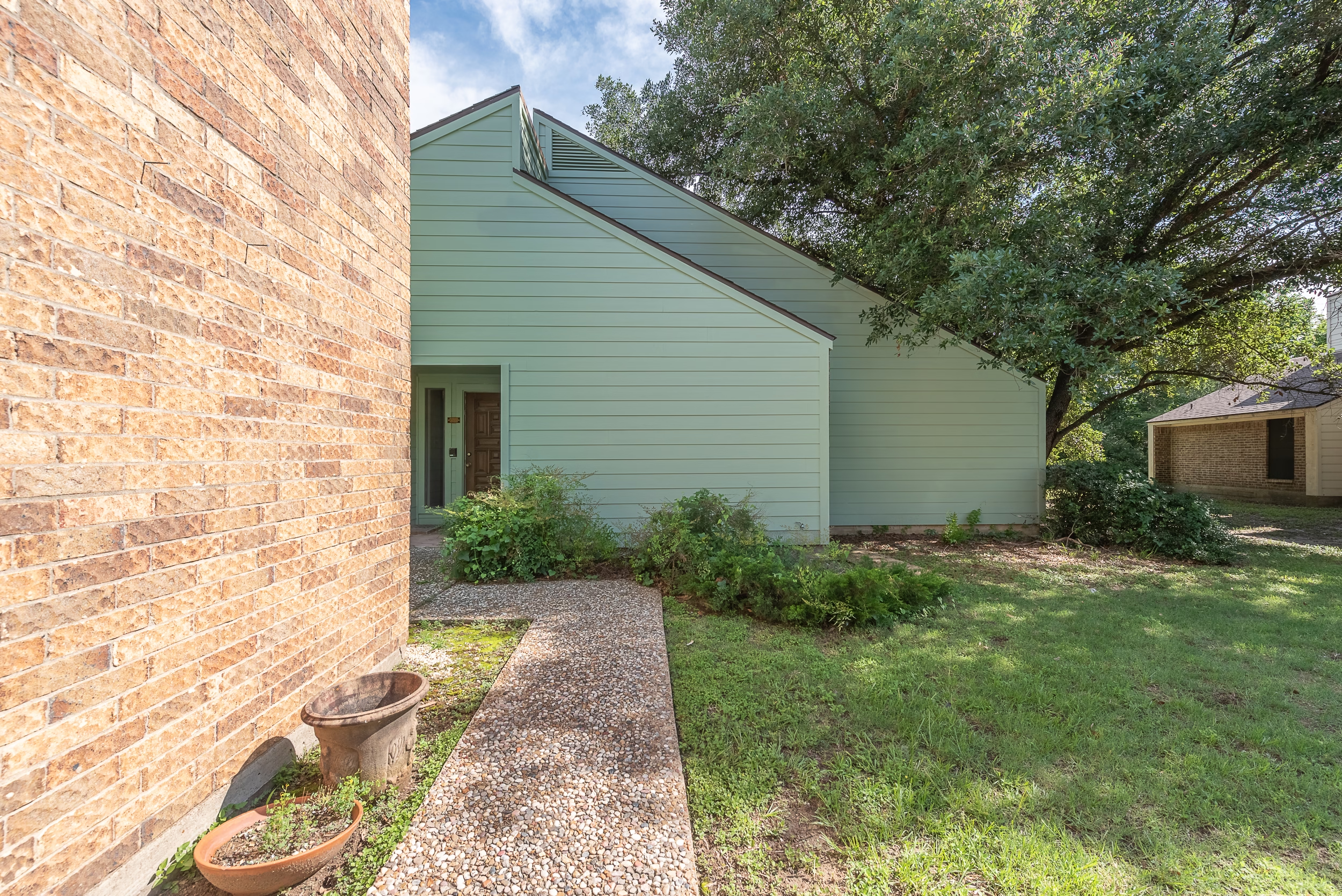
Why Exterior Paint Color Decisions Matter More Than Expected
Paint is often treated as a finishing touch. In reality, it is one of the most visible and lasting decisions you make about your home.
Unlike interior color, exterior paint is constantly influenced by:
- changing daylight conditions
- surrounding materials like brick, stone, and roofing
- landscaping that shifts throughout the year
- the scale of the home itself
A color that feels balanced on a sample card can feel completely different once it is applied across an entire façade. That disconnect is where most frustration comes from.
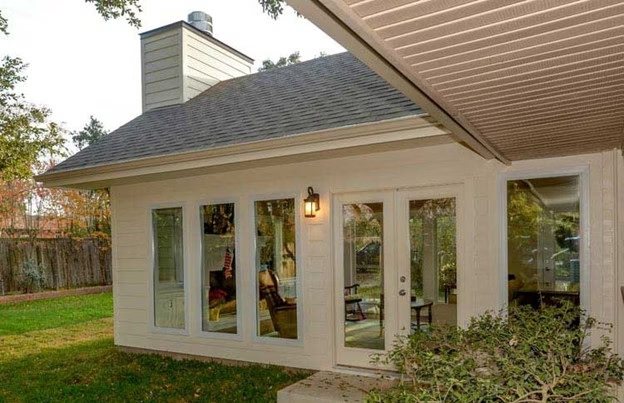
Where Most Exterior Color Choices Go Wrong
Most homeowners don’t make poor choices because of taste. The issue is usually how the decision is made.
Relying on Small Samples
A paint swatch is too small to represent how a color behaves across large surfaces. What looks subtle in your hand can feel overwhelming on an entire wall. Many homeowners start by browsing inspiration galleries or curated color combinations, like those often featured by Better Homes & Gardens, which can be helpful for narrowing preferences but don’t account for how color behaves on a specific home.
Ignoring Surroundings
A home does not exist in isolation. Roof color, brick tones, neighboring homes, and landscaping all influence how a paint color reads.
Deciding Too Quickly
Exterior color changes slowly throughout the day. A decision made in one lighting condition rarely holds up across morning, afternoon, and evening.
Treating Color as Decoration Instead of Integration
Color works best when it connects the home to its environment. When it is chosen without that relationship in mind, the result can feel disconnected, even if the color itself is appealing.
How to Think About Selecting Exterior Paint Colors
Instead of searching for the “perfect” color, it helps to evaluate color as part of a larger system.
Start With What Cannot Change
Permanent elements like roofing, stone, brick, and hardscape set the foundation. These materials limit the range of colors that will feel natural on the home.
Look at the Environment Around the Home
Natural surroundings and nearby structures influence perception. Colors that relate to what is already present tend to feel more grounded and less forced.
This is where your Transitions approach naturally fits. When exterior colors relate to both the interior palette and the surrounding environment, the home feels more connected rather than separated.
Evaluate at the Right Scale
Testing color on large sections of the home gives a more accurate understanding of how it will feel once complete. Scale changes everything.
Observe Over Time
Light changes throughout the day and across seasons. A color that feels balanced in the morning may feel flat or overly bright later in the day. Observing over time prevents short-sighted decisions.
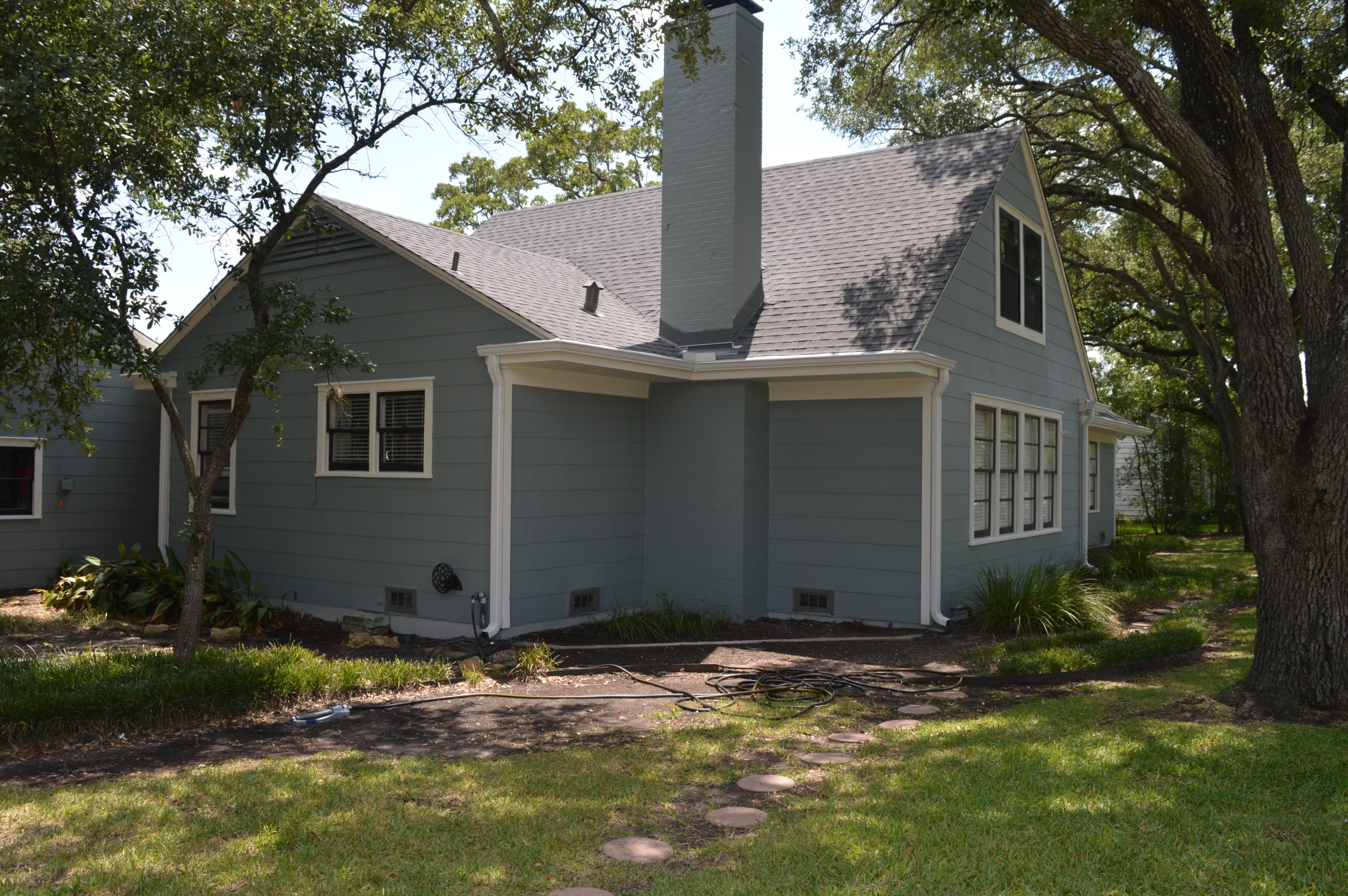
What Actually Affects How a Paint Color Looks
Color is not static. It is shaped by several variables that are easy to overlook.
Light Exposure
Direct sunlight can wash out lighter colors and intensify warmer tones. Shade can deepen colors and bring out cooler undertones.
Surface Texture
Smooth siding reflects light differently than brick or wood. The same color can appear softer or harsher depending on the material it is applied to.
Surrounding Colors
Adjacent colors influence perception. A neutral next to warm brick will read differently than the same neutral next to cool stone.
Scale of the Home
Larger surfaces amplify color. What feels subtle in a small sample can become dominant across a full elevation.
Materials and Tools That Support Better Decisions
There are many tools available to visualize color, including digital renderings and paint company applications. These can help narrow options, but they are only part of the process.
Custom color matching technology has improved significantly. This allows homeowners to draw inspiration from existing elements, whether from nature, neighboring structures, or even interior finishes.
Even with these tools, real-world testing remains the most reliable way to understand how a color will perform.
How Exterior Paint Color Choices Impact the Home Long-Term
A well-considered color choice does more than look good on day one.
- It continues to feel balanced as light and seasons change
- It works with the home’s materials instead of competing with them
- It reduces the likelihood of needing to repaint due to dissatisfaction
- It supports a sense of cohesion between the home and its environment
Poorly aligned color choices often lead to second-guessing, repainting, or a home that never quite feels settled.
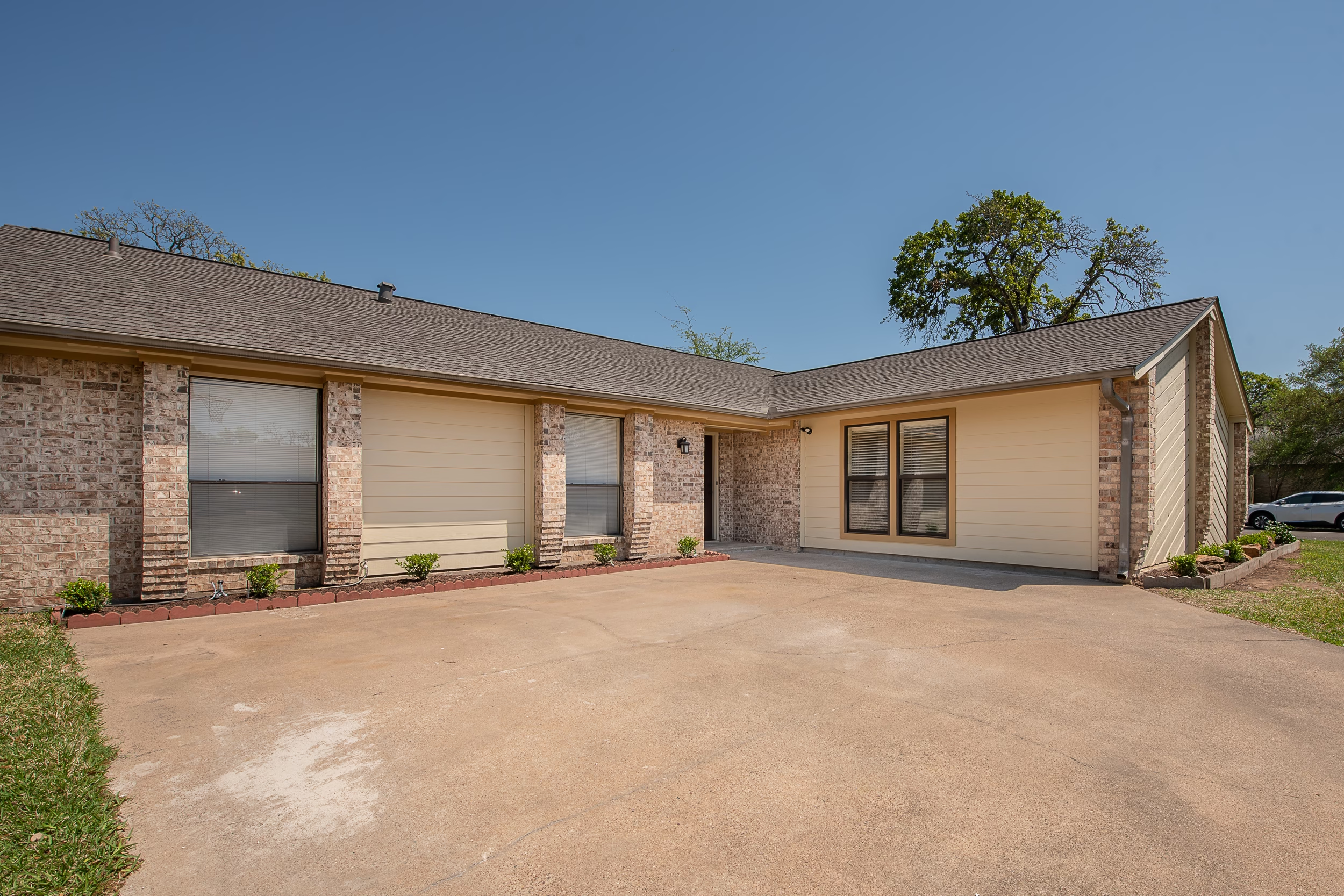
How Stearns Design Build Approaches Exterior Color Selection
Exterior color is not treated as a last decision. It is part of the broader planning process.
This is the stage where we evaluate how the home sits within its environment and how materials, light, and layout work together. We do this so that color decisions are grounded in real conditions, not guesswork.
That means you are not choosing from a wall of samples and hoping for the best. You are working from a clear direction that reflects how your home actually functions and how you want it to feel.
The goal is not just a color that looks good. The goal is a home that feels cohesive and intentional every time you pull into the driveway.
Frequently Asked Questions
How do I know if an exterior paint color will look good on my home?
A color works well when it relates to the fixed elements of the home and responds well to different lighting conditions. Testing larger samples and observing them over time gives the most reliable answer.
Should exterior paint match the interior of the home?
It does not need to match exactly, but it should feel connected. When interior and exterior palettes relate to each other, the home feels more cohesive rather than segmented.
Why does a paint color look different on my house than in the store?
Lighting, surface texture, and surrounding colors all influence how a paint color appears. A controlled indoor environment cannot replicate real exterior conditions.
Is it better to choose a neutral exterior color?
Neutral colors tend to adapt more easily to different surroundings, but the right choice depends on the home’s materials and environment. The goal is not neutrality, but alignment.
How long should I test exterior paint colors before deciding?
Observing colors over several days in different lighting conditions provides a more accurate understanding than making a decision immediately.