
Custom Pergola and Workshop Addition Designed for Everyday Use in Bryan–College Station
Outdoor spaces and detached work areas often begin as ideas homeowners hope to “eventually get to.” The challenge is that many properties already have usable square footage, but the layout, shade, storage, or functionality never fully supports the way the homeowners actually want to live. This pergola and workshop addition project focused on creating two highly intentional spaces: a shaded outdoor living area that could be comfortably used throughout the year and a dedicated workshop addition that gave the homeowners more room to create, store equipment, and enjoy their property to the fullest potential.
The Homeowner’s Challenge
The homeowners already had a beautiful custom home situated on a large property with mature trees and outdoor space. What they lacked was functionality.
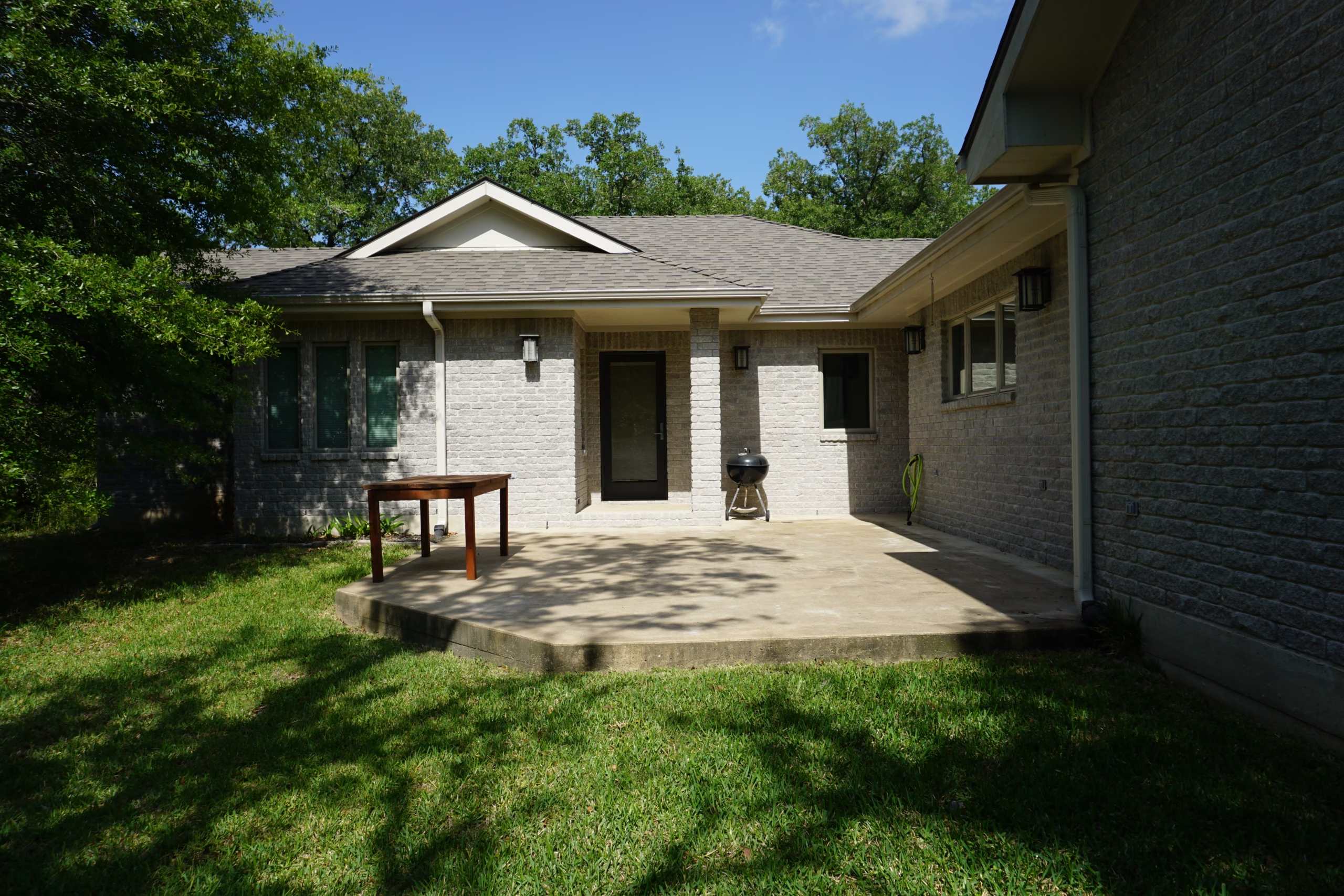
Their existing patio was simply a concrete slab with no overhead coverage. Because the space received strong western sun exposure, it became difficult to use comfortably during much of the day, especially in warmer months. Even though the patio overlooked a beautiful property, it rarely became part of their everyday routine.
At the same time, the homeowner’s woodworking equipment had slowly overtaken the garage. Storage intended for vehicles and household use had become crowded with machinery, materials, and tools. The garage no longer supported either purpose particularly well.
The project was not about adding square footage simply for the sake of expansion. It was about making the property function more intentionally for how the homeowners actually wanted to spend their time.
Design Goals
For the pergola addition, the goals focused on comfort, usability, and visual cohesion with the home.
- Create meaningful shade from the western sun
- Make the patio comfortable for regular daily use
- Ensure the pergola felt integrated with the original architecture
- Maintain a clean, modern appearance
- Add opportunities for airflow and plant growth
For the workshop addition, the goals centered around functionality and long-term usability.
- Create a larger dedicated woodworking space
- Free up the garage for its original purpose
- Preserve as many existing trees as possible
- Design the building to feel cohesive with the main home
- Support comfort and productivity throughout the year
Our Design & Build Approach
One of the biggest design challenges with the custom pergola addition was the shape and structure of the existing home. The roofline contained several unique angles and slopes, making it difficult to attach a new covered structure in a way that looked intentional rather than added on later.
Instead of forcing a fully roofed patio design that would have required significantly more structural complexity, we guided the homeowners toward a pergola solution that better fit the architecture and the goals of the space.
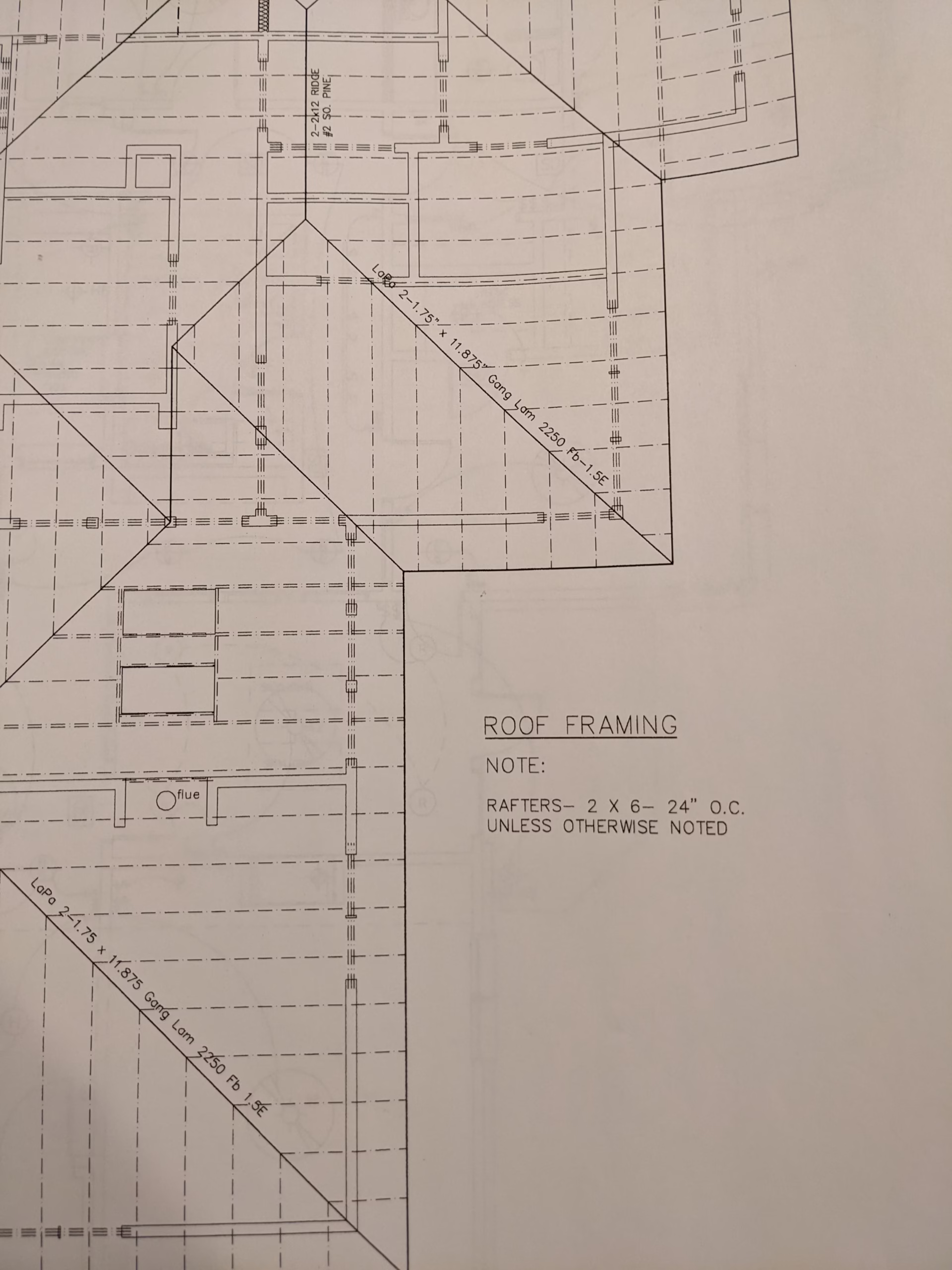
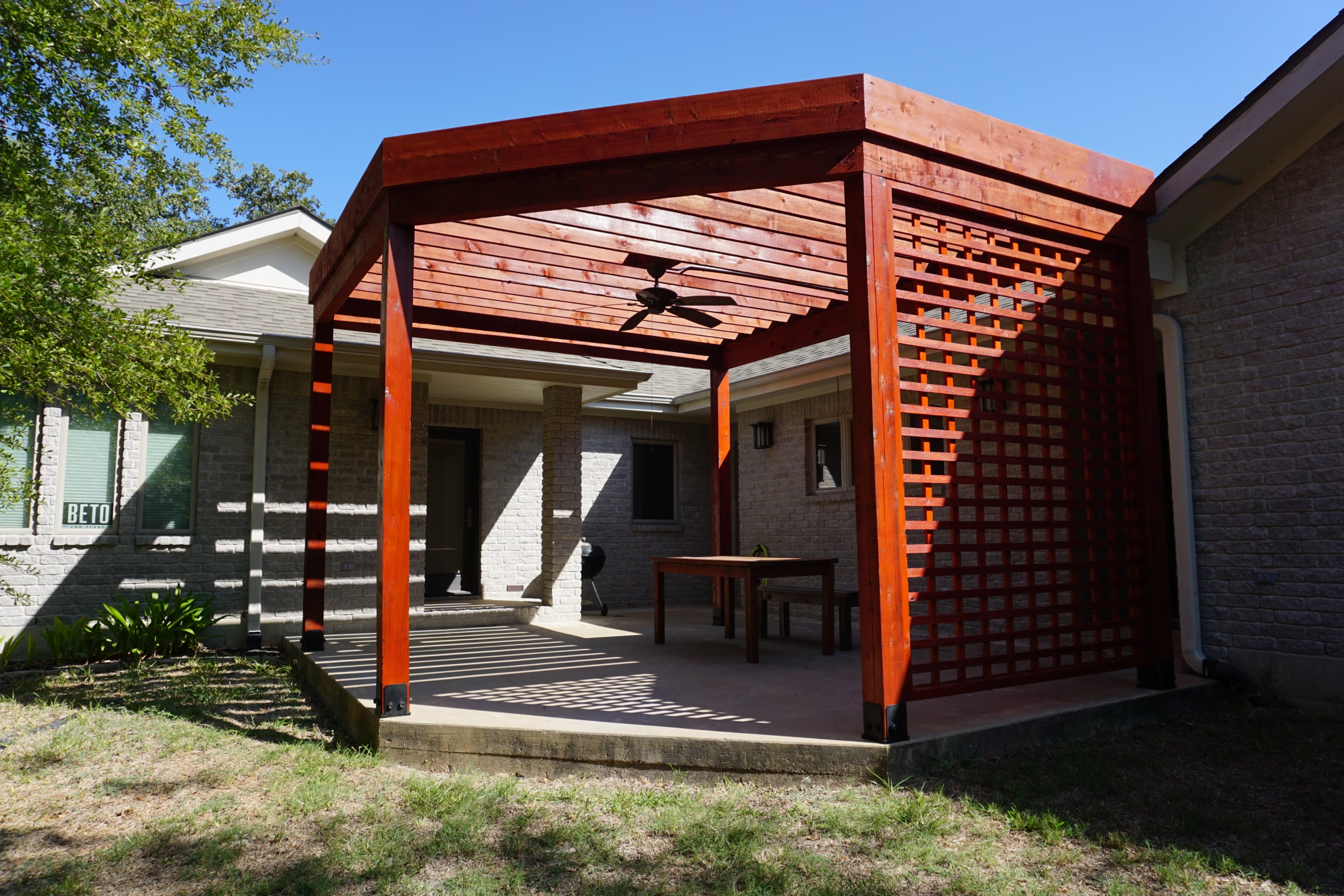
The pergola was carefully aligned with the home’s roofline to create a smoother visual transition between the new structure and the existing house. We stretched the outer edges of the pergola as close to the home as possible while still maintaining clean proportions and airflow.
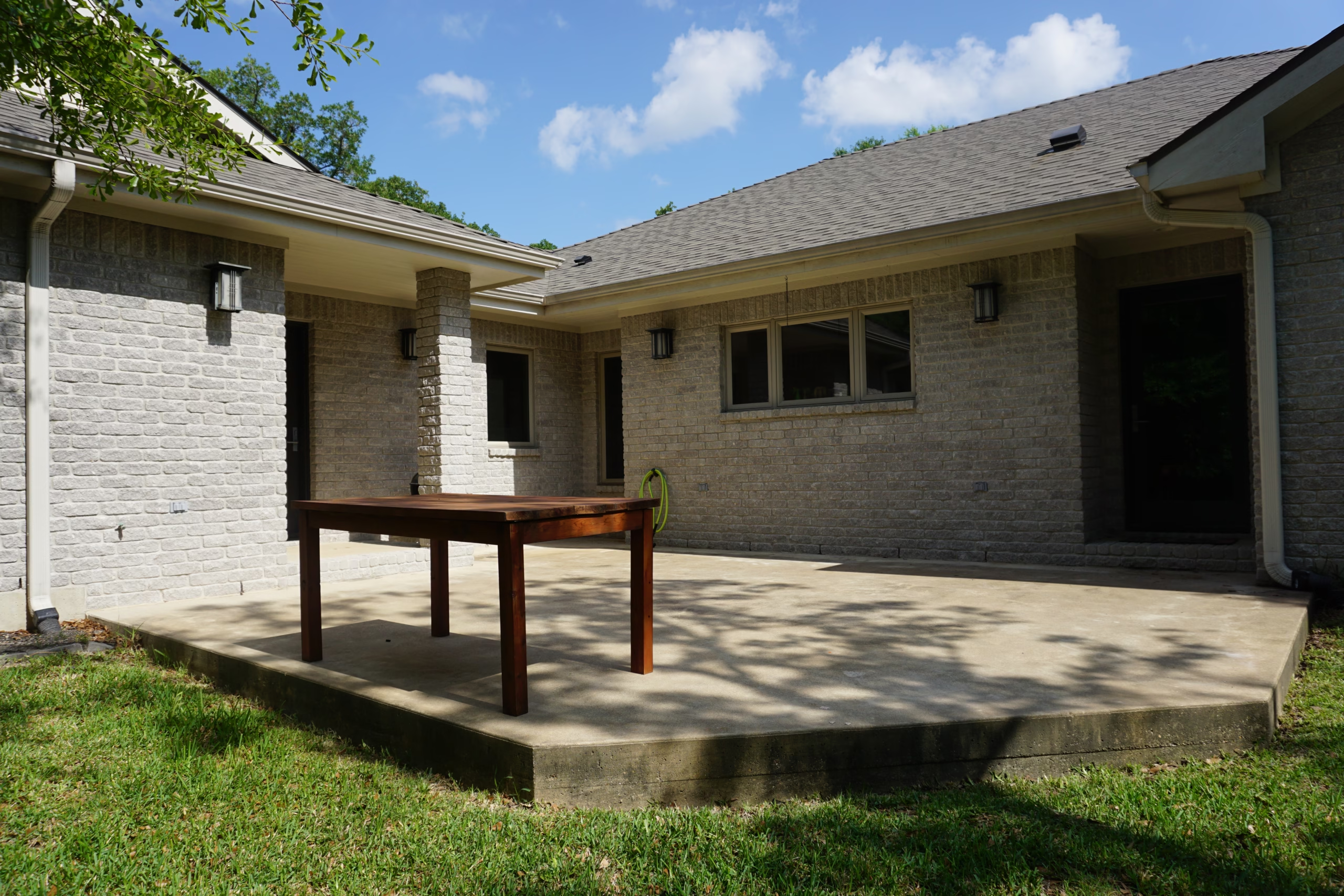
The patio itself also had an irregular footprint rather than a simple square or rectangle. Instead of fighting against that condition, the pergola was custom designed to follow the shape of the patio itself. That decision helped the addition feel more connected to the home and less like a prefabricated structure placed on top of the space.
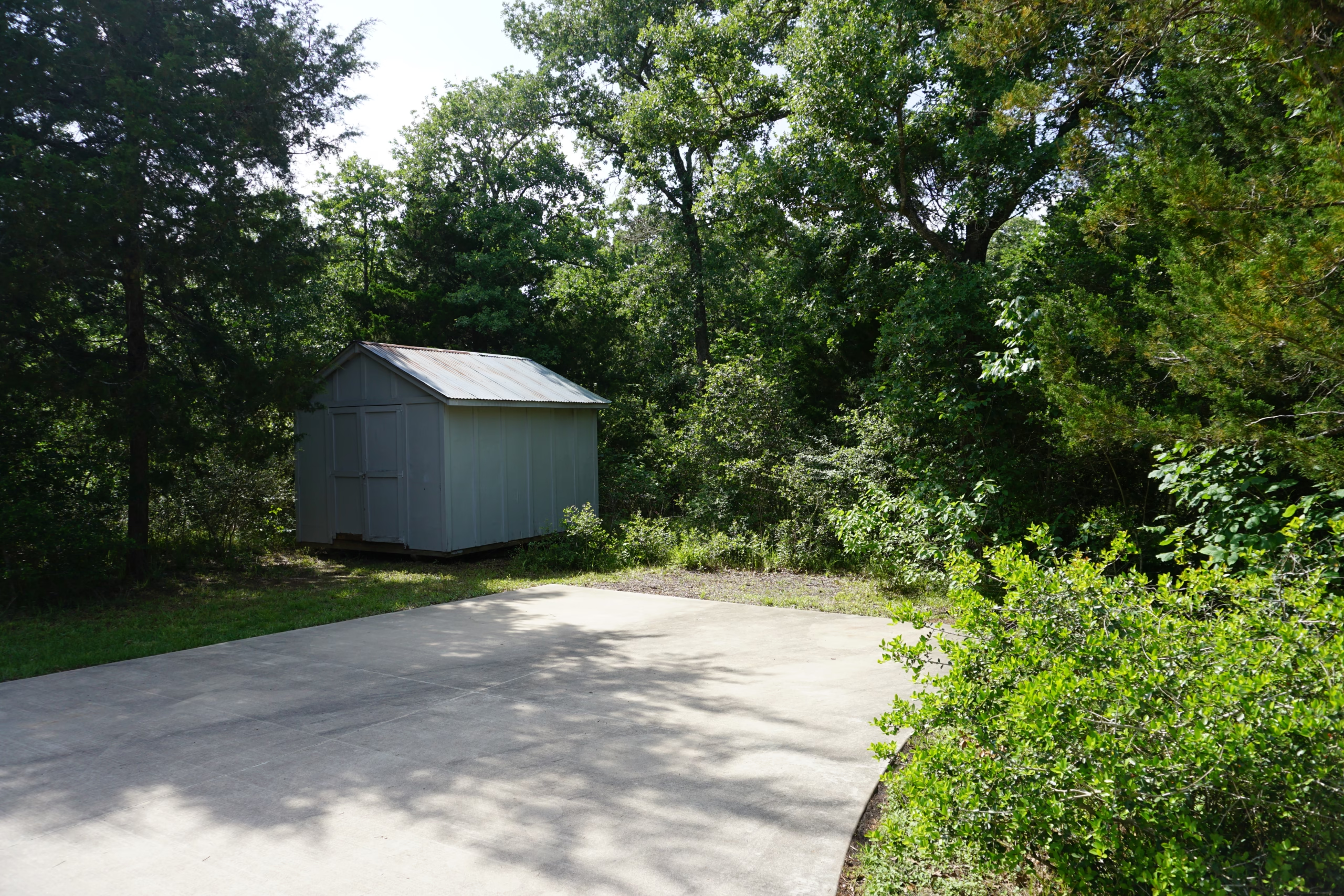
For the workshop addition, the planning process focused heavily on placement, comfort, and site preservation. The homeowners wanted to maintain the natural character of the property, especially the mature post oak trees surrounding the build area.
Rather than treating the trees as obstacles, we worked to preserve as many as possible during construction. Trees that did need to be removed were transported to the local sawmill, Tekton Timber, where they were milled into live-edge slabs for future use.
Key Decisions That Shaped the Outcome
Several design decisions became especially important in shaping the success of this pergola and workshop addition.
Solar Shade Planning for the Pergola
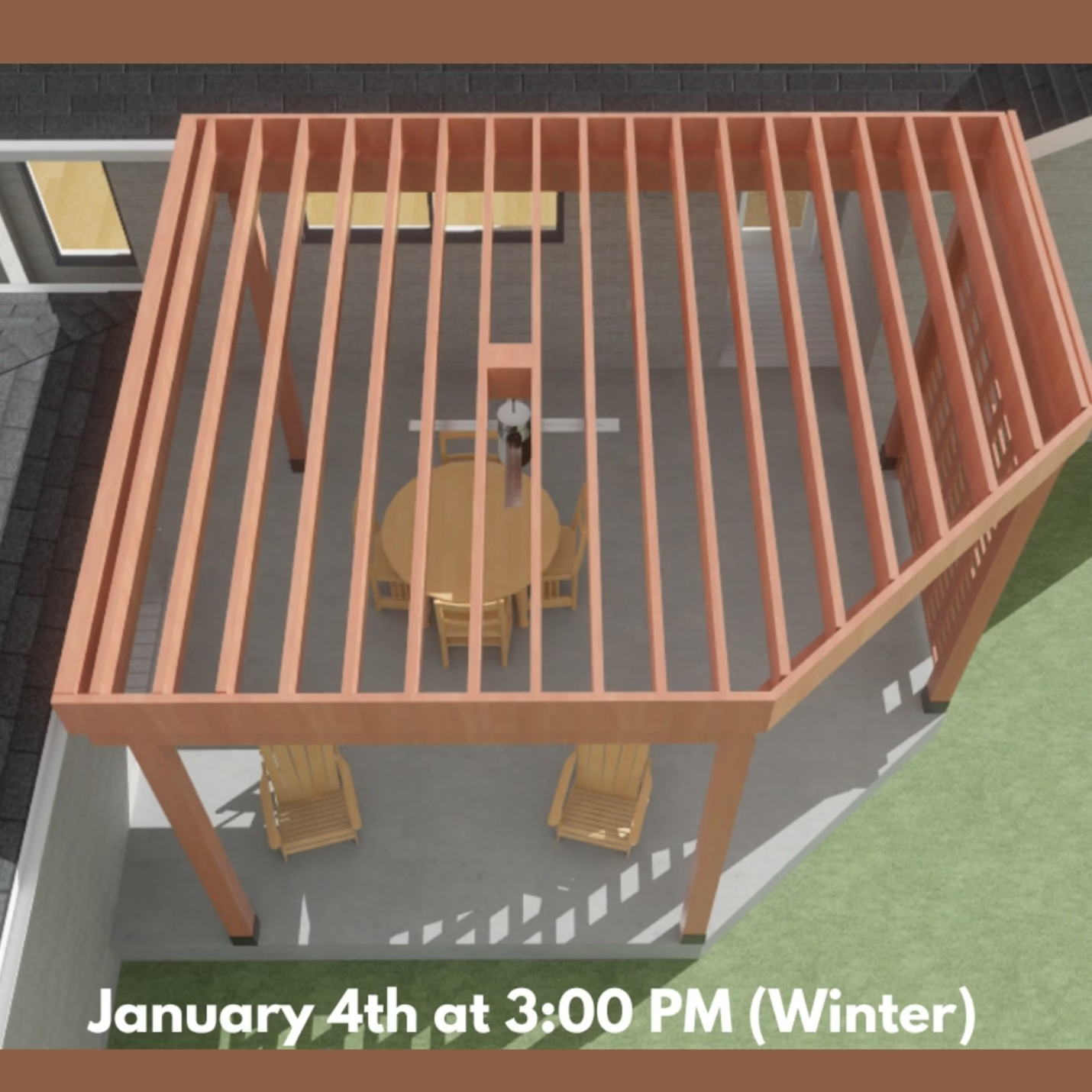
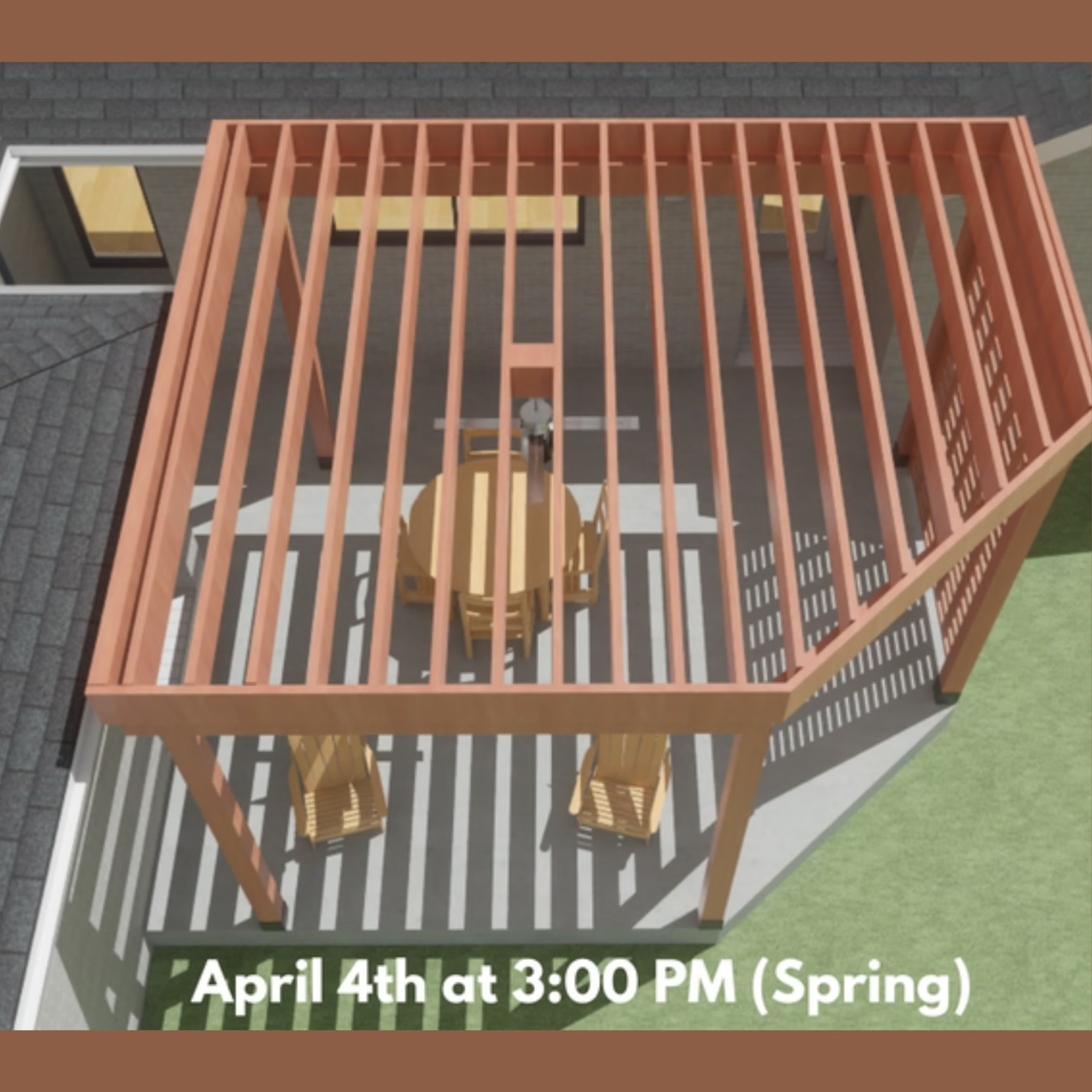
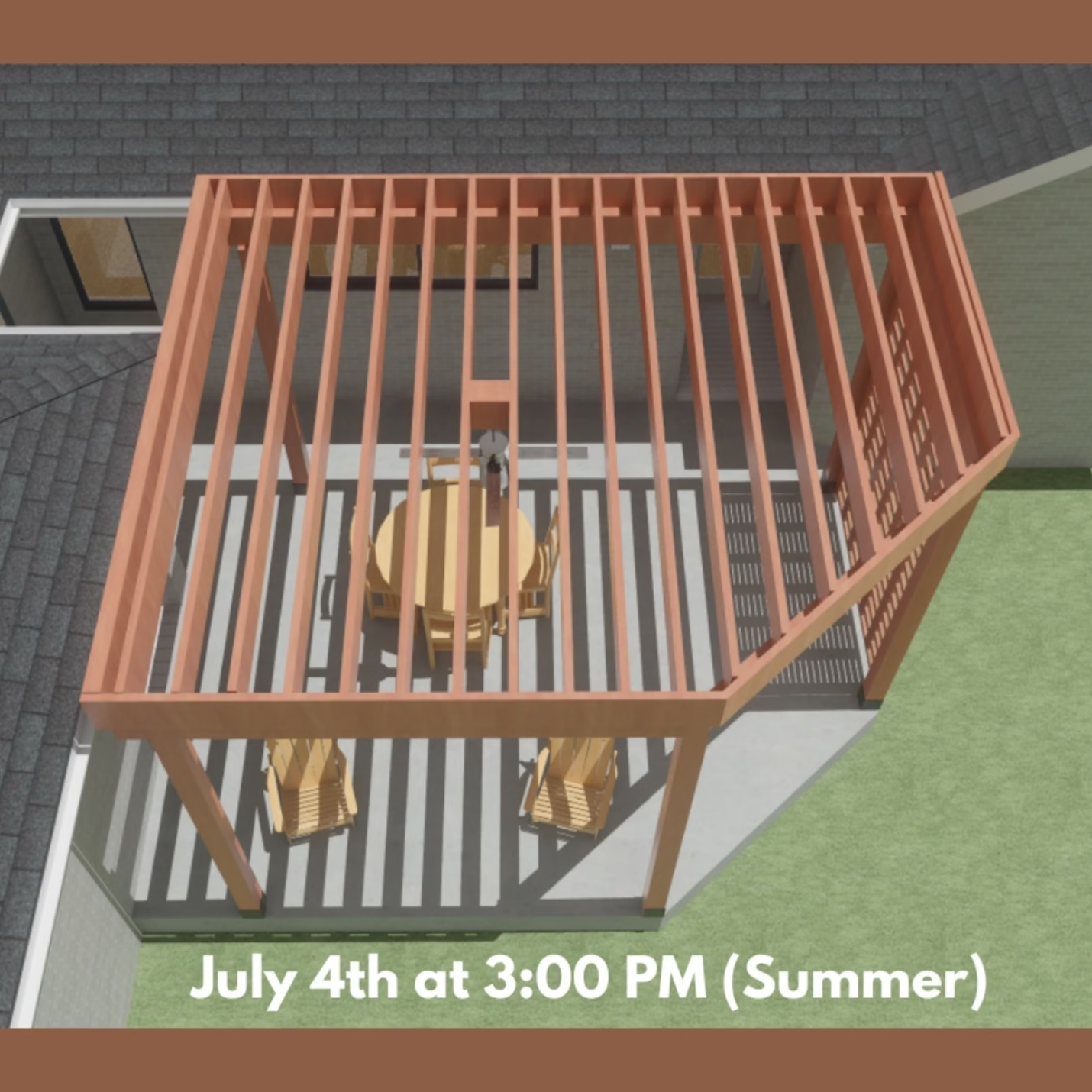
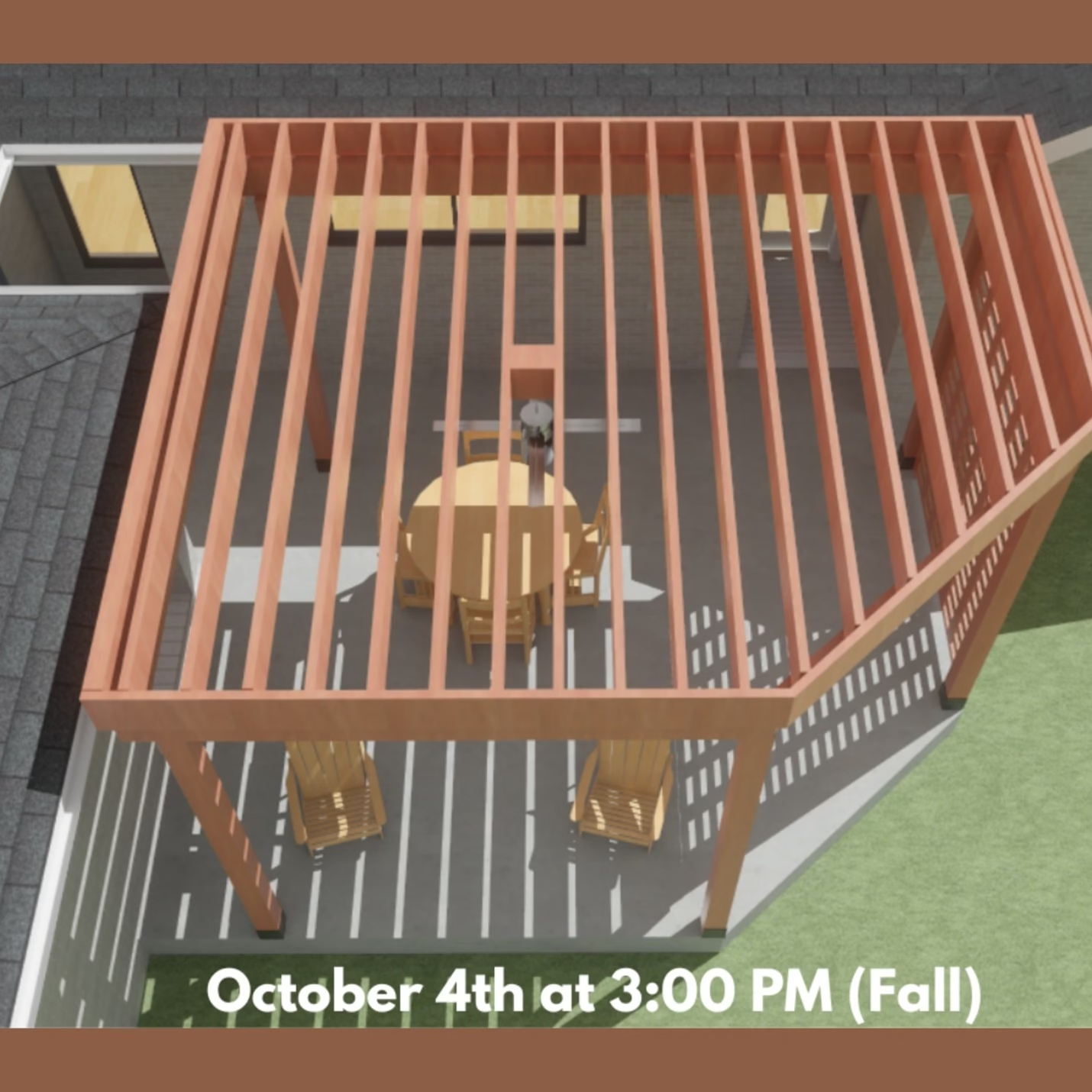
The pergola was not designed solely for appearance. We used solar shade studies to determine the spacing and sizing of the upper slats so the structure would provide meaningful shade protection throughout the year, particularly from the western sun exposure that originally made the patio uncomfortable.
This allowed the homeowners to gain shade while still preserving airflow and openness.
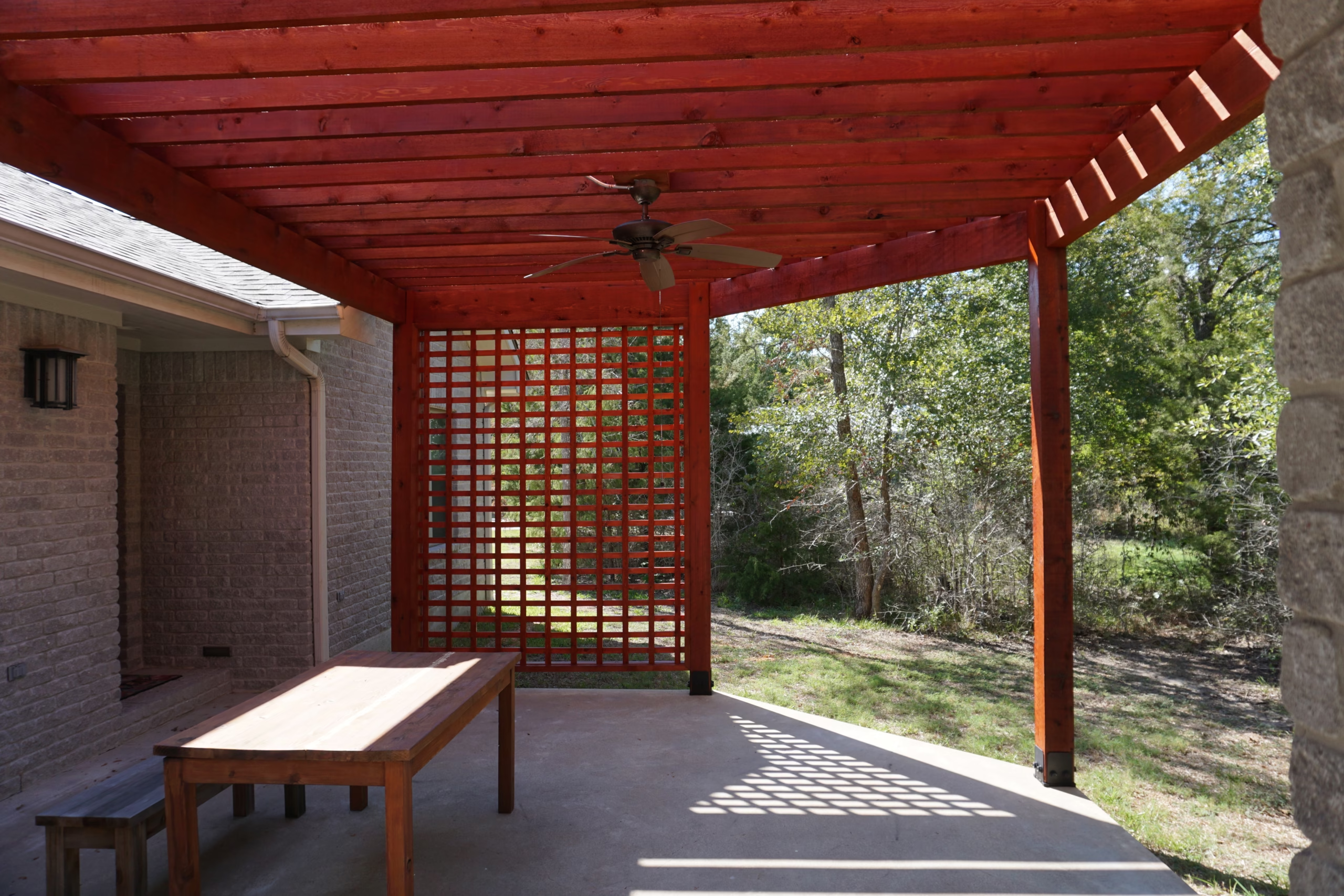
To further improve comfort, we added a custom lattice feature along the west side of the pergola. This increased shading capability while also creating opportunities for hanging plants and decorative elements that could soften the outdoor living space over time.
A ceiling fan was installed at the center of the pergola to improve comfort during warmer weather, helping the outdoor living addition remain usable for much longer portions of the year.
Matching the Architecture Instead of Competing With It
Many outdoor additions feel visually disconnected because the proportions, detailing, or geometry do not relate well to the original home.
To avoid that issue, we designed the pergola with hidden top slats and side faceplates that created a cleaner, more box-like appearance without exposed overhangs. This gave the structure a more modern profile that better matched the architectural language of the home itself.
The warm stain color was also selected intentionally to complement the existing exterior materials and landscape.
Creating a Workshop That Felt Intentional
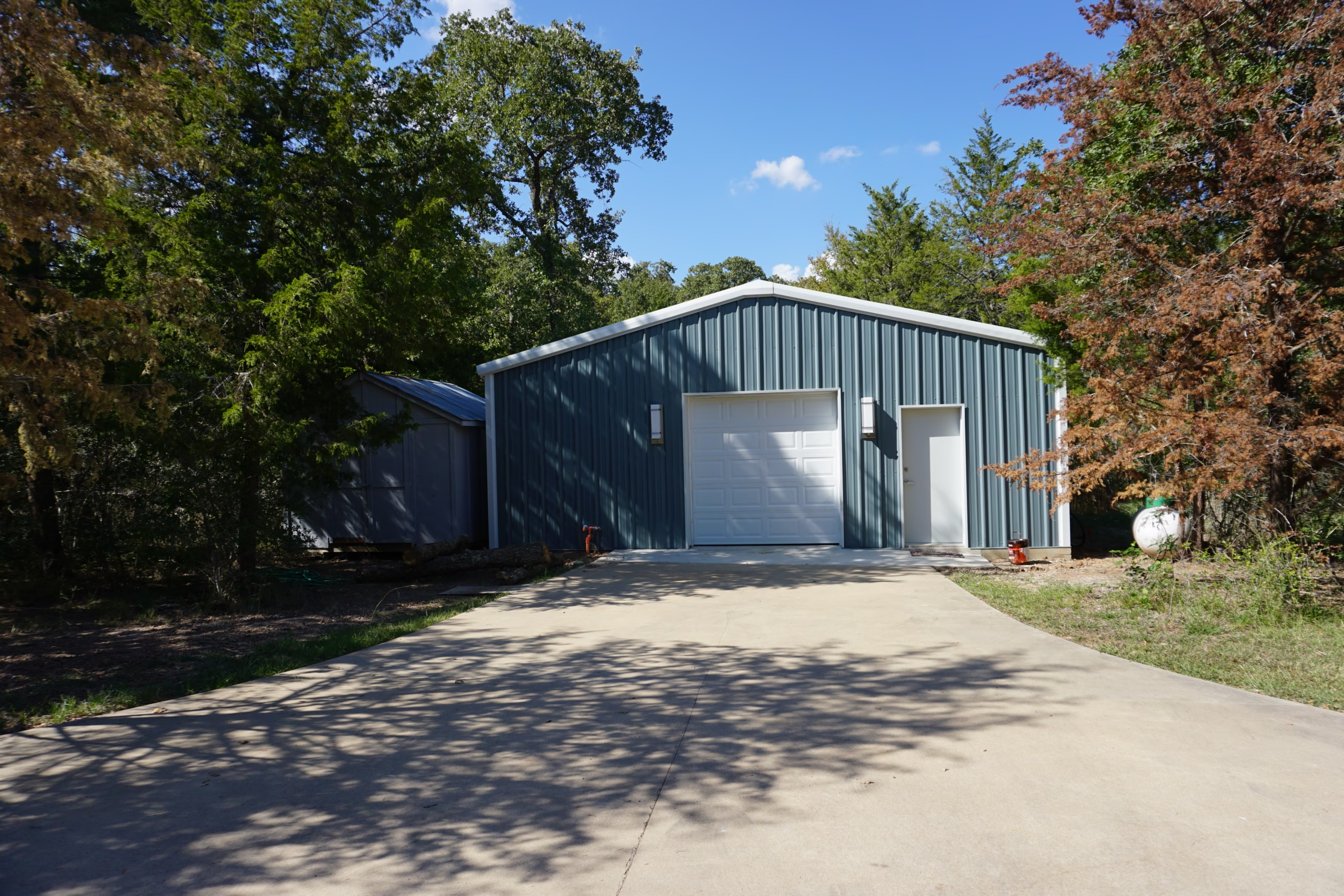
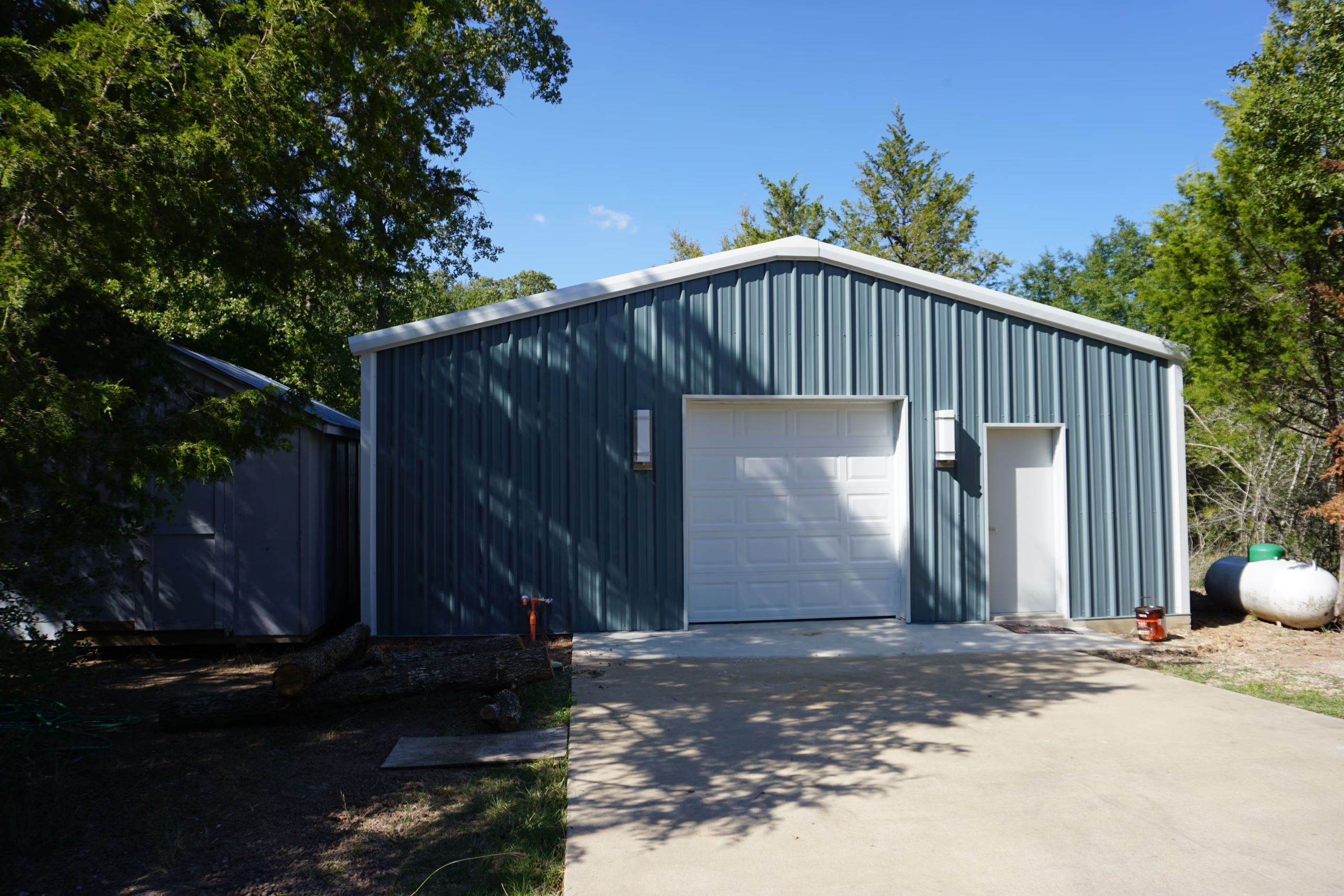
The workshop addition measured 30 feet by 30 feet, creating approximately 900 square feet of dedicated workspace.
Rather than designing the building as a purely utilitarian metal structure, we wanted it to feel connected to the rest of the property. Windows were added throughout the building to bring in natural light and preserve views of the surrounding trees, helping the space feel more inspiring and less enclosed.
The workshop also included:
- dedicated wood storage
- a garage door for equipment access
- a man door for daily convenience
- air conditioning for year-round comfort
Cool gray tones were selected for the building exterior to visually tie the workshop back to the tones already present within the home’s brick and roofing materials.
The Result
The final project created two entirely different types of spaces, but both supported the same larger goal: helping the homeowners enjoy their property more comfortably and intentionally.
The pergola transformed an underused patio into a shaded outdoor living area designed for regular daily use rather than occasional use. The workshop gave the homeowner room to work, store materials, and pursue woodworking without sacrificing garage functionality inside the main house.
Most importantly, both additions feel connected to the existing property instead of visually competing with it.
That kind of cohesion usually comes from slowing down early planning decisions and designing around how the homeowners actually live, rather than simply adding structures as quickly as possible.
Lessons for Homeowners Considering a Similar Project
Many outdoor living projects become disappointing because the planning focuses too heavily on appearance and not enough on comfort, orientation, or daily usability.
Shade direction, airflow, proportions, and how the structure connects to the existing home all have a major impact on whether a space actually gets used consistently over time.
The same is true for workshop additions and detached buildings. The goal is rarely just “more room.” The real goal is creating a space that supports hobbies, storage, creativity, or workflow in a way that reduces friction in everyday life.
Projects like this often work best when the structures are designed as part of the overall property experience instead of treated as isolated additions.
Frequently Asked Questions
How much shade can a pergola actually provide?
A custom pergola addition can provide significant shade when the slat spacing, orientation, and sun exposure are carefully planned. In this project, solar shade studies helped determine the spacing needed to reduce western sun exposure throughout the year.
Is a pergola better than a fully covered patio?
That depends on the goals of the space. A pergola can sometimes provide a cleaner and more cost-effective solution when homeowners want shade, airflow, and openness without the structural complexity of a full roof extension.
What should homeowners consider before building a workshop addition?
Site placement, electrical needs, storage requirements, comfort, access, and how the structure relates visually to the existing property are all important considerations. Planning those details early helps prevent the building from feeling disconnected or underutilized later.
Can detached workshops be designed to match the home?
Yes. Material selections, rooflines, colors, windows, and proportions can all be used to help a detached workshop addition feel cohesive with the existing home and property.
Are outdoor living additions worth the investment?
Outdoor living additions are often most successful when they improve how homeowners use their property day to day. Comfort, shade, airflow, and usability tend to have a larger long-term impact than simply increasing square footage alone.