
How to Improve Air Conditioning Efficiency During Hot Texas Summers
When summer temperatures settle into the upper 90s across the Brazos Valley, air conditioning systems work under constant stress. Air conditioning efficiency is not determined by one piece of equipment alone. It depends on filtration, airflow, duct performance, insulation, maintenance, and how the home itself manages heat gain. When these systems work together properly, they reduce strain on HVAC equipment, improve comfort, and lower unnecessary energy loss.
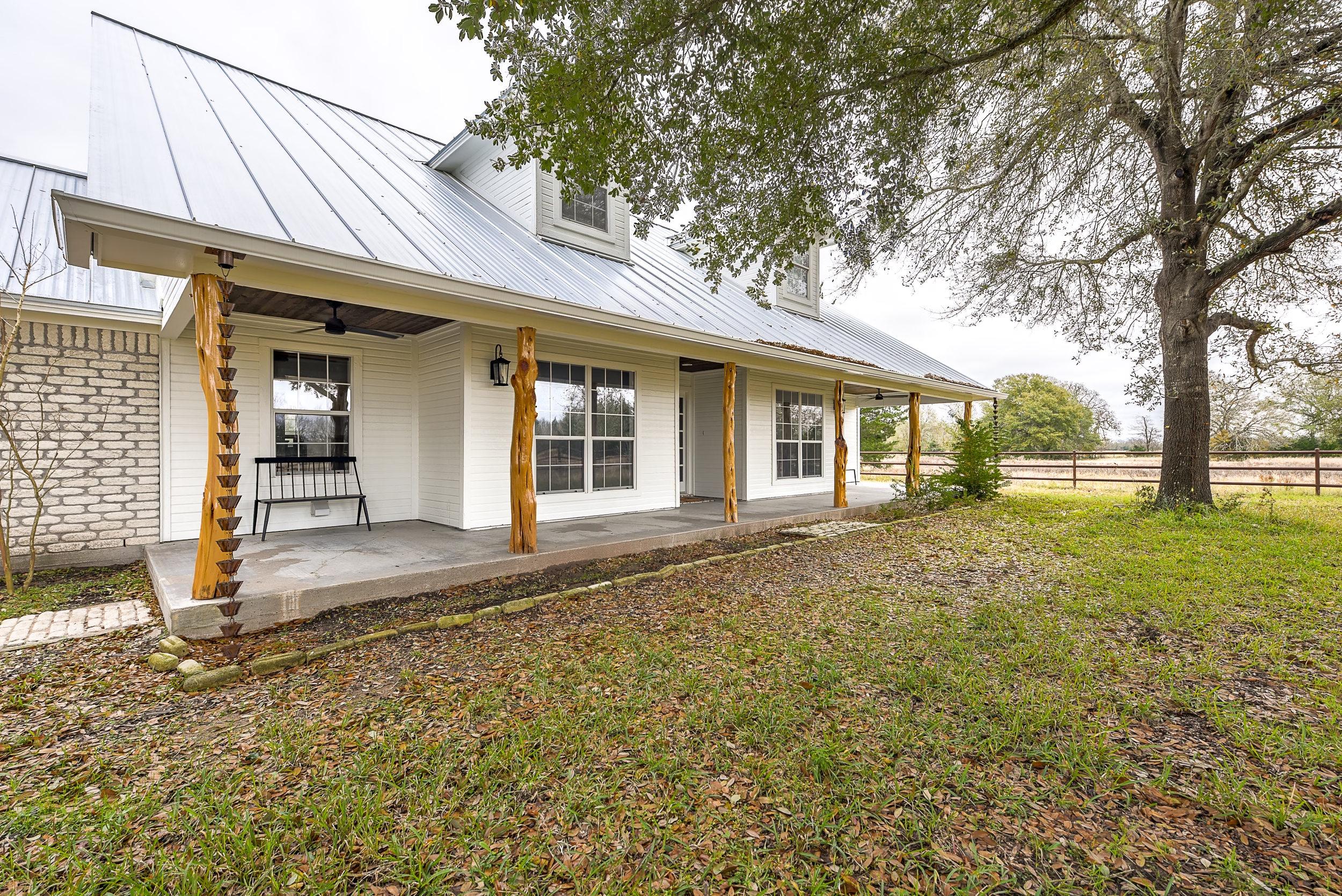
Why Air Conditioning Efficiency Matters in Texas
Hot-weather HVAC performance is different in climates like Bryan–College Station than it is in milder parts of the country. In Texas, air conditioning systems often run for long stretches of the day for several months straight. Small inefficiencies that might go unnoticed elsewhere become much more significant over time.
Poor air conditioning efficiency can lead to:
- uneven temperatures between rooms
- rising utility bills
- excess humidity indoors
- premature HVAC wear
- poor indoor air quality
- comfort issues during peak afternoon heat
Many homeowners assume their equipment is the problem when the real issue is often how the entire home supports or fights against the cooling system.
An efficient HVAC system is not just about producing cold air. It is about helping the house hold comfort consistently without forcing the equipment to overwork.
Common Causes of Poor Air Conditioning Efficiency
Air conditioning systems rarely become inefficient because of one isolated issue. In many homes, several small problems combine to increase energy use, reduce comfort, and place unnecessary strain on HVAC equipment.
Some of the most common contributors include airflow restrictions, duct leakage, heat gain through the building envelope, aging equipment, and poor humidity control.
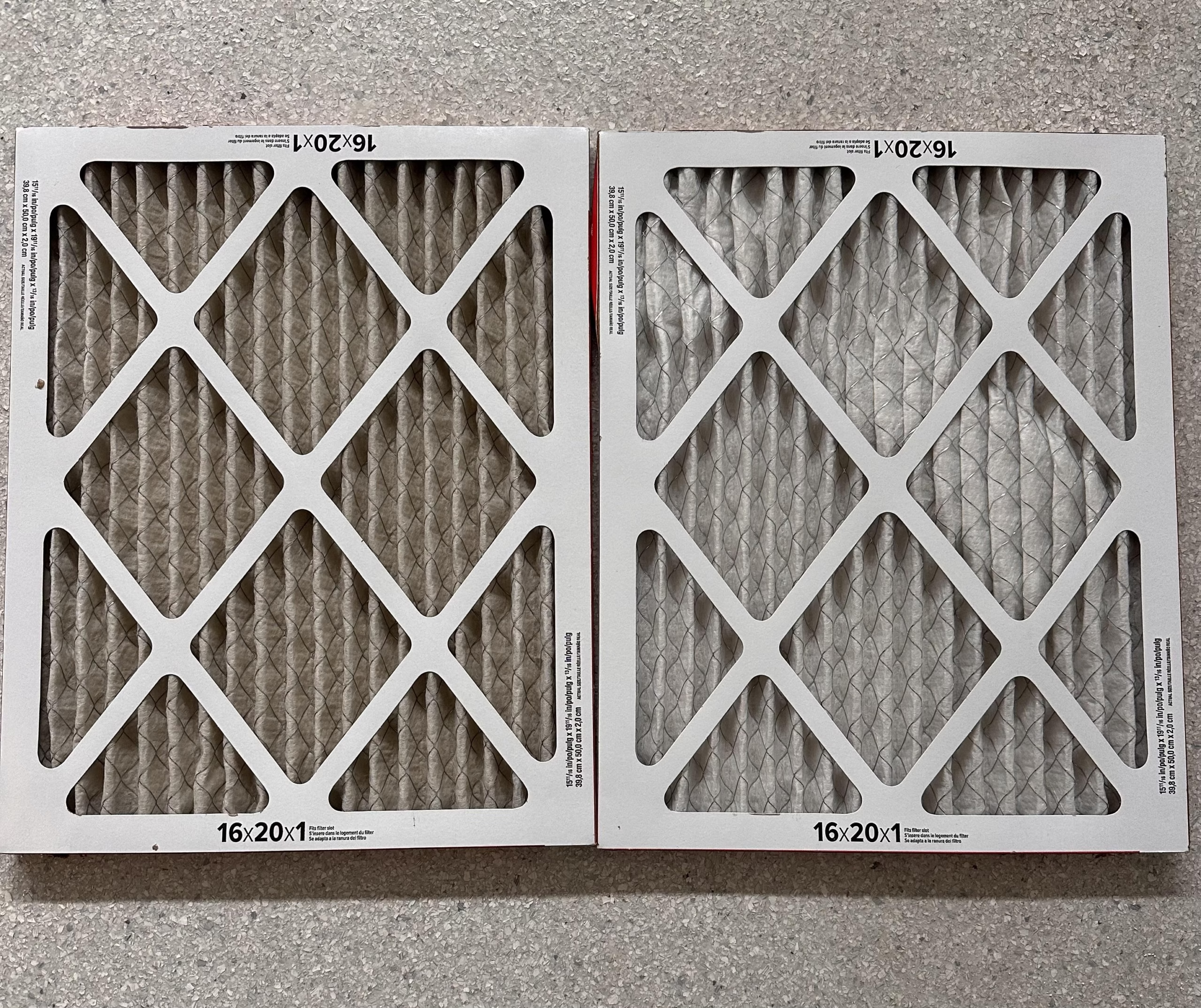
Dirty Air Filters Restrict Airflow
One of the simplest but most overlooked causes of reduced HVAC efficiency in hot weather is a clogged air filter.
When filters become overloaded with dust and debris, airflow becomes restricted. The system has to work harder to move conditioned air throughout the home, which increases energy use and can shorten equipment lifespan over time.
In the Brazos Valley, where systems may run heavily for much of the year, monthly filter checks are often more realistic than waiting several months between replacements.
The correct replacement schedule depends on:
- pets in the home
- allergies or indoor air quality concerns
- construction nearby
- filter type and thickness
- overall HVAC usage
This is less about following a universal rule and more about maintaining consistent airflow.
Leaky or Poorly Installed Ductwork
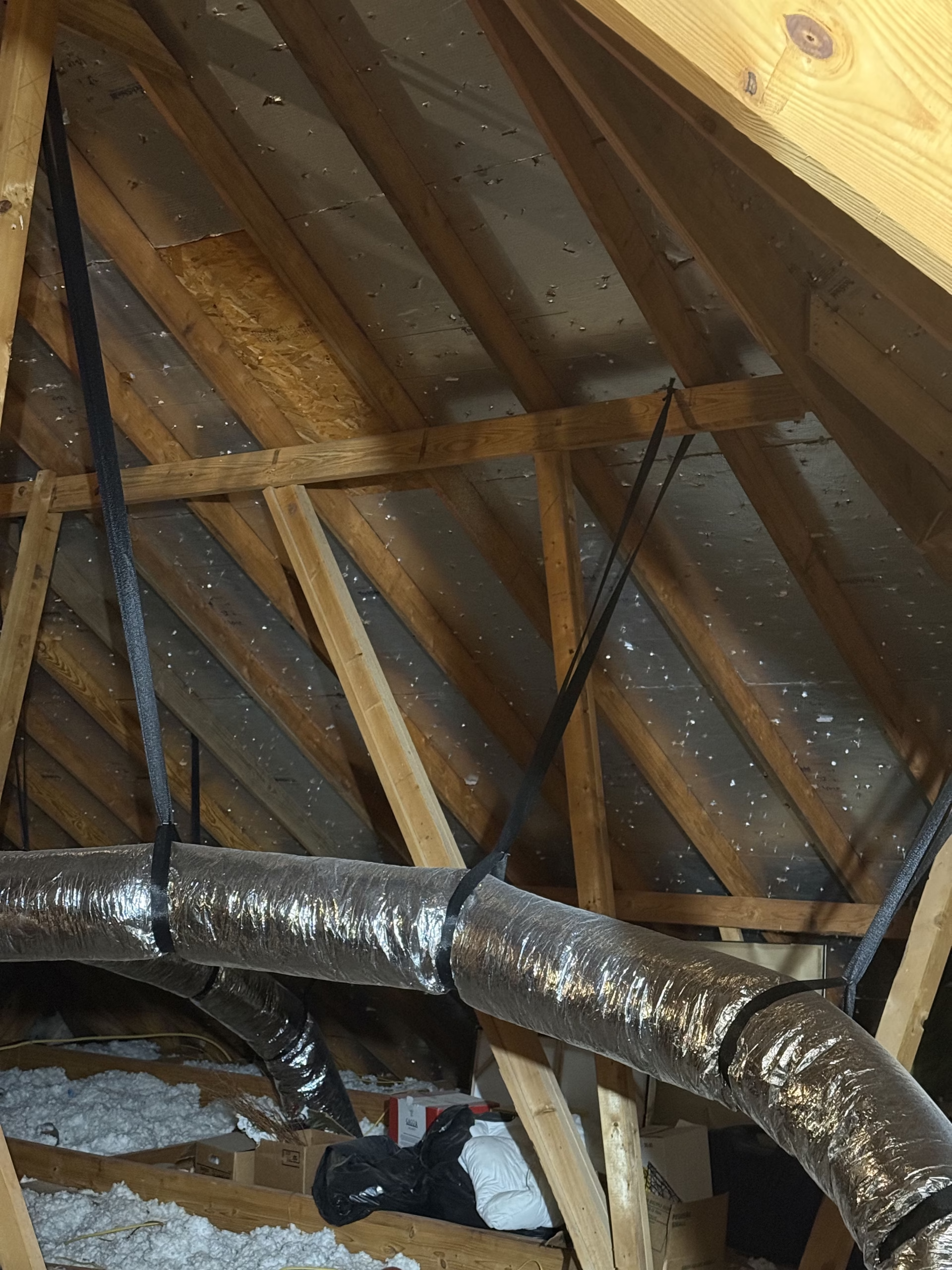
Many homes lose conditioned air before it ever reaches the rooms it is supposed to cool.
Duct systems that run through hot attic spaces are especially vulnerable to energy loss if connections are loose, damaged, or poorly sealed. Even small leaks can force the HVAC system to run longer because cooled air escapes into unconditioned spaces.
In some homes, airflow problems are also caused by poorly designed duct layouts, crushed flexible ducts, or undersized returns that limit circulation.
Because ductwork is hidden above ceilings and behind walls, these issues often go unnoticed for years.
Poor Insulation and Air Sealing
An HVAC system can only cool efficiently if the home is capable of holding conditioned air.
When attics, wall penetrations, recessed lighting, doors, or windows allow excessive heat infiltration, the cooling system has to continuously compensate for the heat entering the house.
This is especially important in Texas homes where attic temperatures can become extremely high during summer afternoons.
Air leaks and insulation deficiencies often create:
- hot or cold spots
- long HVAC run times
- uneven room temperatures
- humidity fluctuations
- higher utility costs
Aging or Improperly Maintained Equipment
HVAC systems naturally lose efficiency as components wear over time.
Dirty coils, weak blower motors, refrigerant issues, clogged drain lines, and failing capacitors can all reduce performance gradually before complete failure occurs.
Many homeowners only notice these problems once comfort levels decline significantly during peak summer heat.
Regular inspections help identify small performance losses before they become larger system failures.
Humidity Problems Inside the Home
Temperature is only part of indoor comfort. Humidity also plays a major role in how cool a house feels.
Homes with excessive indoor humidity often feel warmer even when the thermostat setting appears normal. This can lead homeowners to lower temperatures further, increasing HVAC demand and energy use.
Humidity problems may be connected to:
- oversized HVAC equipment
- poor ventilation
- air leakage
- insufficient dehumidification cycles
- moisture entering from crawlspaces or attics
Proper air conditioning efficiency involves balancing both temperature and moisture control together.
Why Duct Leakage Deserves Special Attention
One of the largest hidden causes of energy inefficiency is duct leakage.
In many homes, conditioned air travels through attic ductwork before reaching interior rooms. If ducts are poorly sealed, disconnected, or damaged, cooled air may escape into unconditioned attic spaces before it ever reaches the living areas.
This forces the HVAC system to run longer to compensate for the lost air.
According to the U.S. Department of Energy, poorly sealed and insulated duct systems are one of the most common hidden sources of heating and cooling energy loss in homes. This becomes especially important in Texas attics where extreme temperatures amplify the impact of leaking or poorly connected ducts.
Unfortunately, duct leakage energy loss is frequently overlooked because the problems are hidden above ceilings or behind walls.
Common signs may include:
- rooms that never cool evenly
- unusually high utility bills
- weak airflow
- excessive dust
- temperature differences between floors
- long HVAC run times
In many older homes, duct systems were never sealed particularly well to begin with. In some newer homes, installation quality can still vary significantly.
Why the House Itself Impacts HVAC Performance
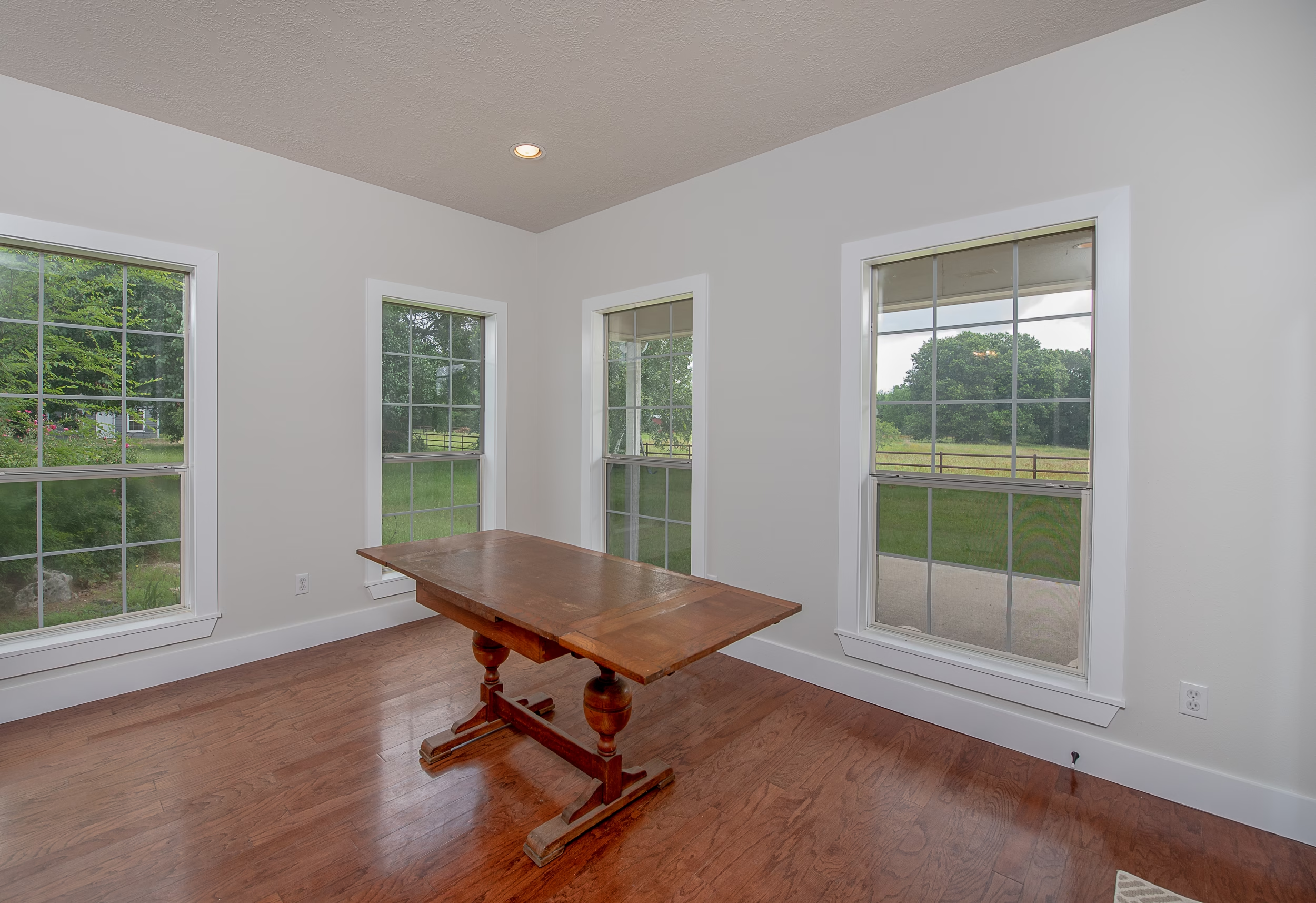
Air conditioning efficiency is not only determined by the HVAC equipment. The building envelope plays a major role in how hard the system must work.
A home that constantly absorbs heat through poorly insulated attics, windows, gaps, or unsealed penetrations forces the HVAC system into a continuous cycle of compensation.
This is why home energy efficiency in Bryan–College Station often comes back to broader building science principles, including:
- attic insulation performance
- solar heat gain
- air sealing
- window efficiency
- humidity management
- shading strategies
- ventilation design
The HVAC system is only one part of the comfort equation.
A larger unit alone does not solve underlying efficiency problems. In some situations, oversized equipment can actually create humidity issues because the system cools too quickly without properly dehumidifying the air.
Common Mistakes Homeowners Make
Focusing Only on Equipment Size
Many homeowners assume replacing an HVAC system with a larger unit automatically improves comfort.
In reality, system sizing is only one factor. If the ductwork, insulation, or air sealing is poor, larger equipment may simply cycle harder without solving the underlying issue.
Ignoring the Duct System During Remodels
During remodeling projects, duct systems are often left untouched unless they completely fail.
But remodels can change airflow demands throughout a house. Room additions, altered layouts, new windows, or changes in insulation can all affect HVAC balance.
Energy efficient remodeling should evaluate how the cooling system interacts with the updated home rather than treating HVAC as an isolated component.
Waiting Until Peak Summer for Maintenance
Once extreme summer heat arrives, HVAC companies are often operating under heavy demand. Preventive servicing before peak temperatures helps identify efficiency problems earlier and may reduce emergency situations later.
High-Level Overview of Improving Air Conditioning Efficiency
Improving air conditioning efficiency usually involves several systems working together rather than one isolated fix.
1. Maintain Consistent Airflow
Regular filter replacement and airflow evaluation help reduce unnecessary HVAC strain.
2. Verify Equipment Performance
Seasonal inspections help identify gradual performance loss before major comfort problems appear.
3. Address Duct Leakage
Properly sealed duct systems reduce conditioned air loss and improve delivery throughout the home.
4. Improve the Building Envelope
Insulation, air sealing, and window performance reduce heat gain and lower HVAC workload.
5. Evaluate Remodeling Impacts
Changes to layouts and room usage should consider airflow and system balance.
How This Impacts Long-Term Home Performance
Efficient cooling systems are not only about monthly utility costs. They also affect:
- long-term equipment lifespan
- indoor comfort consistency
- humidity control
- indoor air quality
- noise levels
- overall home durability
When HVAC systems constantly overwork, wear accumulates faster. Excess humidity can also contribute to indoor comfort problems and material stress over time.
Homes that manage heat gain effectively typically place less strain on cooling systems and create more stable indoor conditions overall.
How Stearns Design Build Approaches Energy Efficiency
At Stearns Design Build, energy efficiency is approached as part of the larger system of how a home functions, not just the HVAC equipment itself.
During remodeling and design conversations, we look at how insulation, airflow, room usage, windows, ductwork, and ventilation interact together. The goal is not simply to install newer products. The goal is to create a home that supports comfort more consistently in the Brazos Valley climate.
This is also why planning matters early. Decisions about layouts, additions, window placement, and material selections all influence how efficiently a home performs later. We guide those decisions in the right order so homeowners are working from real information rather than reacting to problems after construction is complete. That process-focused approach helps reduce surprises and supports better long-term performance for the home as a whole.
Frequently Asked Questions
How often should HVAC filters be changed in Texas?
Many homes benefit from monthly filter checks during periods of heavy HVAC use, especially in summer. The actual replacement frequency depends on filter type, pets, allergies, and overall system demand.
Can duct leaks really affect utility bills that much?
Yes. Duct leakage energy loss can significantly reduce system efficiency, especially when ducts run through hot attic spaces common in Texas homes.
Does a larger AC unit cool better?
Not always. Oversized systems can create humidity and cycling issues if the home itself is not properly balanced for the equipment.
What is the biggest contributor to poor air conditioning efficiency?
There usually is not one single cause. Air conditioning efficiency depends on airflow, duct performance, insulation, maintenance, humidity control, and overall building envelope performance working together.
Should HVAC systems be evaluated during remodeling projects?
Yes. Remodels often change how rooms are used and how air moves through the home. Evaluating HVAC performance during remodeling can help avoid comfort and efficiency problems later.