
How to Prepare Your Home for a Kitchen Remodel Without Disrupting Everyday Life
Preparing for a kitchen remodel involves much more than choosing cabinets, countertops, and appliances. Because the kitchen often becomes inaccessible during construction, thoughtful preparation helps protect your daily routine, reduce unnecessary stress, and keep the remodeling process moving smoothly. A well-prepared home supports better organization, safer working conditions, and fewer surprises once construction begins.

Why Preparing for a Kitchen Remodel Is Critical
Kitchen remodeling temporarily removes one of the most frequently used spaces in the home. Without a plan for cooking, storage, and household organization, even a well-managed remodel can feel disruptive.
Preparation is not simply about packing boxes. It is about creating a temporary system that allows your family to continue daily life while construction is underway. Small decisions made before demolition often have a significant impact on convenience, safety, and overall project experience.
Common Preparation Mistakes Homeowners Make
Many homeowners focus all their attention on design selections while overlooking the practical realities of living through construction.
Some common oversights include:
- Waiting until demolition begins to clear cabinets and countertops.
- Forgetting to establish an alternative place to prepare meals.
- Overstocking refrigerated and frozen food before construction starts.
- Leaving utilities connected longer than necessary.
- Packing everything together instead of separating frequently used items from long-term storage.
These small oversights can create unnecessary frustration during the remodeling process.
High-Level Overview of Kitchen Remodel Preparation
Set Up a Temporary Kitchen
One of the first priorities should be creating a functional temporary kitchen.
Homeowners with outdoor kitchens or covered patios may simply relocate essential appliances and supplies. Others may choose a dining room, breakfast area, or another nearby space to create a temporary cooking station.
The goal is not to recreate the entire kitchen. Instead, focus on maintaining the ability to prepare simple meals with minimal disruption.
Keeping a refrigerator, microwave, coffee maker, portable cooktop, or other essential appliances accessible can make daily life much easier during construction.

Organize and Pack Loose Kitchen Items
Everything that is not permanently attached should be removed before construction begins.
This includes:
- Dishes
- Glassware
- Small appliances
- Pots and pans
- Decorative items
- Cooking utensils
- Pantry items
- Baking supplies
Rather than packing everything together, organize belongings into categories that make unpacking and daily use easier.
Items used every day should remain accessible in the temporary kitchen, while seasonal cookware and specialty appliances can be safely stored until the remodel is complete.
Many homeowners discover they have accumulated tools they rarely use. Remodeling provides an excellent opportunity to simplify storage before everything returns to the new space.

Plan Food Storage Before Construction Begins
Food storage deserves just as much planning as packing dishes and cookware.
Shelf-stable items such as canned goods, pasta, baking ingredients, snacks, spices, oils, and pet food can be boxed and stored in another room.
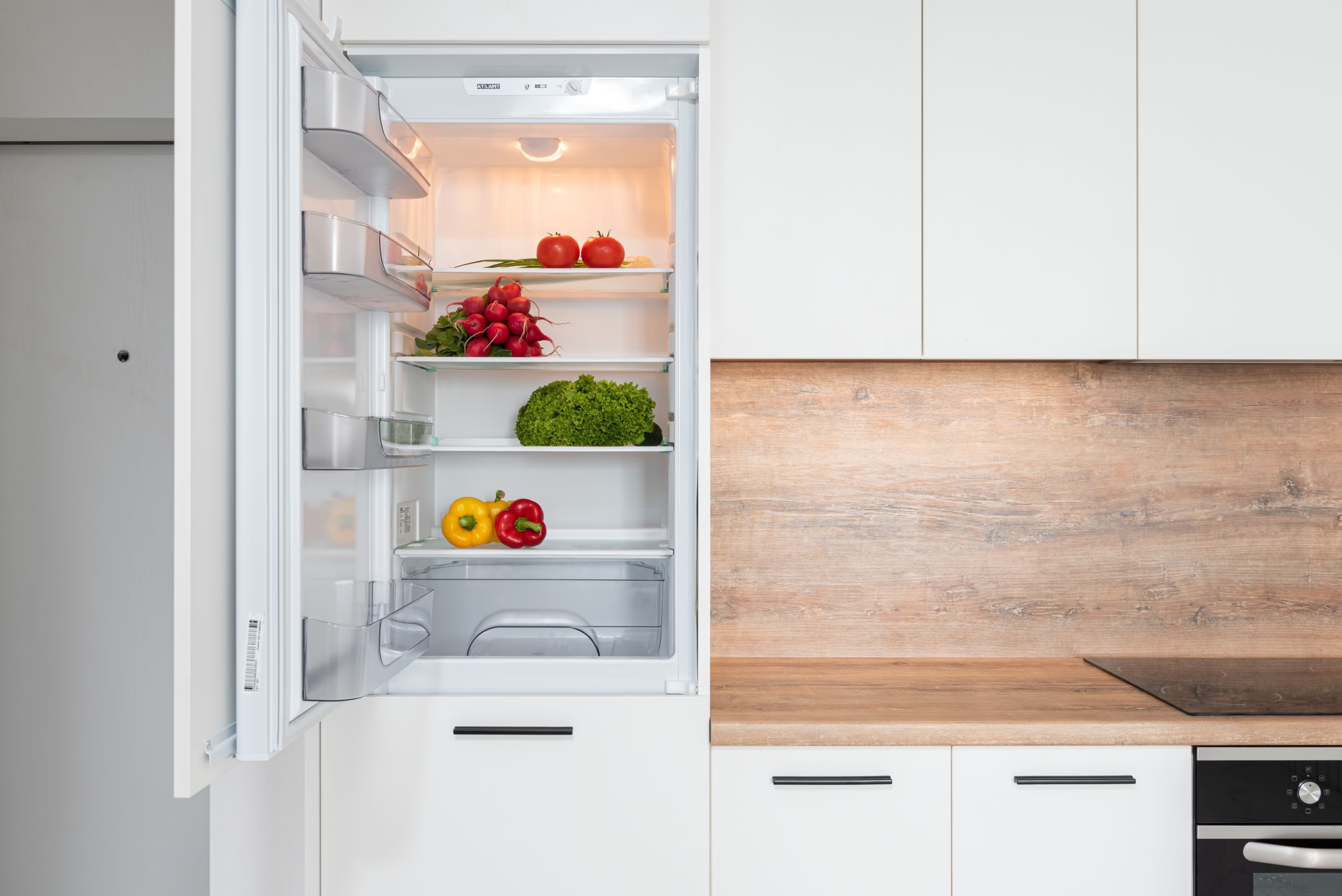
Perishable foods should remain refrigerated until they are consumed. In the weeks leading up to construction, it often helps to reduce grocery purchases and intentionally work through frozen meats, vegetables, and other refrigerated items.
Stocking up on easy-to-prepare foods such as oatmeal, bread, cereal, granola, and other pantry staples can make the temporary kitchen much easier to manage.
Prepare Utility Connections for Construction
Before remodeling begins, gas, electrical, plumbing, and appliance connections will eventually need to be safely disconnected as part of the construction process.
Preparing for these utility interruptions ahead of time helps reduce unexpected inconvenience while also creating a safer working environment for everyone involved in the project.
Understanding that these systems will be temporarily unavailable allows homeowners to plan meal preparation, refrigeration needs, and daily routines before construction starts.

Systems Commonly Used During Kitchen Remodel Preparation
Successful kitchen remodel preparation often relies on simple organizational systems rather than specialized equipment.
Temporary kitchen stations, labeled storage boxes, organized pantry categories, and designated daily-use containers help reduce confusion throughout construction.
Many homeowners also use plastic storage bins, shelving units, folding tables, or rolling carts to keep temporary cooking spaces organized while protecting items from construction dust.
The objective is not perfection. It is maintaining enough functionality to support normal daily life until the remodel is complete.
How Preparation Impacts the Overall Remodeling Experience
Preparation cannot eliminate every inconvenience associated with remodeling, but it can dramatically improve the experience.
When homeowners have a clear plan for cooking, storage, and organization before demolition begins, construction can proceed with fewer interruptions and less day-to-day frustration.
Planning ahead also makes moving back into the completed kitchen easier because belongings have already been sorted and organized throughout the process.
The time invested before construction often pays dividends throughout the entire remodel.
How Stearns Design Build Helps Homeowners Prepare
Preparation begins long before demolition starts.
At Stearns Design Build, planning conversations include discussions about daily routines, temporary living arrangements, appliance timing, and project sequencing so homeowners understand what to expect before construction begins. We have also developed the free Kitchen Remodel Guide for helping you prepare for your remodel with ease.
The goal is not simply to remodel a kitchen. It is to create a plan that respects how your family lives while protecting the project from unnecessary disruption through thoughtful preparation and clear communication.
Frequently Asked Questions
How early should I start preparing for a kitchen remodel?
Most homeowners benefit from beginning preparations one to two weeks before construction starts. This allows time to organize belongings, reduce refrigerated food inventory, and establish a temporary kitchen.
Should I empty every cabinet before demolition?
Yes. All loose items should be removed from cabinets, drawers, countertops, and open shelving before construction begins to protect belongings and provide clear access for the remodeling team.
What should stay accessible during a kitchen remodel?
Daily-use dishes, cookware, utensils, coffee supplies, snacks, and small appliances should remain available in your temporary kitchen while less frequently used items can be packed away.
Should I buy groceries before my kitchen remodel starts?
Rather than stocking up, many homeowners find it easier to reduce refrigerated and frozen inventory before construction begins while relying more heavily on shelf-stable foods during the project. FoodSafety.gov also provides helpful guidance on safely storing and handling refrigerated foods during temporary power interruptions and appliance outages.
Does planning ahead really make a difference?
Yes. A well-organized preparation plan helps reduce stress, keeps daily routines more manageable, and creates a smoother remodeling experience from demolition through project completion.