
Bathroom Remodeling for Aging in Place: A Safer Solution for Everyday Living
As homeowners think about the future, many are looking for ways to remain in the homes they love without sacrificing safety, comfort, or independence. This aging in place bathroom remodel was designed to address a challenge that becomes increasingly common with age: a bathroom that no longer supports daily routines safely.
Through thoughtful planning and accessibility-focused design, this project transformed an outdated bathroom into a space that supports confidence, comfort, and long-term independence. The result is a bathroom that feels easier to use today while helping the homeowners remain in their home for years to come.
The Homeowner’s Challenge
Many bathrooms are designed around the needs of younger, more mobile homeowners. Over time, features that once seemed normal can become obstacles.
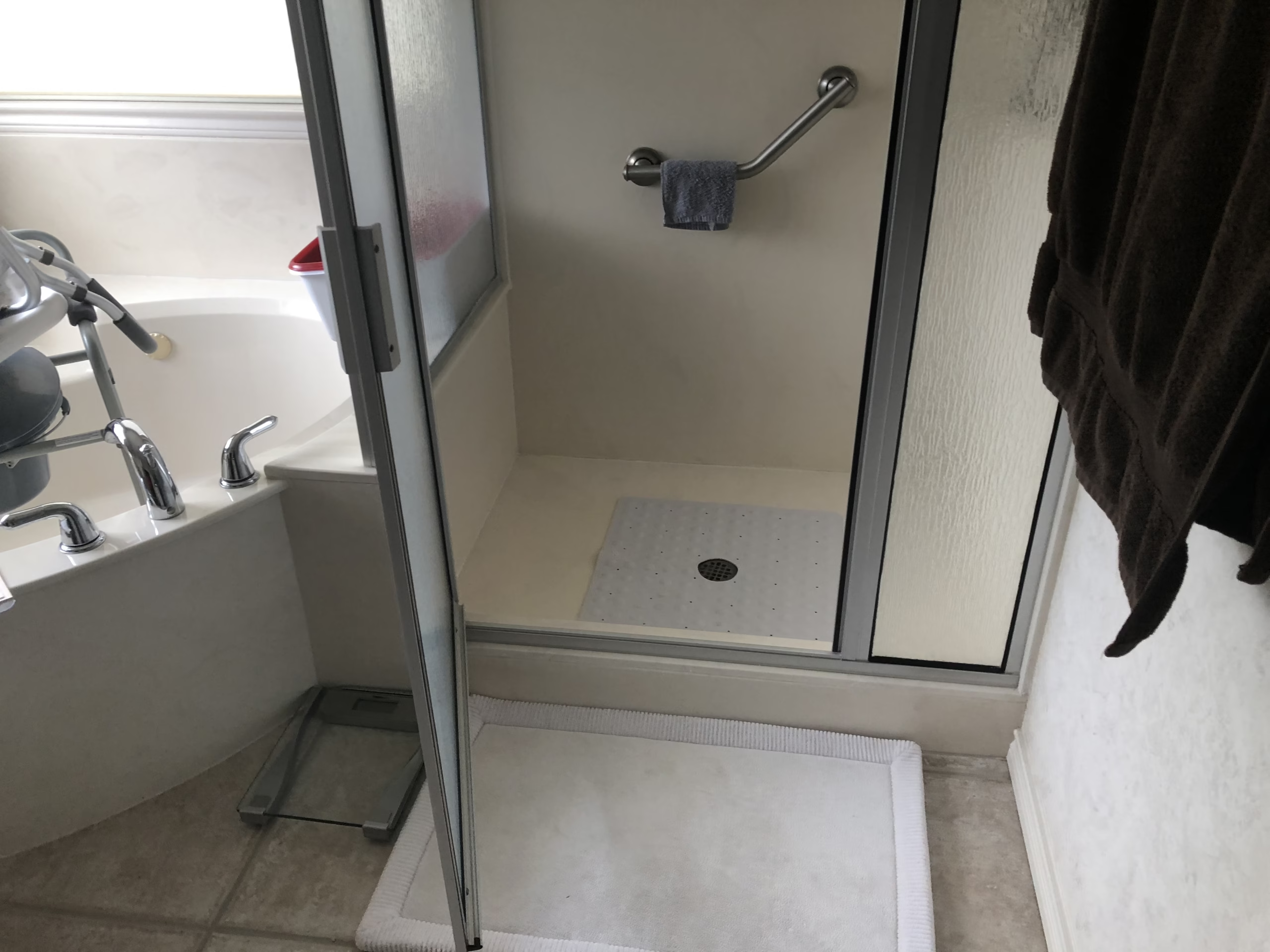
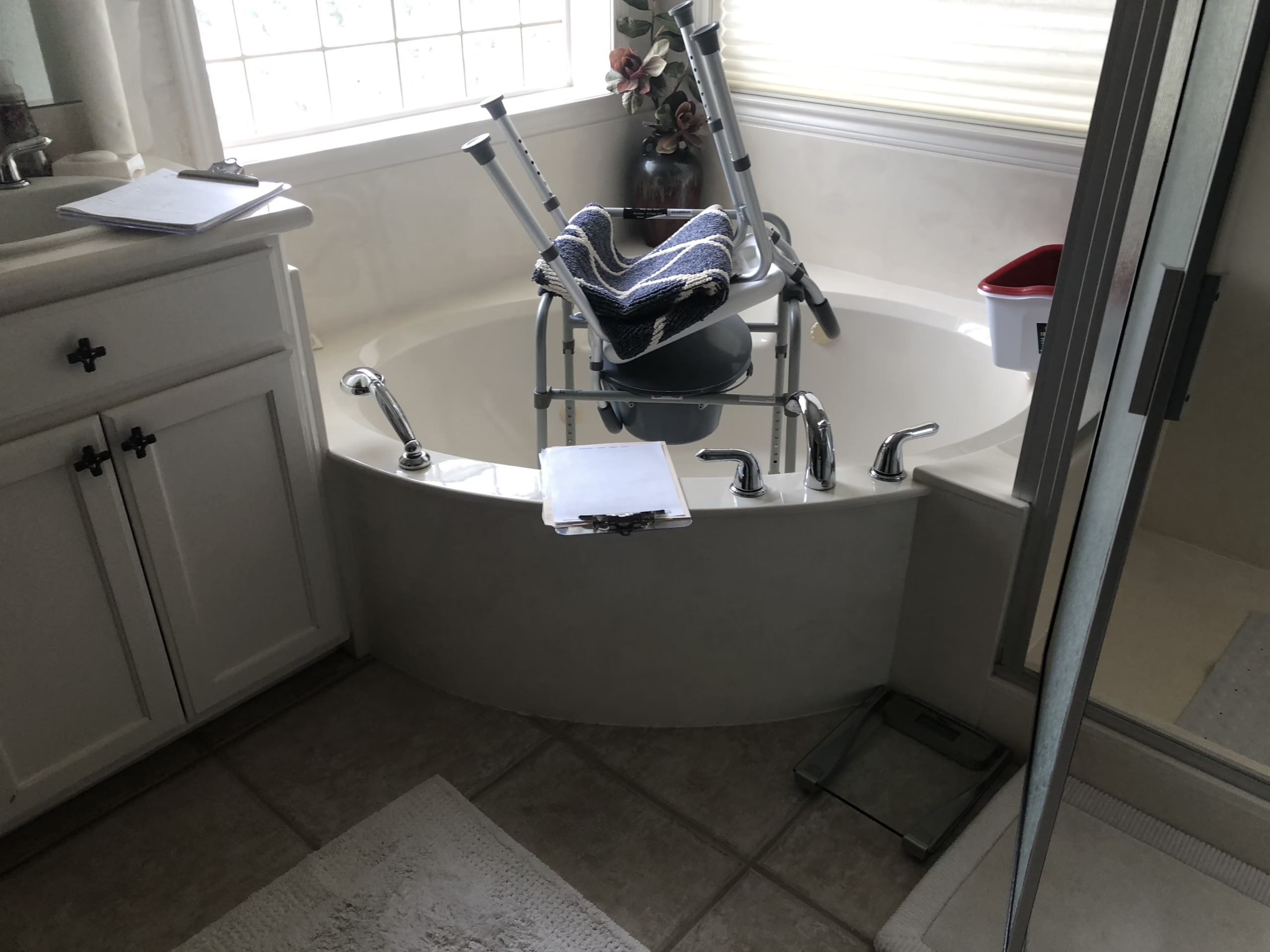
For these homeowners, the biggest concern was safe access to bathing facilities. The existing bathtub and shower had become increasingly difficult to enter and exit comfortably. What had once been a simple daily routine was becoming a source of concern.
Like many homeowners considering aging in place remodeling, they wanted solutions that would allow them to maintain independence while reducing the risk of slips and falls. They also wanted the bathroom to remain comfortable and welcoming rather than feeling institutional or medical.
The goal was not simply to update finishes. The goal was to create a bathroom that could continue supporting everyday life as needs changed over time.
Design Goals
The homeowners wanted a bathroom that would:
- Improve safety during everyday use
- Reduce fall risks around bathing areas
- Support long-term independence
- Provide multiple bathing options
- Feel comfortable and inviting
- Remain functional as mobility needs evolve
These priorities guided every design decision throughout the project.
Our Design & Build Approach
Every aging in place bathroom remodel begins with understanding how the homeowner currently uses the space and what challenges they may face in the future.
Rather than focusing solely on today’s needs, we help homeowners think several years ahead. Small accessibility improvements made during a remodel can often prevent the need for major modifications later.
For this project, we evaluated how the homeowners moved through the bathroom, how they entered and exited bathing areas, and where potential safety concerns existed. From there, we developed a solution that balanced accessibility, comfort, and appearance.
The objective was to create a bathroom that supported daily routines without making the space feel clinical.
Key Decisions That Shaped the Outcome
Replacing the Existing Tub and Shower with a Dedicated Wet Area
The most significant change involved removing both the existing bathtub and shower.
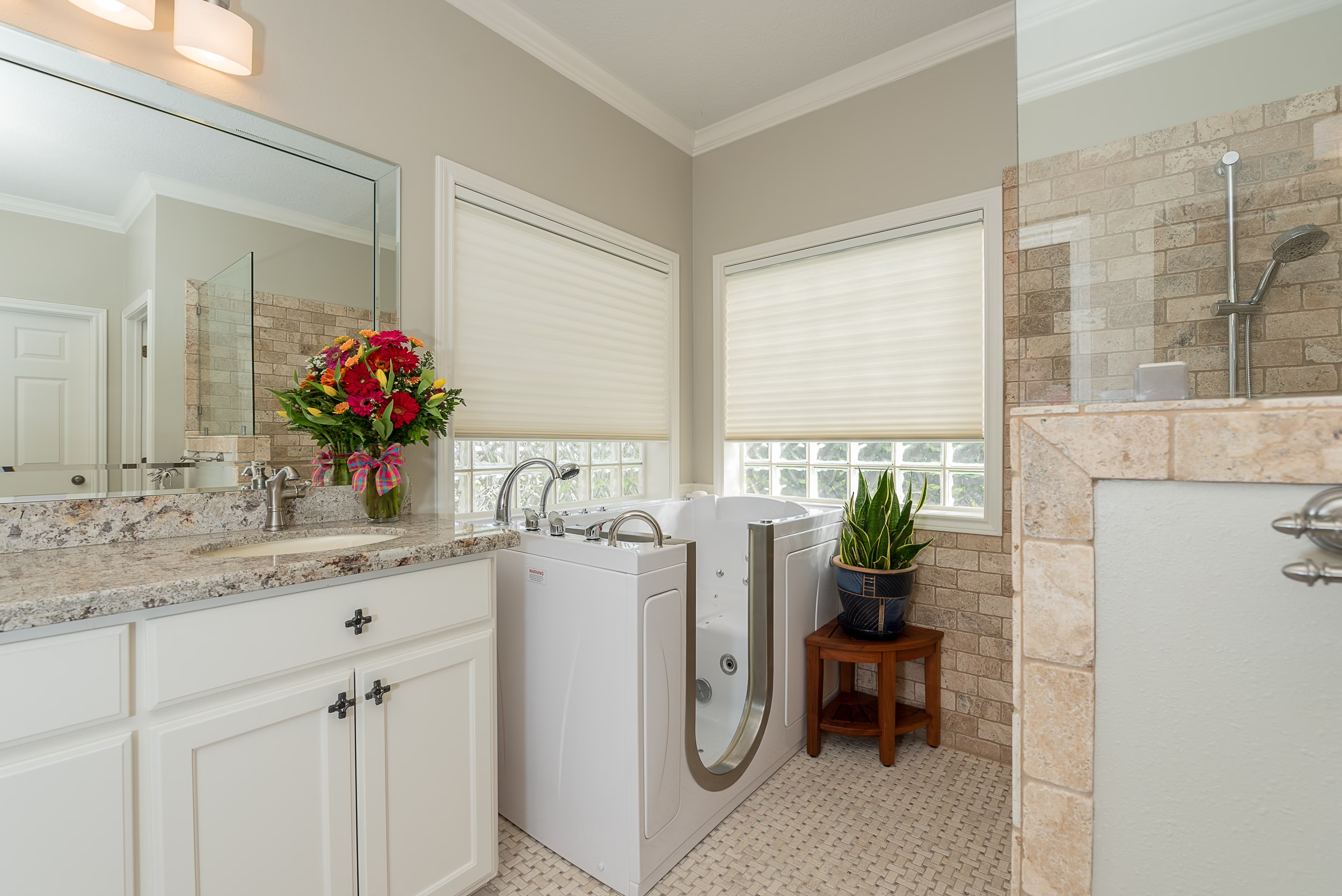
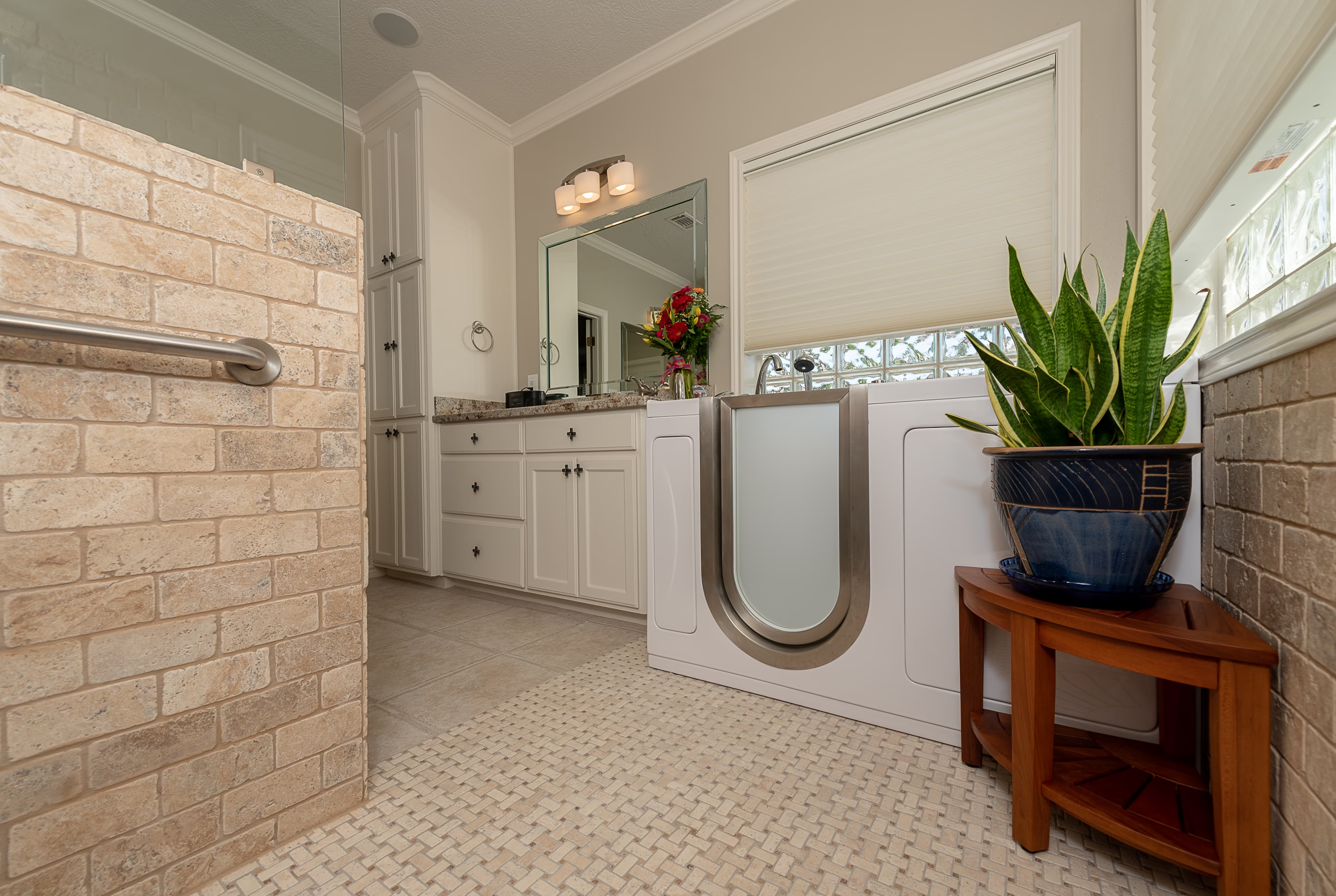
The original layout required stepping over thresholds that could become increasingly difficult and potentially hazardous over time. To eliminate those barriers, we created a dedicated wet area that combined a roll-in shower with a walk-in bathtub.
This arrangement gives the homeowners flexibility based on their comfort level, mobility needs, and personal preferences.
Adding a Roll-In Shower for Safer Access
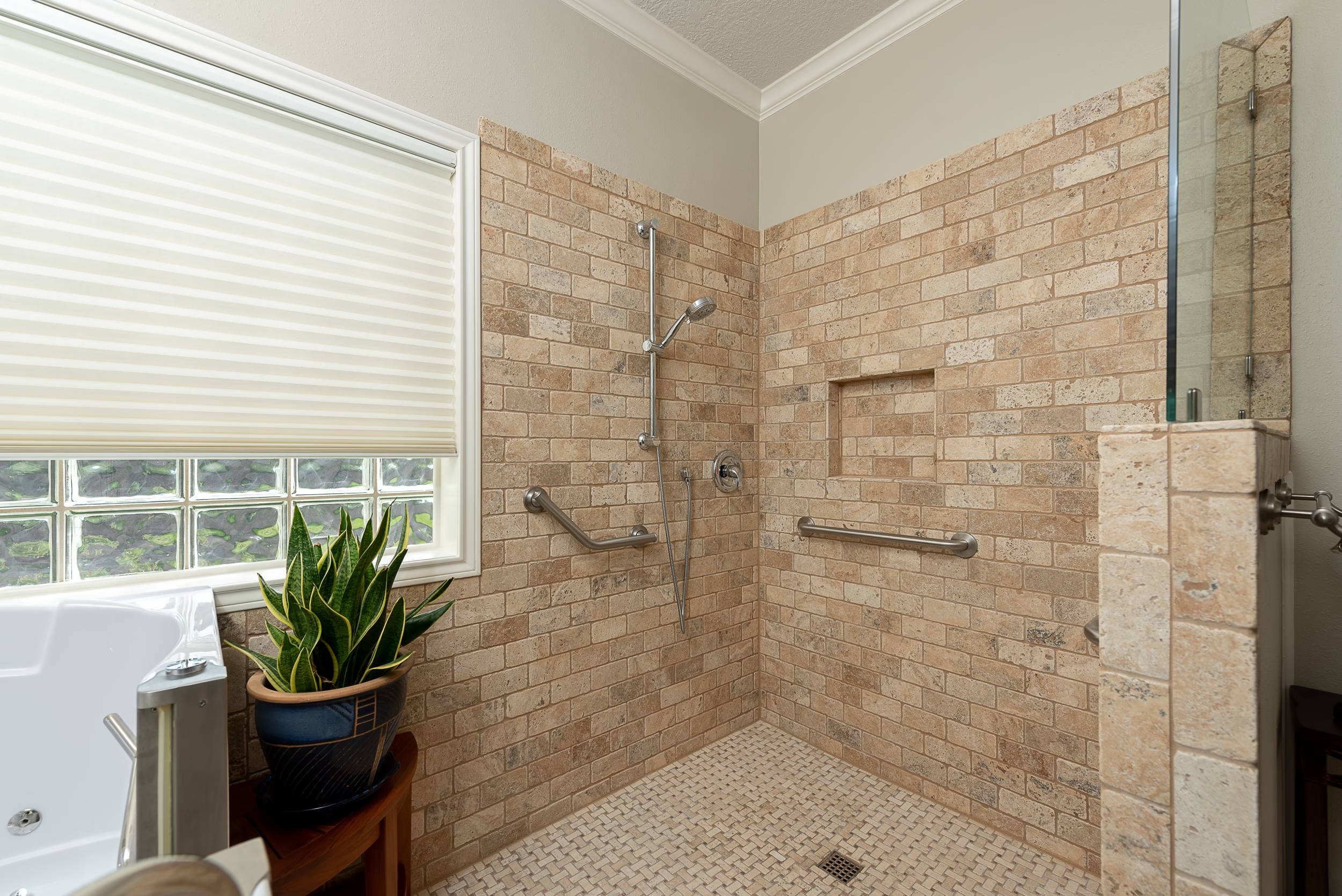
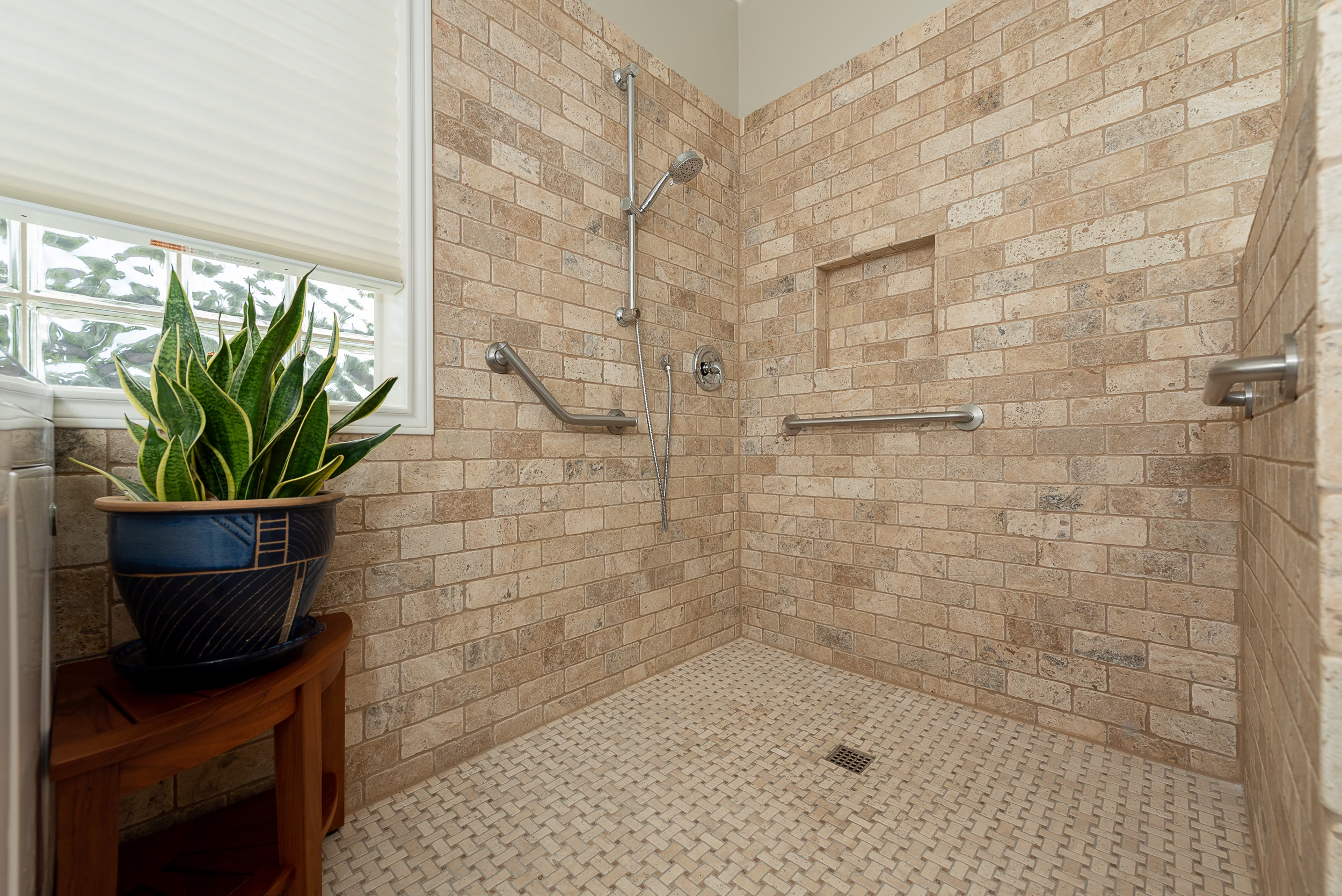
A roll-in shower removes one of the most common obstacles found in traditional bathrooms: the curb.
By creating a more accessible entry, the shower becomes easier to navigate while reducing tripping hazards. The open design also provides additional flexibility should mobility needs change in the future.
This accessible bathroom remodel approach allows homeowners to continue using their bathroom comfortably without relying on major modifications later.
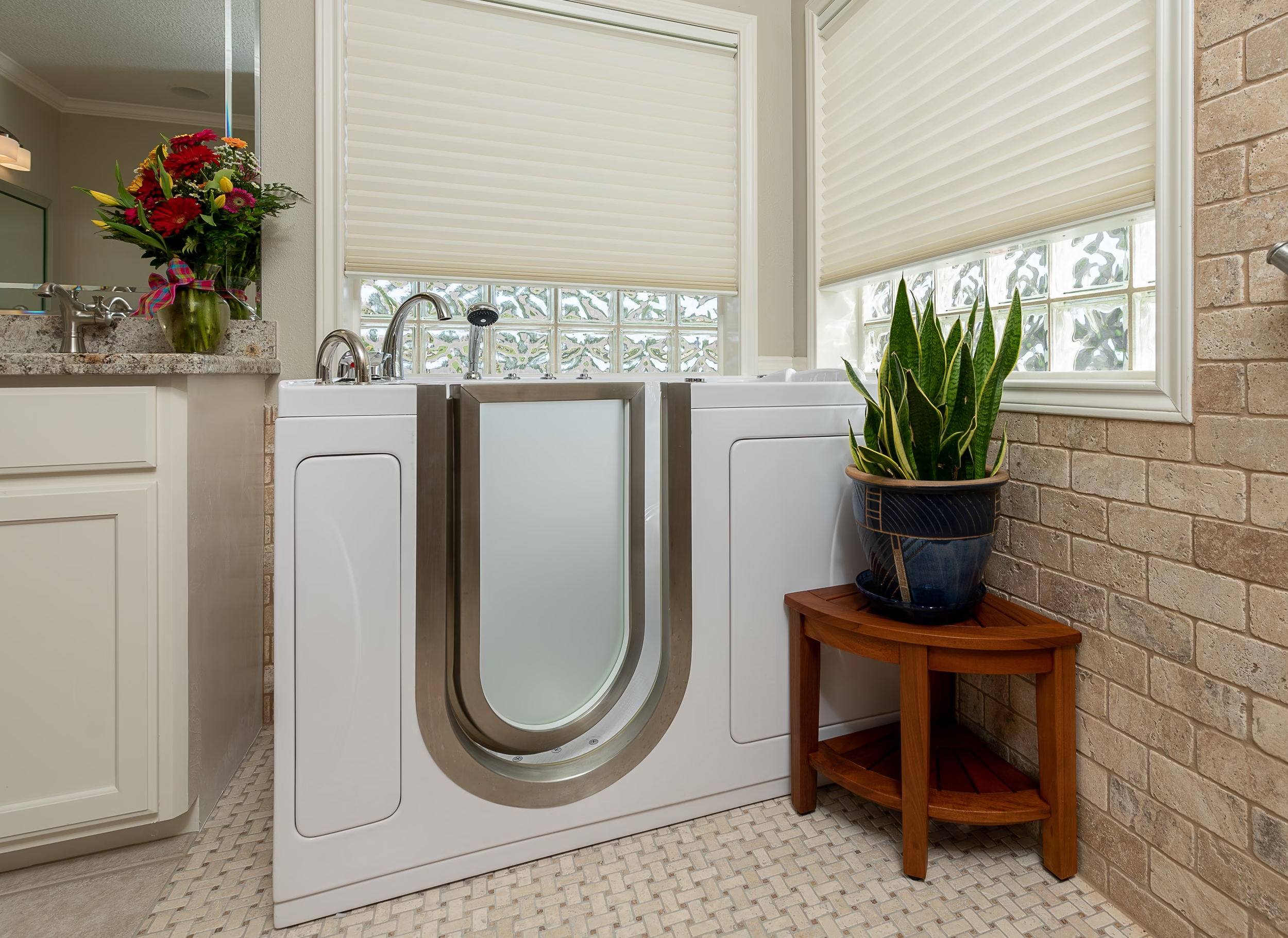
Installing a Walk-In Bathtub
While many accessibility discussions focus on showers, some homeowners still enjoy the comfort and relaxation of a bath.
The walk-in bathtub provides a safer alternative to a traditional tub by eliminating the need to climb over a high tub wall. This model includes a large heated seat that improves comfort during use while making entry and exit easier.
Mounted grab bars were incorporated to provide additional stability and confidence.
Selecting Slip-Resistant Flooring
Falls remain one of the leading concerns in bathroom design for seniors.
To help reduce risk, slip-resistant tile was installed throughout the wet area between the shower and bathtub. This flooring selection provides improved traction while maintaining an attractive appearance that complements the overall design.
The result is a bathroom that prioritizes safety without sacrificing style.
Incorporating Grab Bars as Part of the Design
Accessibility features are most effective when they are integrated intentionally rather than added as an afterthought.
Grab bars were positioned where support was needed most while remaining visually cohesive with the overall bathroom design. This approach helps the space feel thoughtfully planned while improving everyday usability.
The Result
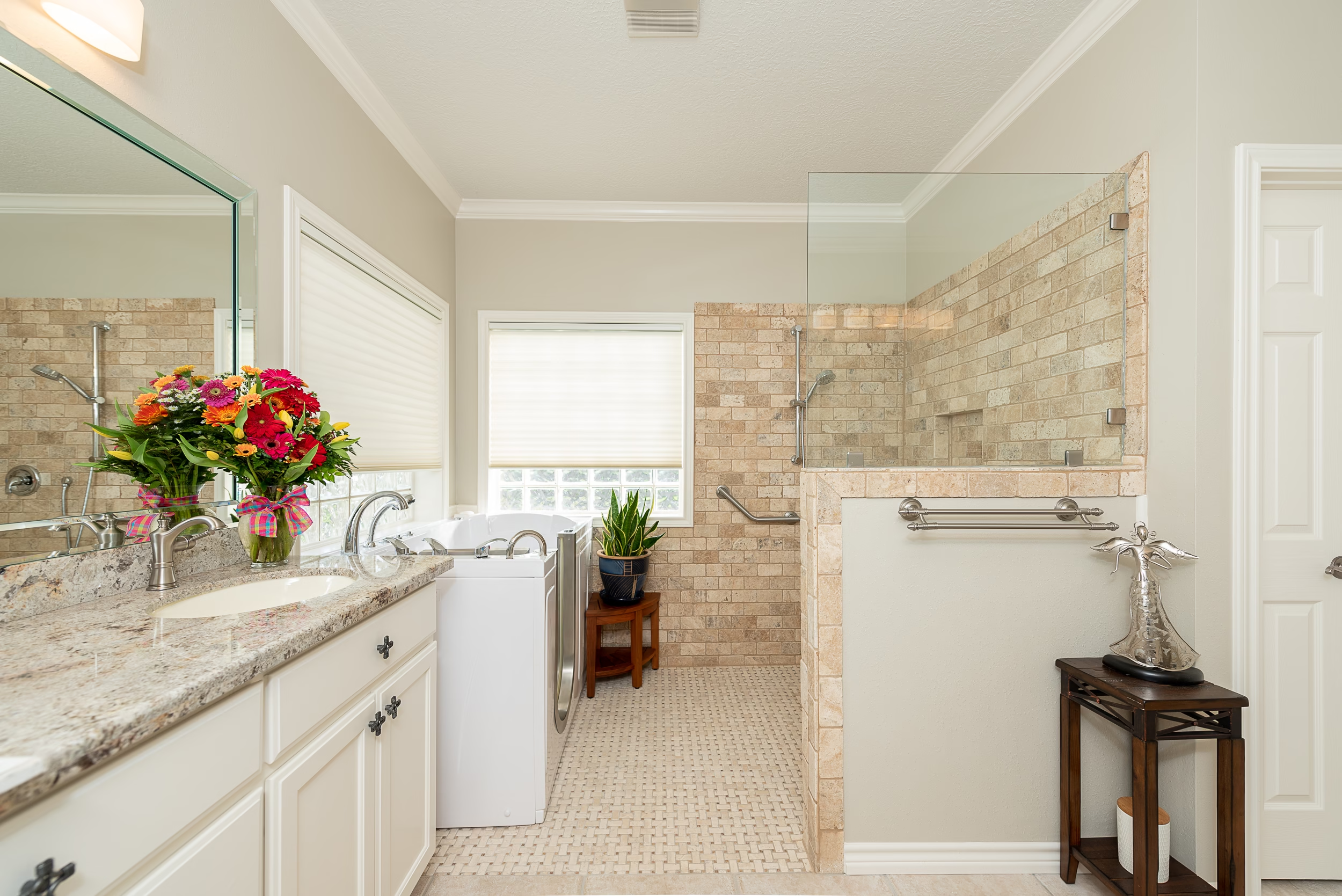
The completed bathroom provides a significantly safer and more comfortable environment for the homeowners.
Instead of navigating obstacles that created uncertainty, they now have a bathroom designed around ease of use. The combination of a roll-in shower, walk-in bathtub, slip-resistant flooring, and strategically placed support features creates a space that supports independence without compromising comfort.
Most importantly, the remodel allows the homeowners to continue enjoying their home with greater confidence.
That is often the true goal of aging in place remodeling. It is not simply about preparing for the future. It is about making everyday life easier and more enjoyable today.
Lessons for Homeowners Considering a Similar Project
Many homeowners wait until mobility challenges become urgent before exploring accessibility upgrades. In reality, the best time to plan an aging in place bathroom remodel is before those challenges arise.
Thoughtful improvements made during a remodel can help homeowners:
- Reduce fall risks
- Improve daily comfort
- Maintain independence longer
- Avoid costly future modifications
- Continue enjoying the home they love
An accessible bathroom remodel does not have to feel clinical or institutional. With careful planning, accessibility features can be integrated into a design that feels warm, welcoming, and personalized.
For additional guidance on home safety considerations as you age, the National Institute on Aging provides a helpful home safety checklist that highlights many of the risks homeowners can proactively address before they become problems.
Frequently Asked Questions
What is an aging in place bathroom remodel?
An aging in place bathroom remodel modifies the space to improve safety, accessibility, and long-term usability. Common features include walk-in tubs, roll-in showers, grab bars, improved lighting, and slip-resistant flooring.
When should homeowners consider aging in place remodeling?
The best time to consider aging in place remodeling is before mobility limitations become a daily challenge. Planning ahead often provides more design flexibility and allows homeowners to make thoughtful decisions rather than reactive ones.
Are walk-in tubs worth including in a bathroom remodel for seniors?
For many homeowners, a walk-in bathtub offers a safer and more comfortable bathing experience than a traditional tub. The right solution depends on individual mobility needs, preferences, and long-term goals.
Does an accessible bathroom remodel have to look institutional?
No. Modern accessible bathroom design can blend safety features into the overall aesthetic of the space. Many accessibility elements can be incorporated in ways that feel intentional and visually appealing.
What features are commonly included in an aging in place bathroom remodel?
Popular features include roll-in showers, walk-in tubs, grab bars, handheld showerheads, slip-resistant flooring, comfort-height fixtures, and improved lighting.