
A Whole Home Renovation Designed for Long-Term Living in Southwood Valley
This whole home renovation in Southwood Valley was designed around a simple but important goal: helping the homeowners remain comfortable in the home they already loved as they moved into retirement. Through thoughtful planning, improved storage, updated finishes, and aging-in-place considerations, the project transformed a dated 1990s home into a space that feels brighter, easier to use, and better aligned with everyday life.
The Homeowner’s Challenge
Like many homes built in the 1990s, this house still had its original layout, finishes, and fixtures. While the home had good bones, many of the spaces no longer supported the way the homeowners wanted to live.
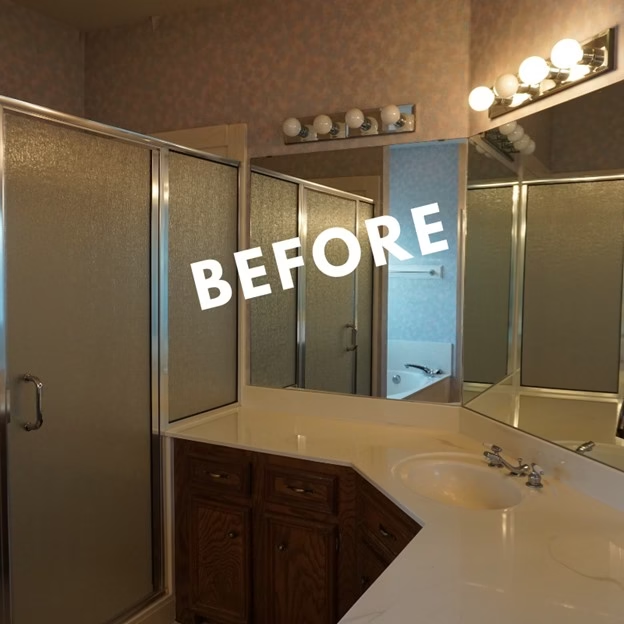
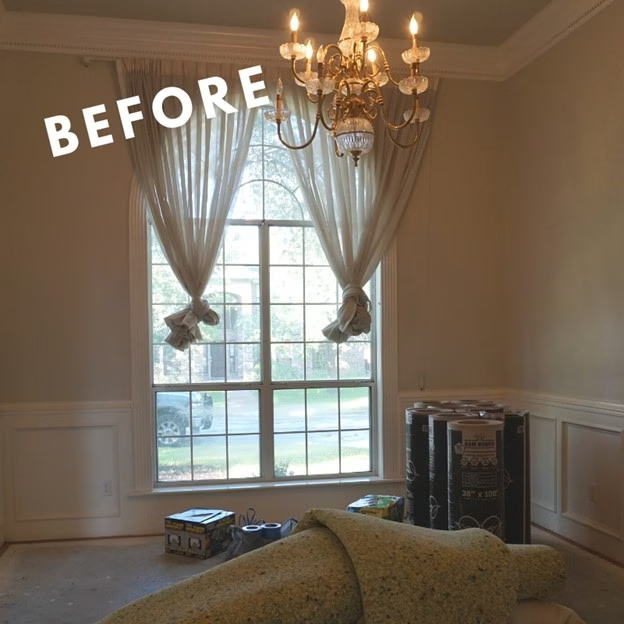
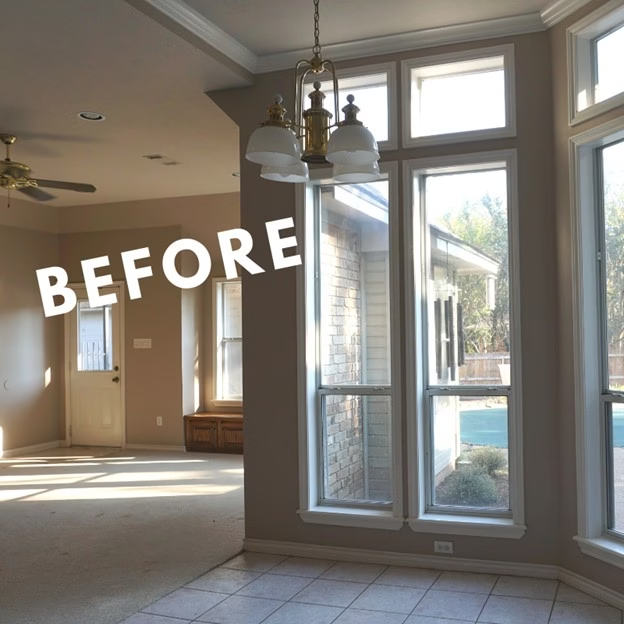
Several areas felt closed off and visually heavy. Storage was limited in places where it mattered most, especially in the kitchen and bathrooms. The finishes throughout the home leaned heavily into darker brown tones that made the interior feel dated and dimmer than the homeowners preferred.
Beyond appearance, functionality had also become a concern.
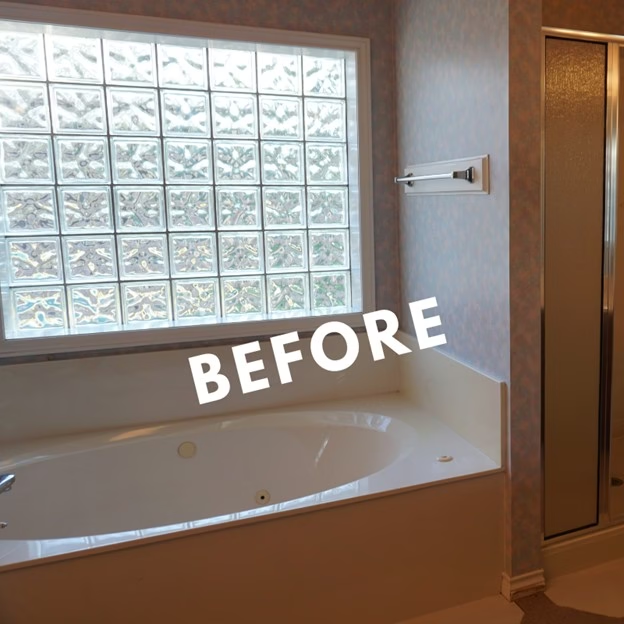
The homeowners wanted spaces that were easier to move through, easier to maintain, and more supportive of long-term living. Certain features, like the oversized garden tub in the primary bathroom, were rarely used and took up valuable square footage that could be serving a more practical purpose.
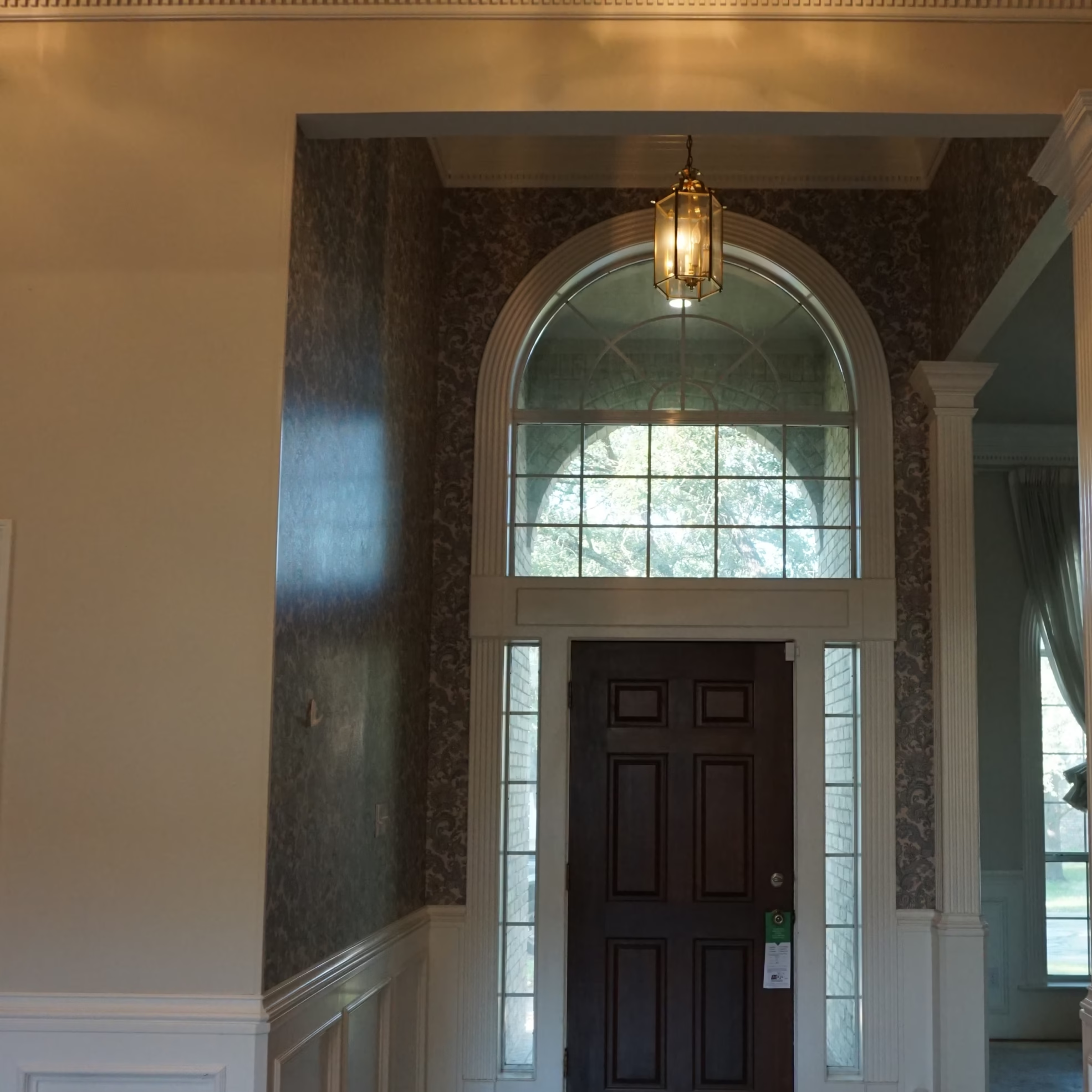
The project became less about chasing trends and more about creating a home that felt calm, usable, and sustainable for daily life over time.
Design Goals
The homeowners wanted the renovation to support both everyday comfort and long-term functionality.
Key project goals included:
- Create a brighter, more modern interior
- Improve flow between major living spaces
- Increase practical storage throughout the home
- Design spaces that better supported aging in place
- Reduce visual heaviness from dated finishes
- Improve accessibility and ease of use
- Maintain warmth and character while modernizing the home
Our Design & Build Approach
This whole home renovation required coordination across nearly every major living area of the house, including the kitchen, bathrooms, laundry room, living spaces, lighting, cabinetry, and finish updates throughout the home.
Rather than treating each room as a separate cosmetic project, the renovation was approached as a connected system. Decisions in one space influenced decisions elsewhere so the home would feel cohesive instead of fragmented.
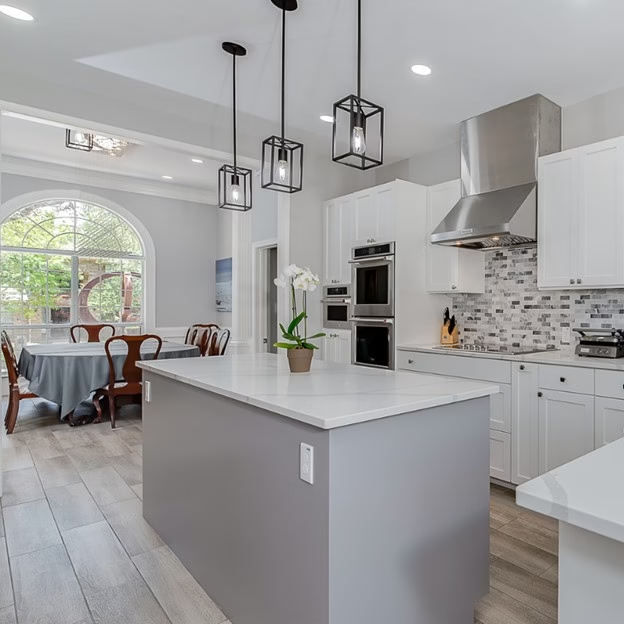
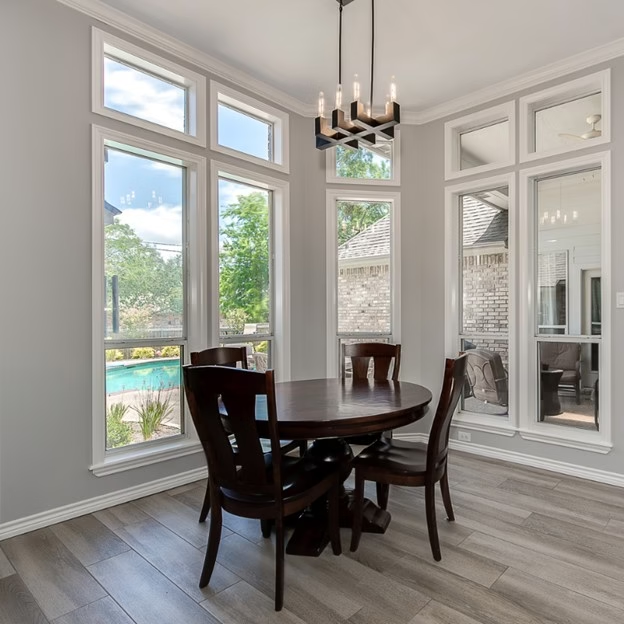
One example of this was the consistent use of materials and colors throughout the project. Quartz surfaces, white cabinetry, updated lighting, and carefully selected accent tones helped create continuity between rooms without making the home feel repetitive.
The renovation also focused heavily on improving usability. Many of the design decisions centered around reducing physical strain, improving organization, and simplifying day-to-day routines.
That meant prioritizing things like:
- accessible storage
- improved circulation
- easier-to-clean finishes
- better lighting
- practical cabinetry solutions
- thoughtful fixture placement
The goal was not simply to make the home look newer, but to make the home work better for the people living in it.
Key Decisions That Shaped the Outcome
Opening the Kitchen to Improve Flow
One of the most noticeable changes happened in the kitchen.
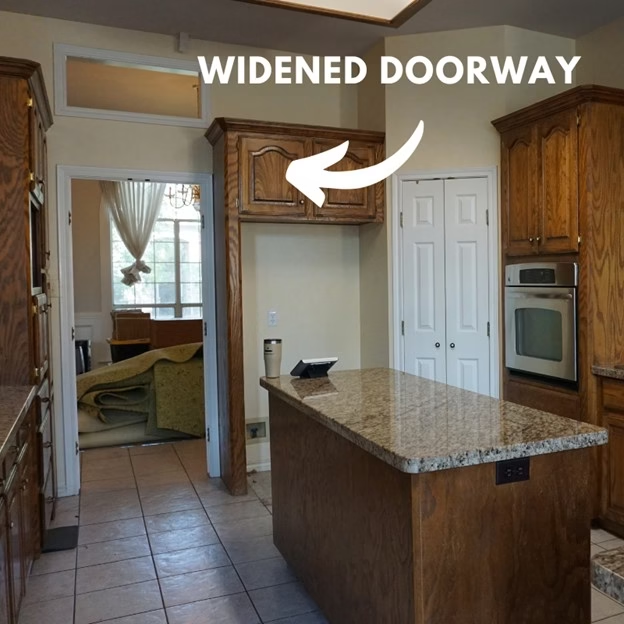
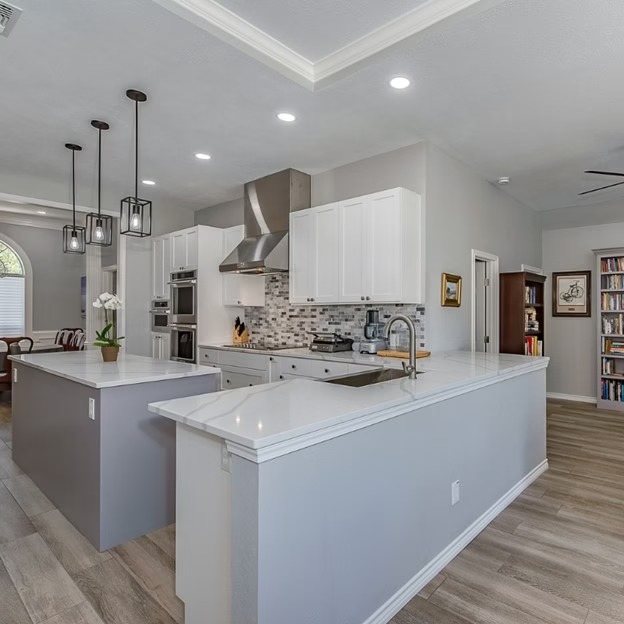
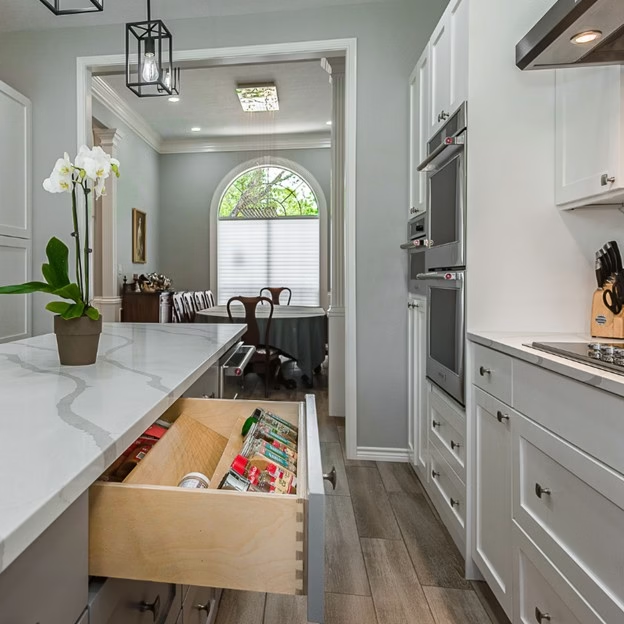
The original pantry created a narrow transition between the kitchen and dining room that interrupted movement and limited layout flexibility. By removing the pantry and widening the opening between the two spaces, the kitchen immediately felt larger and more connected to the rest of the home.
That change also made it possible to build a larger island with additional prep space and seating.
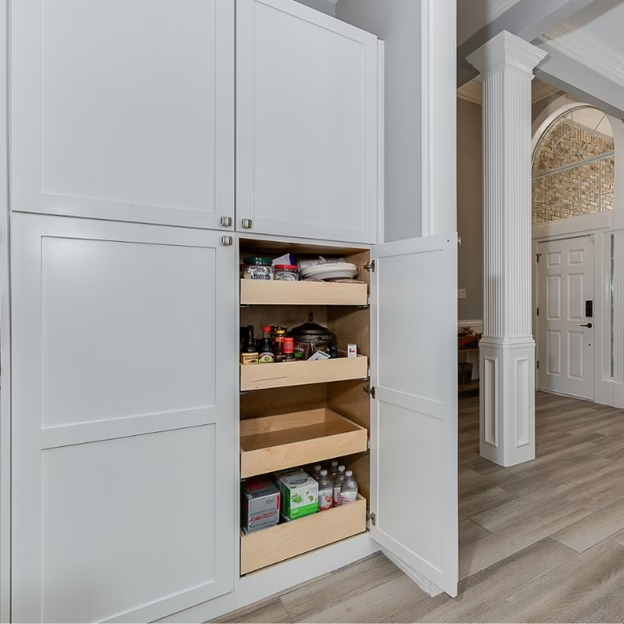
Instead of relying on a separate pantry room, storage was redistributed into custom cabinetry solutions integrated directly into the kitchen itself.
Designing Custom Storage Around Daily Use
Storage became one of the defining themes of the project.
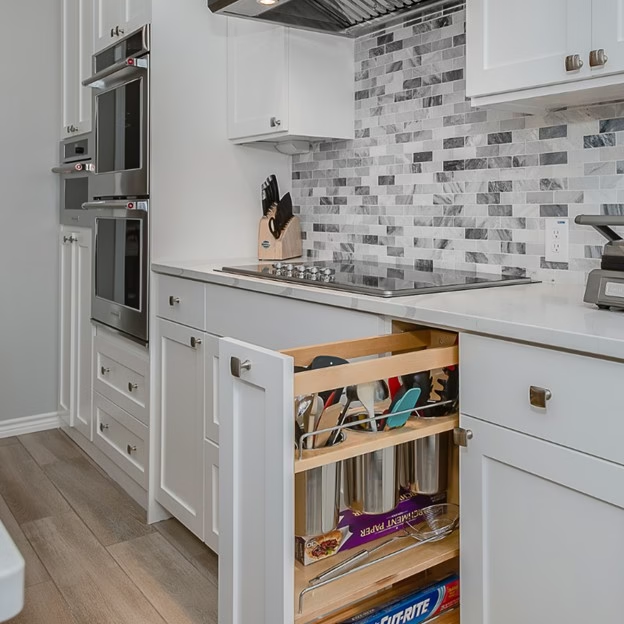
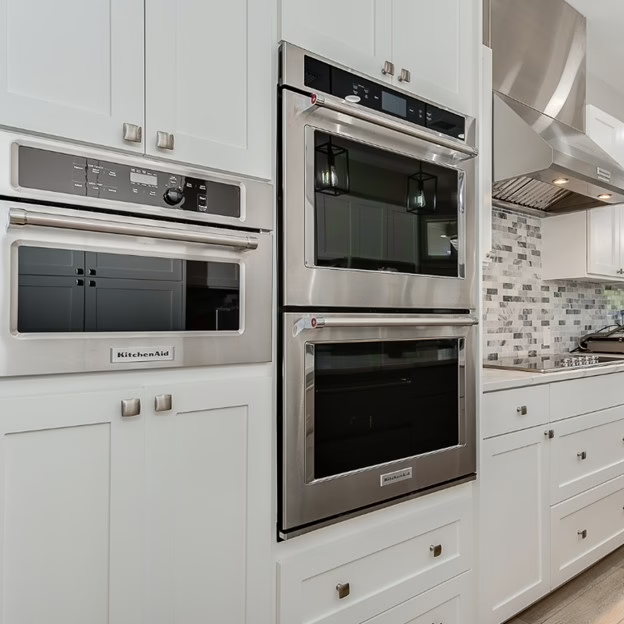
The custom kitchen cabinetry included several built-ins designed specifically around how the homeowners used the space day to day, including:
- pull-out trash storage
- spice storage
- double-level utensil drawers
- floor-to-ceiling pull-outs
- specialized appliance storage
These types of decisions often make a bigger long-term impact than purely visual upgrades because they reduce friction in everyday routines.
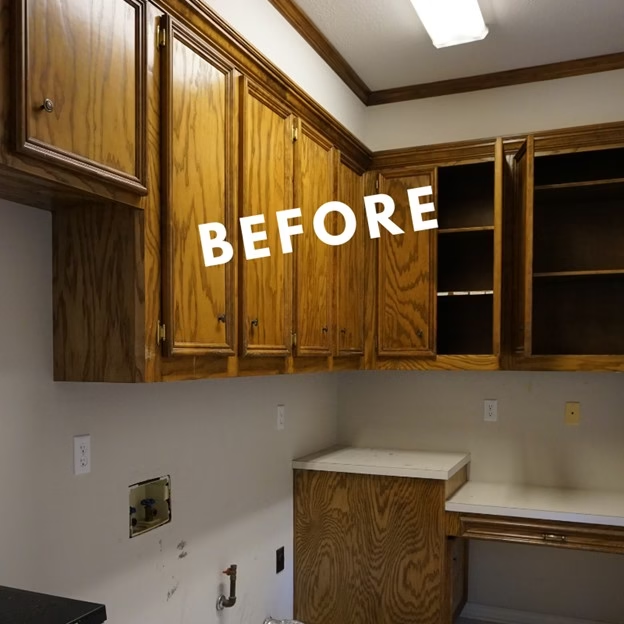
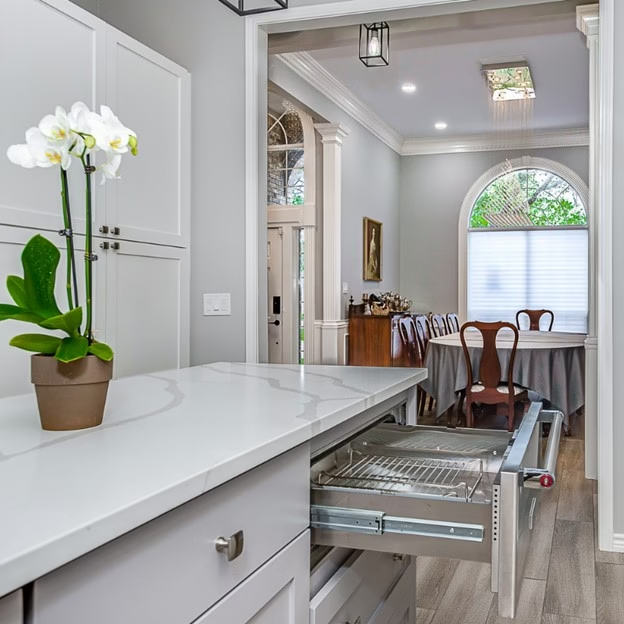
The laundry room followed a similar philosophy. Cabinetry was redesigned to improve organization, and the washer and dryer were elevated with drawer storage underneath to make access easier and reduce strain during use.
Modernizing the Living Room Without Losing Warmth
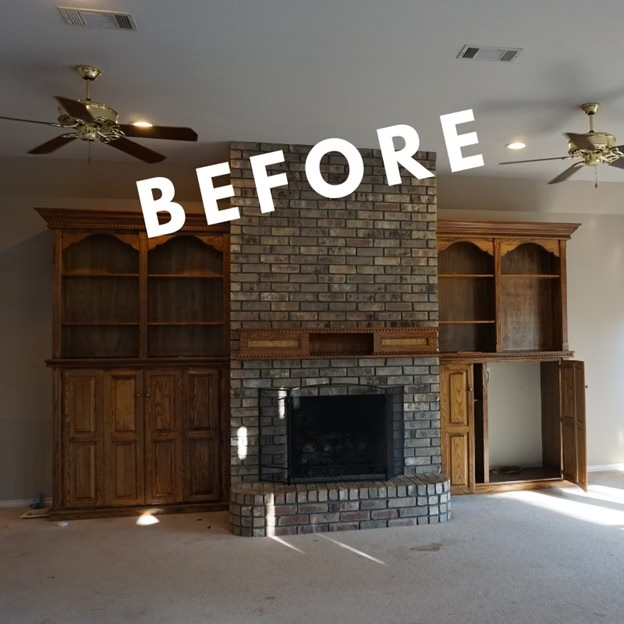
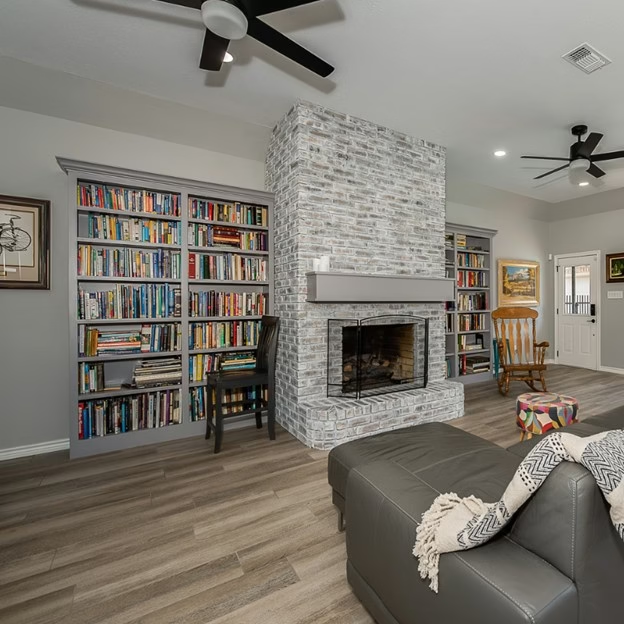
The living room originally featured large built-in cabinets flanking the fireplace that visually overwhelmed the space.
Replacing those cabinets with open bookshelves made the room feel lighter and more open while also making the homeowners’ book collection easier to access and enjoy.
The fireplace itself was updated through a whitewashing process rather than fully painting the brick. This allowed some of the original warmth and texture to remain visible while still brightening the room significantly.
A new simplified mantel brought a cleaner profile to the fireplace while discreetly incorporating hidden stocking hooks underneath for seasonal use.
The dark gray finish used on the mantel and bookshelves also created continuity with the kitchen island, helping the home feel intentionally connected from room to room.
Reworking the Primary Bathroom for Long-Term Function
The primary bathroom underwent one of the most dramatic transformations in the home.
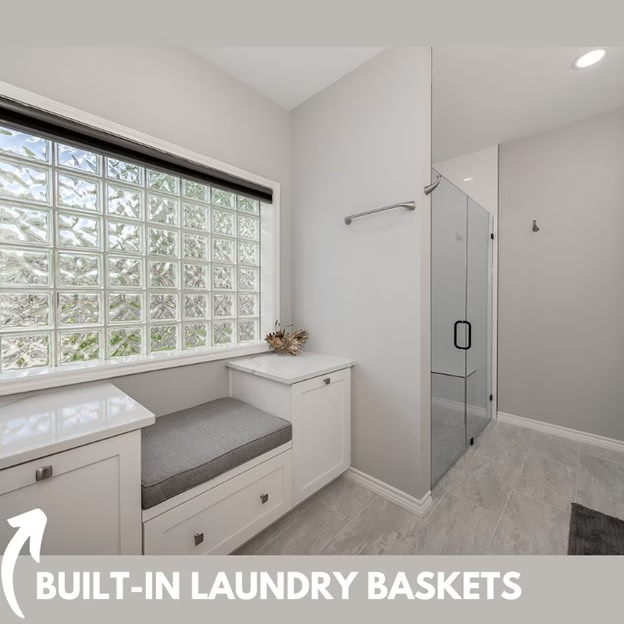
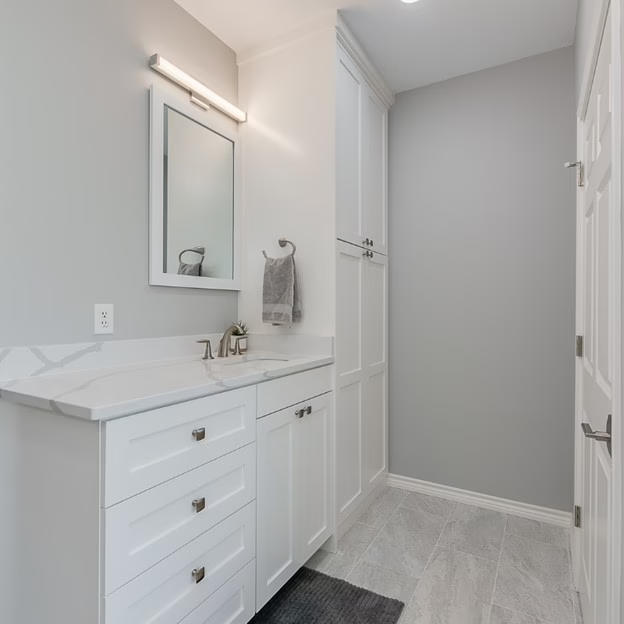
The large garden tub occupied a substantial amount of square footage but was rarely used. Removing it opened the opportunity to reallocate space toward storage, accessibility, and functionality.
In its place, the renovation added:
- additional cabinetry
- built-in laundry storage
- expanded countertop space
- a small dressing bench
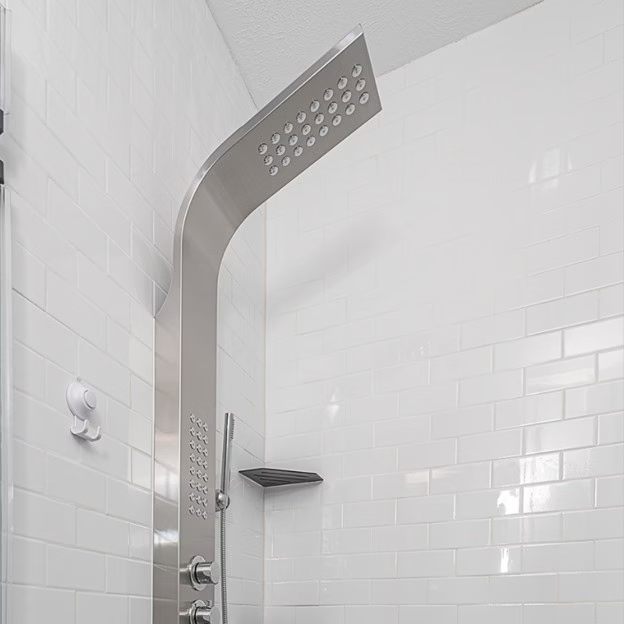
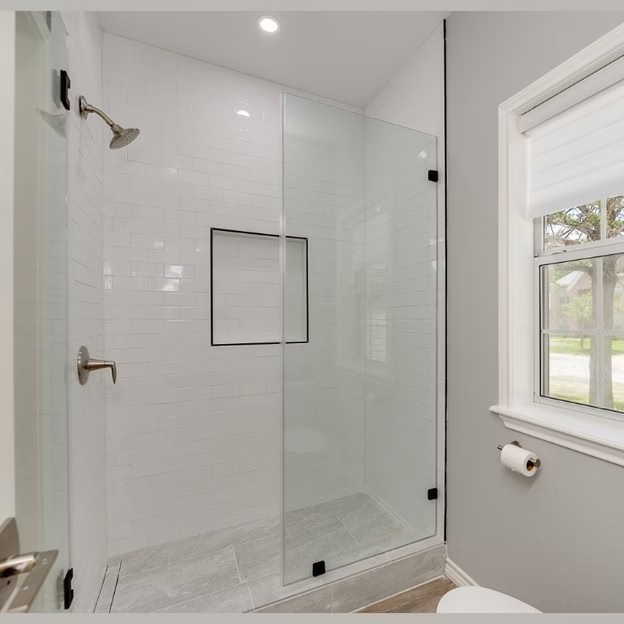
The shower footprint remained the same, but the interior was completely rebuilt with updated tile, a new bench, and an upgraded shower system with integrated body sprays.
White subway tile paired with white grout created a clean, timeless appearance that felt brighter and easier to maintain over time.
Creating Consistency Throughout the Entire Home
While the kitchen and bathrooms were major focal points, much of the success of this whole home renovation came from the smaller decisions repeated consistently throughout the house.
The renovation included:
- repainting walls, trim, doors, and cabinetry
- replacing outdated light fixtures
- updating ceiling fans
- modernizing hardware and finishes
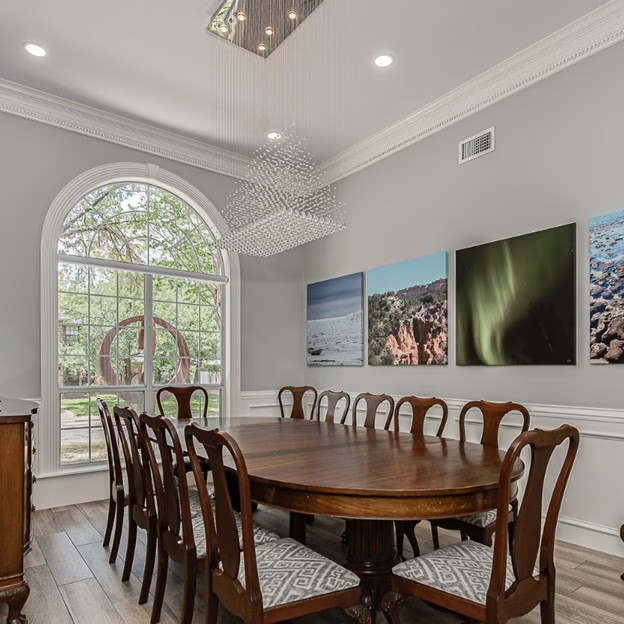
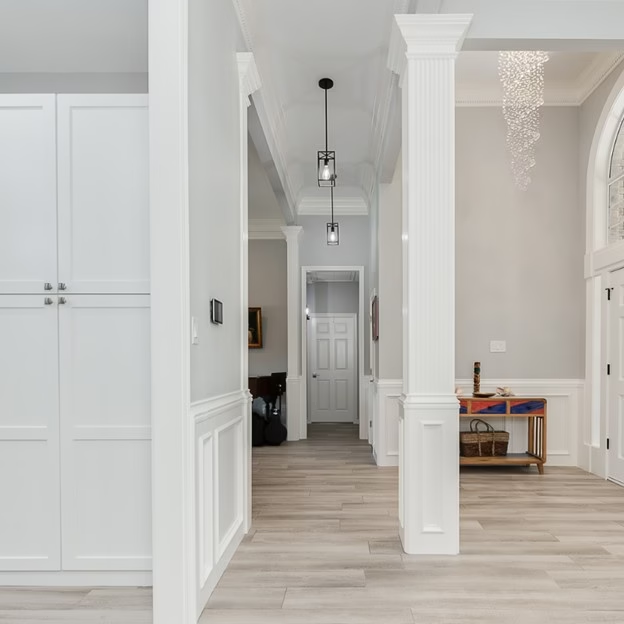
- installing decorative gallery molding
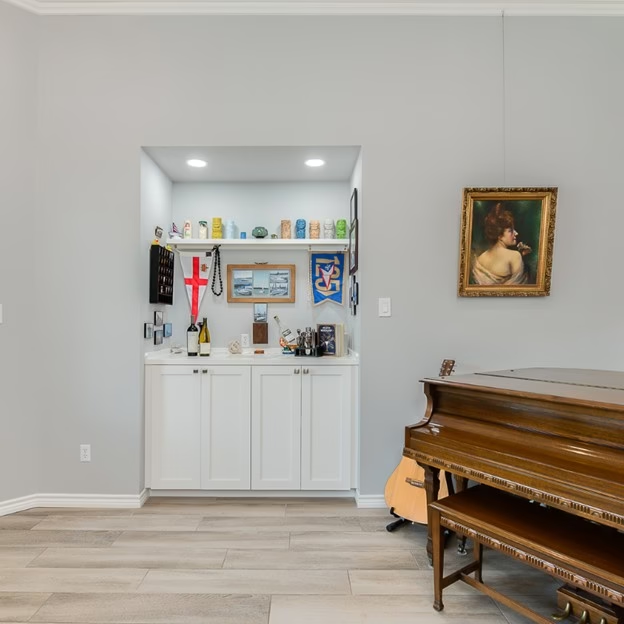
- adding new dry bar storage
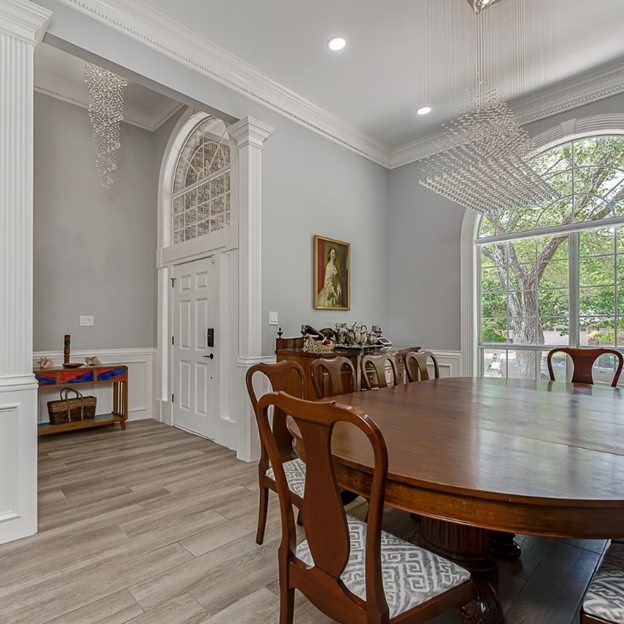
- incorporating statement chandeliers in the dining and entry spaces
Taken individually, many of these changes might seem modest. Together, they helped reshape how the home felt as a complete environment.
The Result
The finished renovation created a home that feels substantially different from the original 1990s interior while still remaining warm and comfortable.
The updated layout improved movement between spaces. Storage became more intentional and easier to access. Finishes feel brighter and cleaner without becoming sterile or overly trendy.
Most importantly, the home now better supports the homeowners’ long-term needs.
The renovation was not centered around creating dramatic visual statements for the sake of appearance. It was about creating a home that feels easier to live in every day and more supportive for the years ahead.
Lessons for Homeowners Considering a Similar Project
Many whole home renovations begin with cosmetic frustrations, but the deeper value usually comes from improving how the home supports daily life.
For homeowners considering a similar renovation, it can be helpful to think beyond finishes alone and ask questions like:
- What parts of the home feel difficult to use?
- Where does storage consistently fall short?
- Which spaces feel disconnected from daily routines?
- What would make the home easier to live in ten years from now?
The answers to those questions often shape the most meaningful renovation decisions.
Projects like this also show the importance of viewing the home as a connected system rather than a collection of isolated rooms. Consistency in materials, lighting, storage planning, and circulation can dramatically affect how cohesive the final result feels.
Frequently Asked Questions
How long does a whole home renovation usually take?
The timeline depends on the size and complexity of the renovation. Projects involving kitchens, bathrooms, cabinetry, flooring, lighting, and layout changes often take several months because multiple trades and planning phases must be coordinated carefully.
Is it better to renovate the whole house at once?
In many cases, yes. Renovating the home as a complete project allows design decisions, materials, and construction sequencing to work together more cohesively. It can also reduce the disruption that comes from completing multiple separate remodels over several years.
What does aging in place mean in a renovation?
An aging in place remodel focuses on making the home easier and safer to use long term. That can include accessibility improvements, better storage access, reduced physical strain, improved lighting, wider pathways, and layouts that support changing mobility needs over time. The National Association of Home Builders Aging-in-Place Remodeling Checklist
is also a helpful resource for homeowners beginning to think about how long-term usability can influence remodeling decisions.
What adds the most functionality during a whole home renovation?
Storage planning is often one of the most impactful improvements. Thoughtfully designed cabinetry, better organization systems, and improved layouts can significantly change how efficiently a home functions on a daily basis.
Can a whole home renovation modernize a house without losing character?
Yes. Many successful renovations focus on balancing modernization with warmth and familiarity. In this project, elements like whitewashed brick, layered textures, and restrained finish selections helped modernize the home while still preserving comfort and character.