
Bathroom Remodel Considerations: What Actually Impacts Function, Storage, and Daily Use
Bathroom remodel considerations shape how a space functions long after the project is complete. A well-planned bathroom balances storage, layout, materials, and fixtures in a way that supports daily routines. When these decisions are made intentionally, the result is a space that feels easy to use, stays organized, and performs well over time.
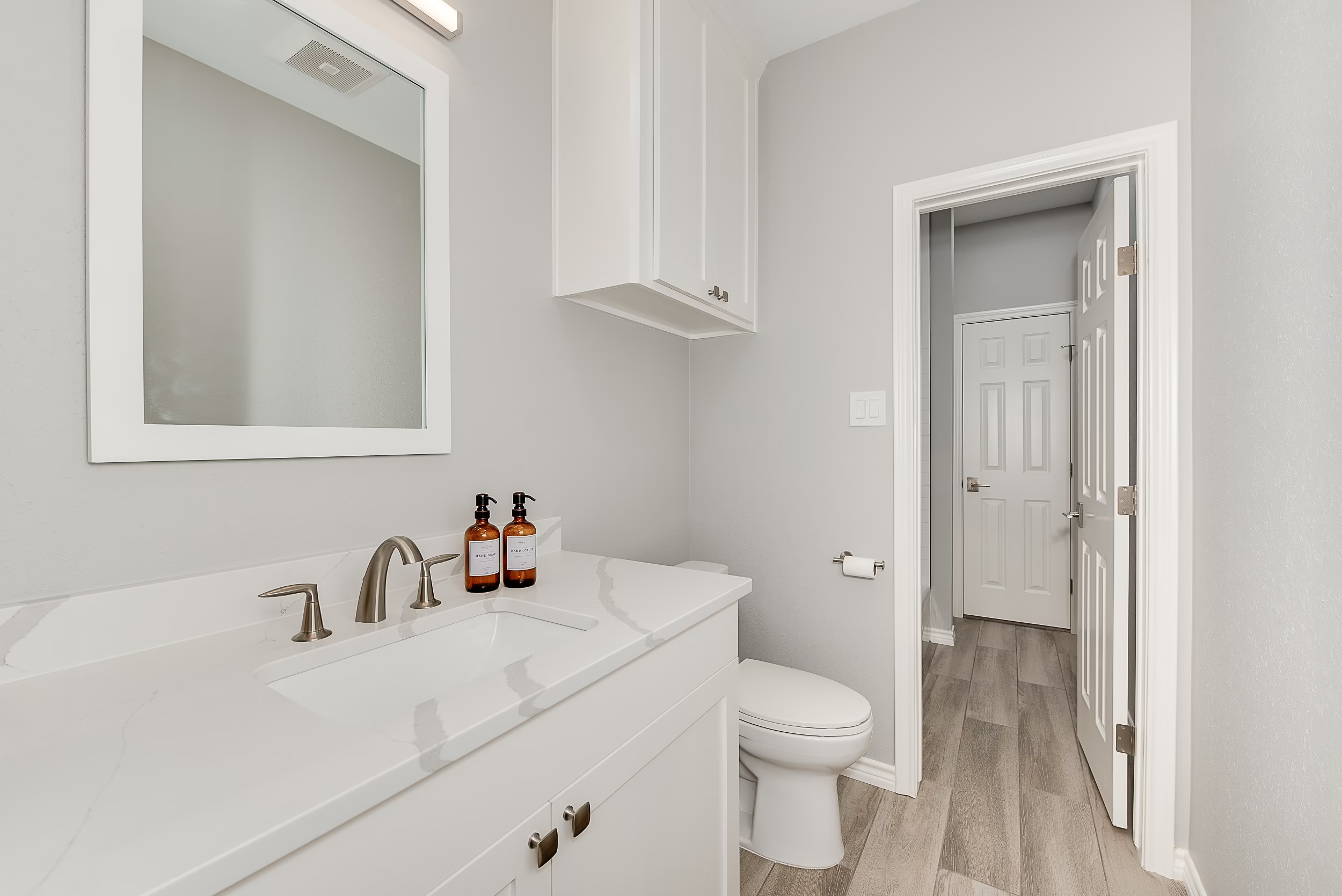
Why Bathroom Remodel Considerations Matter
A bathroom is one of the most frequently used spaces in a home, but it is often designed around appearance rather than use.
The decisions made during a remodel determine:
- how easily the space stays organized
- how comfortable it is to use every day
- how well it handles moisture, cleaning, and wear over time
When these considerations are addressed early, the bathroom tends to feel steady and low-maintenance. When they are overlooked, issues like cluttered counters, awkward layouts, or high upkeep show up quickly. Broader home design principles, like those outlined by the U.S. Department of Energy, emphasize how layout, materials, and ventilation all contribute to comfort and long-term efficiency. When these factors are considered early, the space tends to function more consistently over time.
Common Bathroom Design Mistakes That Affect Daily Use
Most bathroom issues are not caused by one major decision. They come from small oversights that compound over time.
Some of the most common include:
- Not planning storage in detail
Without a clear inventory of what needs to be stored, cabinetry ends up either insufficient or poorly organized. - Choosing materials based on appearance alone
Smooth tile in wet areas or high-maintenance finishes can create safety and upkeep challenges. - Ignoring how the space is actually used
Designing for resale assumptions instead of daily routines often leads to underused features or missing functionality. - Overlooking climate and ventilation factors
Features like skylights may seem appealing but can introduce unwanted heat gain in hot, humid climates.
These are not dramatic mistakes, but they are the ones homeowners feel every day.
Key Bathroom Remodel Considerations
Vanity and Storage Planning
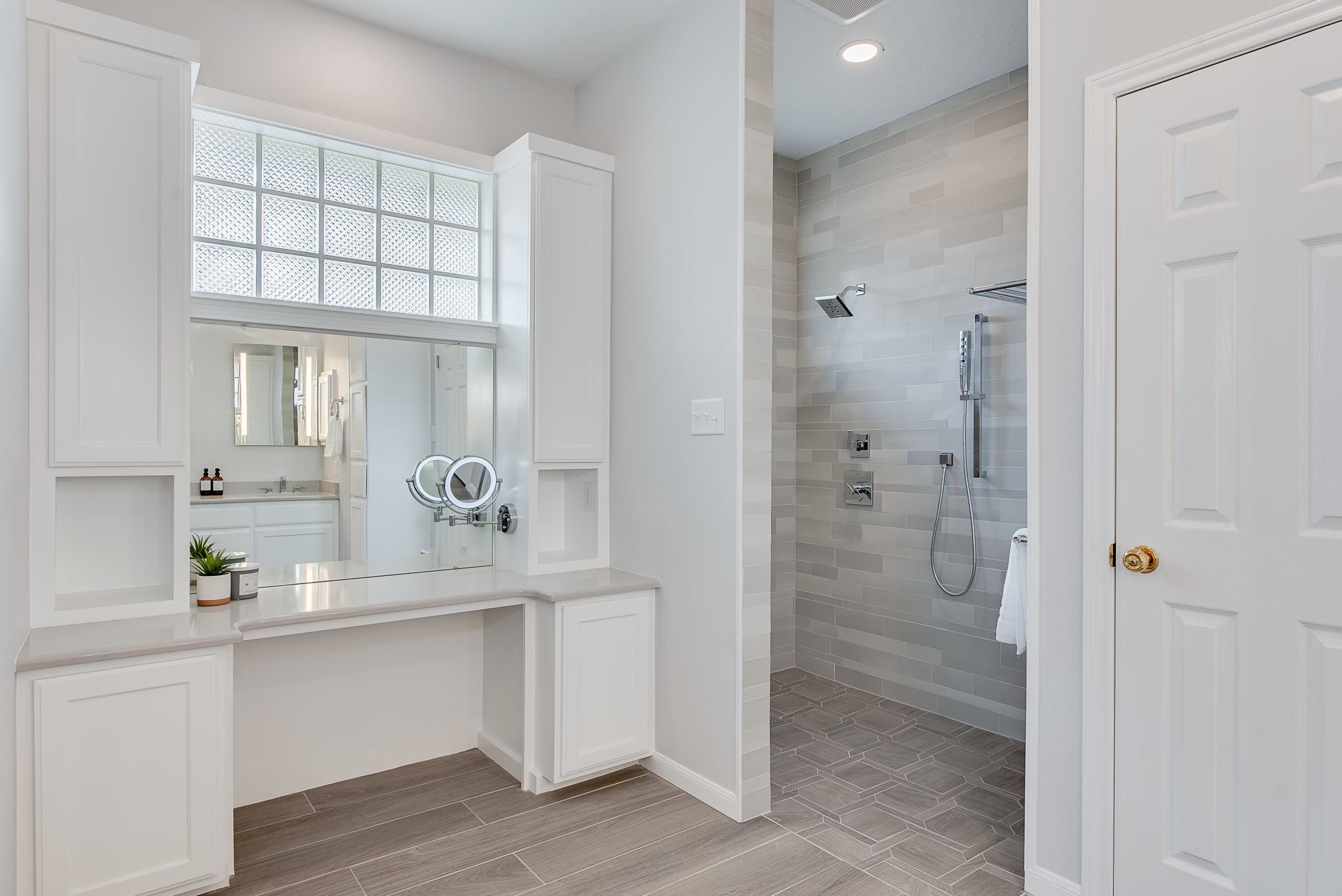
The vanity is one of the most functional elements in a bathroom. It supports the sink, conceals plumbing, and provides the majority of storage.
Vanities can be free-standing or built-in:
- Free-standing vanities are often better suited for smaller spaces and offer flexibility in style.
- Built-in vanities typically provide more countertop space and integrated storage, making them more effective in larger bathrooms.
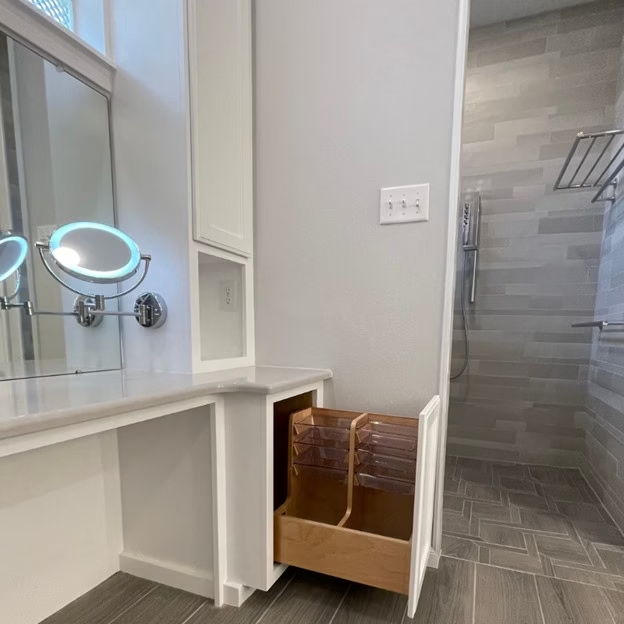
Storage should be planned intentionally, not assumed. A useful approach is to create an inventory of everything that will be stored in the bathroom and assign each item a location, down to the drawer level.
This level of planning reduces countertop clutter and ensures the space functions as intended.
Sink Types and Practical Use
Common sink options include:
- under-mount
- drop-in (top-mount)
- vessel
- pedestal
- floating
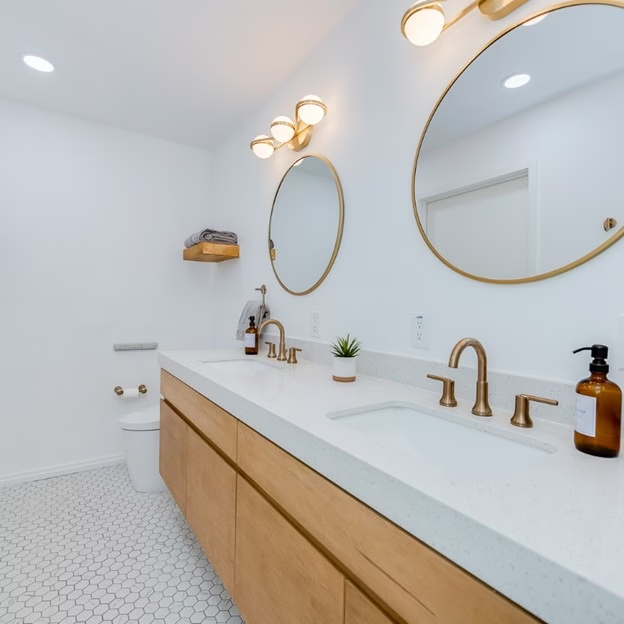
Under-mount sinks are often preferred because they are easier to clean and create a more continuous countertop surface.
Other styles can work well depending on the design, but the key consideration is how the sink affects:
- cleaning
- usable counter space
- integration with the vanity
Windows, Natural Light, and Privacy
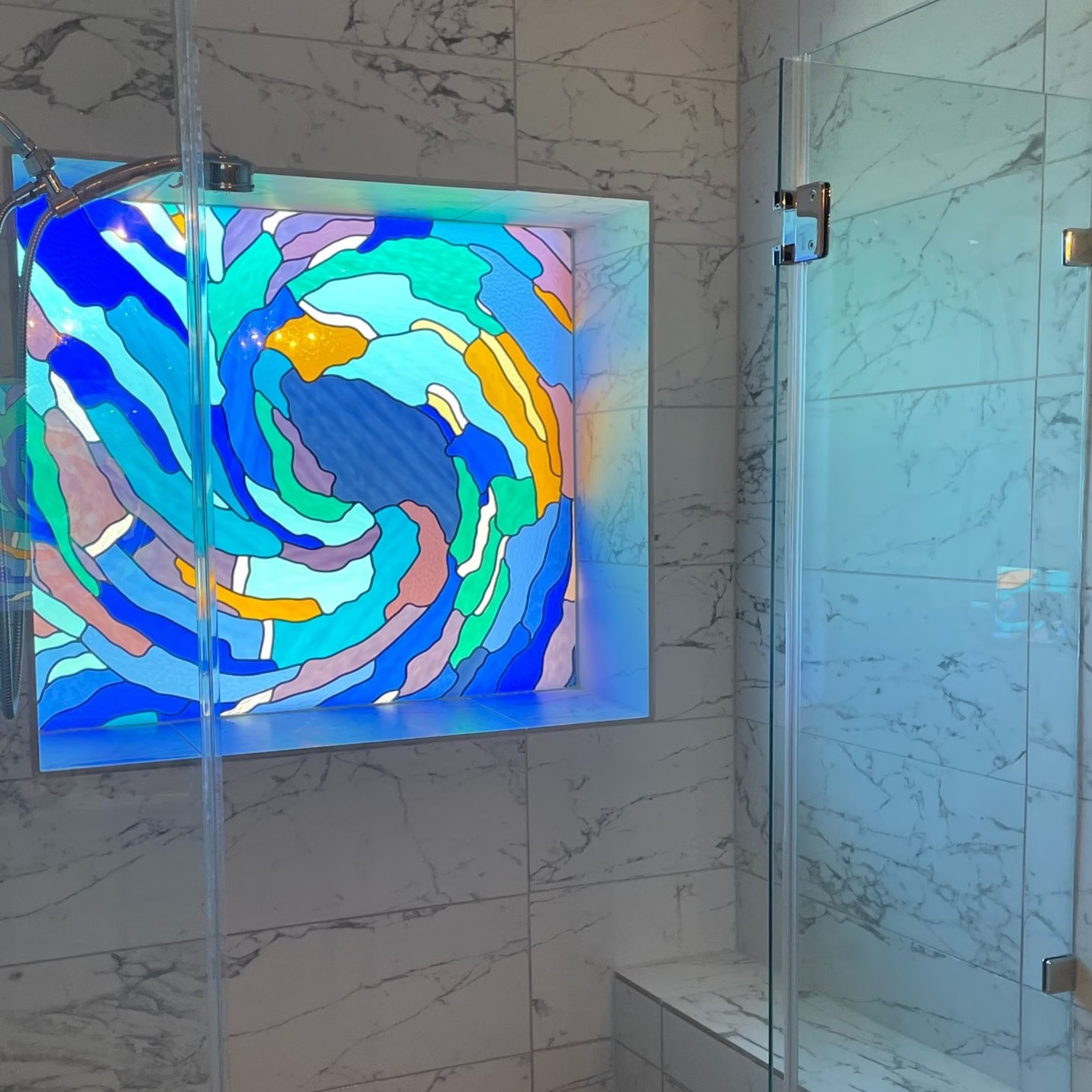
Windows bring natural light, ventilation, and a visual connection to the outdoors. These benefits can significantly improve how a bathroom feels.
Privacy is the main challenge. Solutions include:
- obscure or frosted glass
- shutters
- glass block
- strategically placed windows or private outdoor spaces
One consideration in hot, humid climates is skylights. While they introduce natural light, they can also contribute to heat gain. Since a large portion of heat transfer occurs through the roof, skylights can increase the load on the home’s cooling system.
Balancing light, privacy, and climate impact is key.
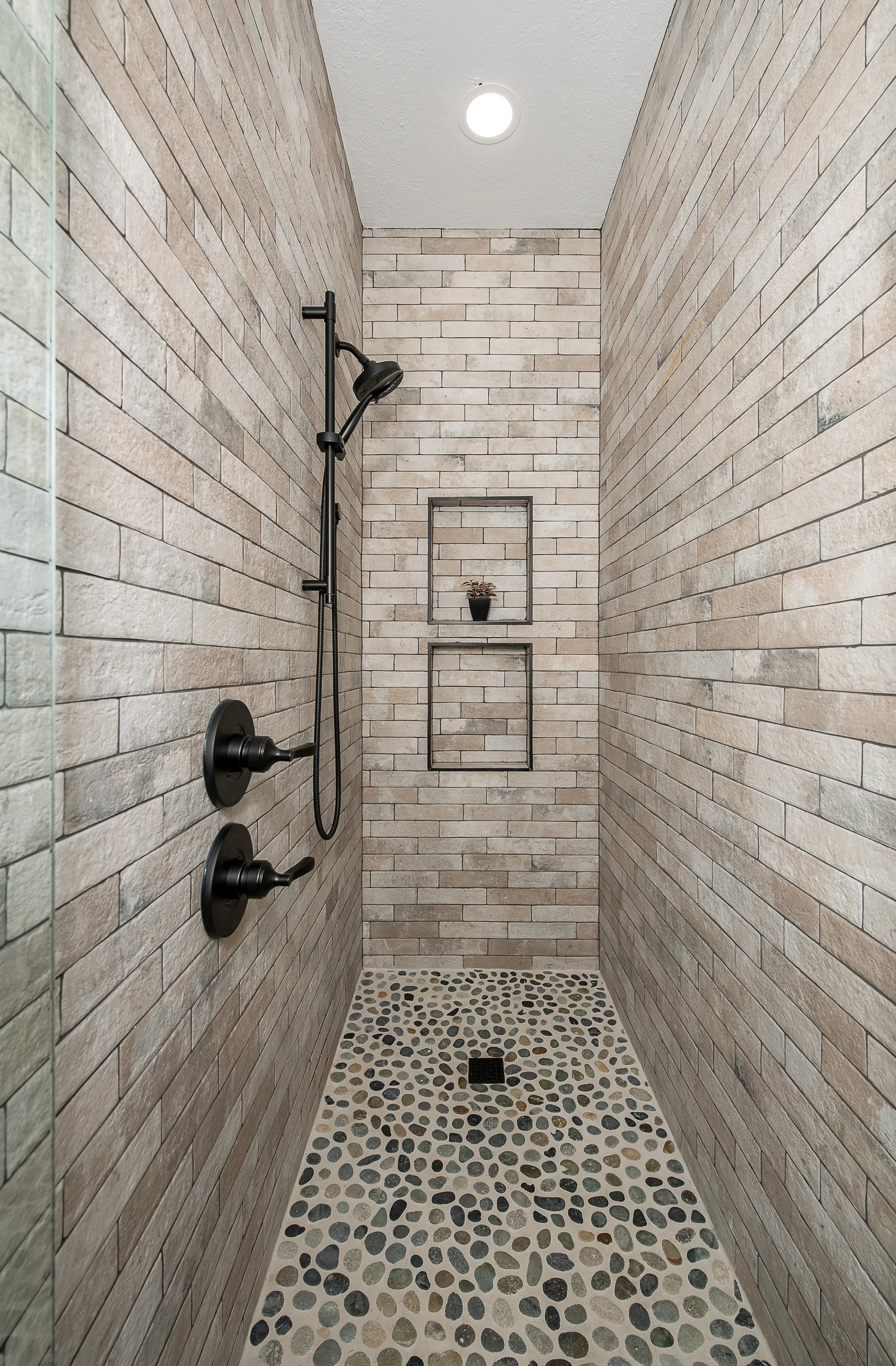
Tile Selection and Slip Resistance
Tile is commonly used for floors, showers, tub surrounds, and backsplashes because it offers flexibility in color, texture, and size.
For flooring, function should guide selection:
- smaller tiles or
- textured surfaces
These improve traction, especially in wet areas like showers.
Smooth, highly polished surfaces may look appealing but can create slip risks and require more maintenance.
Color and Visual Simplicity
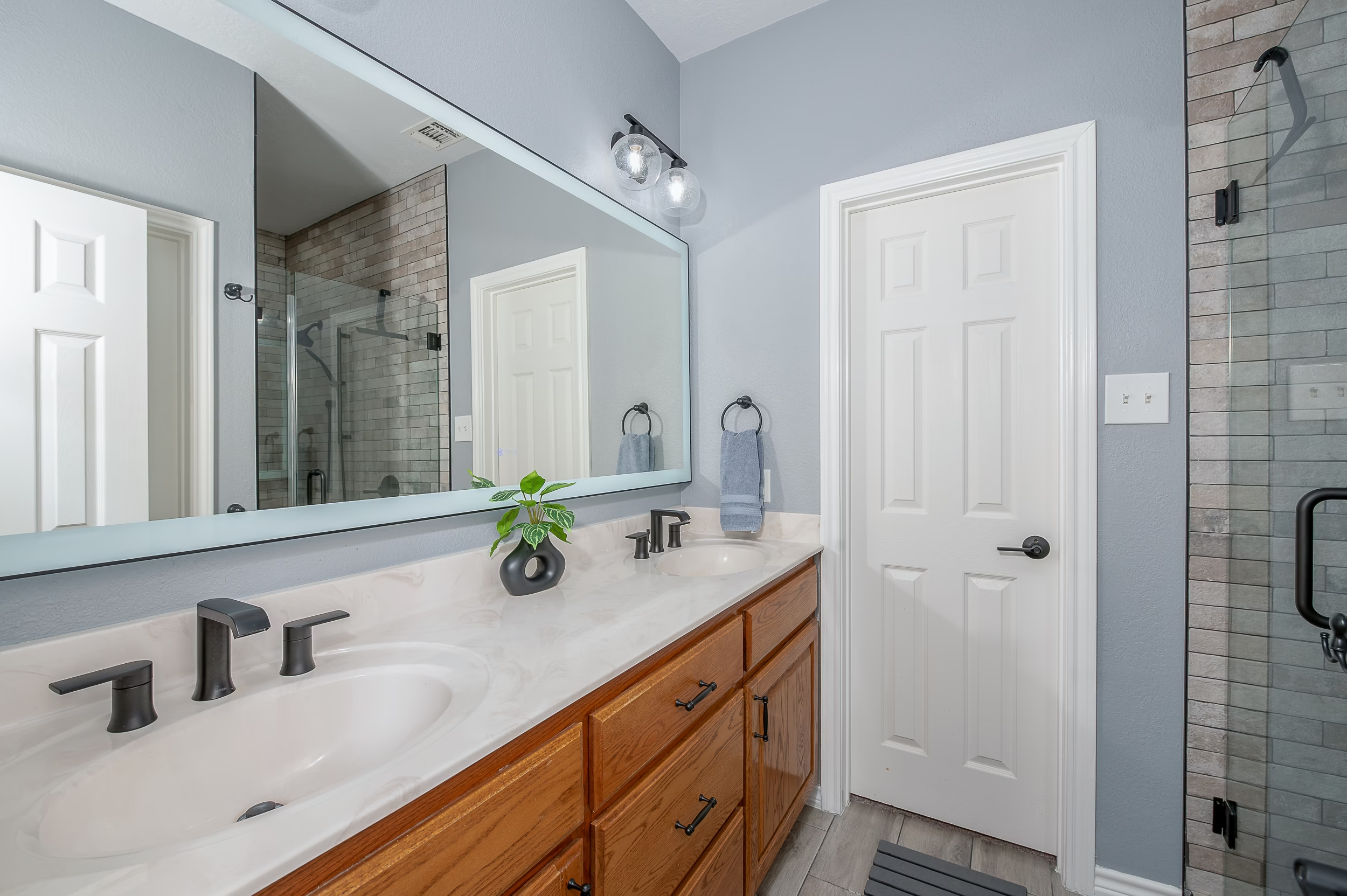
Color choices influence how a bathroom feels and how easy it is to maintain visually.
Lighter colors:
- reflect more light
- create a cleaner appearance
- work well with natural materials and polished finishes
Neutral tones:
- help smaller spaces feel more open
- allow flexibility with accessories like towels and decor
The goal is not to follow trends, but to create a space that remains visually comfortable over time.
Shower and Tub Decisions
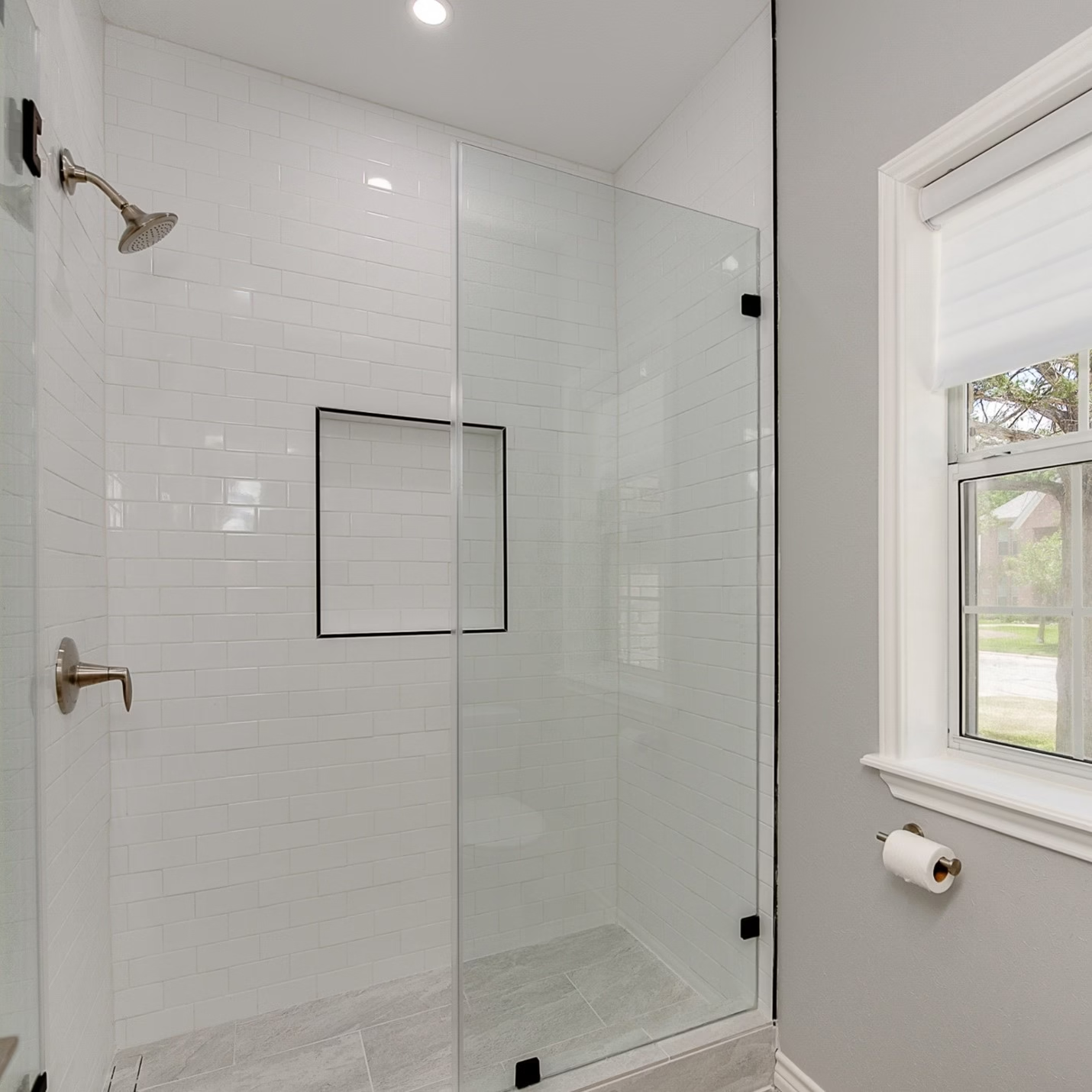
One of the most common changes in bathroom remodels is replacing a tub with a larger or more functional shower.
Over time, priorities have shifted toward:
- ease of use
- accessibility
- daily practicality
Some homeowners choose to keep at least one tub for specific uses, such as bathing children. Others find that a well-designed shower better supports how they use the space.
The right decision depends on how the bathroom is actually used, not on outdated resale assumptions.
Toilet Features and Water Efficiency
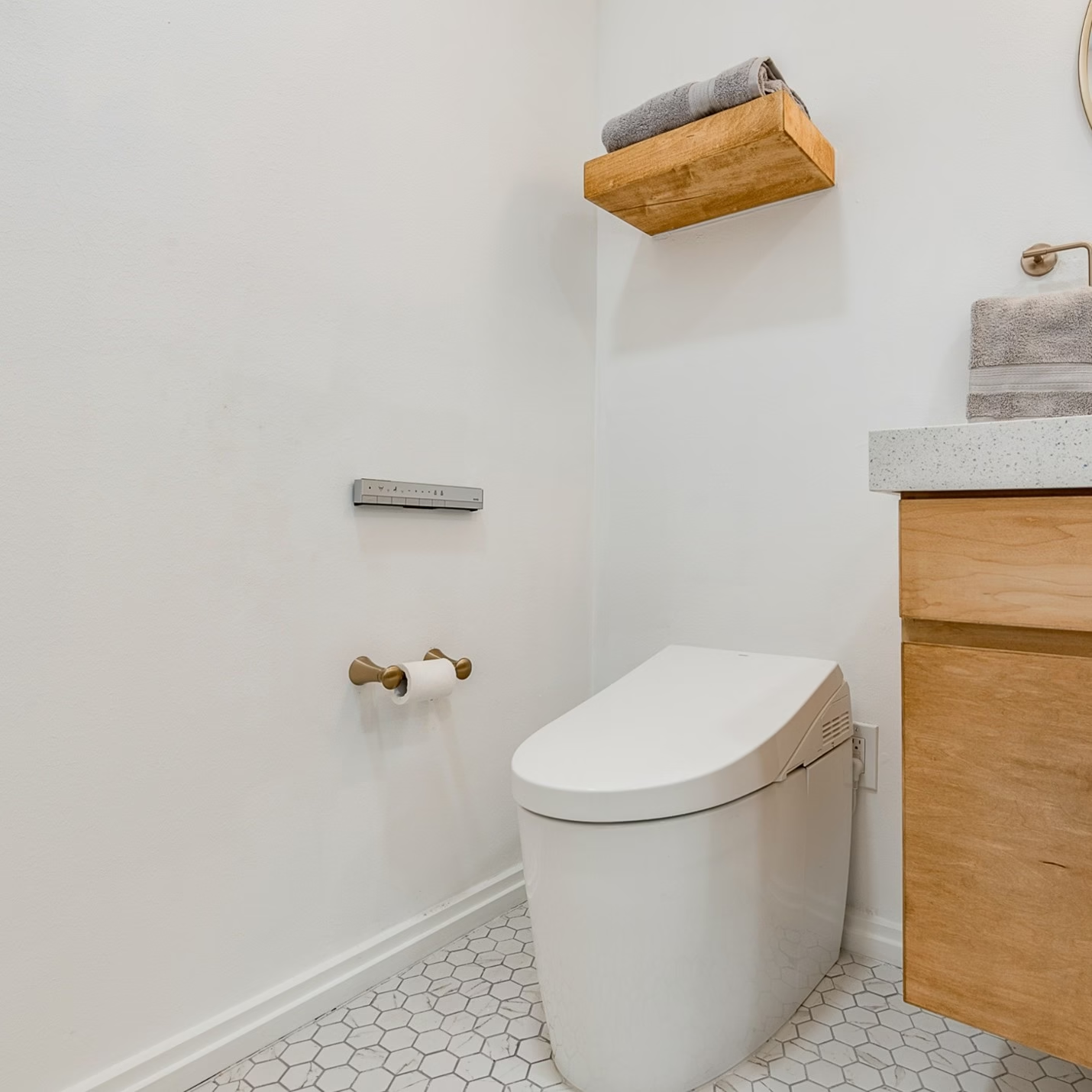
Toilets have evolved significantly, largely driven by water conservation and comfort.
Modern options include:
- high-efficiency flush systems
- integrated bidets
- heated seats and advanced controls
These features can improve both performance and daily experience, while also reducing water usage.
How These Decisions Affect Long-Term Performance
Each of these considerations contributes to how the bathroom performs over time.
When aligned properly, they result in:
- easier cleaning and maintenance
- better moisture management
- reduced clutter
- improved comfort and usability
When misaligned, the space may still look complete, but it often requires more effort to maintain and does not function as smoothly.
The difference is not always visible at first, but it becomes clear through daily use.
How Stearns Design Build Guides These Decisions
Bathroom remodel considerations are not always obvious at the start of a project. Many of the most important decisions happen before construction begins.
This is where structured planning becomes valuable.
For example:
- creating a detailed storage inventory helps prevent clutter later
- walking through layout and fixture decisions early reduces mid-project changes
- evaluating materials and features in context helps avoid performance issues
These steps are not about adding complexity. They exist to reduce uncertainty and help homeowners make decisions in the right order.
The goal is a finished space that feels intentional, functions consistently, and supports how the homeowner lives day to day.
Frequently Asked Questions
What are the most important bathroom remodel considerations?
The most important considerations are layout, storage planning, material selection, and how the space will be used daily. These factors have the greatest impact on long-term function and comfort.
Is it better to remove a tub and install a shower?
It depends on how the bathroom is used. Many homeowners prioritize showers for daily convenience, while others keep at least one tub for specific needs like bathing children.
How much storage should a bathroom have?
Storage should be based on a detailed inventory of what needs to be kept in the space. Planning storage down to specific drawers and cabinets helps prevent clutter and improves usability.
What type of tile is best for bathroom floors?
Tiles that provide traction, such as smaller tiles or textured surfaces, are typically better for bathroom floors. These reduce slip risk and perform better in wet conditions.