
Siding for Texas Homes: What Actually Works in a Hot, Humid Climate
Siding for Texas homes is not just about appearance. It is part of a larger exterior wall system that protects against heat, humidity, and moisture intrusion. A complete system includes structural sheathing, air and water barriers, and properly installed siding. When done correctly, it improves durability, comfort, and long-term performance.
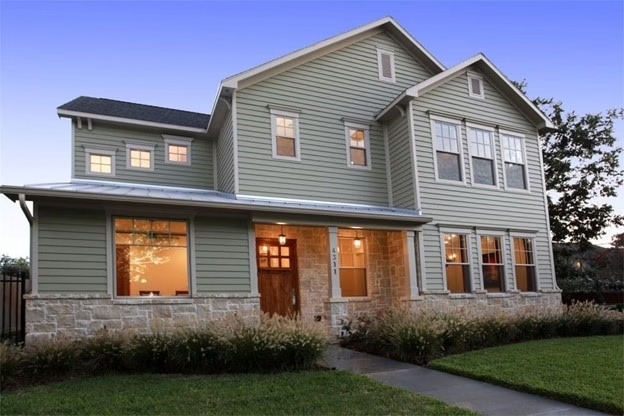
Why Siding Systems Matter in Texas Homes
In the Brazos Valley, your home is constantly exposed to heat, humidity, and long cooling seasons. The exterior of your home is not just a finish layer. It is part of the system that controls how air, moisture, and heat move in and out.
When siding and trim begin to fail, the problems are rarely isolated to the surface. Moisture can enter the wall assembly, insulation can lose effectiveness, and small issues can grow into structural damage over time.
Most homes today are built with materials that will not last indefinitely without maintenance. With proper care and correct installation, they can last for generations. When details are skipped or materials are mismatched to the climate, failure accelerates quickly.
Common Siding Problems and Replacement Warning Signs
There are several signs that siding or exterior trim may no longer be performing as it should.
Rot
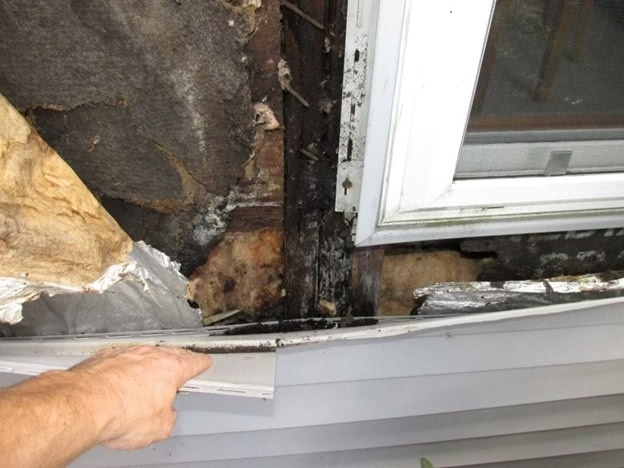
In a hot, humid climate, paint failure often leads to exposed wood. Once moisture reaches the wood, it begins to soften and absorb even more water, accelerating deterioration. Rot often develops in hidden areas such as behind gutters, near roof intersections, or under trim.
Frequent repainting
If paint does not last as long as expected, it may indicate that moisture is trapped within the material. As heat builds, that moisture pushes outward, causing paint to fail prematurely.
Poor installation details
Many siding issues originate from how the system was installed. Siding placed too close to roofing, missing flashing, or trim installed over siding instead of integrating with it can all allow water to enter the wall.
High utility bills
The exterior envelope plays a major role in energy performance. Air leaks and missing insulation increase the workload on heating and cooling systems. Siding replacement is often an opportunity to correct these issues.
Damp or uncomfortable indoor conditions
When humid air enters the home uncontrolled, it can make spaces feel damp and difficult to cool. Over time, this can also lead to mold concerns.
Addressing these issues early is important. Waiting typically increases the scope and cost of repairs.
How Exterior Siding Systems Are Built
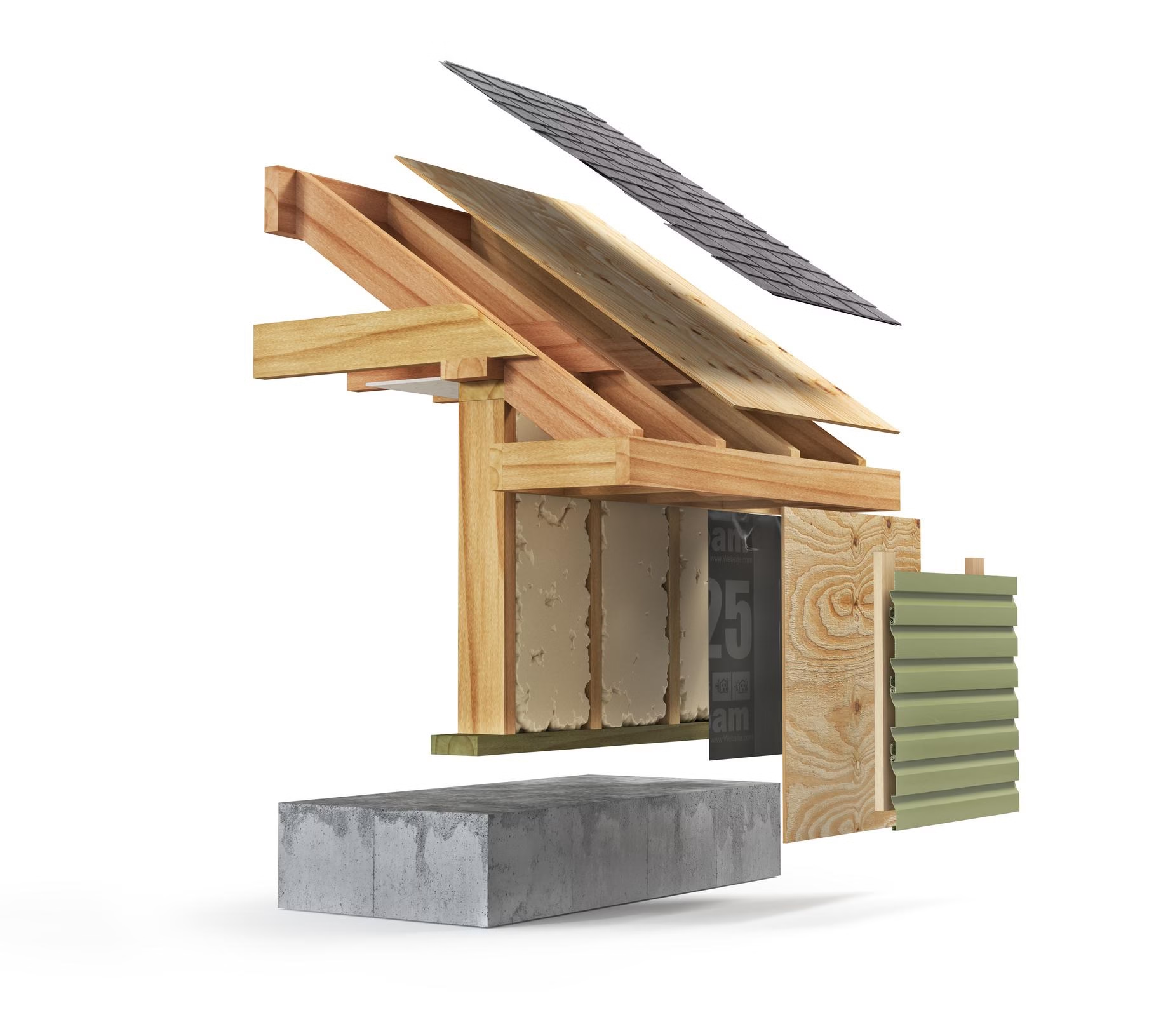
A typical wall system in this region follows a layered approach.
On the interior side, drywall is attached to a framed wall, often insulated with fiberglass batts. On the exterior side of that framing, sheathing is installed, followed by a weather-resistant barrier, and finally the siding.
When siding is replaced properly, work often goes beyond the surface. Removing existing materials allows inspection of the structure, insulation, and air sealing. It is common to find gaps, missing insulation, or areas where moisture has already caused damage.
Structural sheathing plays an important role in strengthening the home. It helps the wall act as a unified system, improving resistance to movement caused by expansive soils and high winds.
Over the sheathing, a house wrap acts as an air and moisture barrier. Proper installation of this layer is critical. Seams must be taped, transitions sealed, and openings around windows and doors carefully detailed. Small gaps in this layer can lead to significant performance issues.
The final layer is the siding itself, but its effectiveness depends heavily on everything behind it.
What Is a Rainscreen Siding System and Why It Matters
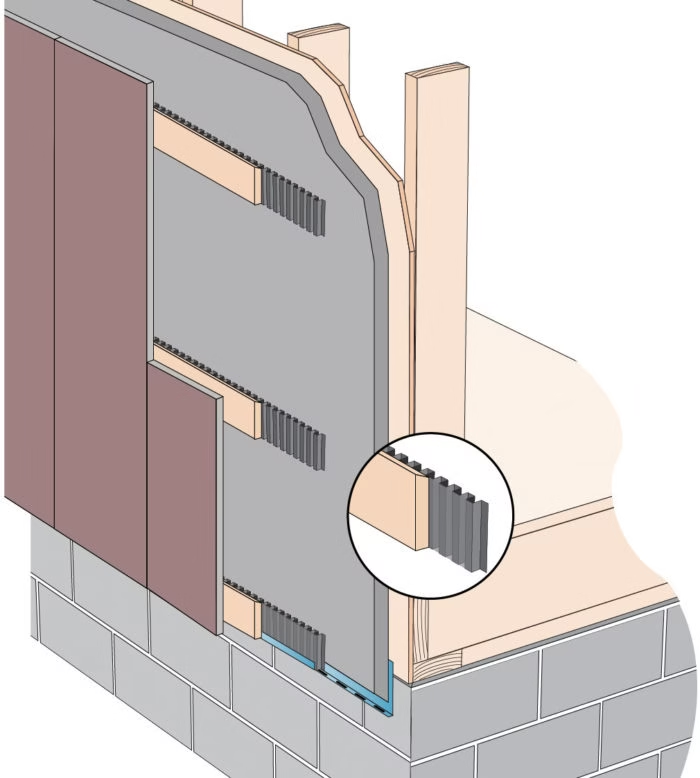
One of the most important upgrades to a siding system is the addition of a rainscreen. This creates a small air gap between the siding and the wall, allowing water to drain and materials to dry more effectively. Proper water management is a critical part of any exterior wall system. As explained by Building Science Corporation, controlling how water drains and dries within a wall assembly is essential to preventing long-term damage.
This gap allows:
-
Water to drain out instead of being trapped
-
Air to circulate behind the siding
-
Materials to dry more effectively after rain or humidity exposure
At the base and top of the wall, ventilation openings are screened to allow airflow while keeping insects out.
This added airflow reduces moisture buildup and helps extend the life of both the siding and the paint.
For wood siding, this approach is essential for durability. For fiber cement siding, it is still strongly recommended as it improves long-term performance.
Without a rainscreen, moisture can become trapped behind the siding, which increases the risk of rot, paint failure, and hidden damage.
Comparing Siding Materials for a Hot, Humid Climate
Choosing siding for Texas homes requires understanding how materials respond to heat, moisture, and long-term exposure.
Wood siding
Wood has a long history and a natural appearance that many homeowners value. However, modern wood is less durable than older growth material and struggles in humid climates. It is prone to rot and does not always hold paint well. If used, it requires careful detailing, full priming on all sides, and proper airflow behind the material.
Fiber cement siding
Fiber cement performs well in this environment. It resists rot, insects, and fire, and holds paint longer than many alternatives. It can closely replicate the look of wood while requiring less maintenance. For many homes in this region, it offers a balance of durability and appearance.
Vinyl siding
Vinyl is often selected for its lower upfront cost, but it comes with trade-offs. It expands and contracts significantly with temperature changes and can crack or fade over time. Damage is not always visible immediately, and issues behind the siding can go unnoticed until they become severe.
Brick and stone
These materials are often seen as premium finishes, but they behave differently in this climate. As thermal mass, they absorb heat during the day and release it slowly. In a hot, humid environment where nights do not cool significantly, that stored heat can move into the home. For this reason, they are often better used selectively rather than as the primary exterior.
Manufactured stone
This offers a similar appearance to natural stone at a lower weight and cost. While durable, it still shares some of the thermal characteristics of other masonry products and requires proper detailing.
Stucco and EIFS
Traditional stucco is durable and versatile, with lower thermal mass than brick. EIFS, when installed correctly, can provide strong thermal performance because it limits heat transfer. Many issues associated with these systems are tied to improper installation rather than the material itself.
Engineered and hardboard siding
These products can perform inconsistently in humid climates, especially when installed incorrectly or placed too close to the ground. Water exposure and poor flashing details often lead to premature failure.
No material performs well without proper installation. The details behind the siding are just as important as the siding itself.
What to Expect During a Siding Replacement Project
Siding replacement is more than removing and reinstalling materials. It is an opportunity to correct issues that are not visible from the outside.
In many cases, the process includes:
-
Removing siding down to the framing
-
Inspecting for rot or structural concerns
-
Sealing gaps to reduce air leakage
-
Improving or replacing insulation
-
Installing upgraded sheathing and air barriers
Some homeowners choose to add continuous exterior insulation during this process. Even a thin layer can reduce thermal bridging, where heat moves through framing members more easily than insulated cavities.
Because much of this work is hidden once complete, the quality of the process has a lasting impact on how the home performs.
How Siding Choices Impact Long-Term Home Performance
The exterior of a home directly affects comfort, durability, and operating cost.
A well-designed siding system:
-
Reduces air and moisture intrusion
-
Improves energy efficiency
-
Helps maintain consistent indoor conditions
-
Extends the life of finishes and structure
Poorly designed or installed systems tend to do the opposite. They allow hidden damage to develop, increase maintenance needs, and make the home harder to keep comfortable.
Decisions made at the exterior layer influence how the entire home functions over time.
How Stearns Design Build Approaches Siding Systems
At Stearns Design Build, siding is approached as part of a complete wall system rather than a surface upgrade.
This is the stage where the home is opened up and underlying conditions can be addressed. We do this so that hidden issues are corrected before they become larger problems. That means the finished project performs as well as it looks.
Our focus is on:
-
Strengthening the structure with proper sheathing
-
Creating a continuous air and moisture barrier
-
Integrating siding with correct flashing and trim details
-
Incorporating airflow strategies like rainscreens when appropriate
The goal is not just to replace siding. The goal is to improve how the home functions in this climate.
Frequently Asked Questions
What is the best siding for Texas homes?
There is no single material that works best in every situation. In a hot, humid climate, materials that resist moisture and hold finishes well tend to perform more consistently. The overall system and installation quality are just as important as the material itself.
Do you need a rainscreen in Texas?
A rainscreen is not always required, but it significantly improves moisture management and drying potential. It is especially important for wood siding and beneficial for most other siding types.
When should siding be replaced in College Station TX?
Signs like rot, frequent paint failure, rising utility bills, or persistent indoor humidity can indicate that siding is no longer performing properly. A professional evaluation can determine whether repair or replacement is needed.
Can new siding improve energy efficiency?
Yes. Siding replacement often allows improvements to insulation and air sealing. These changes can reduce energy loss and improve indoor comfort.
Is it okay to install new siding over old siding?
Installing new siding over existing material is generally not recommended. It creates a weak base and prevents proper inspection of the wall system, which can allow hidden problems to continue.