
Smart Kitchen Storage Ideas to Maximize Space and Function
Most kitchens do not run out of space. They run out of usable space.
We see this across Bryan–College Station homes all the time. Cabinets are technically full, but they are hard to use. Counters collect everyday items because there is nowhere better to put them. Pantries start organized and slowly lose ground. Over time, small frustrations stack up and the kitchen begins to feel crowded even when it is not.
Good storage changes that experience completely. When it is planned with intention, everything feels easier. Cooking moves faster. Cleanup is simpler. The room feels calmer because there is less visual clutter. That shift rarely comes from adding more cabinetry. It comes from using the space you already have more thoughtfully.
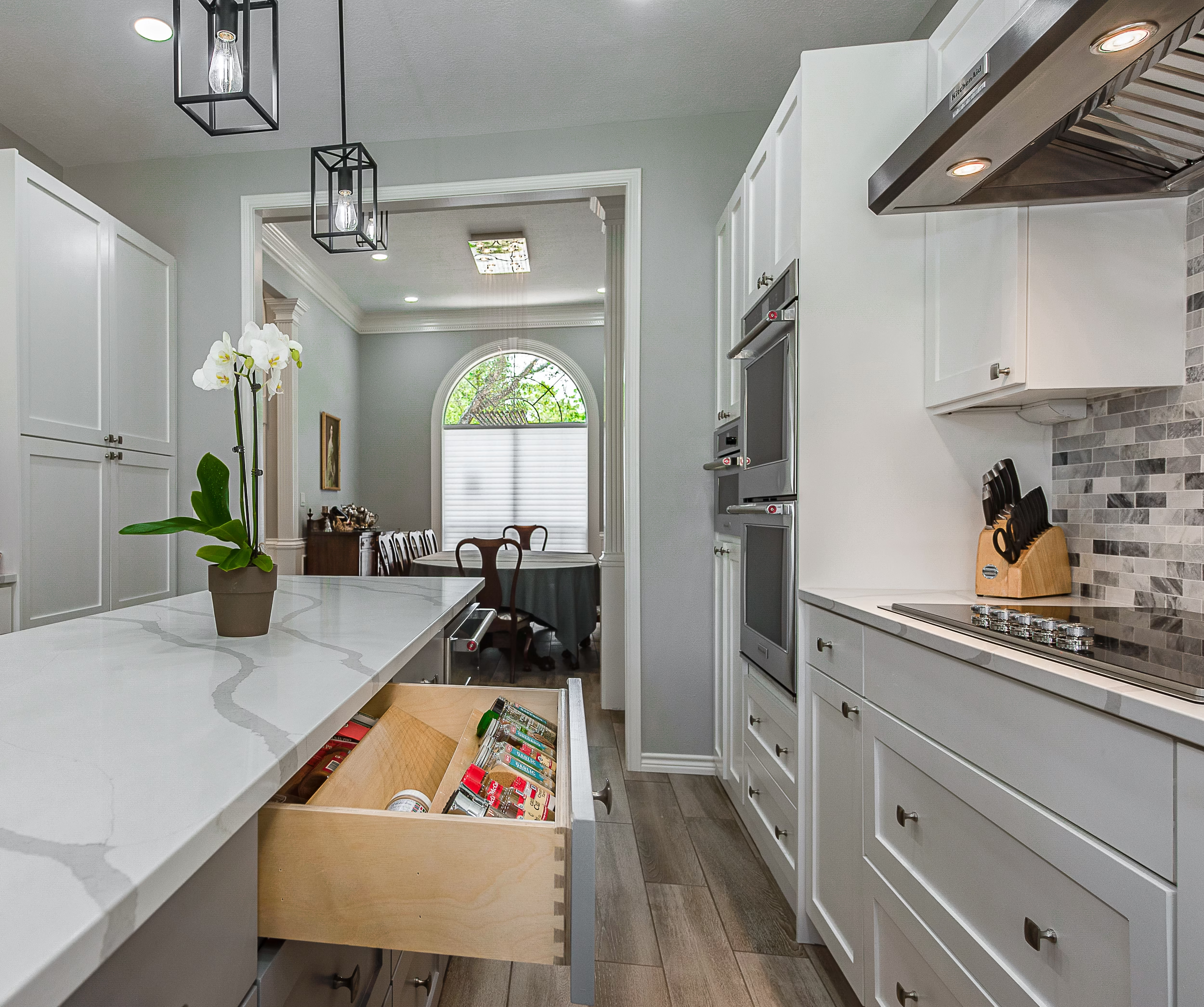
What Smart Kitchen Storage Looks Like in Real Homes
A lot of storage advice focuses on clever tricks or products. In practice, the kitchens that work best rely on simple decisions made early and carried through consistently.
Most homeowners use their kitchens in predictable ways. Meals are prepped in the same places. Cooking happens in familiar patterns. Cleanup follows the same rhythm every day. Storage works best when it follows those patterns instead of fighting them.
When it does not, even a well-designed kitchen starts to feel inefficient. You cross the room for something you use constantly. You open multiple cabinets before finding what you need. You stack items just to make them fit.
The difference between a kitchen that feels easy and one that feels frustrating is usually planning, not square footage.
Where Kitchens Typically Fall Short
We tend to see the same challenges over and over.
Deep base cabinets become catchalls where items disappear behind each other. Corners are awkward and often wasted. Upper cabinets stop short of the ceiling and leave valuable space unused. Drawers are too shallow or poorly organized to be helpful.
At the same time, the items people use most often end up living on the counter simply because there is no better place for them to go.
None of this is unusual. Most kitchens were designed around general rules rather than the habits of the people living in them. The result is a space that works in theory but not always in daily life.
Storage That Supports How You Actually Use the Kitchen
The most effective kitchens organize storage around use instead of categories.
Cooking tools work best near the range. Prep tools belong near the main work surface. Oils, spices, and utensils should live within reach instead of across the room. Cleanup supplies should stay close to the sink and dishwasher so putting things away feels automatic.
When storage follows movement, routines become smoother without effort. When it does not, every task takes longer than it should.
This is also why simply adding more cabinets rarely solves the problem. Placement matters more than quantity.
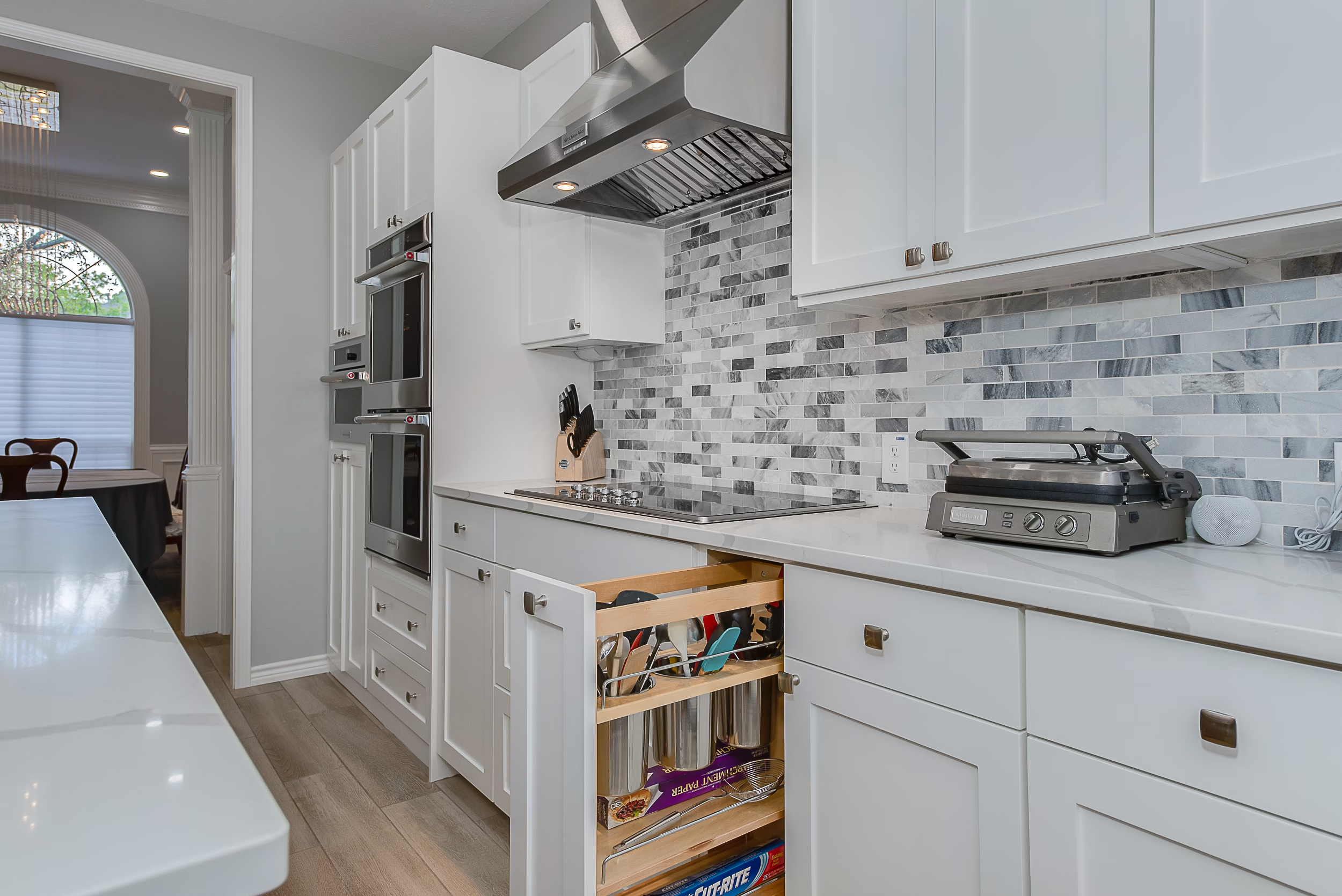
Making Better Use of the Space You Already Have
Some of the most practical improvements come from areas that often go unnoticed.
Corners can work harder with the right configuration. The side of a refrigerator often has room for shallow shelving. The back of an island can support open storage without changing how the room feels. Even narrow wall sections can hold shallow shelving or hanging storage for frequently used items.
In eat-in kitchens, seating areas often present opportunities as well. Built-in benches, shallow shelving, or concealed workspaces can quietly add useful storage while still feeling natural to the room.
These are not dramatic changes, but they make a noticeable difference in how the kitchen functions day to day. If you want to see more examples of how small adjustments can change the way a kitchen works, this collection from Fine Homebuilding shows how thoughtful storage decisions translate into everyday function.
Looking Up Instead of Out
Vertical storage is one of the simplest ways to improve function without changing the footprint.
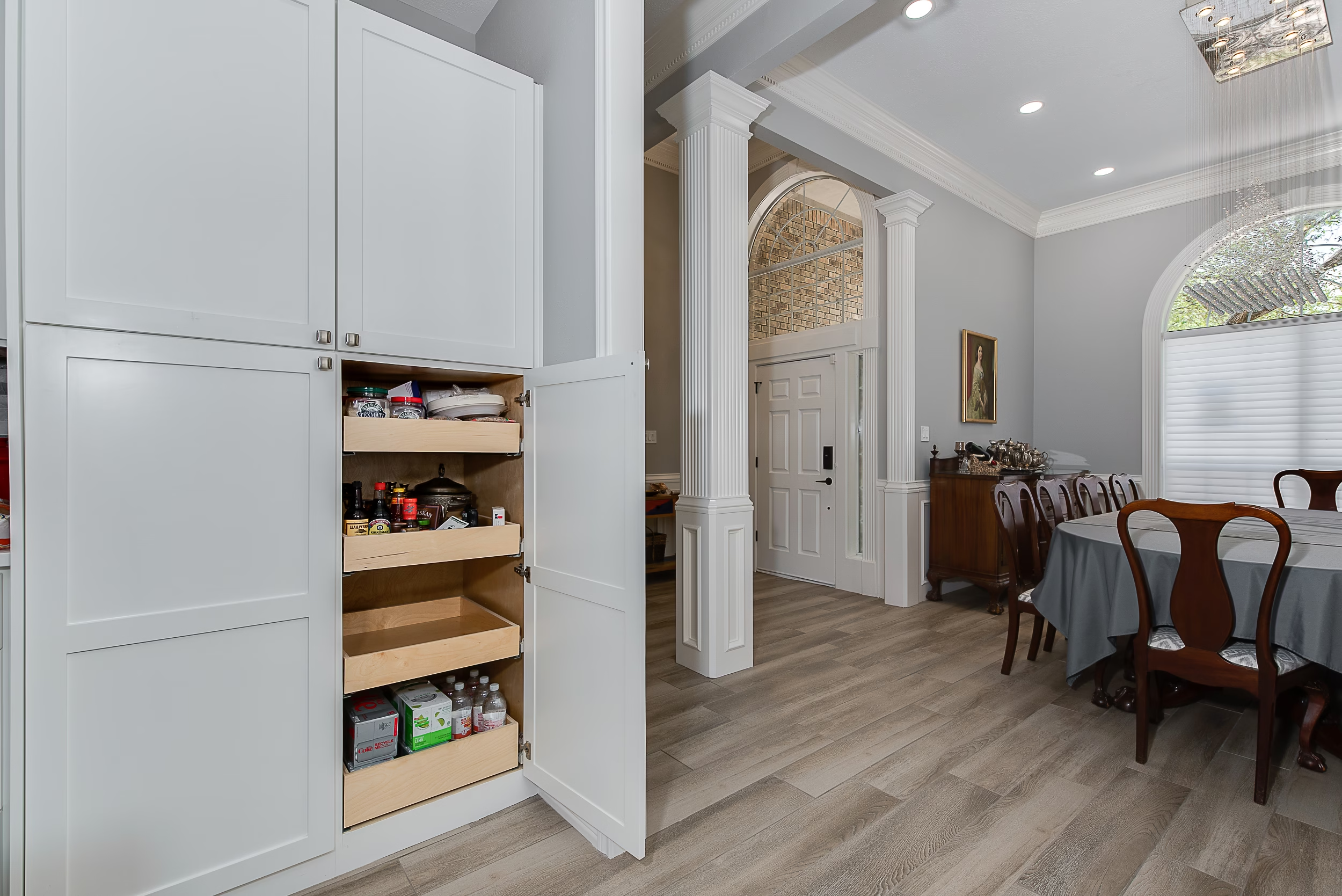
Cabinets that extend to the ceiling create space for seasonal items or things used less often. Tall pantry systems improve visibility and reduce stacking. Even small additions like shallow shelving above windows or beneath cabinets can provide meaningful storage without crowding the space.
In many homes, using height more intentionally solves storage problems more effectively than adding square footage.
Why Drawers Change the Way Kitchens Work
One of the most consistent improvements we see comes from using more drawers and fewer traditional cabinets.
Drawers make it easier to see what you have. Full-extension hardware allows you to use the entire depth of the cabinet instead of just the front portion. Shallow drawers keep smaller items organized. Deeper drawers handle cookware, appliances, and waste systems comfortably.
The difference is not dramatic at first, but over time it changes how the kitchen feels to use every day.
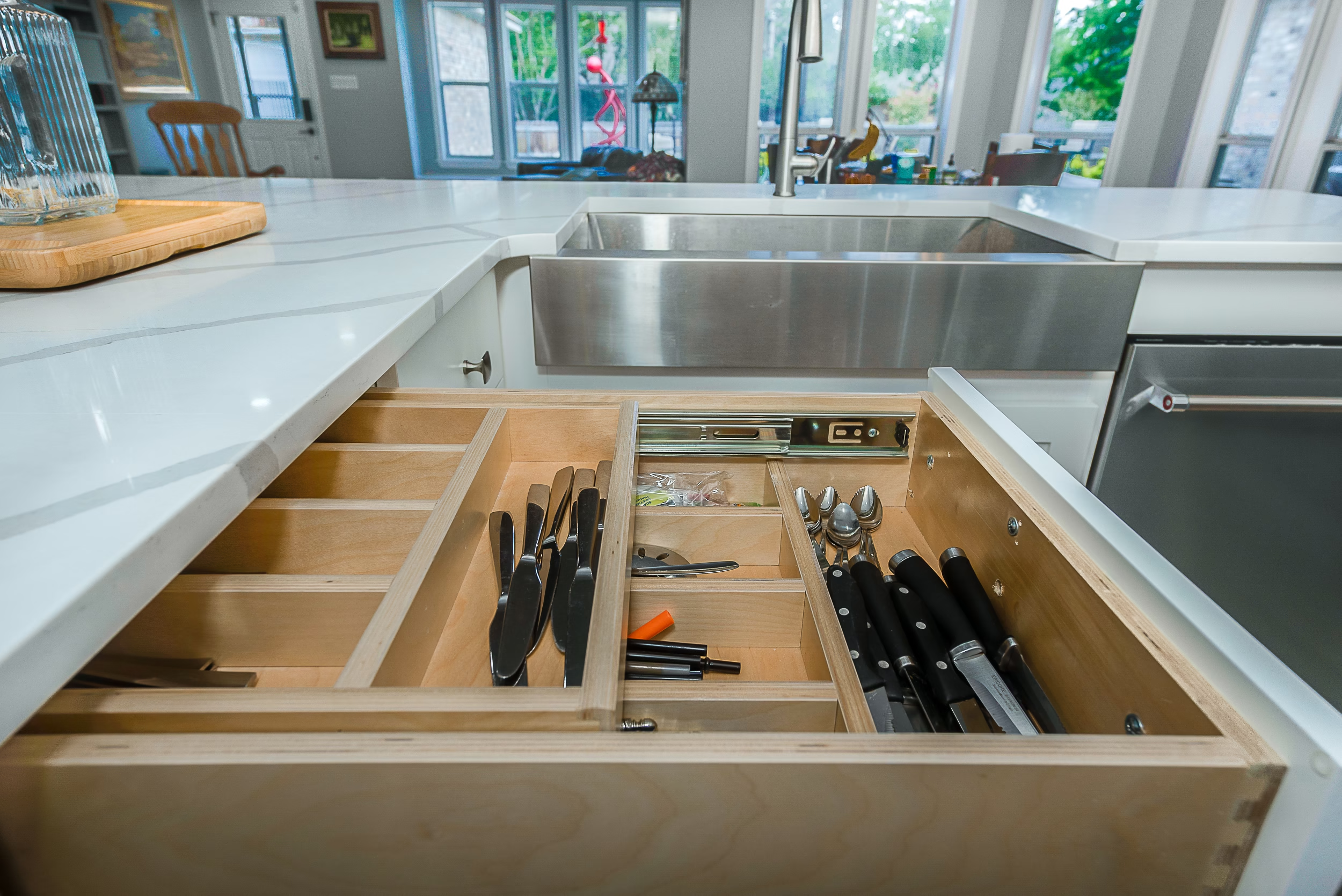
Small Kitchen Storage Ideas That Make the Biggest Impact
Smaller kitchens often benefit the most from thoughtful storage planning.
Multi-use cabinetry helps the room work harder without feeling crowded. Shallow storage keeps essentials accessible without narrowing walkways. Hidden organization reduces visual clutter and helps the space feel more open.
In many cases, small kitchens do not need more storage. They just need better placement and better access.
What Actually Improves Storage (and What Usually Doesn’t)
A lot of homeowners try to solve storage problems with organizers alone. While inserts and containers can help, they rarely fix the underlying issue if the layout is not working.
Adding more cabinets also does not always help. If placement stays inefficient, more storage just means more places for clutter to hide.
What usually makes the biggest difference is stepping back and looking at the kitchen as a whole. When storage decisions are made alongside layout and workflow, the results tend to last much longer and feel much more natural.
How We Approach Kitchen Storage at Stearns Design Build
We treat storage as part of the design conversation from the very beginning because it affects how the kitchen works long after construction is finished.
The first step is understanding how someone uses their space now. That includes daily routines, what they cook, how often they entertain, and what feels frustrating about their current kitchen. Those details shape every decision that follows.
As design develops, storage is planned alongside layout, appliances, and workflow instead of after them. That approach keeps decisions manageable and helps avoid late changes that rarely work well.
By the time a kitchen is ready to build, storage has already been fully considered. That preparation is what allows the finished space to feel natural, efficient, and easy to live in.
Frequently Asked Questions
What is the best way to improve kitchen storage?
Start by looking at how you use your kitchen day to day. Storage works best when it supports real routines instead of general organization rules.
How do I maximize storage in a small kitchen?
Focus on vertical storage, drawers, and multi-use cabinetry. These usually create the biggest improvements without changing the footprint.
What cabinets provide the most usable storage?
Drawer-based cabinets tend to be the most practical because they improve visibility and reduce stacking.
Is custom kitchen storage worth it?
It can be when it reflects how you actually live. Thoughtful planning often solves problems that standard solutions cannot.