
What Are the Real Benefits of Green Building and How Do They Improve Daily Life?
Green building benefits are the ways intentional design improves how a home feels, functions, and holds up over time. In residential spaces, it affects comfort, usability, and long-term performance. When applied thoughtfully, it creates a home that supports daily life instead of working against it.
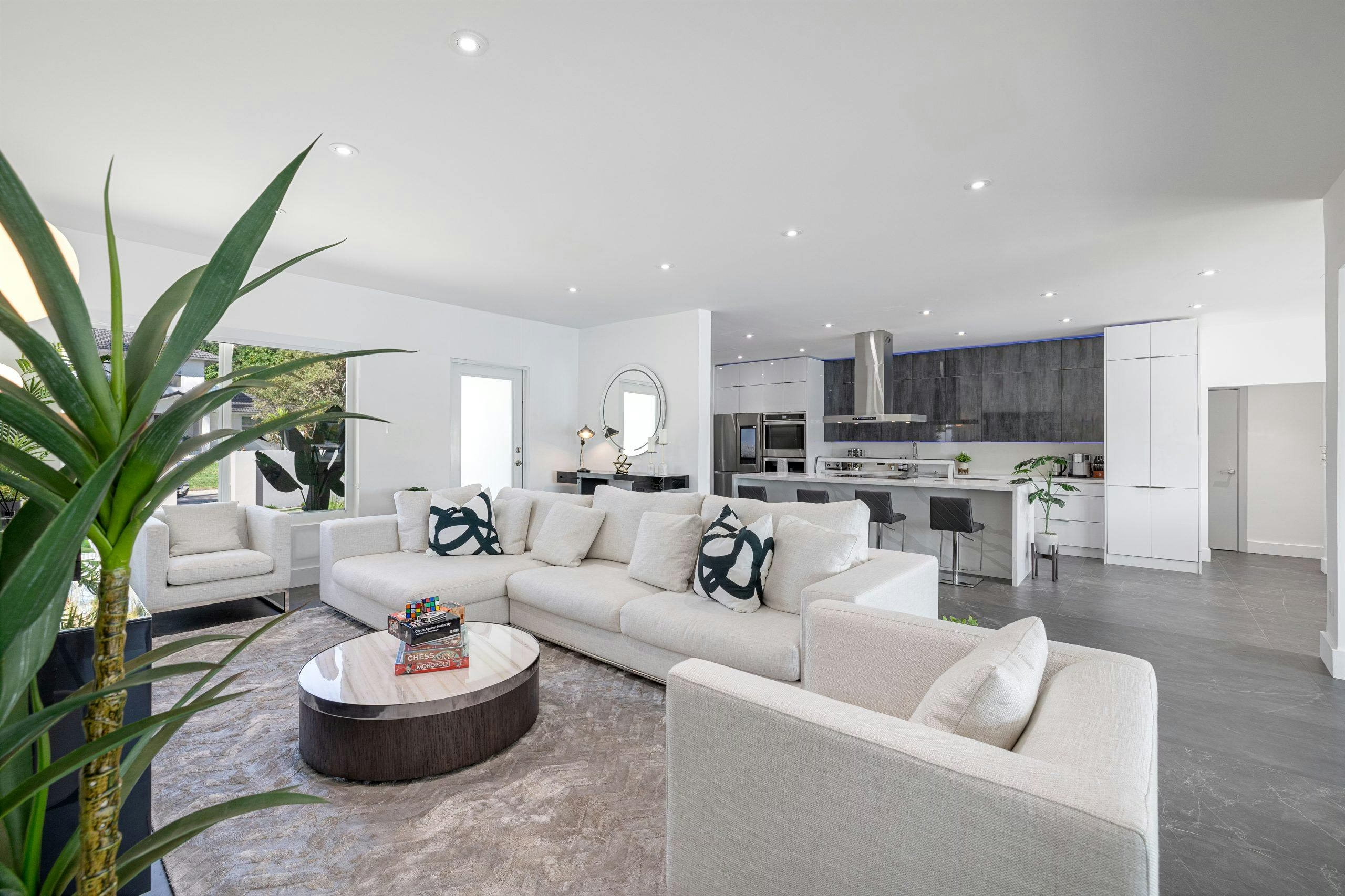
What This Means in Residential Design
Green building design often gets reduced to products or features. Solar panels. Specialty materials. Energy ratings.
Those can be part of it, but they are not the foundation.
In a home, green building benefits come from how decisions are made early. Orientation, layout, airflow, material selection, and how spaces connect all shape whether a home feels comfortable and easy to live in.
The goal is not to add “green elements.” The goal is to create a home that works better as a system.
That system shows up in three areas that are hard to separate once you experience them: health, function, and longevity.
Why This Matters to the Way You Live
Most homeowners do not set out to build a “green home.” They want something simpler than that.
They want a house that feels good to be in.
That shows up in small, everyday moments. The temperature stays consistent from room to room. Natural light reaches the places where you actually spend time. Air does not feel stale. Spaces are easy to move through and use without friction.
These are not upgrades you notice once and move on from. They are conditions you live with every day.
When green home design is done well, it removes the background stress that comes from a house that is working against you.
The Three Core Green Building Benefits
Health
Health in green building design is not a single feature. It is the result of multiple decisions working together.
Natural light reduces reliance on artificial lighting and changes how a space feels throughout the day. Ventilation strategies improve air quality and help regulate humidity. Material choices can reduce exposure to harmful chemicals. Research from the U.S. Environmental Protection Agency shows that indoor air can often be more polluted than outdoor air, which makes ventilation and material choices a core part of how a home supports health.
Individually, each of these may seem minor. Together, they shape whether your home feels like a place to recover or a place that quietly drains energy.
A healthy home does not call attention to itself. It simply feels right.
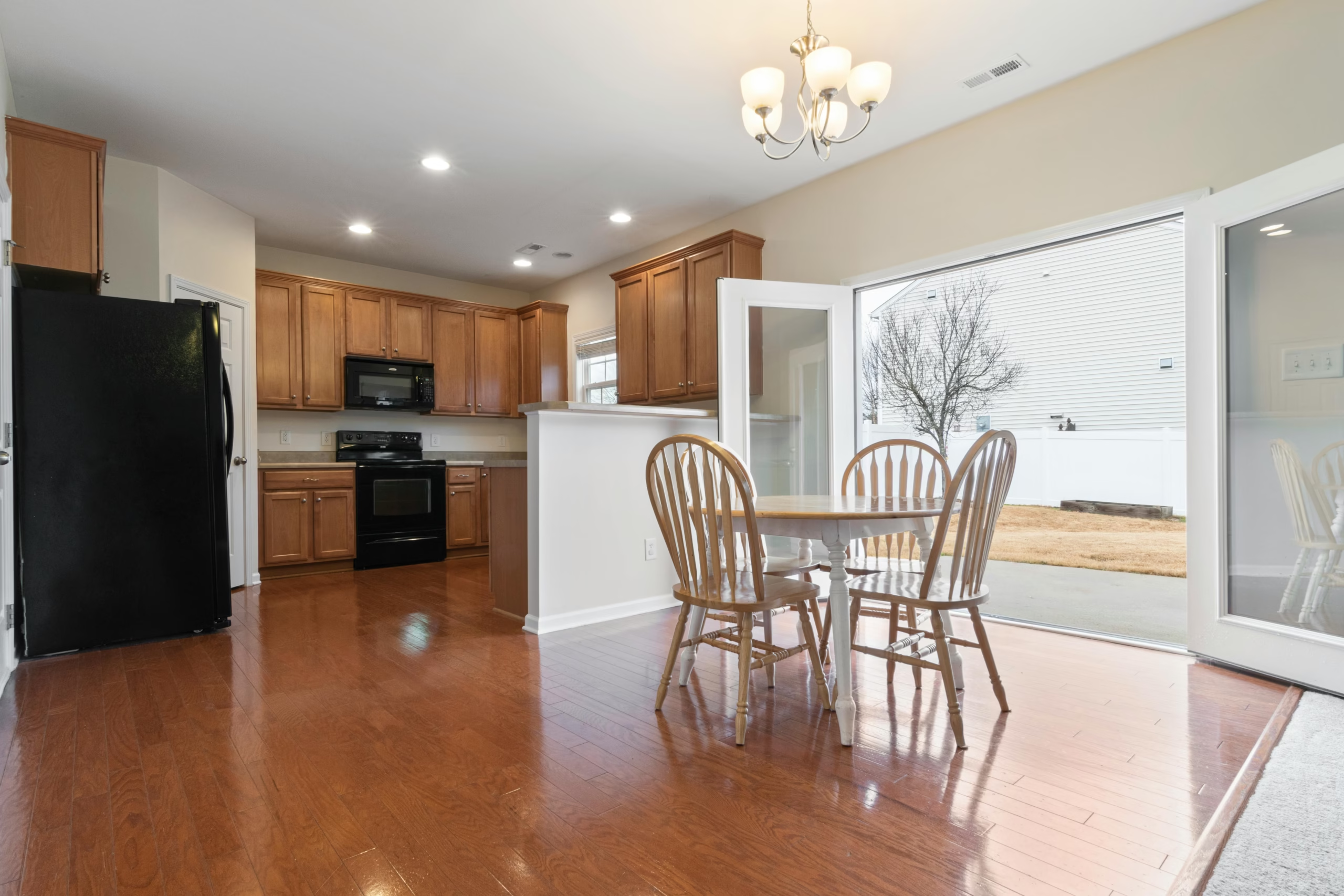
Function
Function is where green building benefits become tangible.
Spaces are designed to be used, not just to look finished. Circulation makes sense. Storage is where you need it. Rooms support how your day actually unfolds.
Green building design also looks at efficiency in a broader way. It considers how to use less material without sacrificing performance. It reduces wasted space and focuses on making each area of the home serve a purpose.
This is where frustration is either built in or designed out.
A functional home does not require constant adjustment. It works with you.
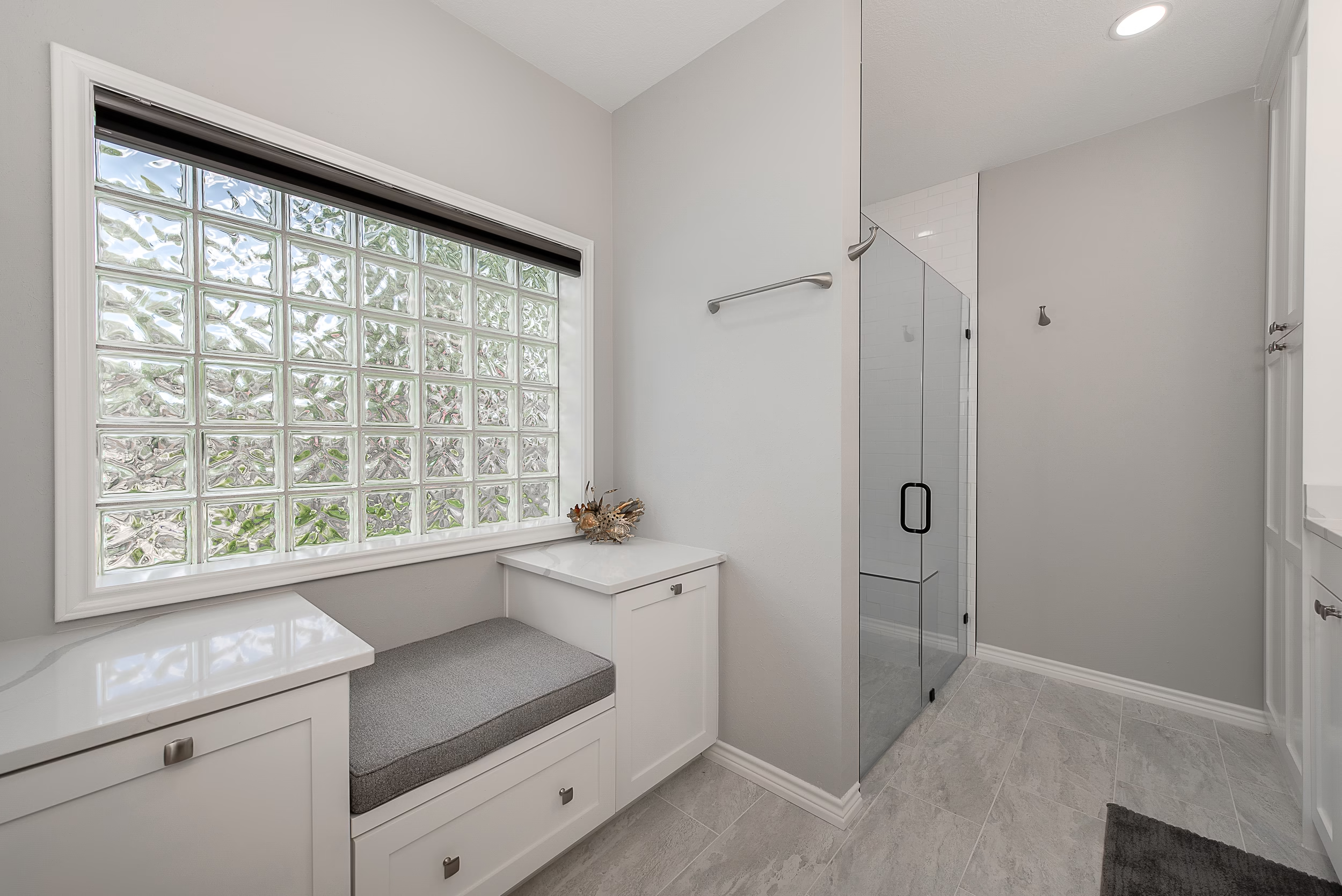
Longevity
Longevity is often misunderstood as durability alone. It is broader than that.
A home designed for longevity is easier to maintain, easier to adapt, and less likely to require major corrections later.
This can include strategies like using materials that are appropriate for the local climate, planning for water management, or incorporating systems that reduce long-term strain on the structure.
It also includes decisions like sourcing materials more locally, which reduces transportation impact and often improves compatibility with the environment the home sits in.
Longevity means the home continues to perform without demanding constant intervention.
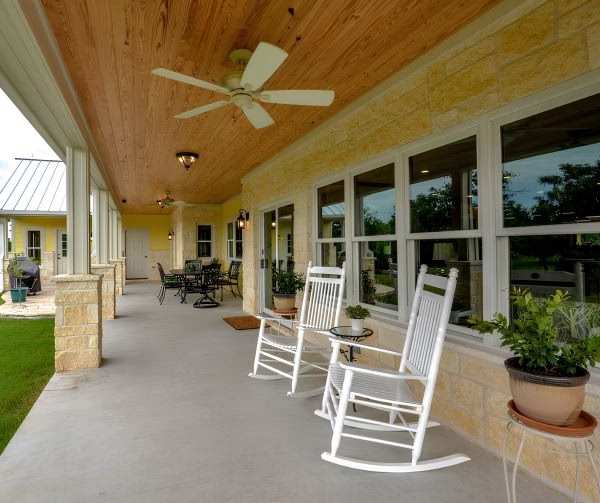
How These Benefits Work Together
Health, function, and longevity are not separate categories.
They depend on each other.
A home that functions well supports daily routines with less stress, which contributes to well-being. A home that is built for longevity maintains its performance, which protects both comfort and usability over time. A healthy indoor environment is easier to sustain when systems are designed to last and operate efficiently.
When one is missing, the others begin to break down.
Green building design works because it treats these as a connected system rather than isolated goals.
Common Misunderstandings About Green Building
“Green building is just about saving energy.”
Energy use is part of it, but it is not the full picture. Comfort, usability, and long-term performance matter just as much.
“It requires expensive specialty products.”
Some materials may cost more, but many benefits come from planning and design decisions, not upgrades.
“It has a specific look.”
Green home design is not a style. It can be applied to any aesthetic because it is about how the home works, not how it is decorated.
“It only matters for new construction.”
Remodeling projects can incorporate green building benefits by improving layout, airflow, lighting, and material choices.
How This Shows Up in Real Homes
You see green building benefits in how a home behaves over time.
A living room that stays comfortable without constant thermostat adjustments. A kitchen that has natural light where prep work actually happens. A bathroom that manages humidity without lingering moisture issues.
You also see it in what does not happen.
Fewer repairs caused by poor material choices. Fewer frustrations with layouts that never quite worked. Fewer moments where the house feels out of sync with your routine.
These outcomes are not tied to a single decision. They come from a series of choices that were made with intention.
How Stearns Design Build Approaches Green Building Benefits
Our role is not to add features after the fact. It is to guide decisions early so these outcomes are built into the home from the beginning.
That starts with understanding how you live and where the current home is creating friction.
From there, each step of the process exists to bring clarity. We look at how layout, materials, and systems interact before construction begins so that performance is not left to chance.
We slow things down early so the project does not unravel later. That is how we protect comfort, function, and long-term performance at the same time.
The result is not a checklist of green features. It is a home that works better in ways you experience every day.
Frequently Asked Questions
What are the most important green building benefits for homeowners?
The most impactful benefits are improved comfort, better indoor air quality, and a home that performs consistently over time. These directly affect daily life rather than just long-term savings.
Can green building design be added during a remodel?
Yes. Many green building benefits come from layout improvements, better ventilation, lighting strategies, and thoughtful material selection, all of which can be addressed in a remodel.
Does green building design always cost more?
Not always. Some strategies may increase upfront cost, but many benefits come from planning decisions that prevent expensive issues later.
Is green building the same as energy-efficient design?
Energy efficiency is one part of green building design, but it also includes health, function, and long-term durability.