What Are Green Building Design Principles and What Can We Learn from the Past?
Green building design principles are ways of designing and building homes that work with their environment rather than against it. In residential spaces, this affects comfort, efficiency, and long-term livability. When applied intentionally, these principles create homes that feel steady, adaptable, and aligned with how people actually live.
What Green Building Design Principles Mean in Residential Design
Green building design principles are often associated with new technology or modern innovation, but many of the most effective ideas have been around for generations.
In Texas, early builders designed homes based on climate, available materials, and daily life. Structures like the jacal, used by Hispanic settlers, were built with thick, earth-filled walls that helped regulate interior temperatures. These walls, often made from rammed earth, stone, or plastered natural materials, created a level of insulation that kept homes cooler during long summer days.

Other homes responded to airflow. The dogtrot house used two separate structures connected by a shared roof, with a central breezeway between them. This space pulled air through the home while also creating a shaded outdoor area that could be used throughout the day. These layouts often separated private and shared spaces, creating both functional and environmental benefits.
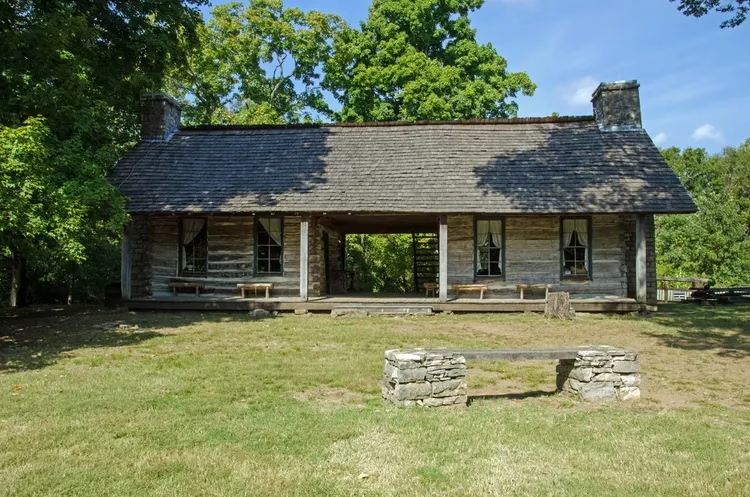
The shotgun house, commonly found in the southern United States, took a different approach. Its long, narrow form aligned doors from front to back so air could move freely through the home. The layout was simple, efficient, and shaped by the constraints of the site.

These homes were designed for the way they function with the environment more than for their style.
Green building design principles bring the focus back to that idea. They prioritize how a home manages heat, how air moves through it, how it responds to its site, and how materials are used with intention. This is where sustainable home design begins, at the level of decisions that shape how a home performs every day.
Why This Matters to the Way You Live
Most homeowners do not think about green building design principles in technical terms. However, they do experience the results through how their home feels.
A home that stays more consistent without constant thermostat adjustments.
A space that feels connected to the outdoors instead of closed off from it.
Rooms that function naturally without wasted space or awkward transitions.
These outcomes come from how the home was designed in the first place.
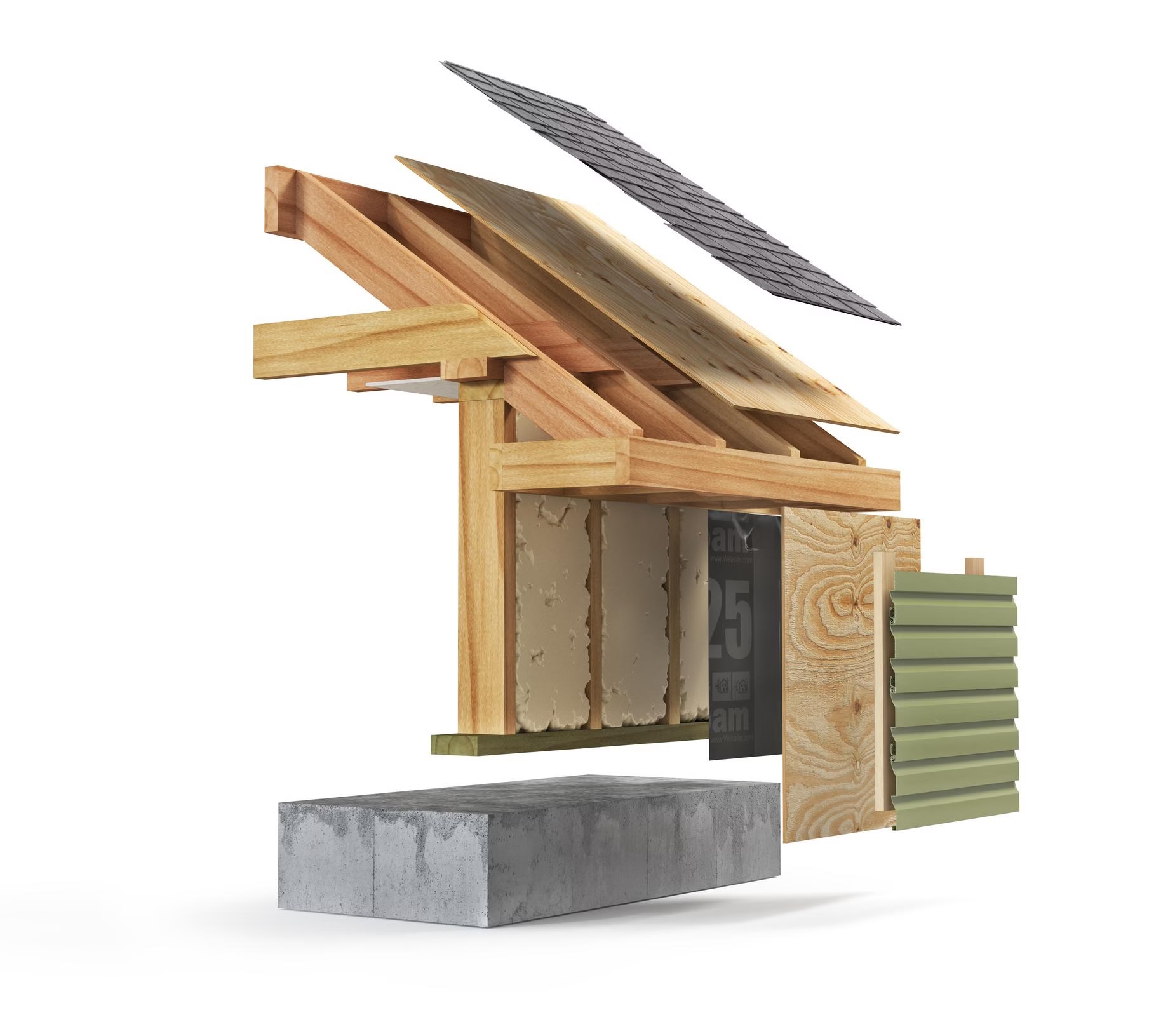
Thick wall systems, often referred to today as thermal mass, slow the movement of heat. During hot Texas afternoons, this helps reduce how quickly heat enters the home. As temperatures drop, stored heat is released more gradually, creating a more stable indoor environment.
Airflow plays a similar role. Breezeways, aligned openings, and thoughtful window placement allow air to move through a home in a controlled way. This creates a sense of comfort that does not rely entirely on mechanical systems.
Layout decisions also shape daily life. When spaces are grouped intentionally, movement through the home feels easier. When transitions between rooms are clear, the home supports routines rather than interrupting them.
This is the foundation of home remodeling sustainability. It begins with how a home works, long before materials or products are selected
Common Misunderstandings About Green Building Design Principles
One common misunderstanding is that green building is primarily about adding the right materials or technology.
It is easy to focus on products like specialty insulation, solar panels, or imported finishes. While these can contribute to performance, they are not where the process starts.
Another misconception is that sustainable design requires complexity. Many of the most effective strategies are simple and have been used for generations.
There is also a tendency to separate sustainability from design. In practice, they are closely connected. The way a home is laid out, oriented, and built determines how efficiently it will perform over time.
Green building design principles focus on reducing unnecessary strain on a home by addressing the root of how it functions.
How These Principles Show Up in Real Homes
When these ideas are applied intentionally, they begin to shape real design decisions.
Thermal mass influences wall systems that help regulate interior temperatures, reducing reliance on constant heating and cooling adjustments.
Breezeways and covered outdoor areas can be reintroduced as transitional spaces. These areas provide shade, encourage airflow, and create a connection between indoor and outdoor living. In modern homes, they can also be designed to adapt with the seasons.
Airflow strategies are built into the layout itself. Aligning openings and considering how air moves through each space contributes to both comfort and efficiency.
Simplicity continues to play an important role. The shotgun house demonstrated how a straightforward layout can reduce excess space while maintaining function. Grouping rooms with similar needs, such as kitchens, bathrooms, and laundry areas, helps reduce unnecessary complexity in plumbing and energy use.
Material selection reflects the same thinking. Using resources that are available locally supports long-term durability and reduces transportation demands. In Texas, this can include materials like mesquite, cedar, pine, limestone, and soil-based products such as caliche or rammed earth. Reclaimed materials and recycled products, including repurposed lumber or glass-based finishes, also contribute to this approach.

Water can be considered part of this system as well. Rainwater collection and grey water reuse reduce demand on local resources while supporting outdoor spaces.
Another important idea is viewing the home itself as a resource. In many cases, adapting an existing home through remodeling or additions allows it to continue serving changing needs over time.
This approach is visible in Bryan–College Station, particularly in Historic Downtown Bryan, where existing buildings are being adapted for modern use while maintaining their original character. For homeowners considering a home remodel in College Station, this reinforces the idea that sustainability can begin with what already exists.

How Stearns Design Build Approaches Green Building Design Principles
At Stearns Design Build, green building design principles are considered early, when decisions have the greatest impact.
The process begins with understanding how a homeowner lives in their space. Before materials or systems are discussed, the focus is on layout, flow, and how the home interacts with its environment.
From there, design decisions are made with intention. This includes aligning the home to its site, creating transitions between spaces, simplifying layouts, and selecting materials that make sense for the region.
We approach projects this way because it prevents issues from developing later. When airflow, heat transfer, and layout are considered early, the home performs more consistently over time and requires fewer adjustments during construction.
For homeowners planning a home remodel in College Station, this creates clarity. Instead of reacting to problems during construction, there is a shared plan that aligns design, materials, and function from the beginning.
The goal is to create a home that supports how you live and continues to do so as your needs change.
Frequently Asked Questions
Are green building design principles only for new homes?
No. These principles apply to both new construction and remodeling. Many remodeling projects are opportunities to improve how an existing home performs and functions.
Do green building design principles increase cost?
They do not automatically increase cost. Many of these principles focus on early design decisions, which can help prevent inefficiencies and reduce long-term expenses.
What is the difference between sustainable home design and energy efficiency?
Energy efficiency focuses on how much energy a home uses. Sustainable home design considers the full picture, including materials, layout, adaptability, and long-term performance.
Can older homes be adapted to follow these principles?
Yes. Many older homes already include elements like natural airflow or efficient layouts. Remodeling can build on these strengths and improve overall performance.
Why do local materials matter in home remodeling sustainability?
Local materials reduce transportation impact, support regional economies, and are often better suited to the local climate, making them easier to maintain over time.