What Is Builder-Grade?
Have you ever moved into a brand new house that looked perfect on day one, only to watch the cabinet laminate start peeling, the faucets get wobbly, or the carpet flatten out in less than two years? If that sounds familiar, you’re most likely living with “builder-grade” materials.
Builder-grade is the industry term for the basic, mass-produced materials and fixtures developers use to keep new homes affordable and built fast. These products check all the building-code boxes and look perfectly fine in the model home, but they’re not designed to hold up over the long term.
Understanding exactly where builder-grade items appear in your house (and why they start failing so quickly) can save you a ton of frustration and money when it’s time to remodel. In this post, we’ll go room by room to spot builder-grade materials, list their real pros and cons, and share simple ways to phase projects and upgrade to finishes that actually last.
Where Builder-Grade Shows Up (Room-by-Room)
Before we go any further, let’s look at what most new homes start with. A pitfall the remodeling and residential construction industry has fallen into is the price-per-square-foot equation, which is heavily focused on keeping that metric as low as possible, with zero consideration to the durability of each square foot. The trick to keeping this equation low is where builder-grade materials come in: they meet building codes while keeping costs down. They look fine on day one, but wear faster and need more upkeep. Below is what builder-grade can look like in each room or system of your house.
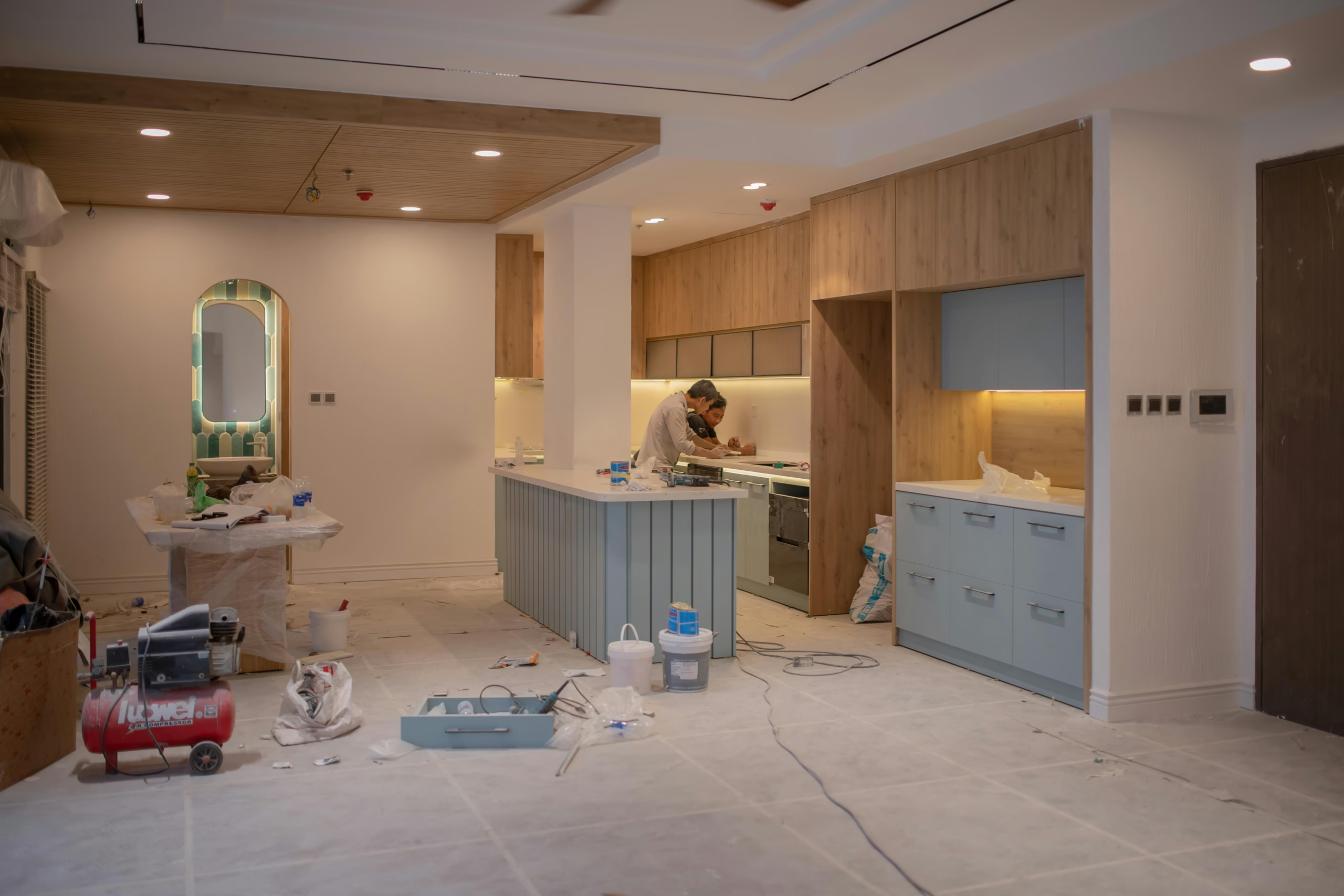
Kitchen: Cabinets are a massive giveaway of builder-grade and are usually made of thin, lightweight materials that chip or warp easily. Countertops made of laminate are another tell and can work against how your kitchen functions, since they are prone to scratches and can bubble from heat. Appliances that are very basic in their operation and a bit noisy are usually builder-grade quality as well. The backsplash can be harder to spot, but it’s usually much shorter than preferred by high-quality builders, so walls are more susceptible to stains, and the tiling itself can stain or wear more quickly than a tile meant to withstand kitchen heat, splashes, and smells.
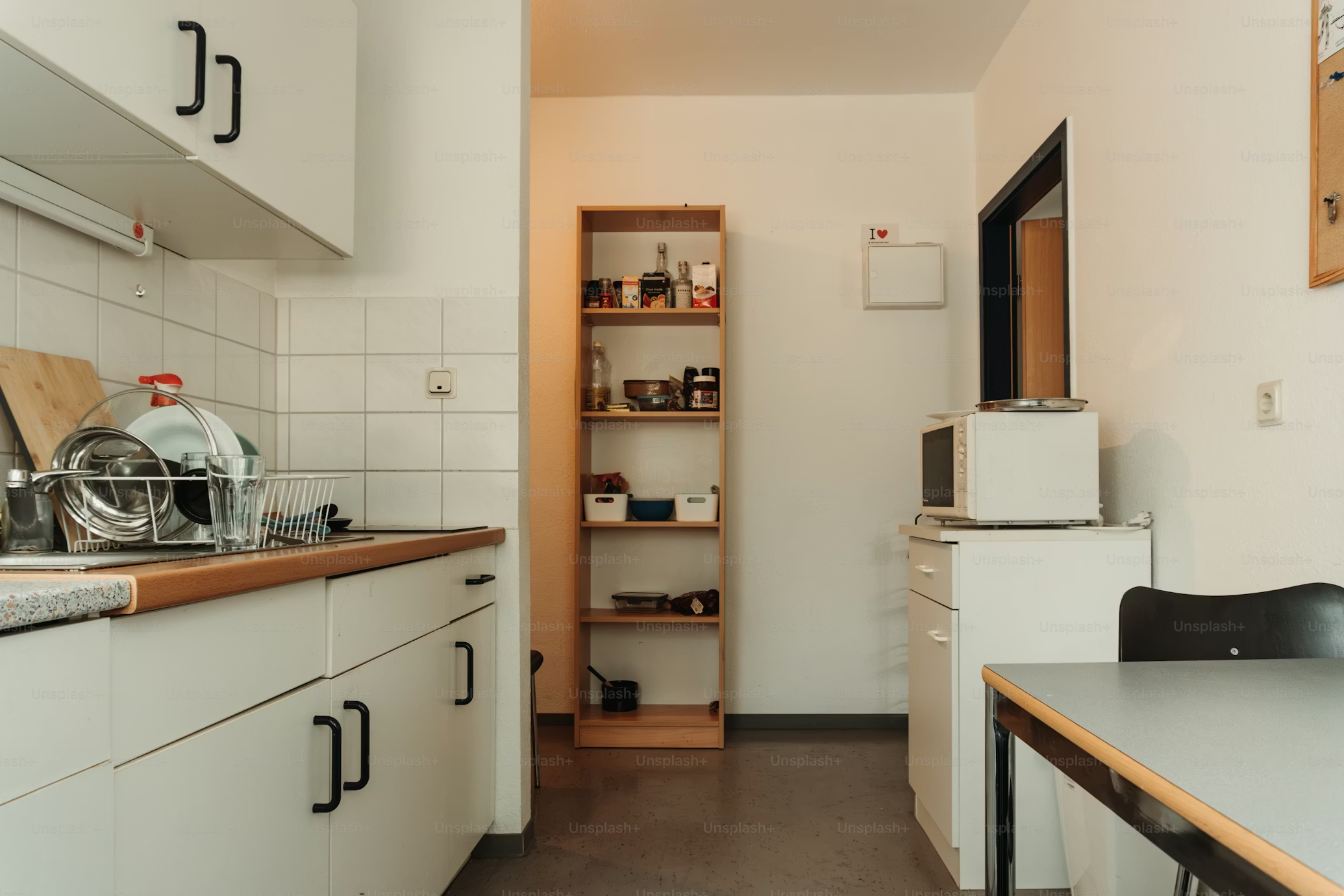
Bathrooms: A shower can take many forms, but plastic shells are the favorite among builder-grade options for their low quality and quick installation. However, they do not provide much traction or the durability of a tiled shower. Vanities and faucets are prone to wear quickly and are usually mass-produced. Weaker exhaust fans are put in, so steam hangs around. Mirrors and lights that are plain, dim, and lack proper protection for everyday use.
Floors: Thin carpet that flattens quickly, and no amount of vacuuming seems to restore a clean look. The padding under the carpet is thinner, so it feels flat to walk across. Entry-level vinyl or laminate that scuffs easily. A trim that feels soft and is prone to dents, especially at corners and edges.
Windows and doors: Windows are made of basic materials that block some noise and light, but not much. Interior doors are hollow, do not fit properly in the frame, and do not provide a significant barrier to energy efficiency, leading to drafts and heat loss that become an everyday experience.
HVAC & Insulation: Insulation that only meets minimum requirements, resulting in uneven heating or cooling and higher electricity bills. Other builder-grade signals include air filters that do not properly trap dust particles and returns that are too small to be effective.
Electrical & Lighting: Ways for builders to cut costs include having fewer outlets than you expect in each room beyond city requirements, using simple can lights, and choosing not to add task lighting. Outside lights are usually also limited, making it harder to move around outside your home at night.
Builder-grade homes might look nice when new, but the materials and systems are designed to meet basic requirements rather than provide a functional living space. Knowing what to look for helps homeowners plan upgrades that add value over time.
Pros and Cons of Builder-Grade
Pros
- Lower upfront cost: It keeps the initial price of a home build or remodel down.
Fast to install: Materials are standardized, so crews move quickly.
Easy to replace: Parts are widely available at big box stores.
Cons
- Shorter lifespan: Finishes peel, warp, or delaminate sooner.
Lower performance: More noise, drafts, higher energy use, and water spots.
Hard to repair: Many items cannot be refinished or fixed, so homeowners are forced to replace them.
Limited look and fit: Fewer sizes, colors, and profiles to choose from.
Higher long-term cost: More frequent replacements and increased risk of damage over time.
Builder-grade materials are a perfectly reasonable starting point when budget and timeline are tight because they get you into the house for less. Unfortunately, they are rarely the finishing point. That low upfront price feels great until the cabinets swell from a bit of steam, the doors are crooked, or the bathroom fan sounds like it’s about to take off. Most builder-grade finishes can’t be repaired or refreshed; they have to be ripped out and replaced. The savings you originally had often turn into a bigger payment a few years down the road. That’s why understanding where builder-grade is hiding in your home matters. It helps you decide when to live with “good enough for now,” and when it’s smarter to invest in something that will still look good many years from now.
How Material Quality Affects Your Remodeling Estimate
Two remodeling bids can look wildly different because they’re usually not quoting the same level of quality. One contractor might be pricing full-plywood frameless cabinets and real quartz countertops, while another is basing the number on particleboard boxes and laminate tops. It’s important to always think about lifetime cost when reviewing these bids, not just the number on the page today. Cheaper materials can make a bid look attractive up front, but they almost always push the real expense down the road in the form of repairs, premature replacements, and headaches. Scope clarity is just as important as materials. Vague allowances, missing brand names, or skimpy specifications are red flags. They leave the door wide open for builder-grade substitutions that only surface once the crew is on-site. Insist on a detailed proposal that lists exact products, brands, and installation methods. To dive deeper into what goes into an accurate remodeling estimate and how to evaluate bids fairly, check out our blog post, “The Value of a Free Estimate.”
The Real Difference Between ‘Good Enough’ and ‘Built Right’
Most homes start with materials that are perfectly “good.” They meet code requirements, look fine in the model, and keep the purchase price down. The catch is that they’re rarely built to last more than a few years of real family life, and always seem to go out right after the builder’s warranty has expired. Take a typical builder-grade shower. It has a basic tile backer and a faucet that feels light in your hand. It works, but after a couple of hundred hot showers, the grout cracks, and the finish on that faucet starts peeling. Step up one level and you get proper waterproof membranes behind the tile, a sturdier cabinet box that won’t swell when the kids splash, and plumbing fixtures from brands that actually stand behind their warranties. Go another level up, and you’re looking at true high-performance systems, solid-wood or plywood cabinetry, and valves that industry professionals have trusted for many years. Those bathrooms stay crisp and dry for decades instead of needing a redo in only a year after they are finished.
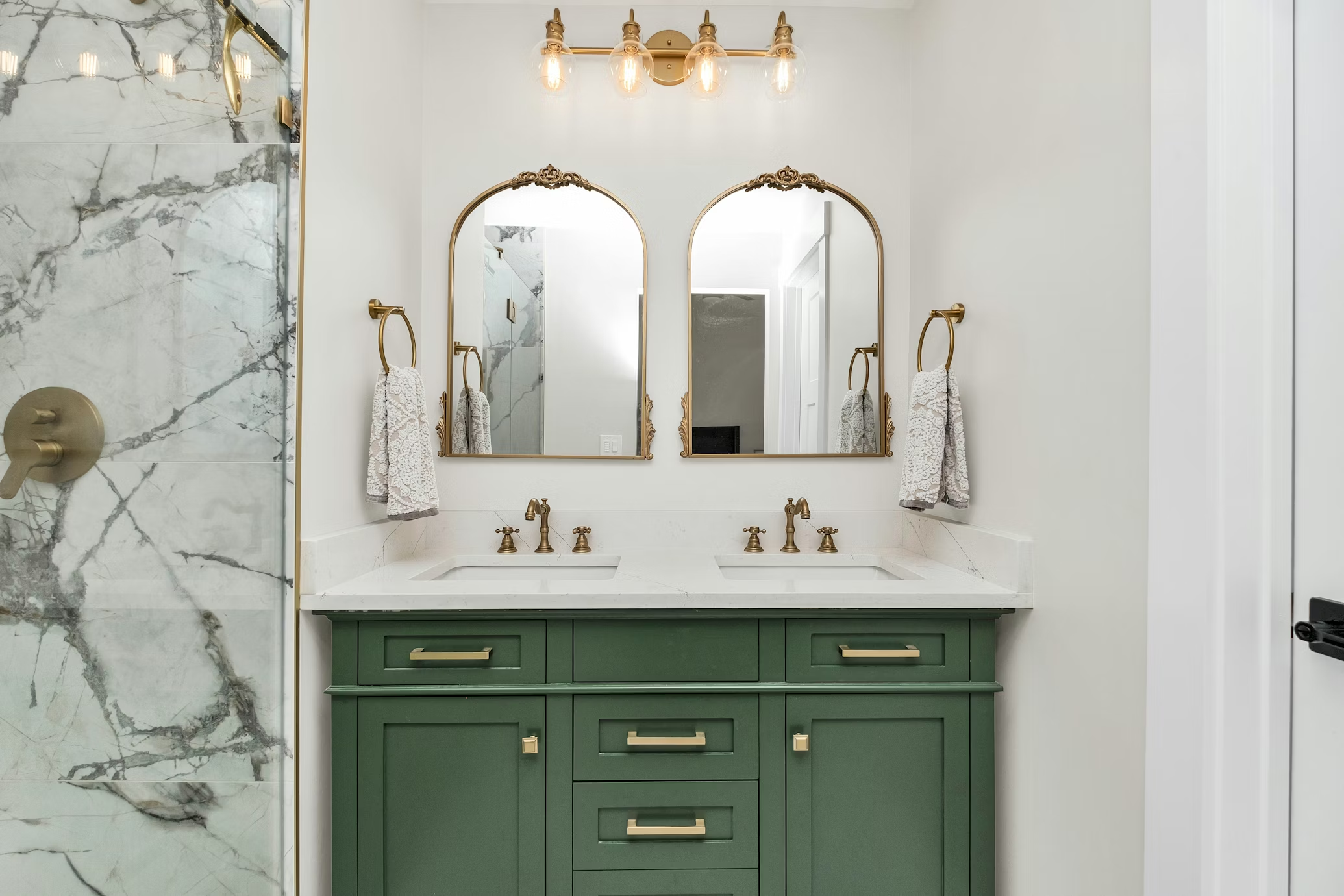
Buyers miss the quiet upgrades on tour day: windows that really block the cold, proper insulation, and a thermostat you don’t have to wrestle with all winter. None of this is about showing off. It’s about choosing materials that stay looking good and keep working long after “good enough” has worn out its welcome. Build past the minimum, and your house stops feeling like a starter home and starts feeling like the place you’ll actually enjoy living in for the next twenty years.
Budgeting and Scope Strategies in a Builder-Grade Home
 It’s always smarter to plan in phases and think long-term. Start with a full-house master plan so every project flows into the next. Spot the shared walls, plumbing runs, and electrical that overlap so you never have to tear out new work to finish the next room. A simple roadmap saves money, keeps the schedule clear, and eliminates unwanted surprises.
Make sure to get absolute clarity before a single wall comes down. A well-thought-out design-build process locks in specs, brands, models, pricing, and current lead times. Build realistic allowances for tile, fixtures, and lighting so you’re never forced into builder-grade options at the last second.
Cut costs without cutting lifespan. Skip the fancy extras; focus on the aspects that matter. Keep plumbing where it already works, pick standard door sizes, and use simple cabinet configurations. Put the savings into things like proper waterproofing, solid cabinet boxes, proper ventilation, and valves that don’t leak in five years.
How Stearns Design Build Elevates You Beyond Builder Grade
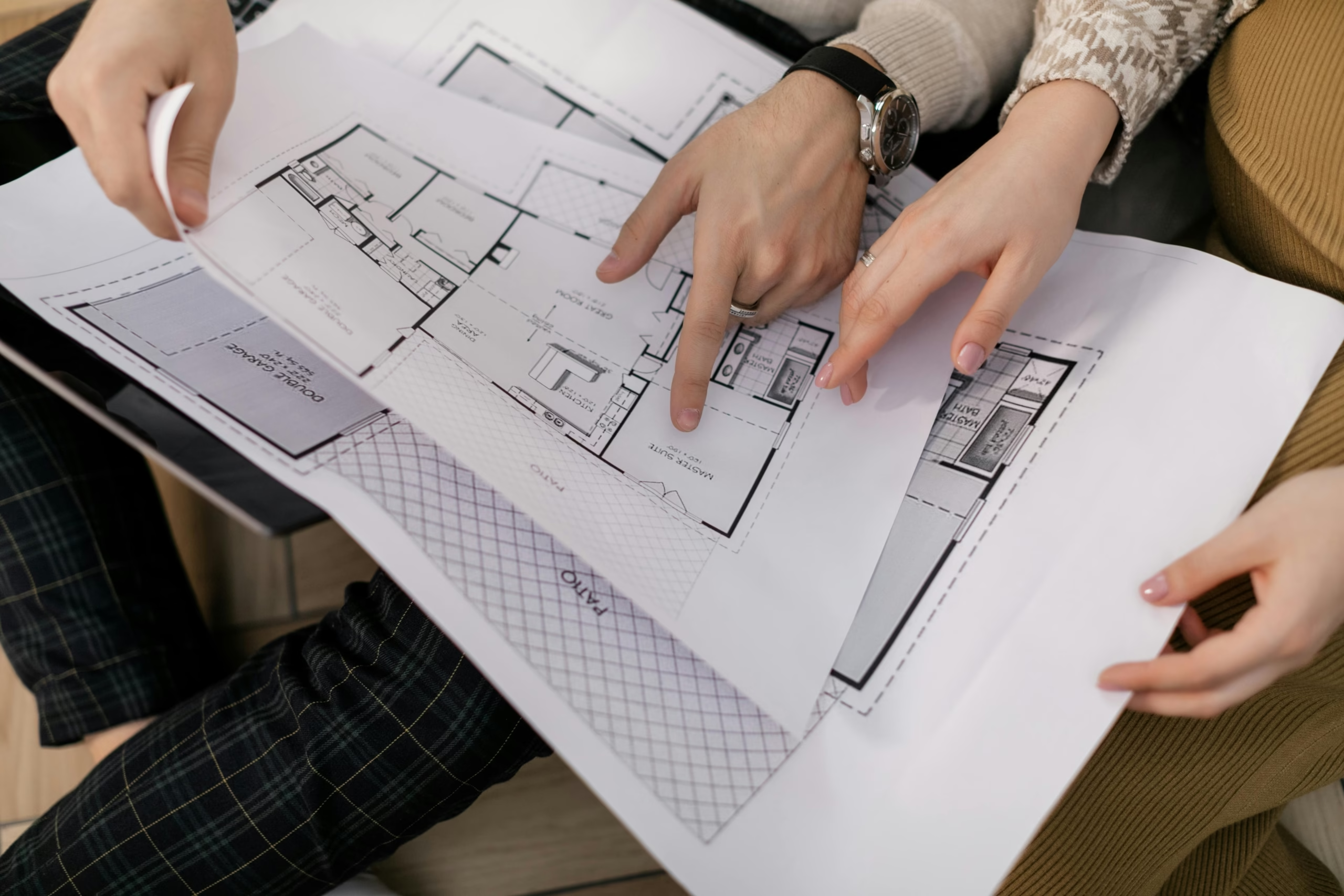
At Stearns Design Build, we don’t do high-pressure sales or surprise change orders. It starts with a free consult where we listen to what you want. From there, we move into the Design phase that locks in design, selections, schedule, and exact pricing. You’ll start the Build phase with a fixed-price contract. If the plan calls for plywood cabinets, absolute waterproofing, and valves that last, that’s exactly what shows up.
Being local to the Brazos Valley is a huge advantage. We use suppliers we’ve worked with for years, so lead times stay short and installs run smoothly.
Ready to stop settling for “good enough”? Book a consultation to see the difference for yourself. We’ll walk through your house with a lifetime-cost mindset, show you the real differences between builder-grade and built-to-last, and make a plan that fits your budget and your lifestyle.