Why Natural Light Matters in Home Design
Natural light in home design refers to the intentional use of sunlight to shape how a home feels and functions. In residential spaces, natural light influences mood, comfort, and daily rhythms. When incorporated thoughtfully, it supports well-being and helps a home feel calm, welcoming, and restorative.

What Natural Light Means in Residential Design
Natural light is more than brightness. In homes, it is the way sunlight enters, moves through, and changes a space throughout the day. It affects how rooms are experienced from morning to evening, how materials appear, and how connected a home feels to the outdoors.
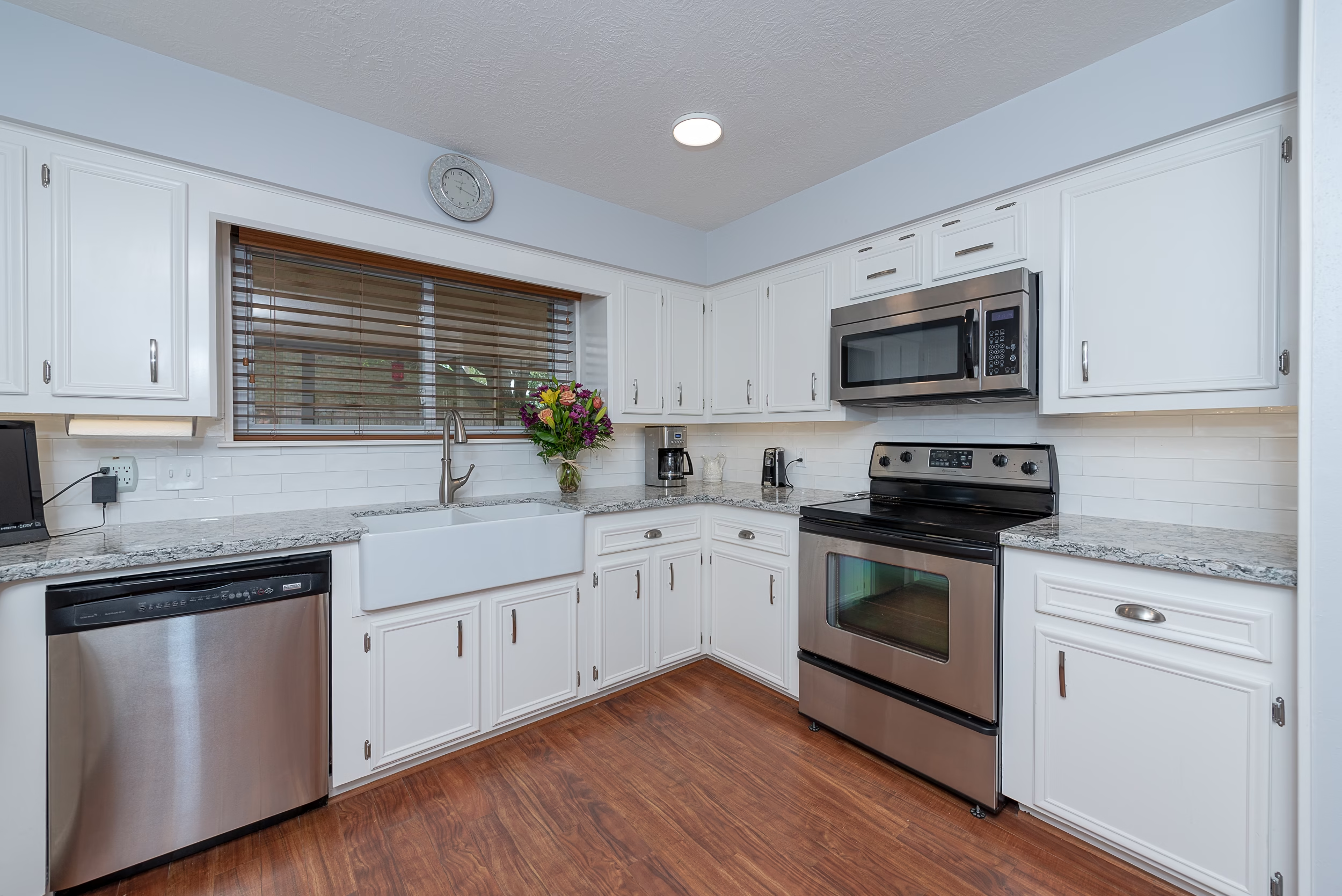
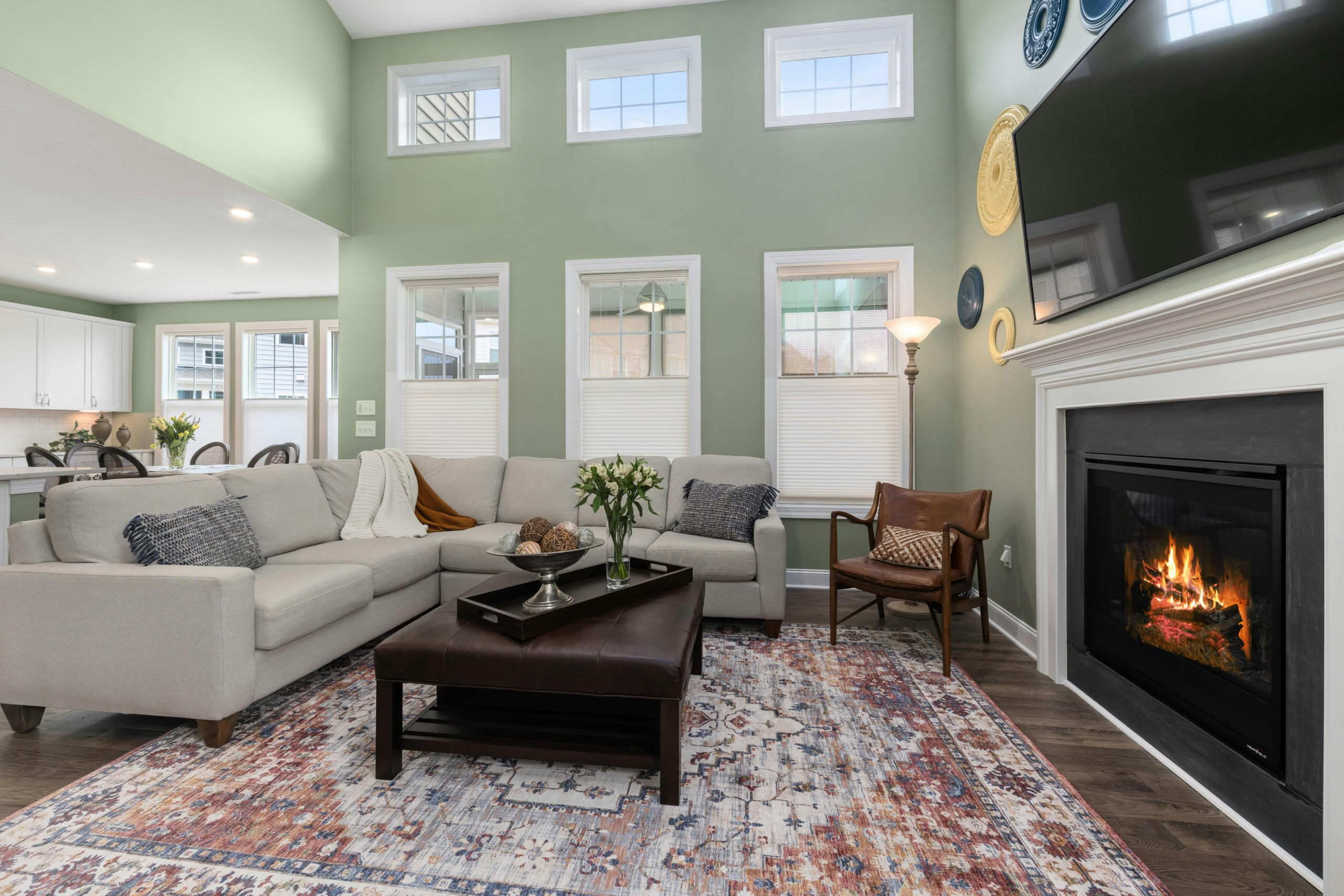
Residential design considers natural light in relation to window placement, room orientation, interior openness, and surface finishes. These decisions influence whether light reaches deep into a home or remains limited to the perimeter. Even modest changes in how light enters a space can shift a room from feeling enclosed to feeling open and balanced.
Unlike artificial lighting, natural light varies in tone, intensity, and direction. That variation gives spaces a sense of life and movement. It is one of the most subtle yet powerful elements of home design.
Why Natural Light Matters to the Way You Live
Natural light directly affects how people feel in their homes. Exposure to daylight has been shown to support mood, focus, and overall emotional well-being. Homes with access to daylight often feel more comfortable and less stressful, even when the layout or size remains unchanged.
Morning light can help set the tone for the day. Softer light in the evening can make spaces feel calm and restful. Over time, these daily experiences shape how a home supports routines, energy levels, and moments of rest.
Natural light also contributes to how welcoming a home feels. Spaces that are bright without being harsh tend to feel more inviting. When light is able to move through a home, it can create a sense of ease that is difficult to achieve through finishes or furnishings alone.

Common Misunderstandings About Natural Light
One common misconception is that increasing natural light always means adding more windows. While windows play an important role, light quality and placement often matter more than quantity.
Another misunderstanding is that more sunlight automatically leads to overheating or glare. Thoughtful design can balance light with comfort by considering orientation, shading, and window placement.
Some homeowners also assume that natural light only benefits living rooms or kitchens. In reality, bedrooms, hallways, and even interior spaces can benefit when light is allowed to travel through a home.
How Natural Light Shows Up in Real Homes
Natural light influences many everyday design decisions. East-facing windows can bring in gentle morning light that feels energizing without being overwhelming. West-facing windows, when shaded or placed under eaves, can capture evening light while limiting excess heat.
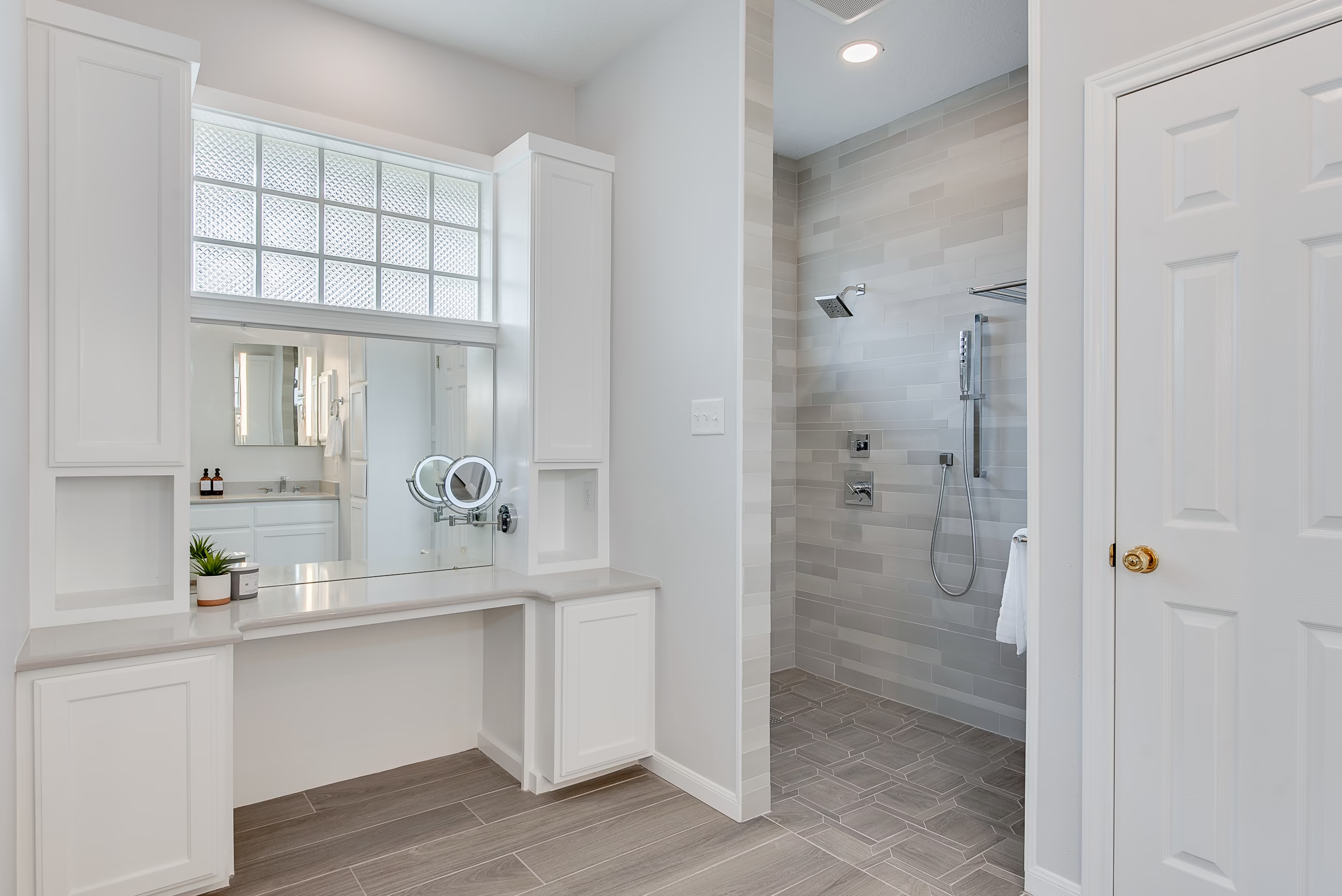
Interior choices also play a role. Lighter wall colors, natural wood tones, and reflective surfaces help distribute light into darker areas. Mirrors placed across from windows can extend the reach of daylight further into a room.
Layout matters as well. Large furniture placed in front of windows can block light from entering a space. Lower-profile furnishings or thoughtful furniture placement can keep pathways clear so light can move freely.
In remodeled homes, glass doors or doors with translucent panels can allow light to pass between rooms while still offering privacy when needed. Interior windows or translucent panels can also brighten central areas of a home that might otherwise rely entirely on artificial lighting.
Natural Light and Sleep Quality
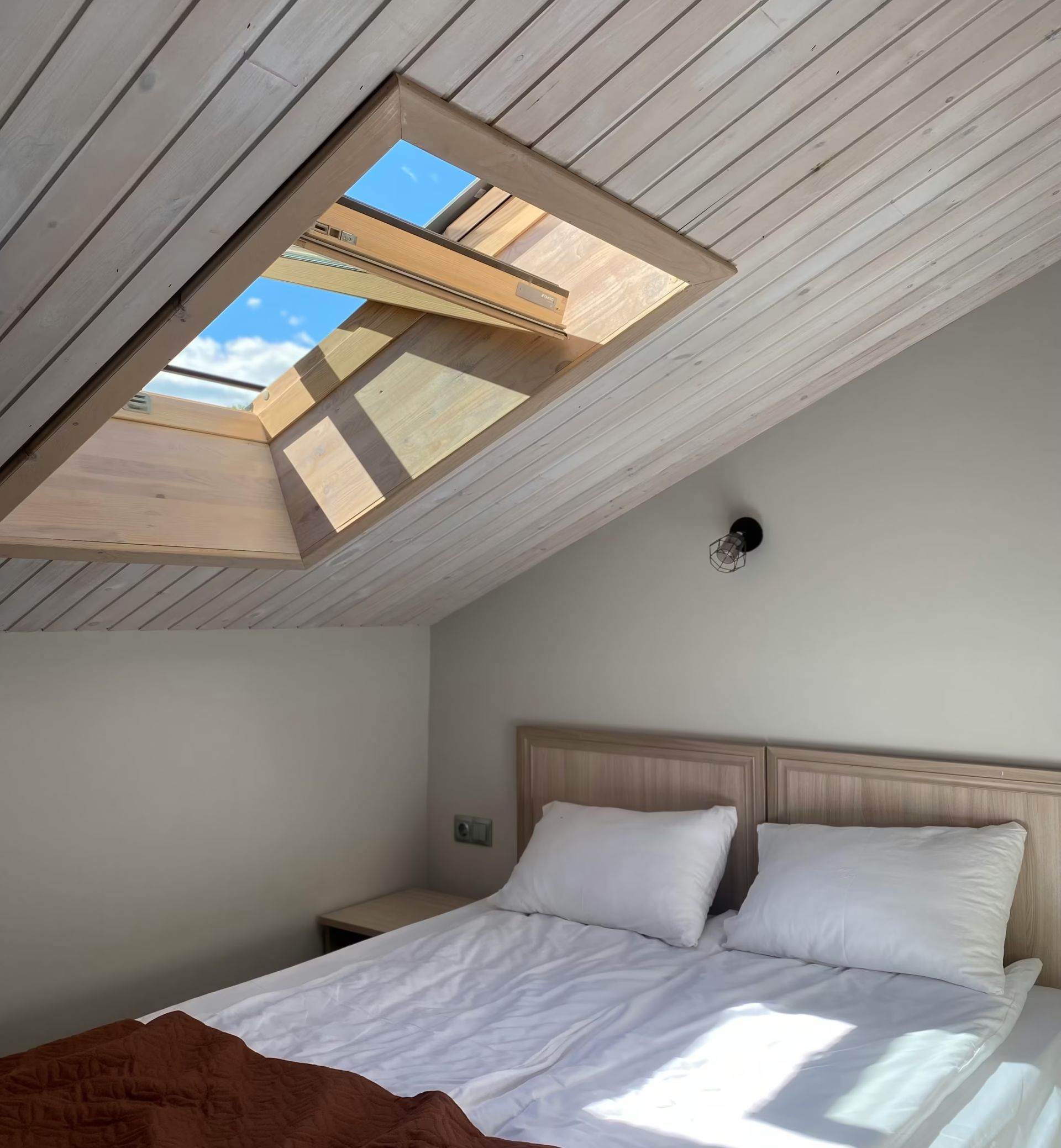
Natural light exposure plays an important role in regulating sleep. Morning sunlight, especially light entering from the east, helps align the body’s circadian rhythm. This internal clock influences sleep cycles, alertness, and overall energy levels.
Homes that allow for consistent exposure to daylight can support healthier sleep patterns over time. When sleep improves, daily life often feels more manageable and balanced. A well-rested home environment supports both physical comfort and emotional well-being.
How Stearns Design Build Approaches Natural Light in Home Design
At Stearns Design Build, natural light is considered as part of the overall experience of a home. The goal is not simply to make spaces brighter, but to understand how light supports the way homeowners live.
Design decisions take into account how sunlight enters the home throughout the day, how it interacts with interior spaces, and how it contributes to comfort and calm. This approach looks beyond surface-level aesthetics and focuses on long-term livability.
Natural light is treated as a foundational element that works alongside layout, materials, and flow. When integrated intentionally, it helps create homes that feel grounded, peaceful, and supportive of everyday life.

Frequently Asked Questions
How does natural light affect how a home feels?
Natural light influences mood, comfort, and how welcoming a space feels. Homes with access to daylight often feel calmer and more open.
Can small changes really improve natural light in a home?
Yes. Adjusting window treatments, furniture placement, or surface finishes can allow light to travel more effectively through a space.
Is natural light only important in main living areas?
No. Bedrooms, hallways, and interior spaces can all benefit from thoughtful light distribution.
Does more natural light always mean more heat?
Not necessarily. Orientation, shading, and placement can help balance light with comfort.
Why is natural light considered part of good home design?
Because it supports well-being, daily routines, and emotional comfort in ways artificial lighting cannot fully replicate.