What Is Building Science in Homes and Why It Matters for the Way You Live
Building science in homes is the study of how a house functions as a complete system. In residential design and home remodeling, it affects comfort, durability, energy performance, and indoor air quality. When applied intentionally, building science helps create homes that feel consistent, healthy, and aligned with the way people actually live.
What Building Science Means in Residential Design
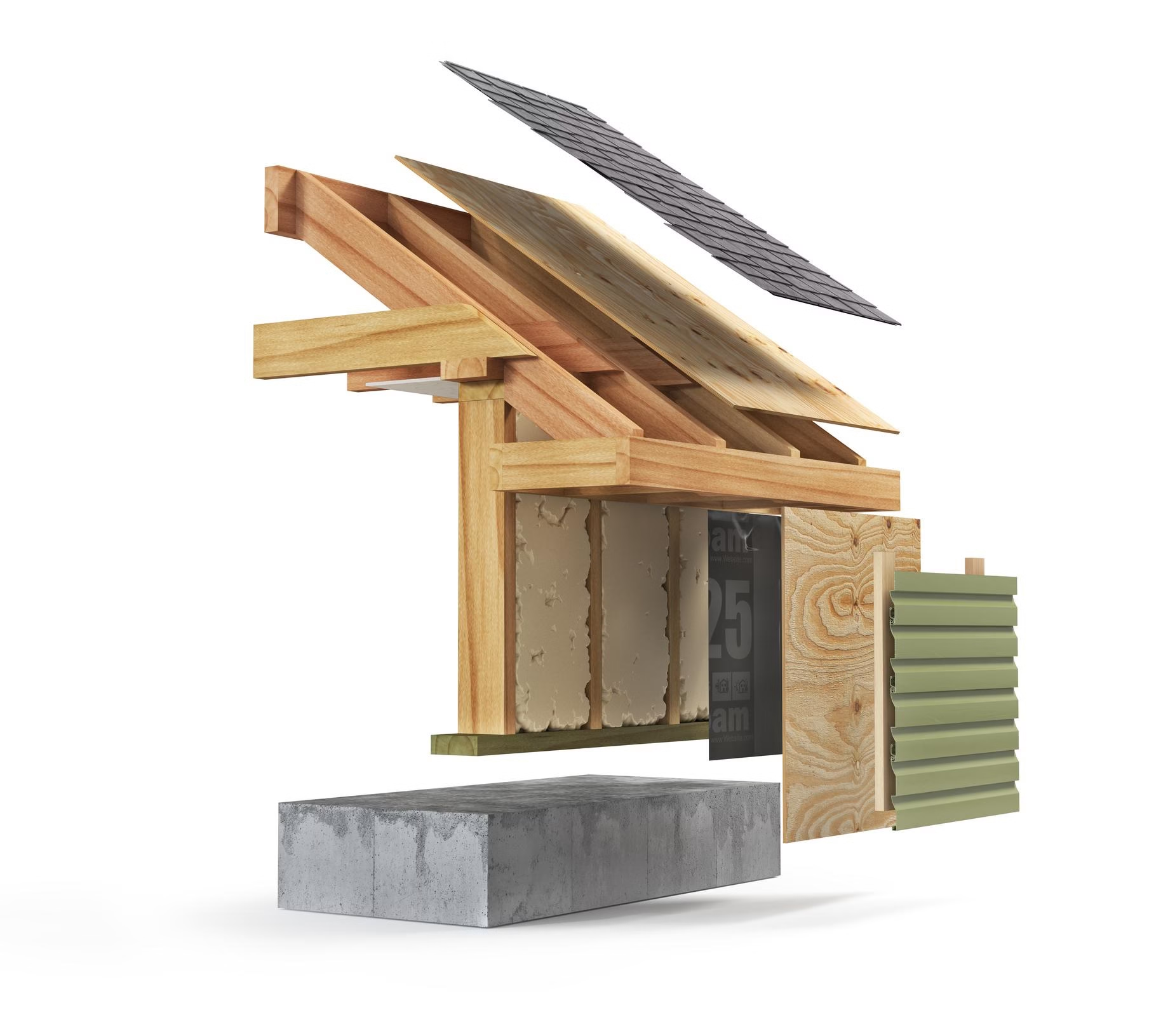
Building science looks at a home as a connected system rather than a collection of isolated parts. Walls, windows, insulation, HVAC systems, air sealing, and even the people living inside the home all interact with one another. The U.S. Department of Energy describes this as a whole-house systems approach, where each part of the home affects the performance of the others.
In residential design, this means decisions are not made independently. Changing one element of a house affects the others. A larger window may bring in more daylight and improve mood, but it also changes heat gain, airflow, and comfort near that wall. Insulation improves efficiency, but without proper ventilation it can trap humidity and impact indoor air quality.
Building science exists to understand these relationships so homes perform predictably over time. Instead of reacting to problems after they appear, thoughtful residential design anticipates how systems will behave together and plans accordingly.
Why Building Science Matters to the Way You Live
For most homeowners, building science is not something they think about directly. They experience it through how their home feels day to day.
When building science is considered early in residential design or home remodeling, comfort becomes more consistent throughout the house. Temperatures stay more even from room to room, drafts are less noticeable, and spaces feel calmer during seasonal changes. These shifts are often subtle, but they shape routines in ways people quickly come to rely on.
Indoor air quality improves in ways that are harder to see but easier to feel. Balanced ventilation and better moisture control help stabilize humidity levels, reduce allergens, and create a more comfortable environment over time. Many homeowners simply notice that their home feels easier to live in.
Energy performance also becomes more predictable. When systems work together rather than competing with one another, heating and cooling cycles stabilize and utility costs become less erratic throughout the year.
Over time, durability becomes one of the most meaningful outcomes. Moisture stays where it belongs, materials age more gracefully, and maintenance feels less reactive. The result is not just efficiency or longevity, but a home that quietly supports daily life without constant adjustment.
Most homeowners would not describe these changes as building science. They simply describe the house as feeling right.
Common Misunderstandings About Building Science
Building science is only about energy efficiency.
Efficiency is one part of the equation, but building science also addresses comfort, moisture management, durability, and health.
It only applies to new construction.
Home remodeling projects benefit just as much from building science principles, especially when layouts, insulation layers, or mechanical systems are being updated.
It is too technical for homeowners to understand.
The technical language can feel complex, but the outcomes are simple. Stable comfort, better air, and fewer long-term issues.
It removes design flexibility.
Strong residential design integrates building science so creative ideas perform well over time.
How Building Science Shows Up in Real Homes
Building science often shows up in ways homeowners notice without always realizing why. It appears through small, connected decisions that shape how a home feels across seasons, routines, and stages of life.
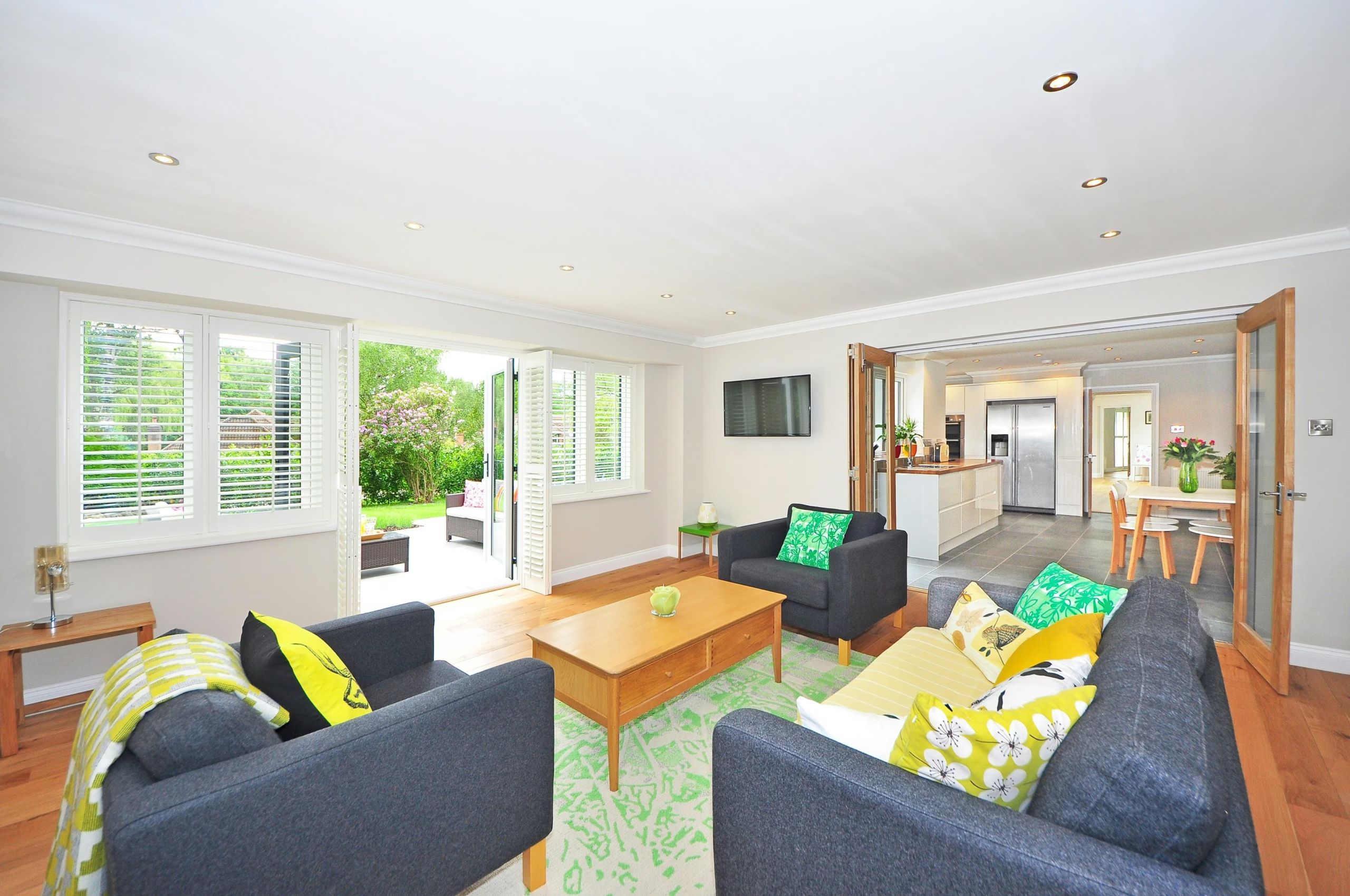
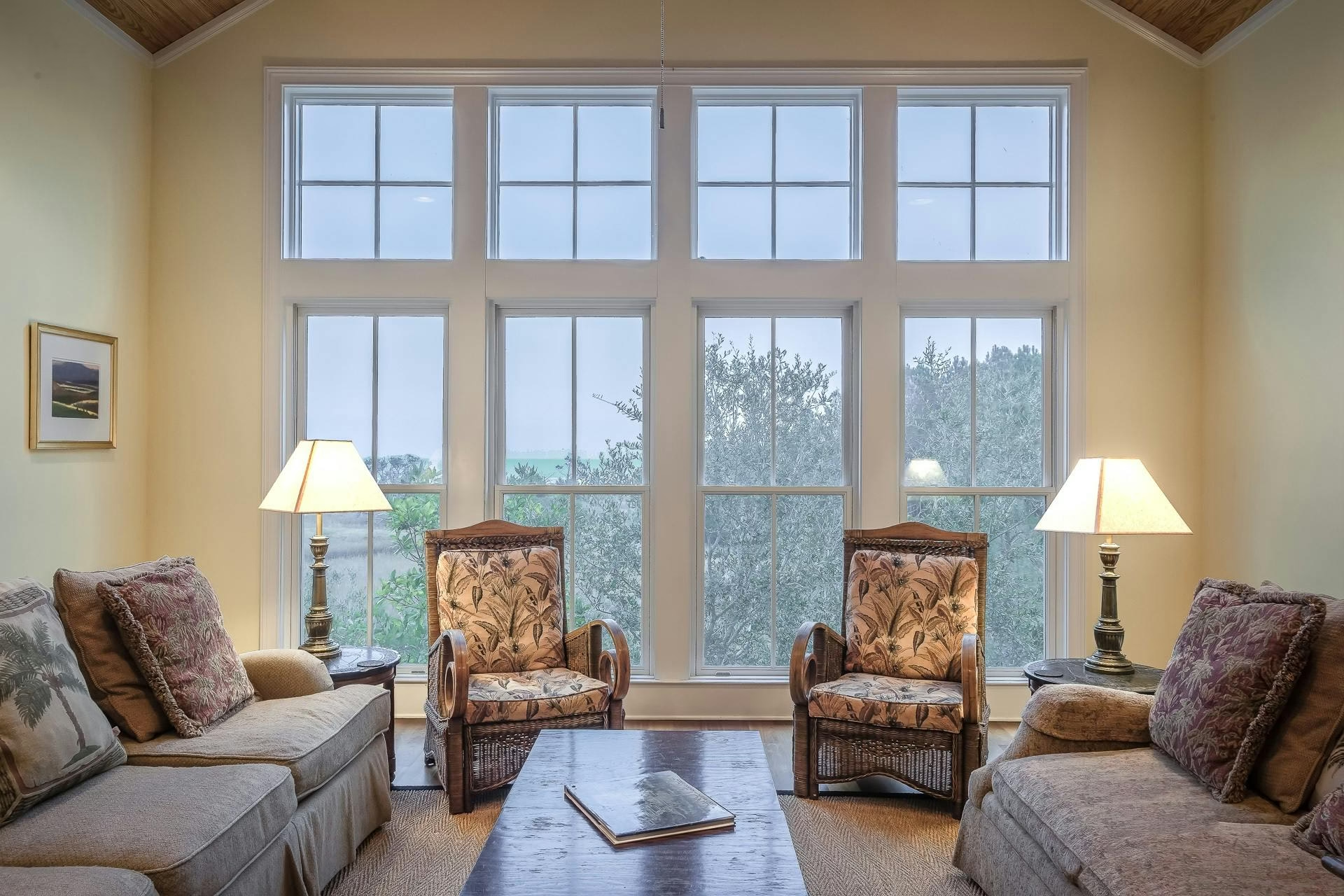
In residential design and home remodeling, window placement is rarely just about views or daylight. Orientation, glazing performance, and air sealing details all work together to manage heat gain, reduce glare, and maintain comfort near exterior walls. The goal is not only natural light, but light that feels balanced throughout the day.
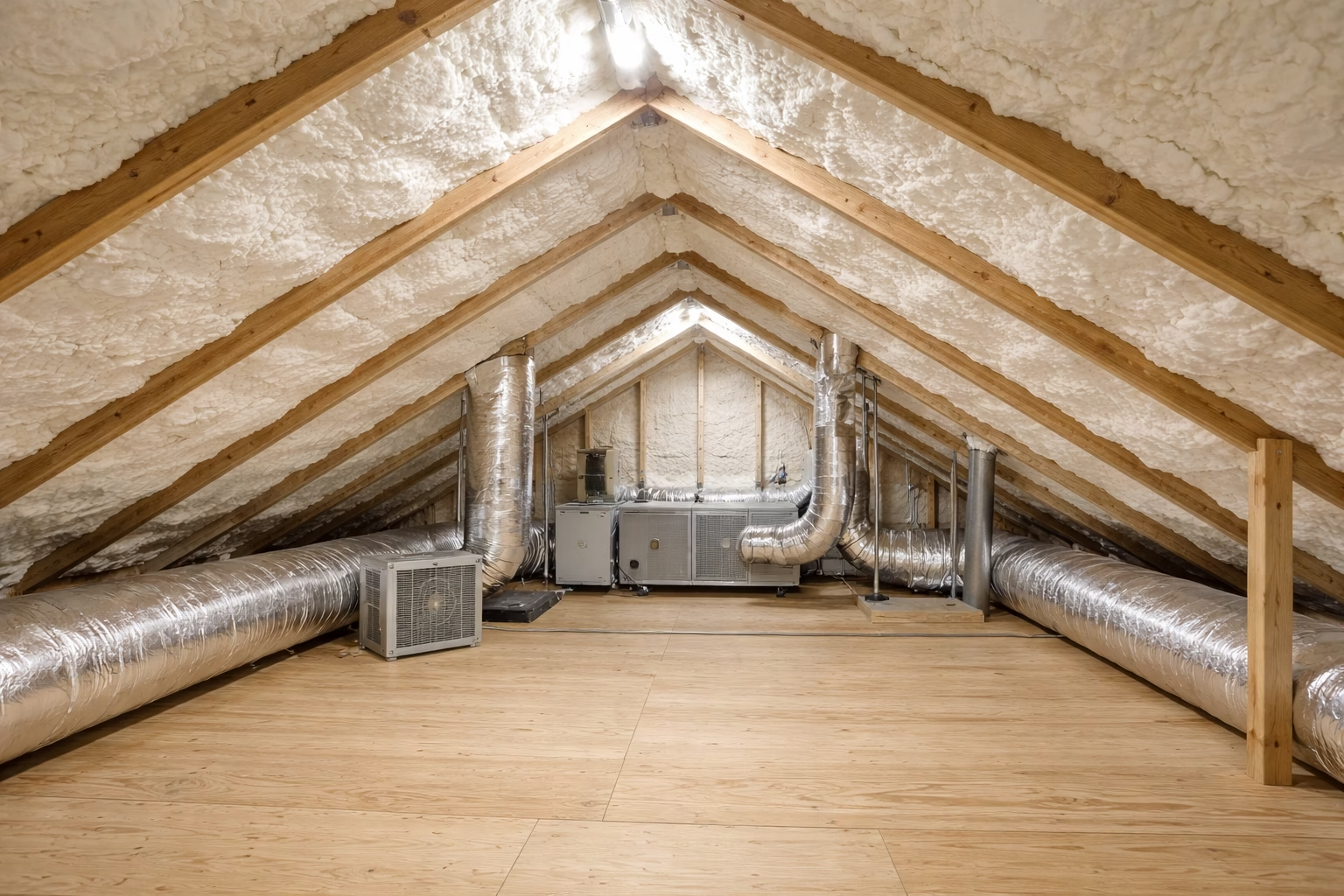
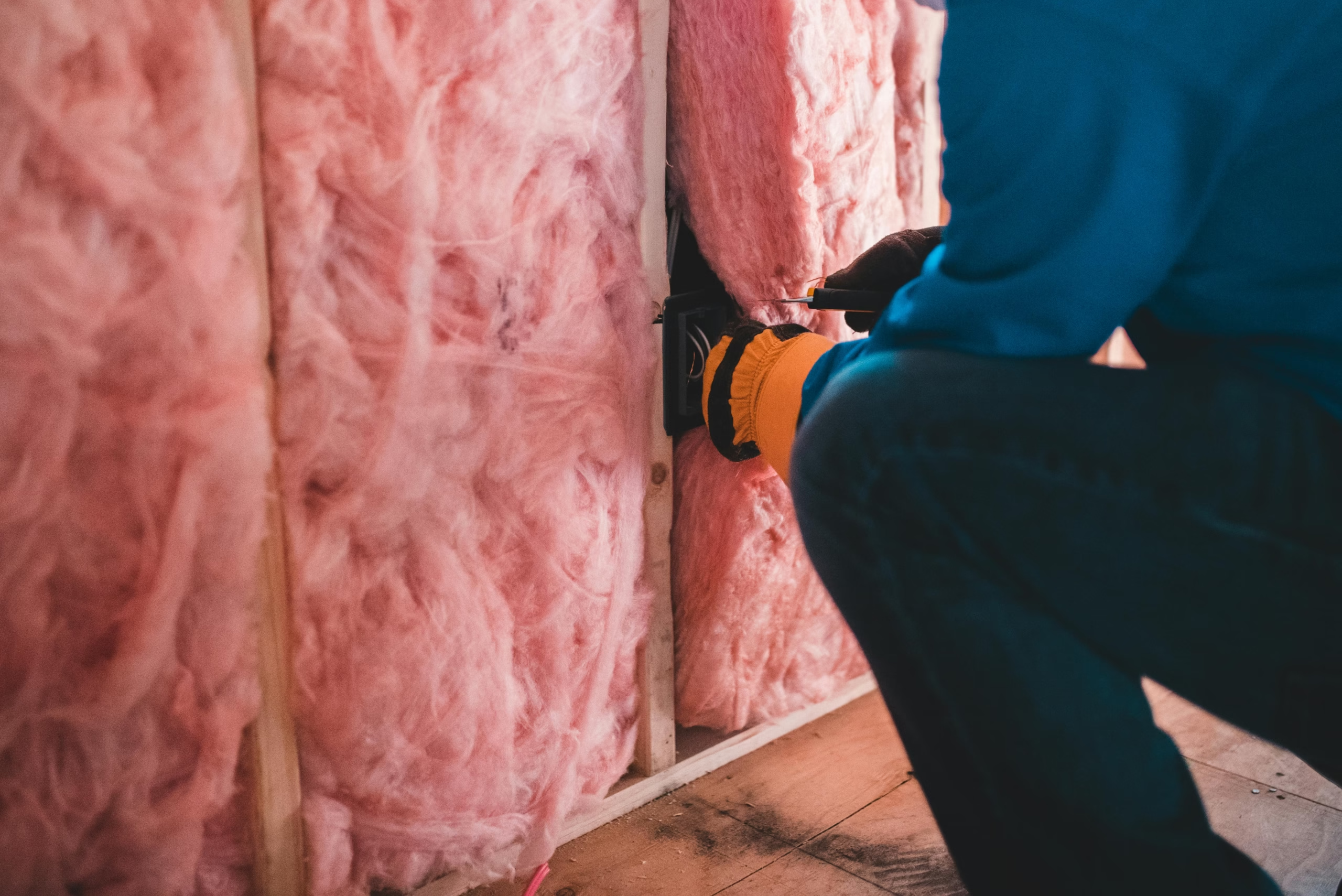
Insulation and air sealing work in a similar way. When installed with continuity across walls, ceilings, and floors, they help conditioned air stay where it belongs and prevent uncontrolled humidity from entering the home. Homeowners may not see these layers after construction, but they notice the difference in how stable their home feels.
Mechanical systems are another example. When heating and cooling equipment is sized and planned based on the actual performance of the home rather than square footage assumptions, temperatures stay more consistent and systems run more quietly and efficiently over time.
These details rarely stand out on their own. Instead, they work together to create a home that feels predictable, comfortable, and easier to live in. Building science is not always visible, but it is often felt.
How Stearns Design Build Approaches Building Science
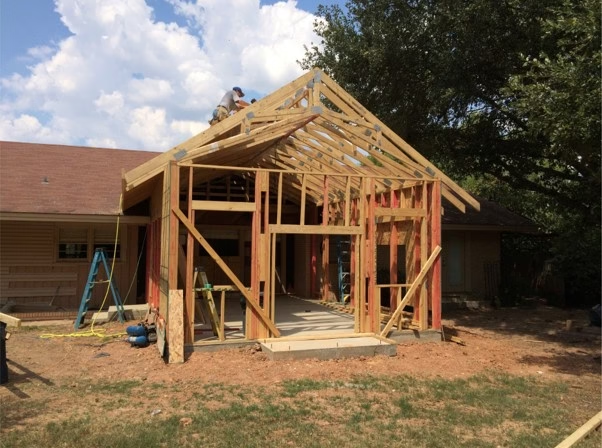
At Stearns Design Build, building science is not treated as a checklist or a specialty service. It is part of how we approach both residential design and home remodeling from the beginning.
We approach each project as a system. That means design, materials, and mechanical planning are considered together rather than separately. Our goal is to translate homeowner priorities into solutions that perform reliably over time.
We also slow decisions down early so they do not create complications later. When building science principles are addressed during planning, homeowners avoid many of the surprises that can occur during construction or after move-in.
The result is not just efficiency or durability. It is a home that supports real routines, reduces stress, and feels consistently comfortable throughout the year.

Frequently Asked Questions
What is the main goal of building science in homes?
The primary goal is to help homes function reliably as complete systems. This includes comfort, indoor air quality, durability, and energy performance working together rather than competing with one another.
Does building science make a noticeable difference in daily life?
Yes. Homeowners often notice fewer drafts, more consistent temperatures, and better air quality. These changes are subtle but meaningful over time.
Is building science only important in certain climates?
Every climate presents different challenges. In the Bryan–College Station area, heat and humidity make moisture management and air control especially important.
Can building science principles be applied during remodeling?
Absolutely. Home remodeling often creates opportunities to improve insulation continuity, ventilation strategies, and air sealing performance.