What Are Transitions in Home Design and Why They Matter
Transitions in home design describe how people move between spaces, nature, and daily life within a home. In residential design, these transitions influence how connected, present, and restored occupants feel. When considered intentionally, transitions shape a home into a place that supports well-being, comfort, and long-term fulfillment.
What This Concept Means in Residential Design
In residential design, transitions refer to the physical and sensory movement between spaces. This includes how a home connects interior rooms to exterior environments, as well as how spaces relate to each other and to the surrounding community.
Rather than viewing rooms as isolated zones, transitions focus on permeability and flow. They consider how light enters a space, how views are framed, and how a home responds to its natural setting. These connections influence how a home is experienced, not just how it looks on paper.
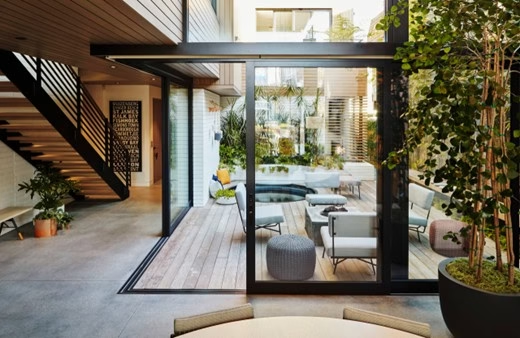
Why This Matters to the Way You Live
Research has shown that a connection to nature affects how people feel and recover. In 1984, Roger Ulrich, a retired professor from Texas A&M, reviewed medical records of patients recovering from gallbladder surgery. Half of the patients had views of nature, while the others did not.
Patients with views of nature recovered more quickly, required less pain medication, and experienced fewer post-surgical complications. Since that study, both medical and business fields have paid closer attention to the relationship between human well-being and exposure to natural environments.
The benefits of time spent connected to nature include reduced stress, lower blood pressure, and improved emotional well-being. When homes acknowledge natural rhythms such as sunlight, views, and seasonal changes, they can support a sense of calm and presence throughout daily life.
Because homes are where people spend most of their time, these connections matter. A home that maintains a relationship with nature can become a place of refuge and restoration, not simply a structure that contains daily routines.

Common Misunderstandings About This Concept
Transitions are often misunderstood as decorative elements rather than experiential ones.
They are not limited to porches or large windows alone.
They are not secondary to floor plans or square footage.
Transitions are not about adding features but about shaping relationships between spaces, light, and nature.
How This Shows Up in Real Homes
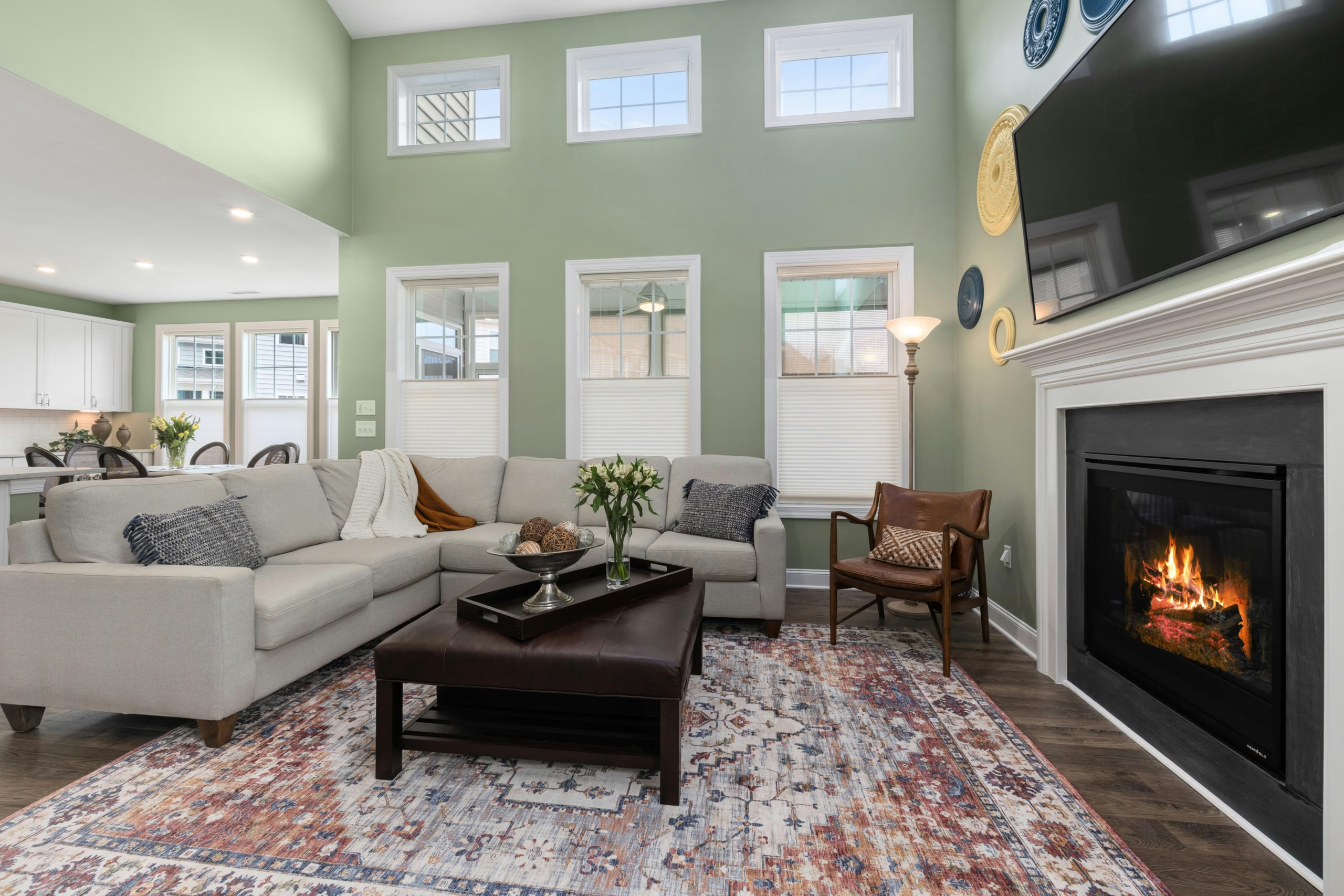
Transitions appear through decisions that guide how a home is oriented and experienced. This includes considering what windows face, how views are framed, and how sunlight moves through the home throughout the day.
They also show up in how spaces invite movement and connection, such as blurring the boundary between interior rooms and outdoor areas or creating moments where nature is visible, audible, or felt. These decisions influence how people move, pause, and engage with their surroundings within the home.


How Stearns Design Build Approaches This Concept
At Stearns Design Build, transitions are considered early in the design process, alongside traditional planning elements. Rather than starting only with floor plans, the design journey includes asking questions about orientation, views, sunlight, and airflow.
This approach creates space to explore how a home relates to its environment and how those relationships support daily life. By focusing on transitions, the design process seeks to create homes that feel connected, intentional, and responsive to both their occupants and their surroundings.

Frequently Asked Questions
What does “Transitions” mean in home design?
Transitions refer to how a home connects interior spaces with nature, light, and surrounding environments. They shape how a home is experienced rather than just how it is arranged.
Why are transitions important in residential homes?
Transitions influence comfort, emotional well-being, and how restorative a home feels. Thoughtful transitions help create a sense of connection and presence within daily life.
Are transitions only about outdoor spaces?
No. While they often involve nature, transitions also include how interior spaces relate to one another and how movement through a home feels.
Do transitions affect happiness in a home?
Homes that maintain a relationship with natural light, views, and outdoor environments can support emotional health and a sense of fulfillment over time.
Can transitions be applied to existing homes?
Yes. Whether designing a new home or modifying an existing one, considering transitions can influence how a home feels and functions.