What Is the Cost of Owning a Home and Why Does It Matter More Than Price Per Square Foot
The cost of owning a home includes far more than the purchase price. It reflects utilities, maintenance, durability, efficiency, and how well a home supports your life over time. When design and construction decisions are made intentionally, the long-term cost of ownership often becomes more stable and predictable.
What This Concept Means in Residential Design
When most people compare homes, they look at price per square foot. It feels simple and measurable. But it leaves out what truly determines the cost of owning a home.
Two houses may cost the same per square foot and perform very differently over time.
Residential design influences:
-
Energy use
-
Maintenance frequency
-
System longevity
-
Cleaning demands
-
Accessibility over time
-
Adaptability as life changes
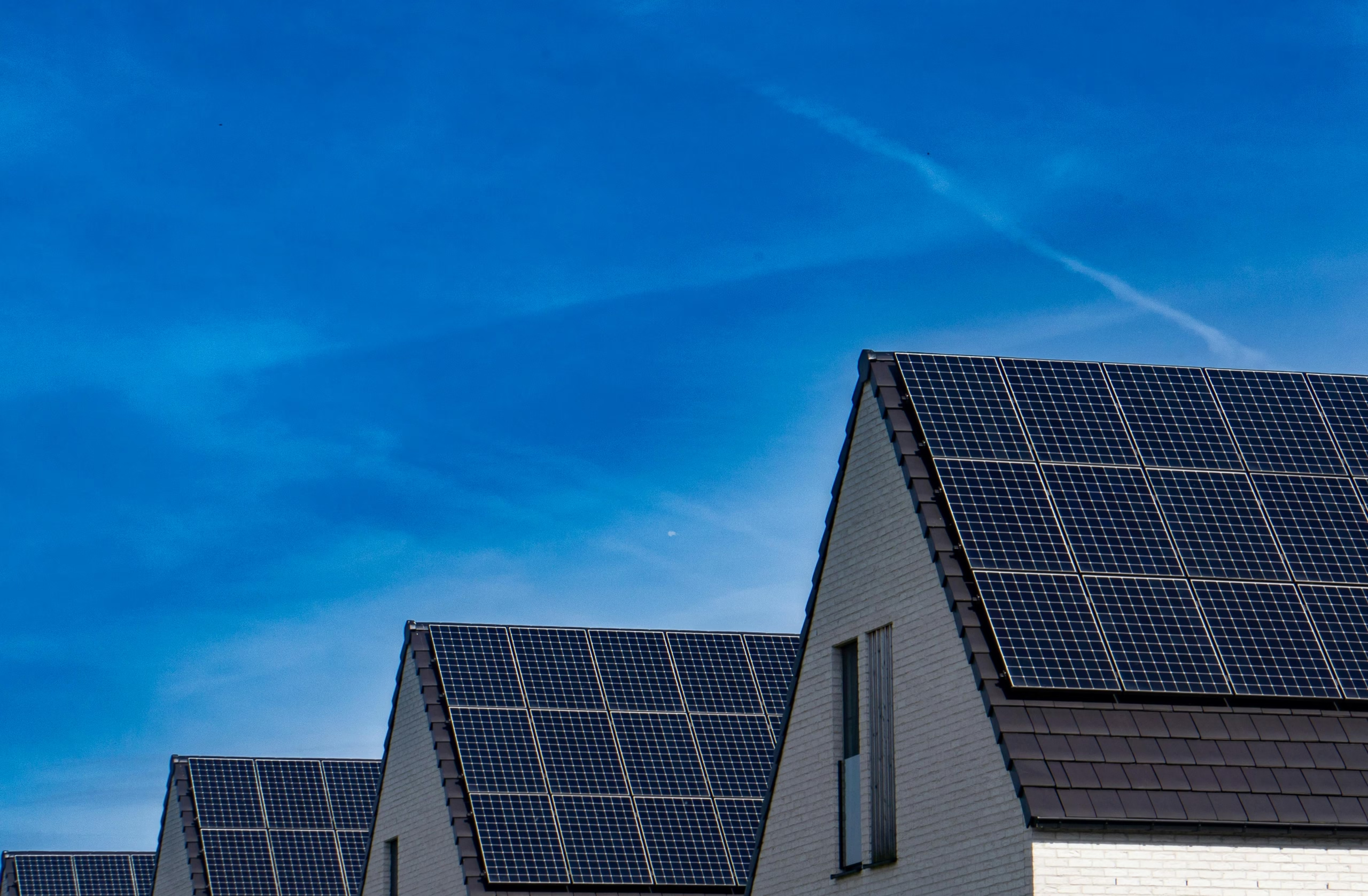
For example, the U.S. Department of Energy estimates that typical homes can lose significant heating and cooling through leaky duct systems and poorly sealed envelopes. Over time, that inefficiency directly affects monthly operating costs and long-term equipment wear. You can explore more about energy performance through resources like the U.S. Department of Energy, which explains how building performance affects utility expenses.
The cost of owning a home also includes material durability. Finishes selected only to meet a short-term budget often require earlier replacement. Mechanical systems sized incorrectly for a home’s layout may wear out faster. Orientation that ignores sun exposure can increase cooling loads in Texas summers.
These decisions do not always show up in the purchase price, but they appear later in ownership.
Design is about long-term performance just as much as it is about appearance.
Why This Matters to the Way You Live
The cost of owning a home is not just financial. It shapes daily experience.
A well-performing home tends to feel more stable. Temperatures are consistent. Systems operate quietly. Repairs are less frequent. Maintenance feels manageable.
When a home is oversized, poorly oriented, or filled with short-lived materials, ownership can feel heavier. More space requires more cleaning. More surface area means more painting. Larger mechanical systems mean higher energy demand and higher replacement costs.
As homes have grown larger over the past several decades, so have the long-term responsibilities tied to them. A bigger home may reduce the price per square foot at purchase, but it can increase the lifetime cost of heating, cooling, repairing, and maintaining that space.
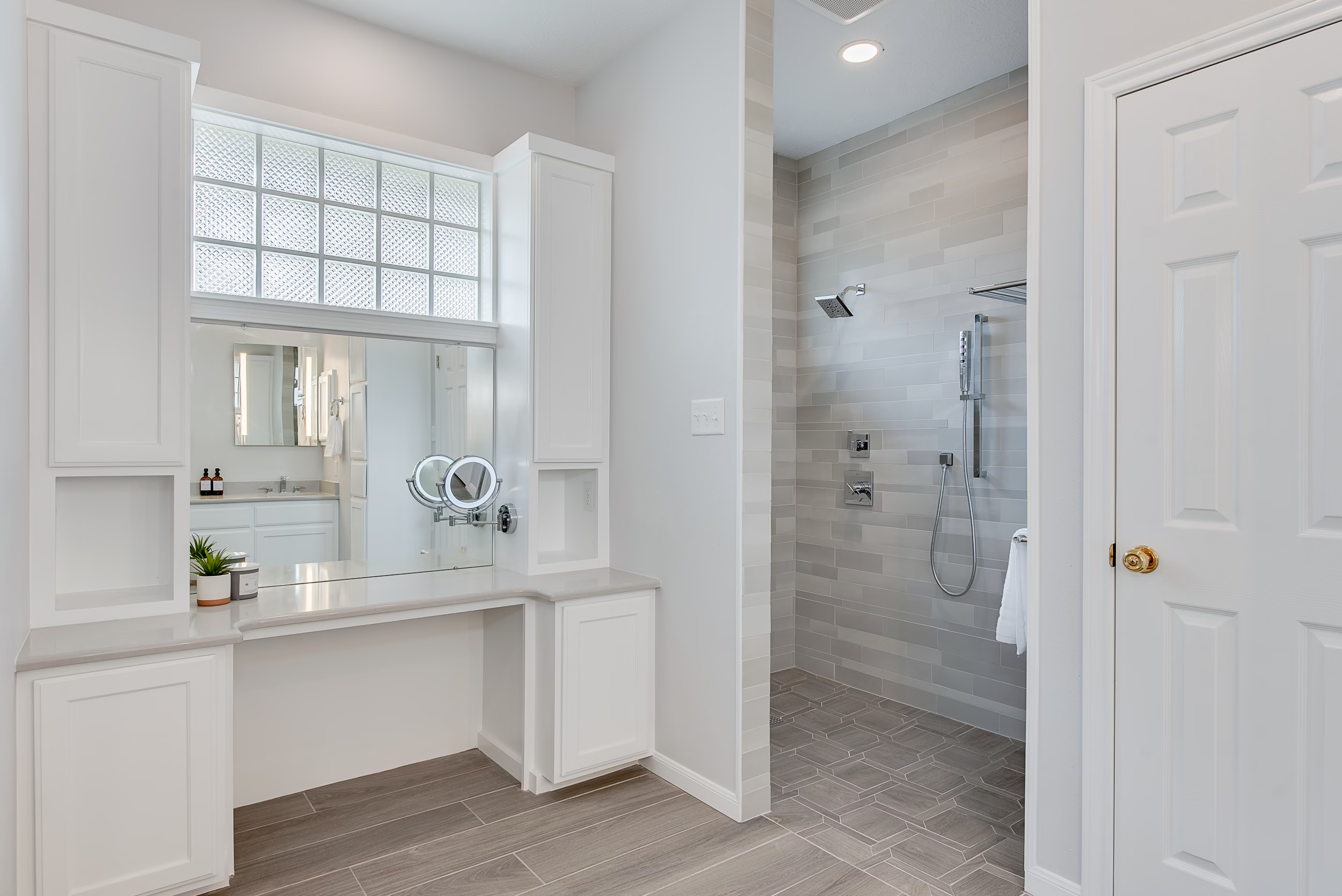
The cost of owning a home also becomes especially important as families plan for aging in place. Multi-story layouts without accessible primary suites, narrow doorways, or high-maintenance exterior materials can shorten the number of years someone comfortably remains in their home. When a house supports changing mobility needs, the financial and emotional costs of relocation are often reduced.
In this way, thoughtful design protects both independence and stability.

Common Misunderstandings About the Cost of Owning a Home
“Lower price per square foot means better value.”
Price per square foot only reflects purchase price divided by size. It does not measure performance, maintenance, or longevity.
“Bigger homes are always better investments.”
Larger homes often require more utilities, more maintenance, and more upkeep. Size alone does not determine long-term value.
“Builder-grade materials are good enough.”
Some materials are designed to meet minimum standards but may not be selected for durability. Over time, replacement cycles affect the true cost of owning a home.
“Energy efficiency only matters for environmentally focused homes.”
Energy efficiency directly impacts monthly utility costs and mechanical system lifespan. It affects comfort and operating stability regardless of environmental goals.
How This Shows Up in Real Homes
The cost of owning a home becomes visible in design decisions that may seem small at first.
Orientation affects sun exposure. In Bryan–College Station, western-facing glass without shading can significantly increase cooling demand in summer months.
Duct layout and sealing influence heating and cooling efficiency. Poorly designed systems can waste conditioned air before it ever reaches the room.
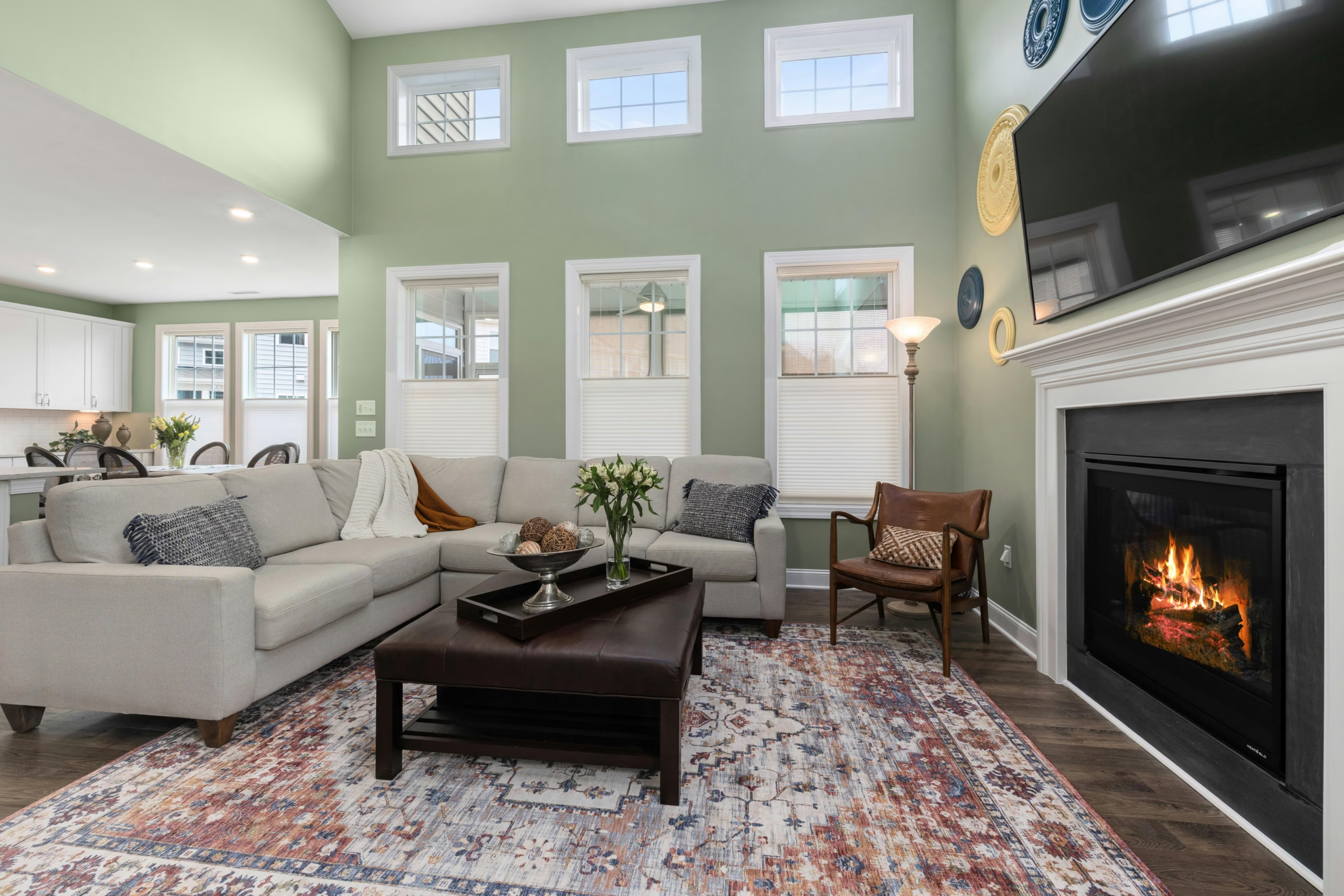
Right-sized layouts reduce unnecessary square footage while improving functionality. Thoughtful storage reduces clutter and the need for future expansions.
Durable exterior materials can extend repainting cycles. Efficient insulation strategies can stabilize indoor temperatures. Flexible floor plans allow rooms to adapt as children grow or as work-from-home needs shift.
Each of these decisions shapes the long-term cost of owning a home.
A home is not a static product. It is a system of thousands of interconnected components. When those systems are designed intentionally, ownership tends to feel steadier and more predictable.

How Stearns Design Build Approaches the Cost of Owning a Home
At Stearns Design Build, conversations about design go beyond appearance and immediate budget.
We discuss how materials age.
We review how layouts affect future flexibility.
We evaluate how mechanical systems perform within the overall design.
We consider maintenance cycles alongside aesthetic decisions.
Our goal is not to create the largest home or the lowest price per square foot. Our role is to guide homeowners through decisions that support long-term stability.
When remodeling an existing home, this often includes:
-
Evaluating insulation and air sealing opportunities
-
Reviewing duct placement and efficiency
-
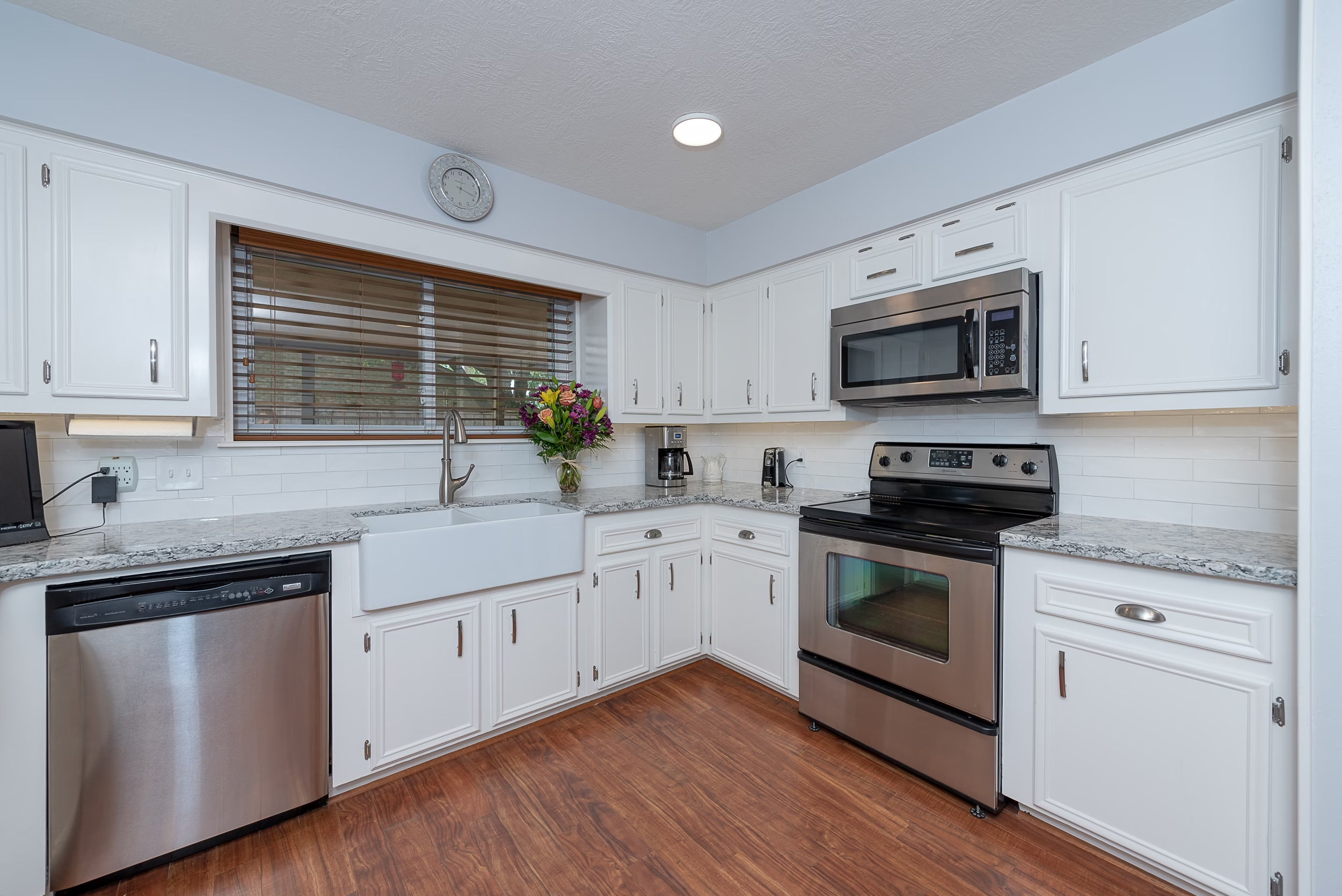
Selecting materials based on durability, not just cost
-
Considering aging-in-place features when appropriate
The cost of owning a home is shaped by thousands of small decisions. When those decisions are aligned with long-term performance, ownership becomes more sustainable and less reactive.
We believe thoughtful design reduces surprises over time.

Frequently Asked Questions
Is price per square foot a good way to compare homes?
It can provide a quick reference point, but it does not measure energy efficiency, maintenance requirements, or durability. Two homes with identical price per square foot can have very different long-term costs.
How can I estimate the cost of owning a home before buying?
Reviewing past utility bills, asking about system age, and understanding maintenance history provide helpful insight. Evaluating layout efficiency and material durability also gives clues about future expenses.
Do larger homes always cost more to maintain?
In many cases, yes. More square footage often means higher utility demand and more surfaces to maintain. However, thoughtful design can reduce inefficiencies even in larger homes.
How does design affect long-term home costs?
Design influences orientation, insulation strategy, system sizing, and material selection. These elements directly affect energy use, maintenance cycles, and how long systems last.
Why is aging in place connected to the cost of owning a home?
When a home supports changing mobility needs, it can extend the number of years someone remains comfortably in that home. Avoiding premature relocation often reduces long-term financial and emotional costs.