Smart Choices for Bathroom Flooring
Bathroom flooring must perform in one of the most moisture-heavy environments in a home. The right bathroom flooring balances durability, moisture resistance, slip safety, and long-term maintenance. When bathroom floor installation is planned correctly, the floor protects the structure beneath it and supports a bathroom that performs reliably for many years.
Why Bathroom Flooring Is Critical
Bathrooms expose flooring materials to conditions that other rooms rarely experience. Showers, sinks, tubs, and toilets introduce frequent water exposure, while hot showers increase humidity levels throughout the room.
Even when plumbing systems function perfectly, small amounts of water regularly reach the floor. Drips after a shower, splashes near the sink, and humidity in the air all affect the performance of bathroom flooring.
Because of this, bathroom flooring should be considered part of the bathroom’s moisture management system.
If the wrong flooring system is chosen, several problems may develop over time:
• moisture reaching the subfloor
• deterioration of flooring materials
• increased slip risk on wet surfaces
• long-term maintenance challenges
Choosing the right bathroom flooring helps prevent these issues and supports the durability of the entire remodel.
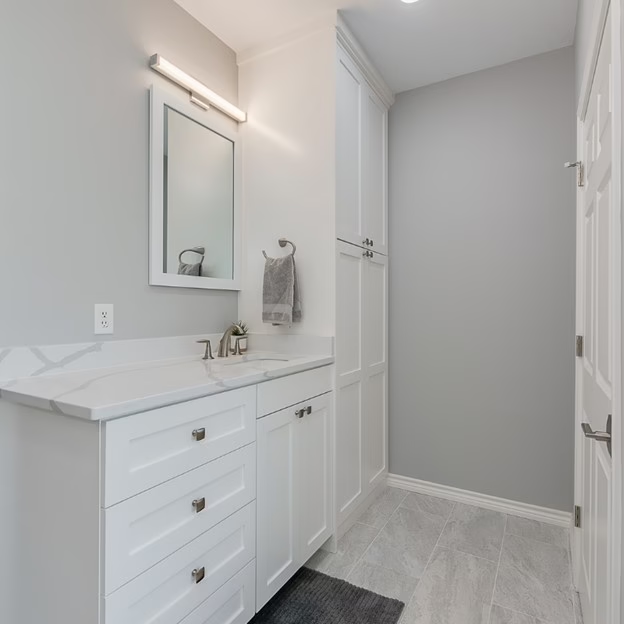
Common Mistakes Homeowners Encounter
Many bathroom flooring problems are not caused by the flooring itself. They occur when the environment of the bathroom is not fully considered during planning.
Understanding these common issues helps homeowners make more informed decisions when exploring bathroom flooring ideas.
Ignoring Moisture Behavior
Bathrooms experience both visible water and invisible humidity. Some materials absorb moisture more easily than others, which can eventually damage layers beneath the flooring.
Choosing Style Without Considering Safety
Many homeowners explore bathroom floors ideas based on appearance first. However, bathrooms require surfaces that also provide traction when wet.
Overlooking Long-Term Maintenance
Some flooring materials require sealing or periodic care. Without maintenance planning, even durable materials may deteriorate faster.
Incomplete Bathroom Floor Installation Planning
Flooring should be coordinated with waterproofing systems and subfloor preparation. When bathroom floor installation is treated as an isolated step rather than part of a system, long-term performance can suffer.
High-Level Process for Evaluating Bathroom Flooring
Choosing bathroom flooring usually follows a thoughtful evaluation process. This process focuses on durability, moisture behavior, and long-term performance.
1. Understand the Moisture Environment
Different bathrooms experience different levels of water exposure. A powder room may see minimal moisture, while a primary bathroom with a walk-in shower experiences humidity every day.
2. Evaluate Flooring Durability
Bathroom flooring should withstand regular cleaning, humidity changes, and daily use without losing structural stability.
3. Consider Slip Resistance
Because bathrooms are frequently used barefoot and while wet, surface traction plays an important role in safety.
4. Align Flooring With Waterproofing Systems
Bathroom floor installation must work together with waterproofing layers and shower systems. Proper coordination protects the structure beneath the floor.
5. Review Maintenance Expectations
Every flooring material requires some level of upkeep. Understanding cleaning and maintenance needs helps ensure the floor performs well long term.
Following this process allows homeowners to evaluate ideas in a way that balances design, durability, and practicality.
Materials Commonly Used
Several materials are commonly used in bathrooms because they perform well in humid environments and can handle occasional water exposure.
These materials often appear in many bathroom ideas because of their balance of durability and style.
Tile
Tile remains one of the most common choices. Ceramic and porcelain tile resist water well and are available in many sizes, textures, and patterns.
Porcelain tile tends to be less porous than ceramic, which can improve durability in moisture-heavy spaces.
Grout also plays an important role in tile flooring performance. Lower absorption grout helps reduce staining and discoloration over time.
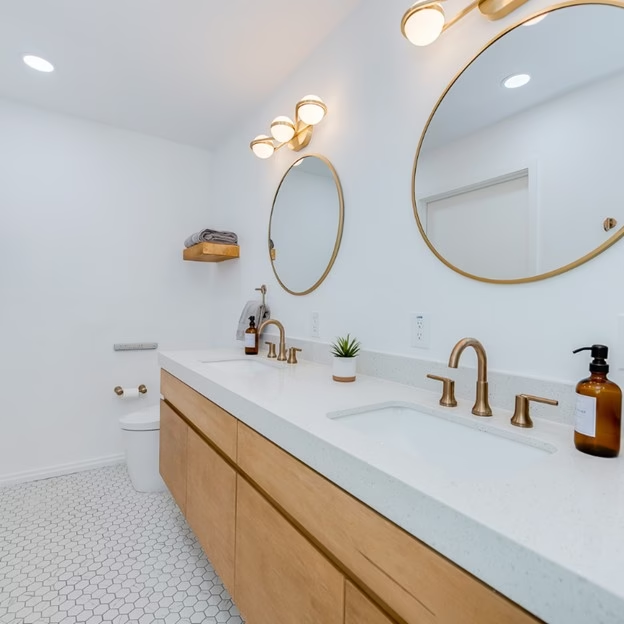
Vinyl Flooring
Vinyl flooring has evolved significantly in both durability and appearance. Many vinyl products include layered construction that helps resist moisture and wear.
Luxury vinyl plank and sheet vinyl can mimic wood or stone while offering improved water resistance. This makes vinyl a common option when homeowners explore bathroom floors ideas that combine comfort and durability.
Linoleum
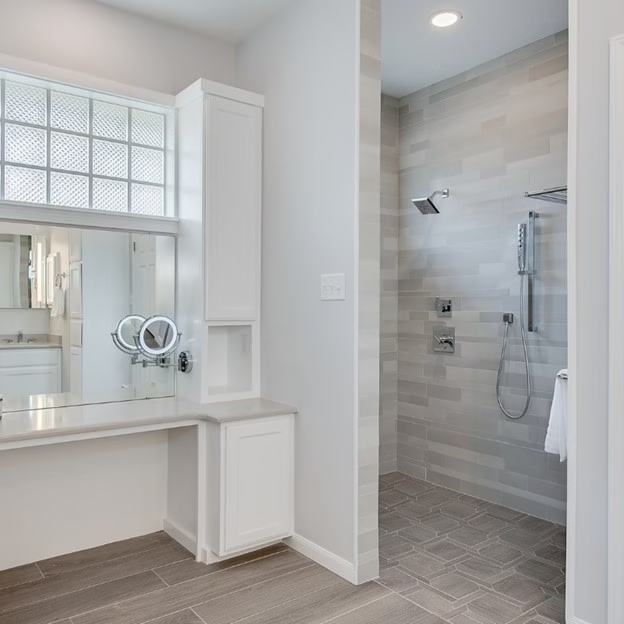
Linoleum is a natural flooring material made from ingredients such as linseed oil, wood flour, and limestone.
It is naturally water resistant and has gained renewed interest due to its environmentally friendly characteristics. Because the material is homogeneous throughout, surface wear often appears more uniform over time.
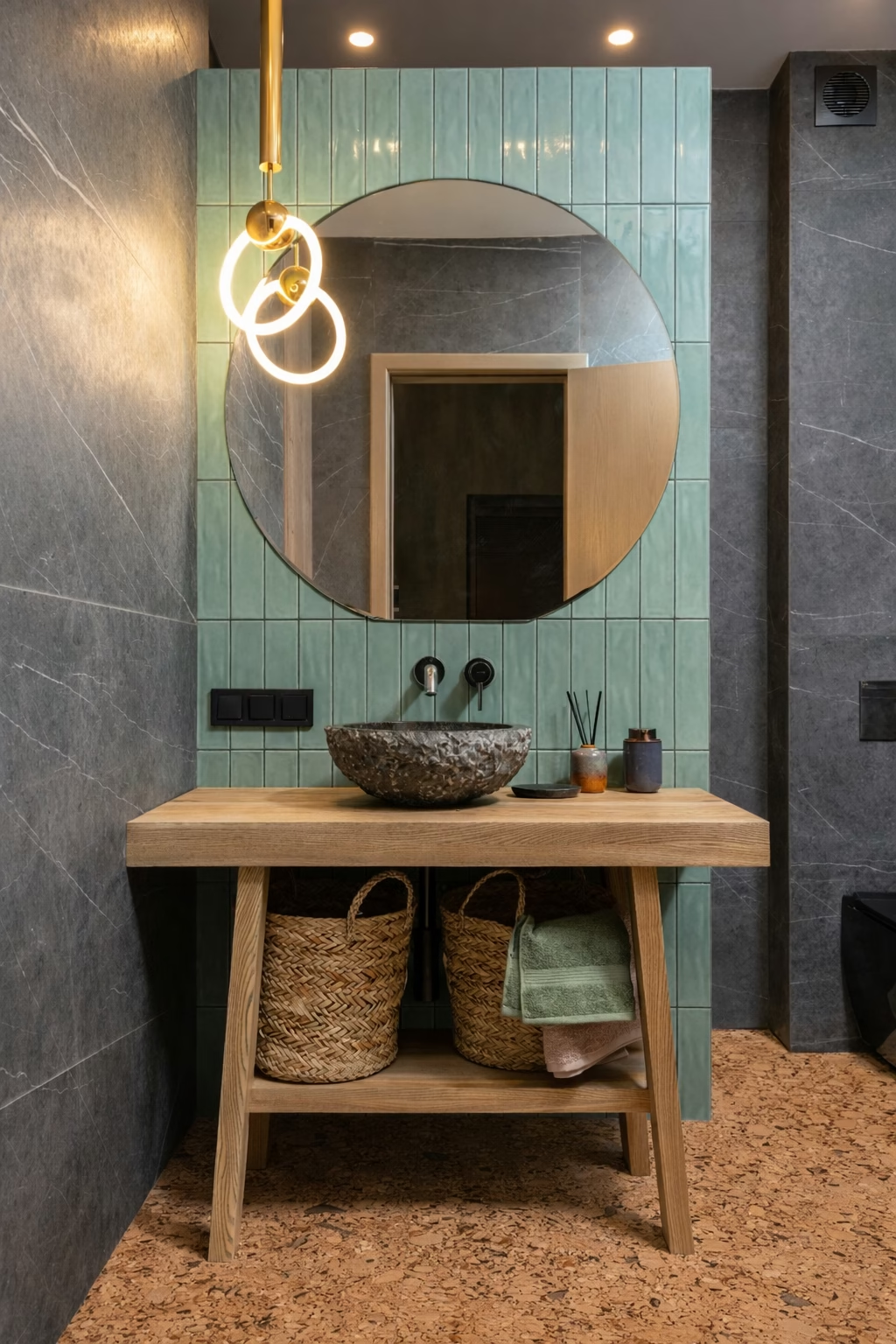
Cork Flooring
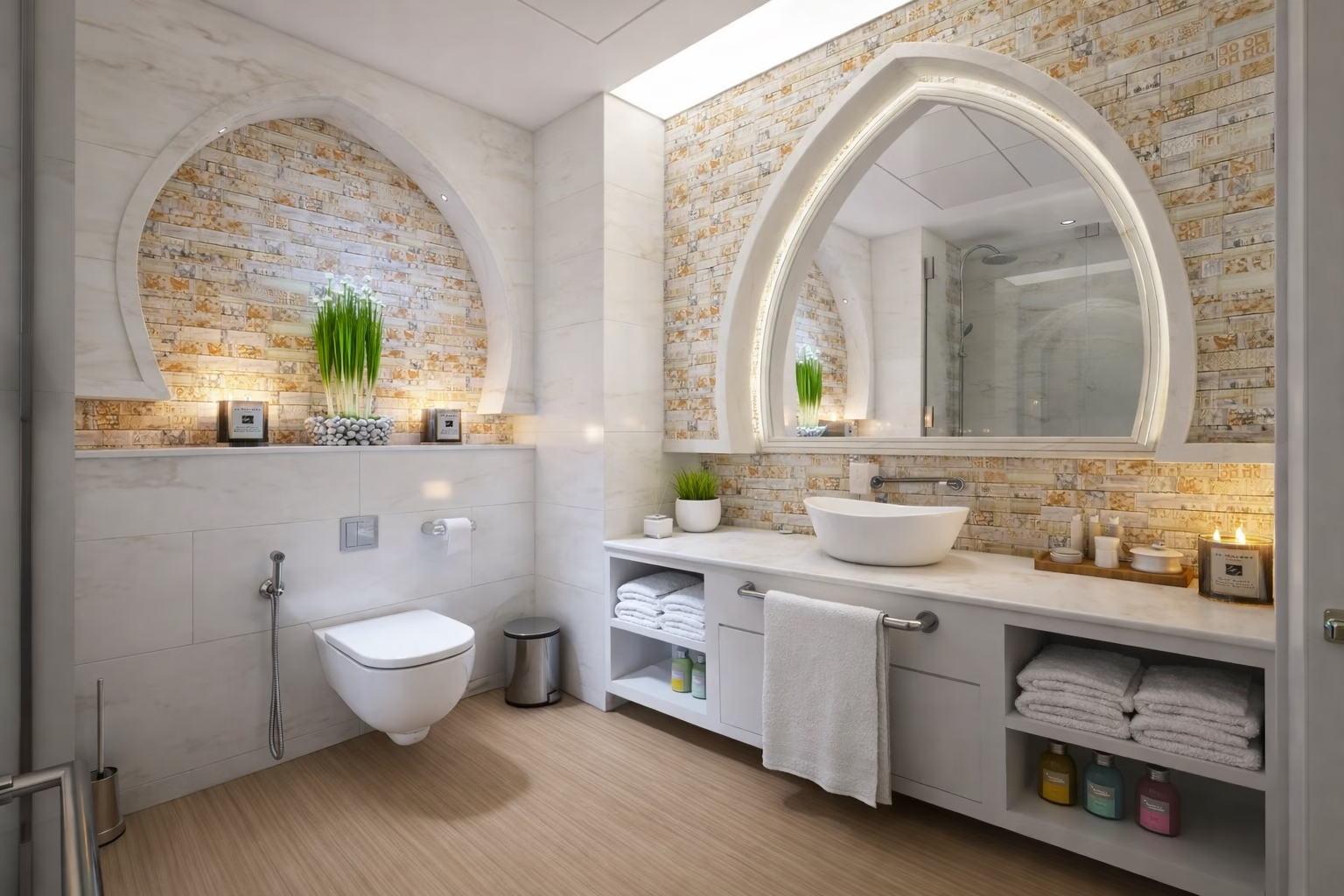
Cork flooring is produced from the bark of cork oak trees, which regenerate after harvesting.
Cork provides a softer feel underfoot compared to harder surfaces like tile or stone. When sealed correctly, cork can resist moisture while also offering sound-reducing properties.
Concrete Flooring
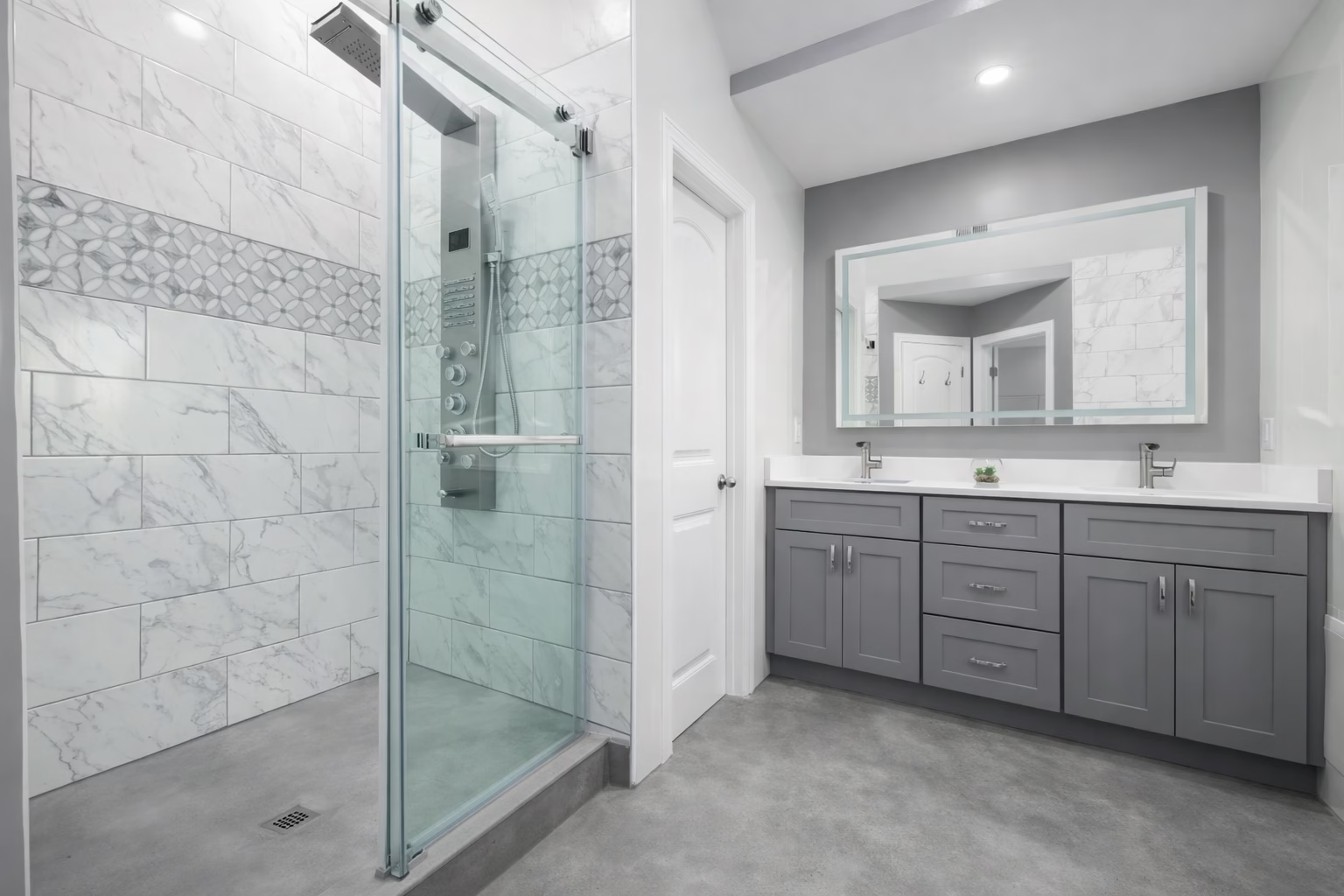
Concrete flooring has become more common in modern and industrial design styles.
When properly sealed, concrete performs well in high-moisture environments. Periodic inspection of the seal helps maintain long-term performance.
Concrete floors are durable and easy to clean, although they may feel cooler underfoot than other materials.
How Bathroom Flooring Impacts the Longevity of a Remodel
Flooring decisions affect more than appearance. They influence how well the bathroom performs over time.
When bathroom flooring is chosen with moisture behavior, durability, and maintenance in mind, homeowners benefit from:
• reduced risk of hidden moisture damage
• improved resistance to humidity and daily water exposure
• easier cleaning and long-term maintenance
• greater confidence in the durability of the remodel
Thoughtful planning during bathroom floor installation helps protect both the visible surface and the structural layers beneath it.
How Stearns Design Build Approaches Bathroom Flooring
At Stearns Design Build, bathroom flooring is evaluated as part of the larger design and planning process.
Flooring materials are considered alongside waterproofing systems, layout decisions, and the homeowner’s daily routines. This helps ensure that bathroom floor installation works as part of a coordinated system rather than an isolated step.
Planning these decisions early allows the project to move forward with clarity and fewer surprises during construction.
The goal is not only a beautiful result but also a bathroom that performs reliably for years to come.
We are proud to work with Zwernemann Flooring in Bryan, Texas for our bathroom remodels!
Frequently Asked Questions
What type of bathroom flooring is most durable?
Tile and sealed concrete are often considered among the most durable options because they resist water and wear well over time.
What are popular bathroom flooring ideas today?
Many homeowners explore bathroom flooring ideas that combine durability with comfort. Tile, luxury vinyl, and sealed concrete are commonly used because they perform well in moisture-heavy spaces.
Does bathroom floor installation require waterproofing?
Yes. Bathroom floor installation should always be coordinated with waterproofing systems that protect the subfloor and surrounding structures from moisture.
Can vinyl flooring be used in bathrooms?
Yes. Many modern vinyl products are designed specifically for humid environments and can provide a water-resistant and comfortable surface.