What Is Multi-Sensory Home Design and Why It Matters
Multi-sensory home design is an approach to residential design that considers how a home engages all five human senses: sight, sound, smell, touch, and taste. Rather than focusing only on appearance or layout, it recognizes that the way a home feels, sounds, and supports daily life plays a meaningful role in comfort, wellbeing, and connection. When applied intentionally, multi-sensory home design helps create living environments that feel more balanced, personal, and restorative over time.
What Multi-Sensory Home Design Means in Residential Spaces
In homes, design is often reduced to what we can see. Floor plans, finishes, colors, and furniture tend to dominate the conversation. While visual design is important, it is only one part of how people experience their homes.
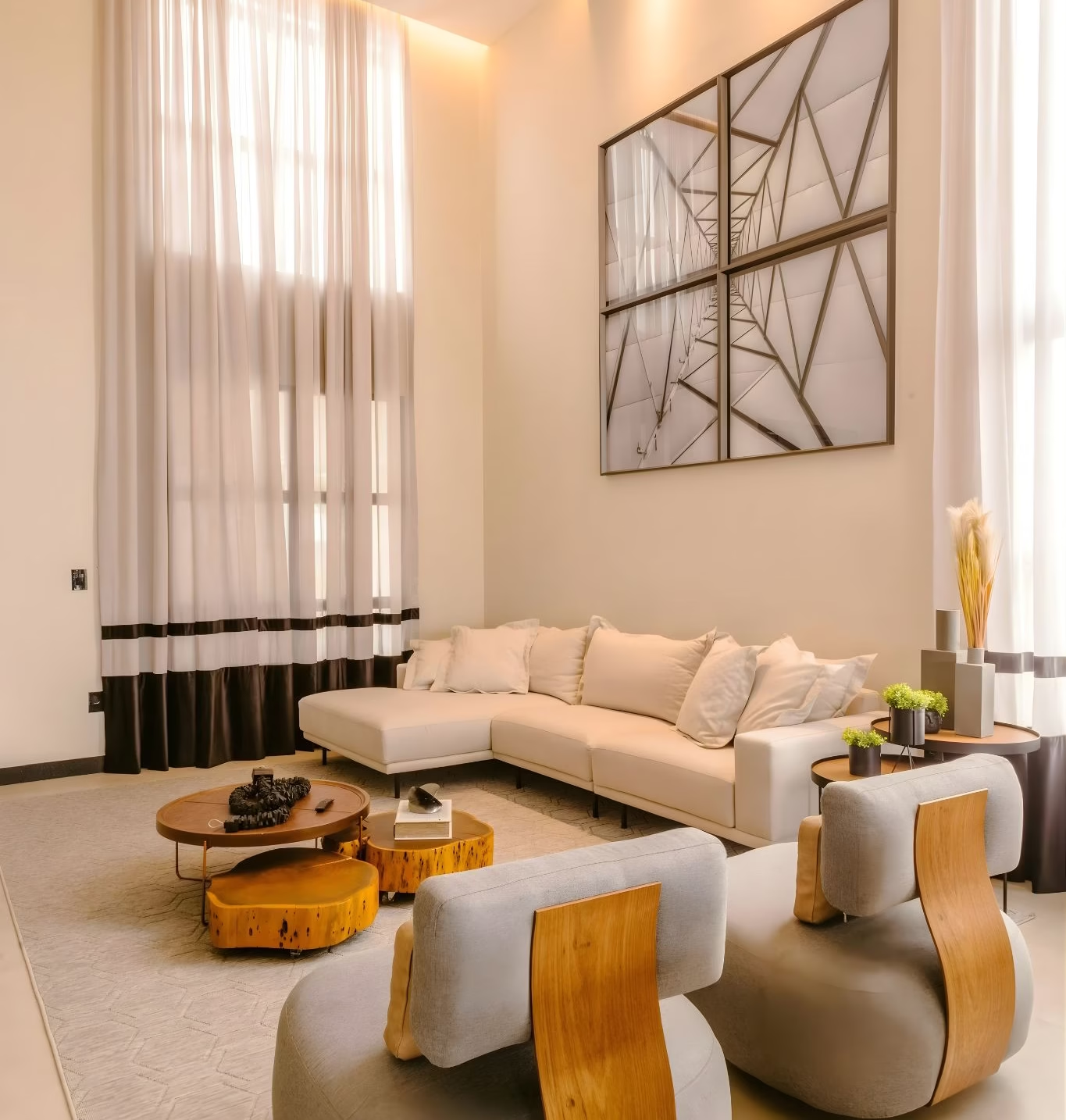
Multi-sensory home design expands the definition of good design by acknowledging that people live in their homes with their whole bodies, not just their eyes. Sound influences whether a space feels calm or chaotic. Smell can evoke comfort, memory, or discomfort. Texture affects how welcoming and grounded a home feels. Even taste plays a role through the spaces where food is prepared, shared, and enjoyed.
When these sensory elements are considered together, a home becomes more than a collection of rooms. It becomes an environment that supports how people move through their day, how they rest, how they gather, and how they recharge.
Why Engaging All Five Senses Matters to the Way You Live
Homes shape daily routines in subtle but powerful ways. The quality of light in the morning can influence energy and focus. Background noise can affect sleep and concentration. The way materials feel underfoot or to the touch can influence whether a space feels cold, warm, formal, or relaxed.
Multi-sensory home design matters because these experiences accumulate. Over time, they influence how comfortable a home feels and how easily it supports everyday life.
A thoughtfully designed home can feel calm instead of overstimulating. It can feel grounded instead of disconnected. It can support both activity and rest without requiring constant adjustment or effort from the people living there.
When all five senses are considered, the home works with you rather than against you.

How Each Sense Shows Up in Home Design
Sight
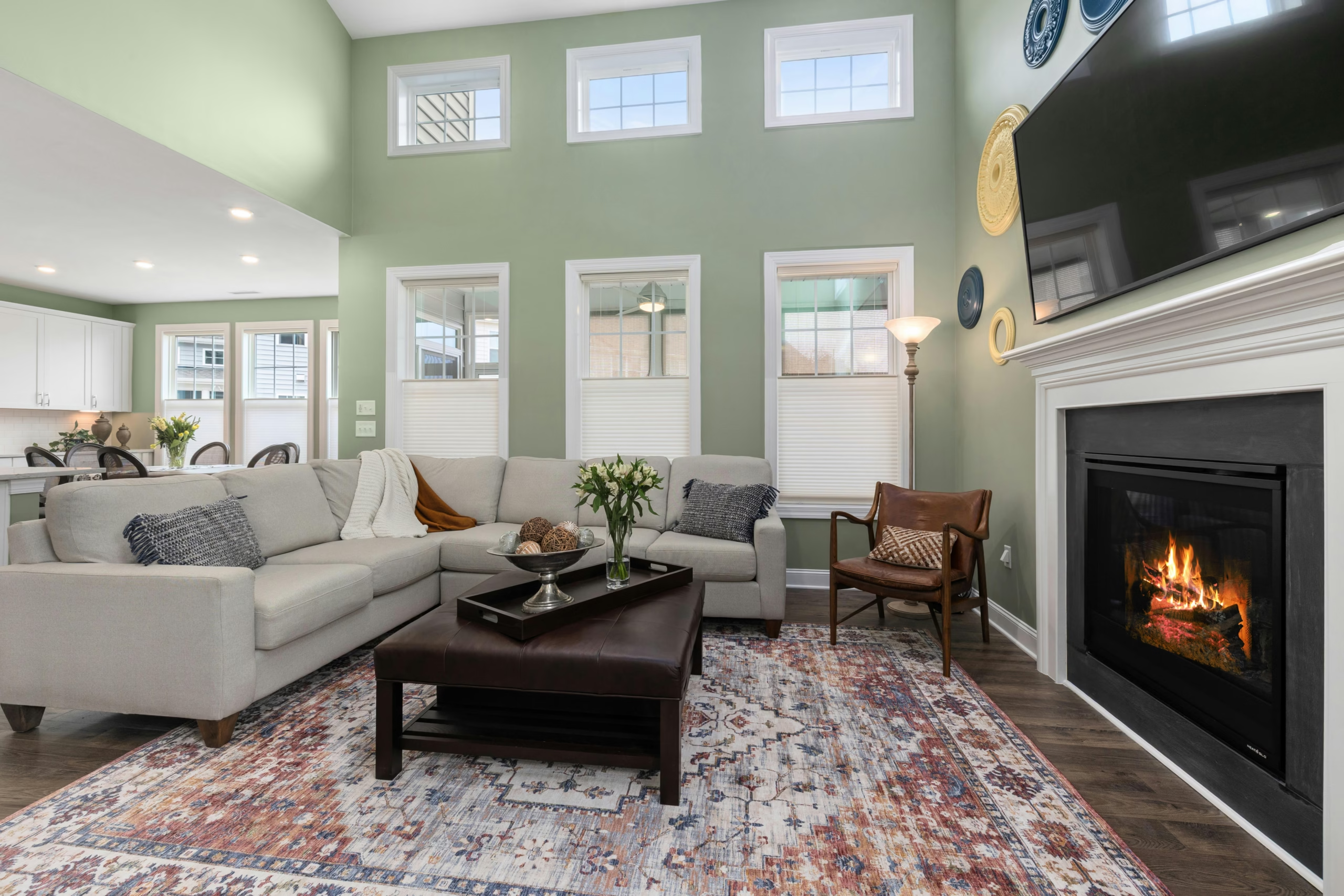
Sight is often the most obvious sense in residential design. Visual experience is shaped by more than finishes or decoration. Sight lines within the home can guide movement and create a sense of openness or privacy. Views to the outdoors can extend the experience of space beyond the walls of the home.
Natural light plays a significant role in how rooms feel throughout the day. The way light enters a space, changes over time, and interacts with materials can influence mood and comfort. Artificial lighting also contributes by supporting tasks, setting atmosphere, and shaping how spaces are used at different times.
Visual design works best when it supports clarity and ease rather than distraction.
Sound
Sound is one of the most overlooked aspects of residential design. Yet it has a profound impact on comfort and rest.
Homes can be designed to soften unwanted noise, support quiet spaces, or intentionally introduce sound in ways that feel calming or joyful. This might include water features that provide a gentle background sound, outdoor spaces designed to attract birds, or thoughtfully planned audio systems that allow music to enhance daily life.
Considering sound helps create spaces that feel peaceful rather than chaotic, especially in areas intended for rest or focus.
Smell
Smell is closely tied to memory and emotion. Certain scents can immediately evoke comfort, familiarity, or a sense of place.
While design cannot control every smell, it can support positive sensory experiences through ventilation, access to fresh air, and thoughtful placement of kitchens, gardens, or outdoor spaces. The smell of food cooking, a breeze moving through the house, or even old books in a reading nook can all contribute to how a home feels.
Design that considers smell helps ensure that a home feels welcoming and lived in rather than stale or disconnected.
Touch
Texture plays a powerful role in how spaces are experienced. The contrast between smooth and rough surfaces, warm and cool materials, or soft and firm textures can invite interaction and awareness.
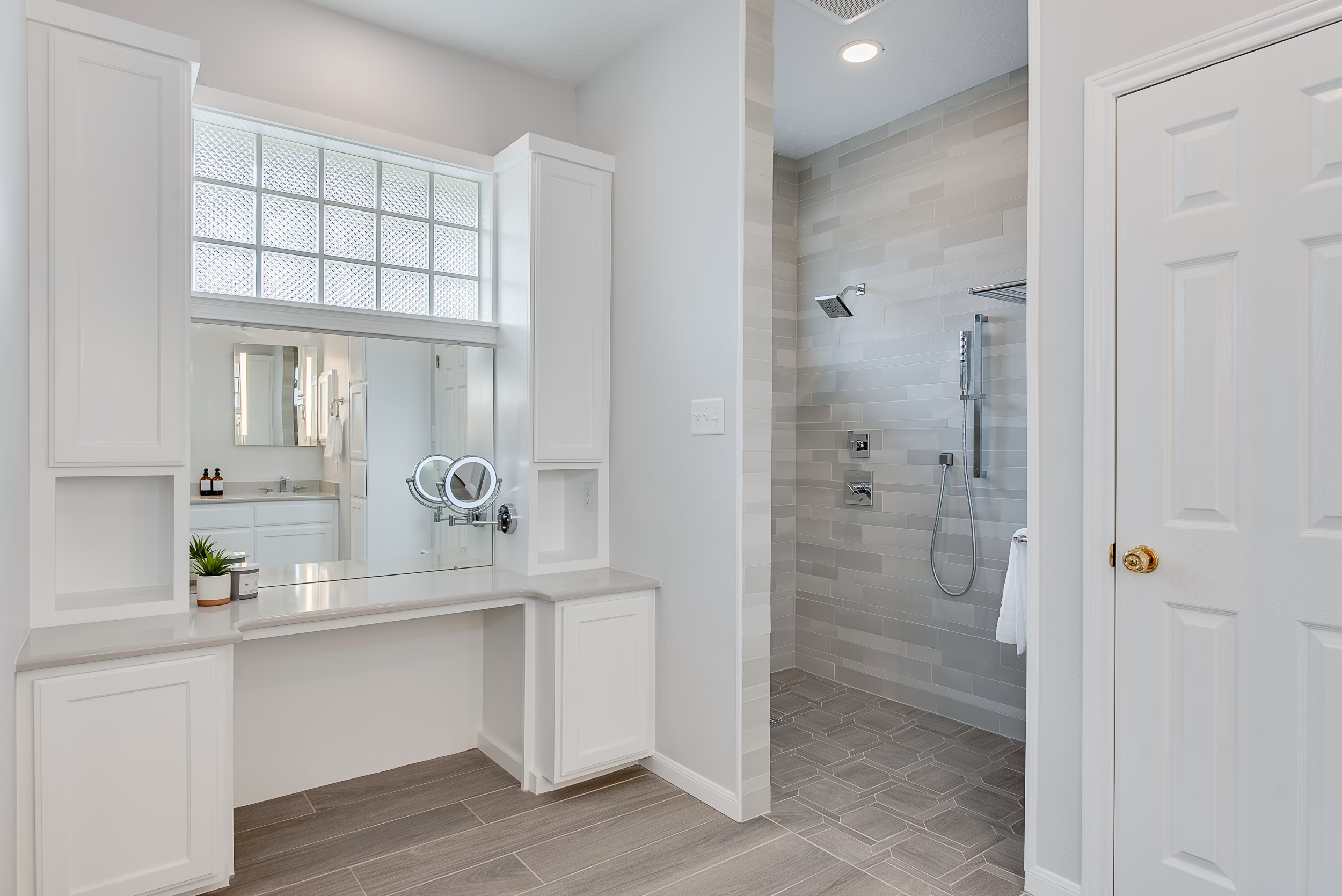
Touch also connects people to the natural environment. Outdoor spaces that allow people to feel a breeze, sit in sunlight, or experience changing weather can be deeply restorative. Features like outdoor showers, shaded seating areas, or natural materials help strengthen this connection.
A home that considers touch feels more human and less purely functional.
Taste
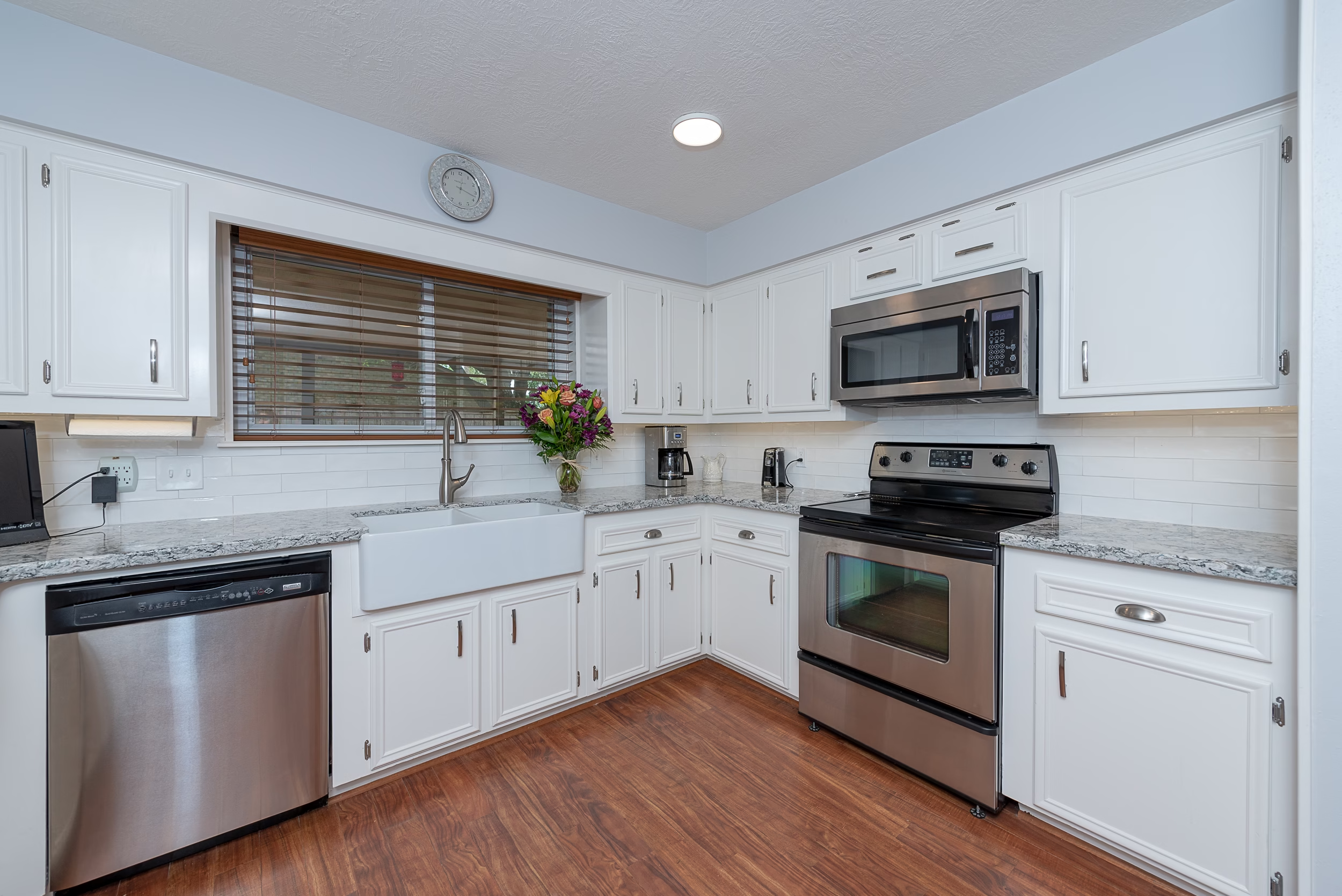
Taste is most directly connected to the kitchen and dining areas, which often serve as the heart of the home. These spaces support not only eating, but also gathering, conversation, and shared routines.
Food is closely tied to culture, memory, and identity. The way a kitchen is designed can influence how often people cook, how they gather, and how connected they feel to traditions and daily rituals.
When spaces for preparing and sharing food are thoughtfully designed, they support nourishment in more ways than one.
Common Misunderstandings About Multi-Sensory Home Design
-
It is not about luxury or excess. Multi-sensory home design is about awareness and intention, not adding unnecessary features.
-
It does not require designing for every sense equally in every space. Different rooms support different experiences.
-
It is not purely aesthetic. Many sensory decisions relate to comfort, health, and daily function.
-
It is not separate from practical design. Sensory considerations often improve usability and longevity.
Understanding these distinctions helps clarify that multi-sensory home design is foundational, not decorative.

How Multi-Sensory Design Shows Up in Real Homes
In practice, multi-sensory home design influences decisions about layout, orientation, material selection, and flow between spaces. It shapes how rooms relate to one another and how indoor and outdoor areas connect.
These choices affect how a home supports daily routines, adapts to different times of day, and responds to seasonal changes. The result is not a single visual style, but a home that feels cohesive and supportive across many moments of life.
How Stearns Design Build Approaches Multi-Sensory Home Design
At Stearns Design Build, multi-sensory home design is approached as part of a broader effort to create homes that feel meaningful and supportive to the people who live in them. Rather than treating the senses as a checklist, the focus is on understanding how homeowners want to experience their space.
Design decisions are guided by how spaces will be used, how they will feel over time, and how they connect to both the natural environment and the people within the home. This approach allows sensory considerations to emerge naturally through thoughtful planning, material choices, and spatial relationships.
The goal is not to overwhelm the senses, but to create balance and harmony that supports everyday living.

Frequently Asked Questions About Multi-Sensory Home Design
What is multi-sensory home design?
Multi-sensory home design is an approach that considers how a home engages sight, sound, smell, touch, and taste to support comfort, wellbeing, and daily life.
Is multi-sensory home design only about aesthetics?
No. While visual design is part of it, many sensory considerations relate to comfort, acoustics, air quality, texture, and how spaces function over time.
Do all homes need to address every sense equally?
Not necessarily. Different homes and spaces prioritize different sensory experiences based on how they are used and who lives there.
Can multi-sensory design improve daily comfort?
Yes. Thoughtful sensory design can reduce stress, improve rest, and make everyday routines feel more natural and supported.
Is multi-sensory home design relevant for remodels?
Absolutely. Many sensory improvements can be incorporated during remodels by rethinking layout, materials, lighting, and connections between spaces.