How Kitchen Design Layout Impacts Workflow and Longevity
Kitchen design layout protects workflow, storage efficiency, and long-term performance. A complete layout considers work zones, circulation paths, natural light, vertical elements, and storage planning. When designed intentionally, it prevents bottlenecks, wasted movement, cramped prep areas, and remodeling regret that often appears after installation is complete.

Why This Process Is Critical
A kitchen is one of the most system-dependent rooms in a home. Plumbing, electrical, ventilation, cabinetry, and structural considerations all converge in a relatively compact footprint. The way those elements are arranged directly affects how the kitchen functions every day.
When kitchen design layout is not carefully planned:
-
Movement between tasks becomes inefficient
-
Multiple cooks compete for space
-
Counter surfaces become fragmented
-
Storage becomes disconnected from use
-
Traffic from adjacent rooms interrupts workflow
Over time, these friction points reduce enjoyment and can shorten the effective lifespan of a remodel. Layout problems are rarely cosmetic. They are functional.
A well-designed kitchen layout supports durability not because of materials alone, but because daily use is supported rather than strained.
Common Kitchen Design Layout Failures
Most layout issues are not dramatic. They are subtle planning oversights.
Poor zone sequencing
Storage, prep, cooking, and clean-up areas are not arranged in a natural progression.
Interrupted countertop space
Tall vertical elements such as wall ovens or refrigerators break up work surfaces mid-run.
Excessive cross-traffic
Doorways or walk paths cut through the primary work area.
Insufficient prep surface
Cooking zones lack nearby landing space.
Under-planned storage
Cabinet placement does not reflect what the homeowner actually owns.
Dark or enclosed configurations
Limited window placement restricts daylight and creates a cramped feel.
None of these issues are dramatic during design renderings. They reveal themselves during real use.

High-Level Overview of the Proper Kitchen Design Layout Process
A well-executed kitchen design layout follows a deliberate sequence of evaluation and spatial planning. Each step builds on the previous one. When rushed or skipped, functional gaps tend to appear after installation.
1. Establish Functional Zones
Most kitchens operate within five primary zones:
-
Storage
-
Food preparation
-
Cooking
-
Clean-up
-
Serving or staging
These zones should follow the natural progression of food preparation. Storage supports prep. Prep supports cooking. Cooking transitions to clean-up. Serving connects the kitchen to dining or living areas.
The kitchen sink often overlaps between prep and clean-up, which makes its placement particularly sensitive. If positioned too far from prep surfaces, workflow becomes inefficient. If positioned too close to cooking zones, congestion can occur during multi-person use.
Effective zoning reduces unnecessary movement and creates predictability in daily routines. Over time, this consistency is what makes a kitchen feel intuitive rather than chaotic.
2. Analyze Circulation and Traffic Patterns
Circulation planning is often overlooked in kitchen design layout, yet it determines how comfortably the space functions when more than one person is present.
Doorways, hallways, and adjacent rooms influence how traffic flows through the kitchen. When passage points are scattered across multiple walls, the primary work triangle becomes a thoroughfare. This introduces interruptions during cooking and prep.
Consolidating major entry points along one side of the kitchen can significantly reduce cross-traffic. In open-concept homes, the visual openness must be balanced with controlled circulation paths. Removing a wall may increase light and sightlines, but it also changes movement patterns.
A successful layout protects the primary work zones from becoming walkways.
3. Position Vertical Elements Strategically
Large vertical components such as refrigerators, tall pantry cabinets, and wall ovens affect more than storage capacity. They influence visual balance and functional continuity.
When tall elements interrupt a long run of countertop space, prep areas become segmented. This fragmentation reduces usable work surface and can create unnecessary shifts in movement during cooking tasks.
Anchoring vertical elements toward the ends of cabinetry runs helps preserve uninterrupted countertop spans. This approach maintains visual cohesion and supports smoother transitions between prep and cooking zones.
Strategic vertical placement protects the horizontal surfaces where most daily kitchen activity occurs.
4. Plan Storage Based on Inventory
Storage planning should begin with an assessment of what must be stored, not with cabinet selection.
A thoughtful kitchen design layout considers:
-
Frequency of use
-
Size and quantity of cookware
-
Pantry habits
-
Small appliance storage
-
Future household changes
When storage is aligned with real inventory, daily workflow becomes more efficient. Frequently used items are located near their point of use, reducing repetitive movement.
Custom layout planning allows cabinetry to respond to lifestyle rather than forcing lifestyle to adapt to standard cabinet configurations. This alignment is a significant contributor to long-term satisfaction and reduces the likelihood of storage-related frustration after completion.
5. Integrate Light Intentionally
Window placement affects both task performance and spatial perception in a kitchen design layout.
Natural light improves visibility in food preparation and clean-up zones while also reducing dependence on artificial lighting. Research from the U.S. Department of Energy on daylighting strategies explains that properly positioned windows can improve task clarity, increase visual comfort, and enhance the overall experience of a space.
In residential kitchens, this may include:
-
Increasing window height to draw light deeper into the room
-
Introducing corner windows to eliminate dark cabinetry intersections
-
Creating window walls in eat-in areas to expand perceived space
-
Positioning reflective surfaces nearby to help distribute incoming daylight
Light is not only aesthetic. It directly impacts how comfortably and efficiently a kitchen functions. When integrated early in the layout process, daylight becomes part of the performance strategy rather than an afterthought.
6. Evaluate Island Feasibility
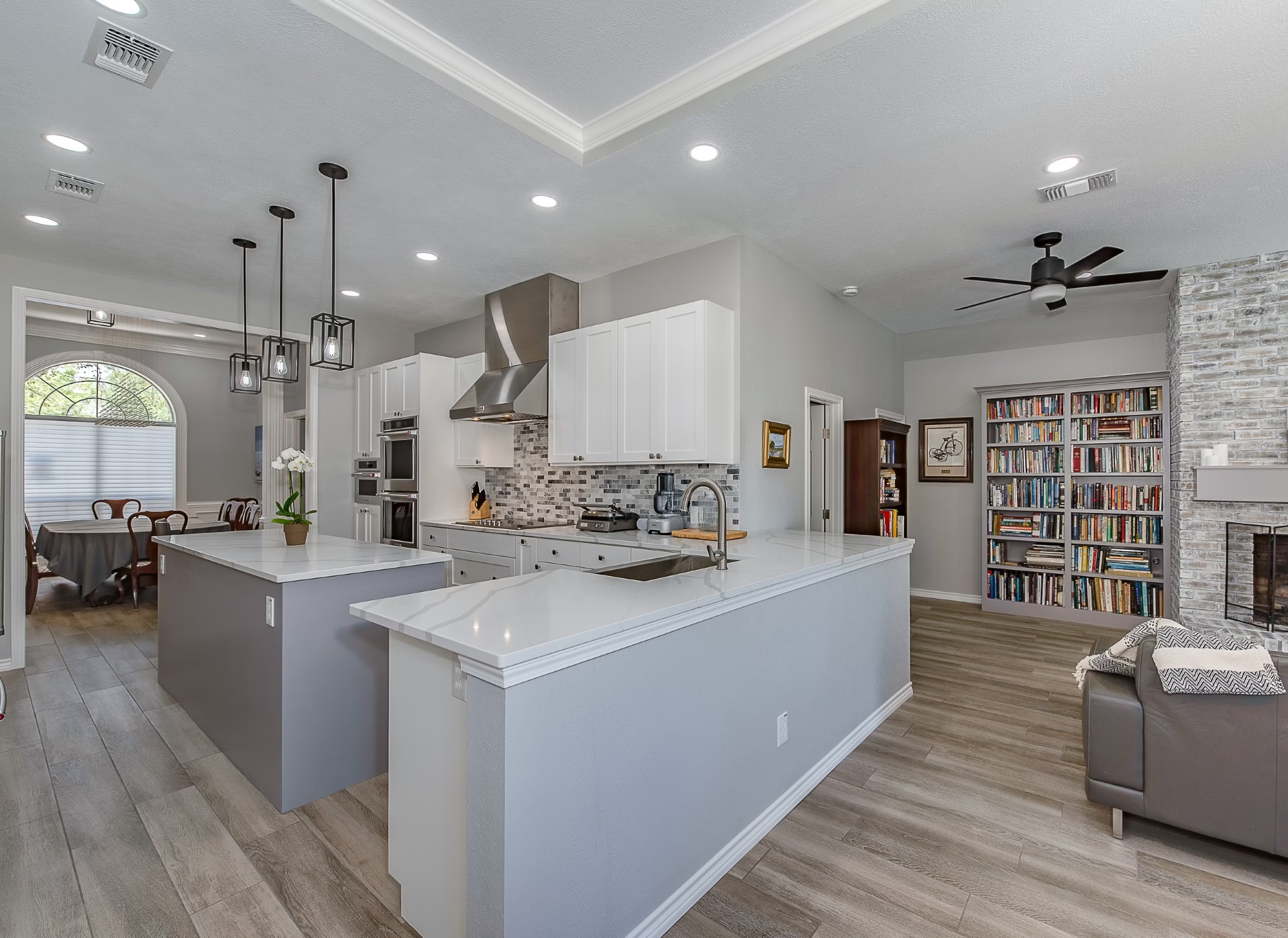
An island is often seen as a feature element, but in kitchen design layout it functions as a spatial tool.
When space allows, an island can:
-
Increase uninterrupted prep surface
-
Add secondary storage
-
Provide informal seating
-
Create a serving or staging zone
-
Improve separation between work and circulation paths
However, islands must be evaluated in context. Clearances around the island affect safety, workflow, and comfort. If circulation becomes compressed, the island may create more obstruction than benefit.
An island should support the overall zone progression rather than compete with it. When integrated thoughtfully, it becomes a stabilizing element within the layout rather than a decorative centerpiece.
Materials and Systems Commonly Used in Kitchen Layout Planning
Kitchen design layout is influenced by several underlying systems.
Cabinet systems determine storage capacity and functional organization.
Lighting systems including under-cabinet lighting and pendants support task visibility and ambiance.
Ventilation systems influence placement of cooking zones.
Structural systems may affect wall removal when opening kitchens to adjoining rooms.
Waste management systems such as built-in recycling or composting influence clean-up zone design.
Each system interacts with layout decisions. None operate independently.
How Kitchen Design Layout Impacts the Longevity of a Remodel
Longevity is not just about material durability. It is about sustained usability.
When zones are correctly sequenced and circulation is controlled:
-
Daily movement is reduced
-
Surfaces experience more balanced use
-
Storage remains adaptable
-
Multi-person cooking is supported
Kitchens that feel intuitive remain functional for decades. Kitchens that feel inconvenient are often renovated again, regardless of material quality.
Layout determines whether a remodel ages gracefully or becomes outdated in function long before finishes wear out.

How Stearns Design Build Manages Kitchen Design Layout
At Stearns Design Build, kitchen design layout begins with conversation, not cabinetry.
The process includes:
-
Evaluating how the kitchen is currently used
-
Identifying friction points in workflow
-
Documenting inventory needs
-
Studying traffic patterns
-
Analyzing structural opportunities for openness
-
Considering natural light impact
Layout decisions are reviewed before selections are finalized. This ensures materials and finishes are supporting a functional framework rather than compensating for a flawed one.
The goal is not trend alignment. It is long-term performance.
Frequently Asked Questions
What is the most important part of kitchen design layout?
The relationship between prep, cooking, and clean-up zones is foundational. If these are poorly positioned, even high-end materials cannot compensate for inefficiency.
Does opening up a kitchen always improve layout?
Not always. Removing walls can improve light and flow, but circulation and structural limitations must be evaluated carefully.
How wide should a kitchen be to include an island?
Width alone is not the determining factor. Clearances, traffic patterns, and adjacent room relationships must be considered together.
Can a small kitchen still have an efficient layout?
Yes. Strategic zone planning and thoughtful vertical element placement can significantly improve functionality even in compact spaces.
Why does storage planning matter so much?
Storage affects daily workflow. When items are placed near their point of use, movement decreases and efficiency increases.