How Home Maintenance Systems Protect Your House Over Time
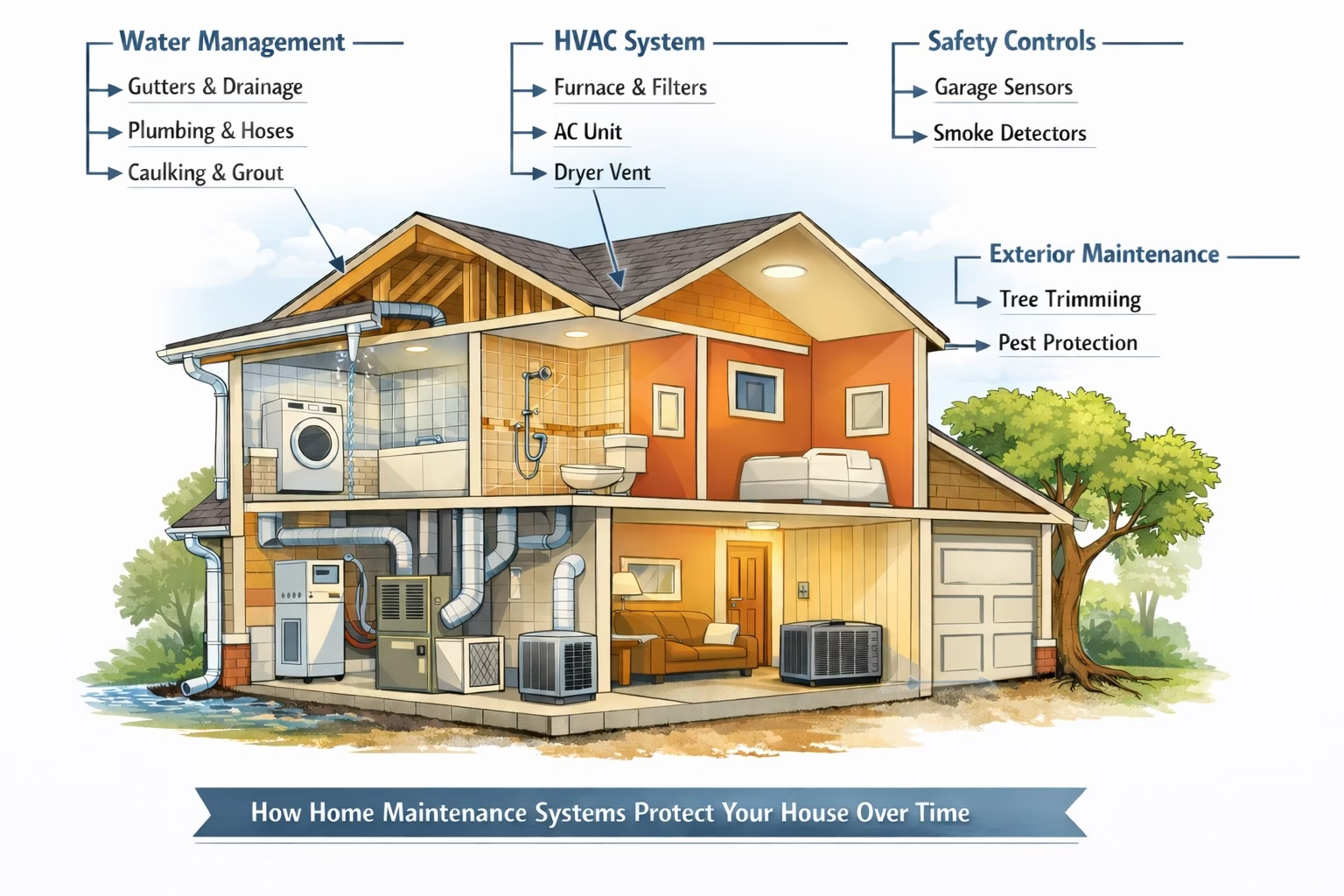
Home maintenance systems work together to protect a house from moisture damage, mechanical failure, safety risks, and premature wear. These systems include water management, mechanical equipment, safety controls, and exterior interfaces. When they are maintained as a whole, rather than in isolation, they help a home perform predictably and reduce the likelihood of costly repairs over time.
Why Home Maintenance Systems Are Critical
Homes rarely fail all at once. Most problems develop slowly, often out of sight, as small breakdowns in one system begin to affect another. Water that does not drain properly puts stress on materials that were never meant to stay wet. Mechanical systems that are restricted or overworked wear out faster. Safety controls that are ignored may not respond when they are needed.
Home maintenance systems exist to manage these risks. When they are functioning as intended, they protect structural components, support indoor air quality, maintain energy efficiency, and reduce safety hazards. Preventive attention allows systems to age gradually and predictably, rather than failing abruptly and expensively.
This is why home maintenance best practices are less about individual chores and more about understanding how systems interact over time.
Common Failures When Maintenance Systems Are Overlooked
In homes where maintenance is inconsistent or reactive, certain patterns appear again and again.
Water management issues are among the most common. Gutters that clog or downspouts that discharge water too close to the house can lead to fascia damage, foundation movement, or persistent moisture near the building envelope. Inside the home, aging washing machine hoses, deteriorated caulk, or unsealed grout can allow water to escape into places it does not belong.
Mechanical systems also show predictable signs of strain when maintenance is overlooked. Dirty air filters restrict airflow and force HVAC equipment to work harder. Outdoor condensers surrounded by debris lose efficiency. Dryer exhaust ducts that accumulate lint increase fire risk while reducing performance.
Safety systems are often assumed to be working until they are tested. Garage door sensors and auto-reverse mechanisms can fail quietly over time, only becoming noticeable when they do not respond as expected.
Finally, exterior conditions such as overgrown trees or vines can introduce risks that homeowners may not immediately associate with maintenance. Branches that rub against a roof or siding, or plant material that rests against the house, can accelerate wear and create pathways for pests and moisture.

A High-Level Overview of Home Maintenance Systems
Understanding home maintenance systems begins with seeing the house as a set of connected functions rather than isolated components.
Water Management Systems
Water management starts at the roof and continues all the way to the ground. Gutters, downspouts, and drainage paths are designed to move water away from the structure. Inside the home, supply hoses, drain connections, caulk, and grout act as secondary defenses, keeping water contained where it is intended to flow. When any part of this system is compromised, moisture can begin to affect finishes, framing, and foundations.
Mechanical and Airflow Systems
Mechanical systems regulate comfort, air quality, and moisture levels. HVAC equipment depends on unobstructed airflow and clean filtration to operate efficiently. Dryer exhaust systems rely on clear, heat-resistant ducting to remove moisture and lint safely. Ceiling fans, when used correctly, interact with conditioned air to support comfort rather than increase energy use. These systems are designed to work together, not independently.
Safety and Control Systems
Many homes include built-in safety controls that are easy to forget because they are designed to operate quietly in the background. Garage door sensors, auto-reverse features, and similar controls exist to reduce risk during everyday use. Like any mechanical or electronic component, they rely on periodic verification to ensure they still respond correctly.
Exterior Interfaces That Affect the Home
The area immediately surrounding a house plays a larger role in performance than many homeowners realize. Trees, shrubs, and vines can influence moisture exposure, pest access, and physical wear. Wind movement during storms can cause branches to contact roofs or walls in ways that are not obvious during calm weather. Managing these exterior interfaces is part of maintaining the home itself.
Materials and Systems Commonly Involved
Home maintenance systems rely on materials selected for durability and compatibility with their function. Rigid venting materials are better suited to handle heat and airflow than flexible alternatives. Filtration systems are designed to protect mechanical components while improving indoor air quality. Supply hoses must tolerate pressure and movement over time. Sealants and grout form part of the home’s air and water control layers, even though they are often treated as cosmetic details.
The performance of these materials depends not only on what they are made of, but on how they are allowed to age within the system they support.

How Home Maintenance Systems Impact Long-Term Performance
When home maintenance systems are kept in balance, the effects are cumulative and long-lasting. Mechanical equipment tends to last longer and operate more efficiently. Moisture-related damage becomes less likely, preserving finishes and structural elements. Energy use becomes more predictable, supporting comfort without unnecessary waste.
Well-maintained systems also contribute to a quieter, cleaner home. Air moves more smoothly, appliances operate as intended, and small issues are identified before they disrupt daily life. Over time, this consistency supports both livability and long-term value.
How Stearns Design Build Approaches Home Maintenance Systems
At Stearns Design Build, home maintenance systems are viewed as an extension of how a house is designed, built, and lived in. Rather than treating maintenance as a checklist of tasks, we focus on how systems interact and where small oversights tend to create larger problems.
During remodeling and construction projects, attention is given to access, durability, and long-term performance so that systems can be maintained without unnecessary disruption. For homeowners who want ongoing support beyond a single project, this systems-based thinking naturally extends into Stearns Home Care.
Stearns Home Care exists to help homeowners stay ahead of maintenance needs in a thoughtful, organized way. It is designed for those who want confidence that critical systems are being monitored and supported over time, without having to track every detail themselves. Whether maintenance is handled personally or with professional assistance, the goal remains the same: keeping the home performing as intended year after year.

Frequently Asked Questions
How often do home maintenance systems need attention?
Different systems age at different rates, but most benefit from periodic review throughout the year. Regular observation helps identify gradual changes before they become disruptive.
Which home systems cause the most damage when neglected?
Water management and mechanical airflow systems tend to have the greatest impact when overlooked, as they influence moisture, energy use, and material durability.
Are maintenance needs different for older homes?
Older homes often require closer attention because materials and systems may not perform the same way as newer assemblies. Understanding how those systems were originally designed is important.
Does regular maintenance really save money long-term?
In most cases, yes. Addressing small system issues early is typically far less costly than repairing damage caused by prolonged neglect.
How do I know when professional support is appropriate?
If a system’s behavior changes, shows signs of wear, or affects other parts of the home, professional evaluation can help clarify the cause and prevent further impact.