How Home Air Leaks Affect Energy Efficiency and Long-Term Comfort
Home air leaks reduce energy efficiency by allowing conditioned air to escape and outside air to enter the building envelope. A properly sealed home relies on controlled airflow, insulation, and a continuous air barrier. When air leakage occurs, it increases energy loss, reduces comfort, and places added strain on heating and cooling systems.
Why Air Sealing Is Critical for Energy Efficiency
Air sealing is just as important as insulation when it comes to maintaining comfort and managing energy use.
Insulation slows heat transfer. Air sealing controls air movement.
When a home has air leaks:
-
Heated or cooled air escapes
-
Outdoor air enters through unintended gaps
-
HVAC systems must work harder to maintain temperature
-
Utility costs increase over time
Leaks also affect comfort. Drafts near windows, doors, outlets, or plumbing penetrations are not just minor annoyances. They are signs that the building envelope is not performing as intended.
Over time, uncontrolled air movement can also carry moisture into wall cavities and attic spaces, contributing to long-term durability concerns.

Common Areas Where Home Air Leaks Occur
Air leakage tends to happen at transitions and penetrations in the building shell.
Some of the most common areas include:
-
Window and door perimeters
-
Electrical outlets and light switches on exterior walls
-
Plumbing penetrations under sinks
-
Recessed lighting fixtures
-
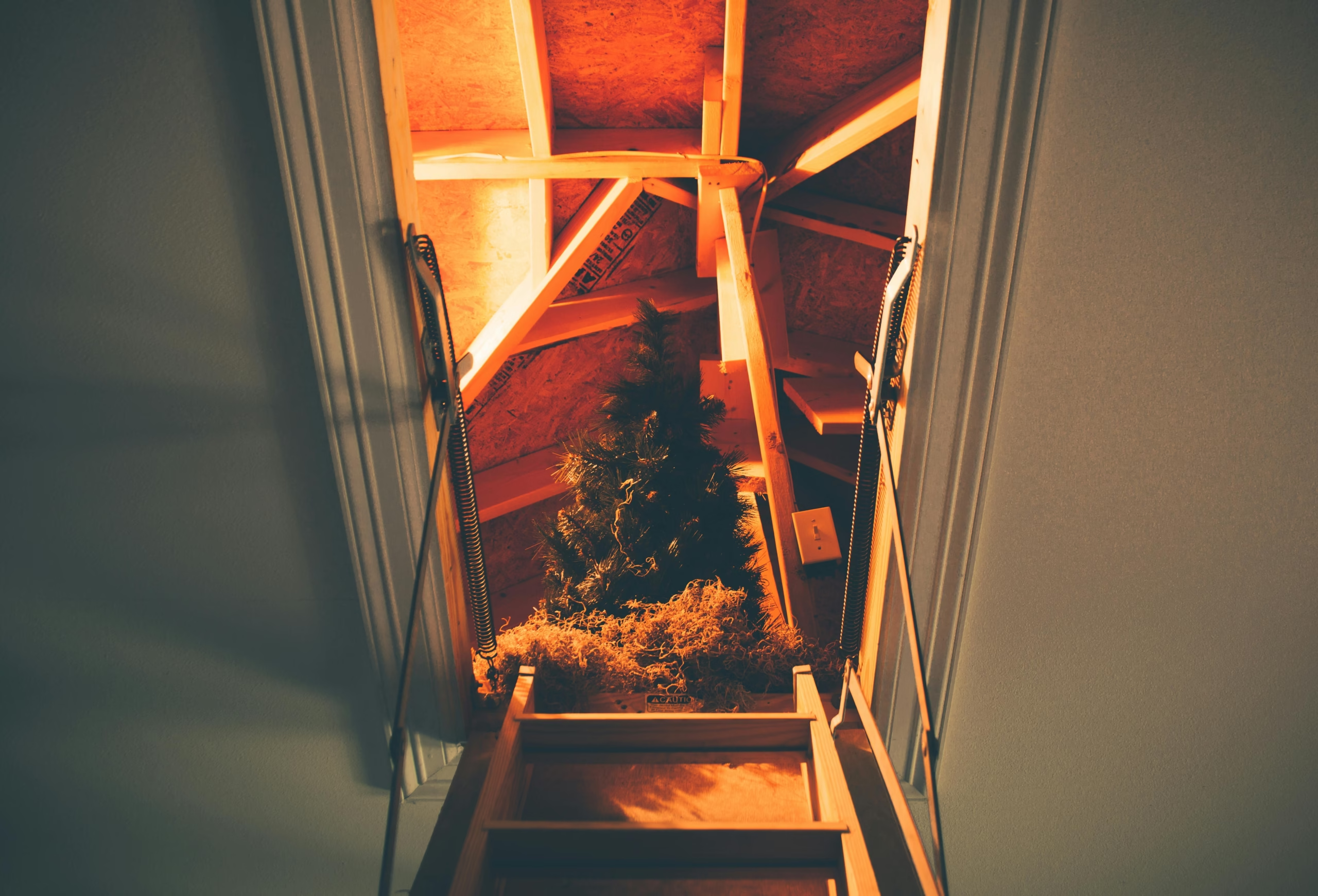
Attic access hatches
-
Top plates and ceiling penetrations in the attic
Many homeowners associate drafts with wind pushing air into the house. However, air movement also occurs due to pressure differences around the home.
On the windward side, air is pushed inward.
On the leeward side, negative pressure pulls air outward.
This exchange means that when outside air enters through gaps, conditioned indoor air exits elsewhere. The result is a constant, uncontrolled air exchange cycle.
Understanding the Stack Effect
One of the most significant contributors to air leakage is the stack effect.
The stack effect occurs when warm air rises inside the home and escapes through openings at the top of the building, typically in the attic. As this air leaves, cooler air is pulled in from lower parts of the structure to replace it.
In vented attics, especially during hot Texas summers, the roof absorbs solar heat. That heat drives air movement through attic ventilation systems. This movement increases upward air flow, which can draw conditioned air out of the living space below.
Homes with ductwork running through vented attics are particularly affected. When ducts are surrounded by extremely hot attic air, any leakage or insufficient insulation can compound energy loss.
Air sealing the attic plane is often a critical step in improving overall building performance.

High-Level Overview of the Air Sealing Process
Air sealing is a systematic process that focuses on identifying and addressing gaps in the building envelope.
-
Assessment of the Building Envelope
The home is evaluated for common leakage points at walls, ceilings, and transitions. -
Identification of Pressure and Leakage Patterns
Air movement patterns help determine where air is entering and exiting. -
Sealing Penetrations and Gaps
Openings around plumbing, wiring, framing joints, and access points are sealed to reduce uncontrolled airflow. -
Attic Plane Air Sealing
Particular attention is given to ceiling penetrations and top plate connections where stack effect commonly occurs. -
Duct Evaluation
Duct leakage and insulation levels are reviewed, especially in vented attic systems.
This process focuses on improving performance without altering the architectural character of the home.
Materials and Systems Used for Air Sealing
Air sealing systems vary depending on the location and type of penetration.
Common materials include:
-
Sealants and caulks for small gaps
-
Expanding foam products for irregular penetrations
-
Weatherstripping at doors and operable windows
-
Gasket systems behind outlets and switches
-
Spray foam insulation at attic rooflines in unvented assemblies
In some construction approaches, insulation is relocated from the ceiling joists to the roof rafters, creating an unvented attic assembly. This method places the thermal and air boundary at the roofline rather than the ceiling plane.
However, retrofit conditions must be carefully evaluated. Roof pitch, existing mechanical systems, and combustion appliances in the attic can influence what approach is appropriate.
The goal is not simply adding insulation. It is creating a continuous air barrier.

How Air Leaks Impact the Longevity of a Remodel
Air leakage is not only about utility bills.
When conditioned air escapes into attic or wall cavities:
-
Temperature extremes affect framing and materials
-
Moisture can be transported into concealed spaces
-
HVAC systems cycle more frequently
-
Equipment lifespan may be reduced
In remodel projects, especially in older Bryan–College Station homes, addressing air sealing during construction can improve long-term durability and system performance.
Many energy efficiency upgrades begin with air control before moving to larger system replacements such as windows or HVAC equipment.
How Stearns Design Build Manages Air Sealing in Remodeling
At Stearns Design Build, air sealing is considered part of responsible construction planning.
Our process includes:
-
Evaluating how new work ties into the existing building envelope
-
Identifying areas where penetrations may occur during remodeling
-
Coordinating insulation and mechanical systems to reduce energy loss
-
Verifying that attic and wall transitions are properly detailed
We approach air control as a building science consideration, not an add-on.
Especially in whole-home remodels and additions, continuity between old and new construction is essential for maintaining performance.
Frequently Asked Questions
How do I know if my home has air leaks?
Common signs include drafts near windows and doors, uneven room temperatures, and higher-than-expected energy bills. Air movement is often most noticeable during windy or extreme weather conditions.
Are air leaks more common in older homes?
Yes. Older homes often have more penetrations and fewer air barrier details compared to modern construction. However, newer homes can also experience leakage if sealing details were overlooked.
Does insulation solve air leak problems?
Not by itself. Insulation slows heat transfer, but it does not stop air movement. A home needs both insulation and air sealing to perform properly.
Is sealing the attic more important than sealing windows?
In many homes, attic air sealing has a greater impact because of the stack effect. However, performance improvements depend on the specific leakage patterns in each home.
Do air leaks affect indoor air quality?
Uncontrolled air exchange can introduce dust, allergens, and humidity from outside. Proper air sealing allows ventilation to occur in a controlled manner.