Bathroom Remodel Planning: What to Know Before You Begin
Bathroom remodel planning is the process of thinking through how your bathroom should function, feel, and adapt over time before any design or construction decisions are made. In a home, the bathroom affects daily routines, privacy, comfort, and long term usability. When planned intentionally, a bathroom remodel supports how you live today while remaining functional for years to come.
What Bathroom Remodel Planning Means for a Home
Bathrooms are among the most frequently used spaces in a home, yet they are often planned last or treated as purely functional rooms. Bathroom remodel planning is not about choosing finishes or fixtures first. It is about understanding how the space needs to work in real life.
A well planned bathroom accounts for how many people use it, how often it is used, and what role it plays in the household. A powder room serves guests differently than a shared hall bathroom. A primary bathroom supports privacy, routine, and rest. These distinctions matter early because they influence layout, storage needs, lighting decisions, and how enclosed or open the space should feel.
Planning also considers the physical limitations of the space. Bathrooms are often constrained by existing walls, plumbing locations, and window placement. Thoughtful planning helps homeowners understand what can realistically be improved and where design choices can make the biggest difference.
Why Bathroom Remodel Planning Matters to Daily Life
Bathrooms quietly shape daily experience. The way light enters the space can affect how you feel in the morning. Storage placement determines whether countertops stay clear or constantly cluttered. The sense of openness or enclosure influences comfort and privacy.
A bathroom that feels cramped or poorly lit can make daily routines feel rushed or stressful. One that is carefully planned can feel calm and restorative even in a small footprint. Mirrors that reflect light, windows placed for privacy, and layouts that avoid visual congestion all contribute to how the space is experienced rather than just how it looks.
Planning also affects long term comfort. Bathrooms that ignore accessibility or adaptability can become difficult to use as needs change. Considering ease of movement, clear circulation paths, and flexible design choices during planning allows the bathroom to support you through different life stages without requiring another remodel later.
Common Misunderstandings About Bathroom Remodel Planning
Many homeowners approach bathroom remodels with assumptions that can limit the outcome.
One common misunderstanding is that bathrooms are too small to plan in depth. In reality, small spaces benefit the most from careful planning because every inch matters. Decisions about ceiling height, door placement, and storage have an outsized impact in compact rooms.
Another misconception is that bathroom planning starts with fixtures or finishes. While those choices matter, they should come after understanding how the space is used. Selecting materials without a clear plan often leads to compromises later.
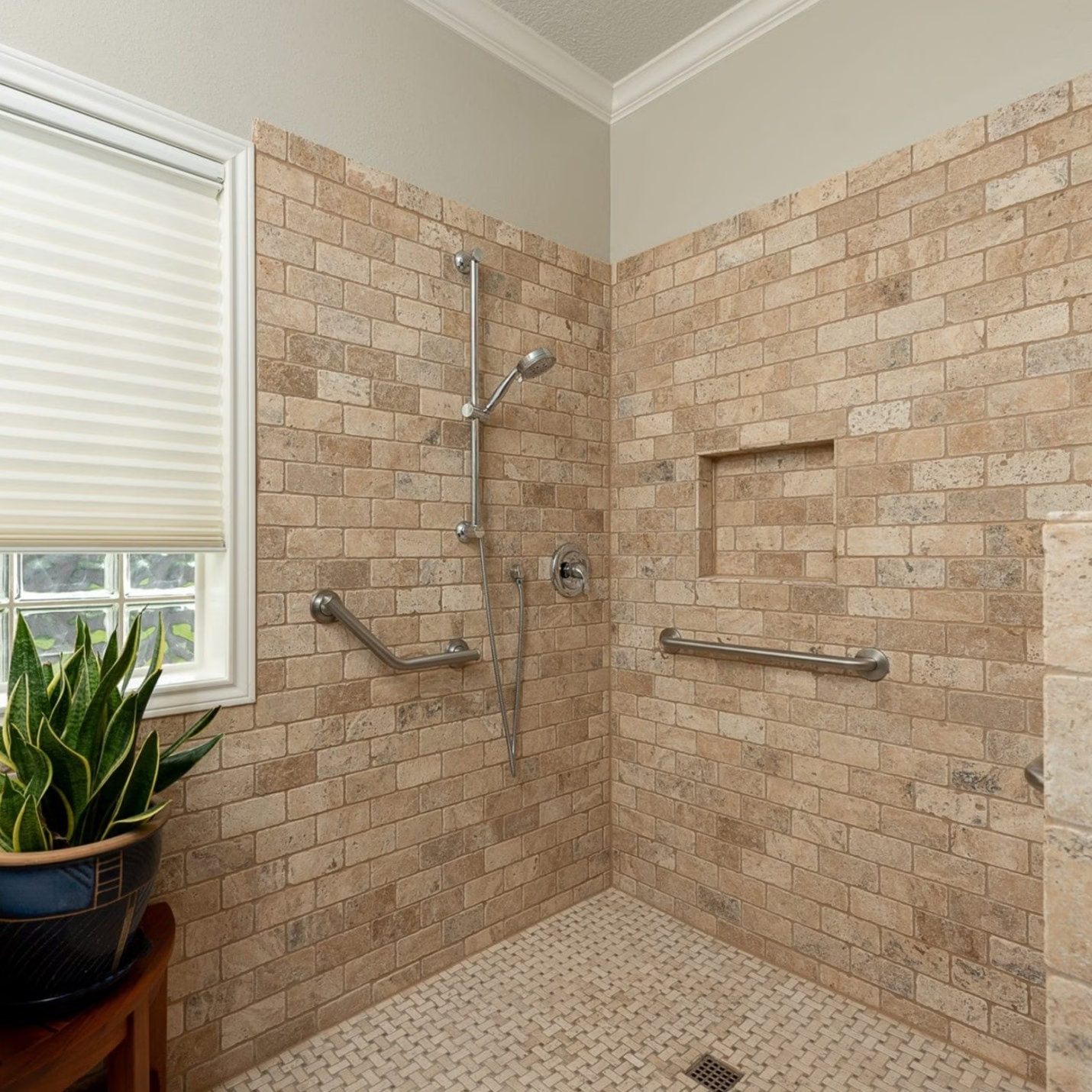
Some homeowners believe accessibility features are only necessary for aging in place. In truth, planning for ease of use benefits everyone. Simple considerations like wider doorways, easy to operate faucets, and thoughtful shower layouts improve comfort regardless of age or mobility.
There is also a tendency to treat sustainability as an add on rather than part of planning. Water efficiency, ventilation, and material choices are most effective when they are integrated from the beginning rather than applied after the design is complete.
How Thoughtful Bathroom Planning Shows Up in Real Homes
In real homes, bathroom remodel planning reveals itself through subtle but meaningful decisions.
Powder rooms often feel more comfortable when scale is adjusted intentionally. Lower visual reference points, thoughtful mirror placement, and discreet storage help small spaces feel welcoming rather than utilitarian.
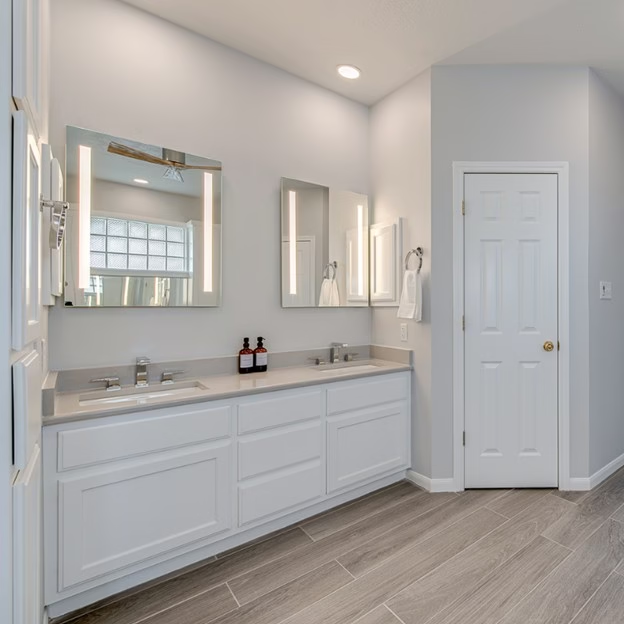
Shared bathrooms benefit from layouts that reduce congestion. Clear separation between sink areas and bathing areas allows multiple people to use the space without frustration. Open shelving or built in niches can provide accessible storage without overwhelming the room.
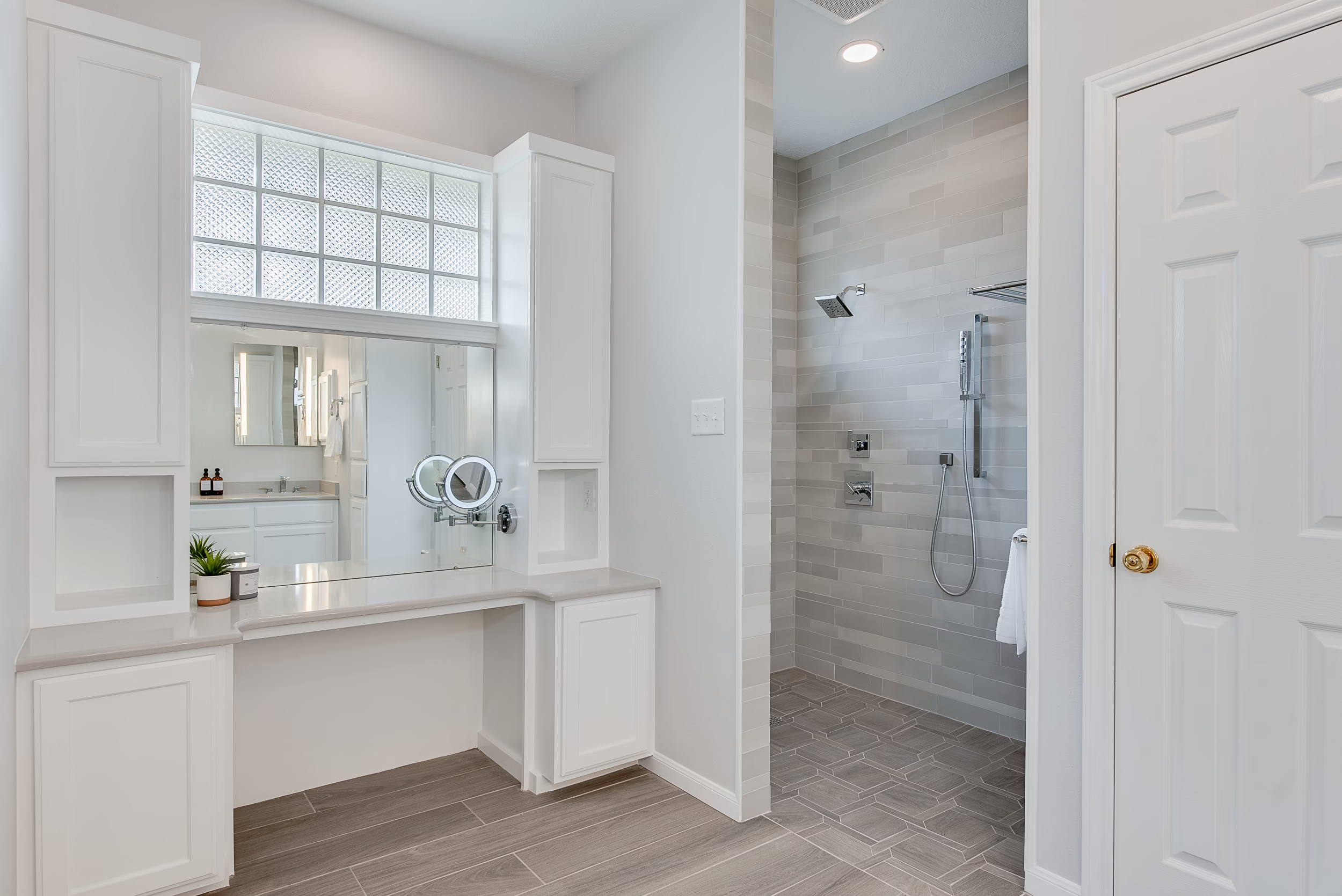
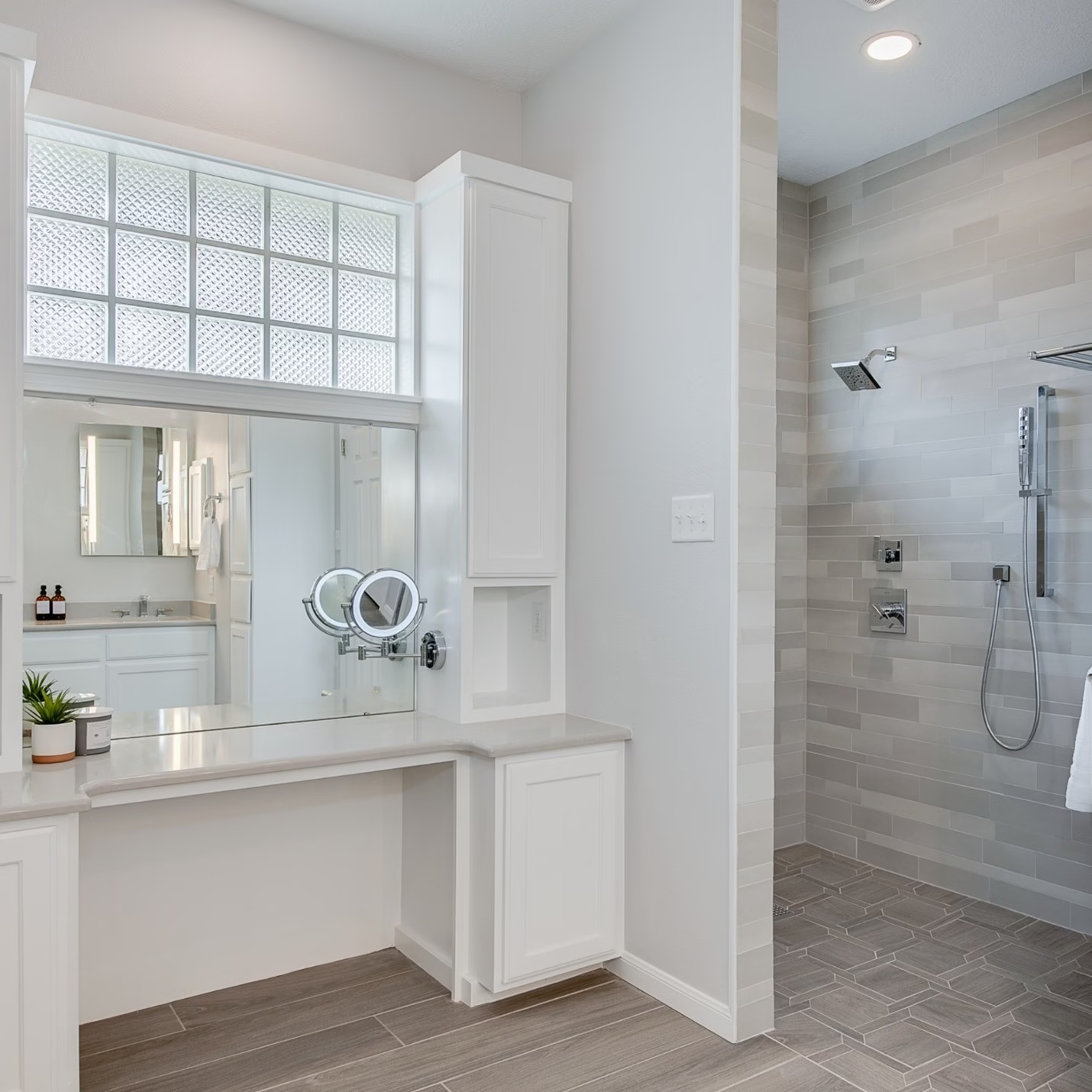
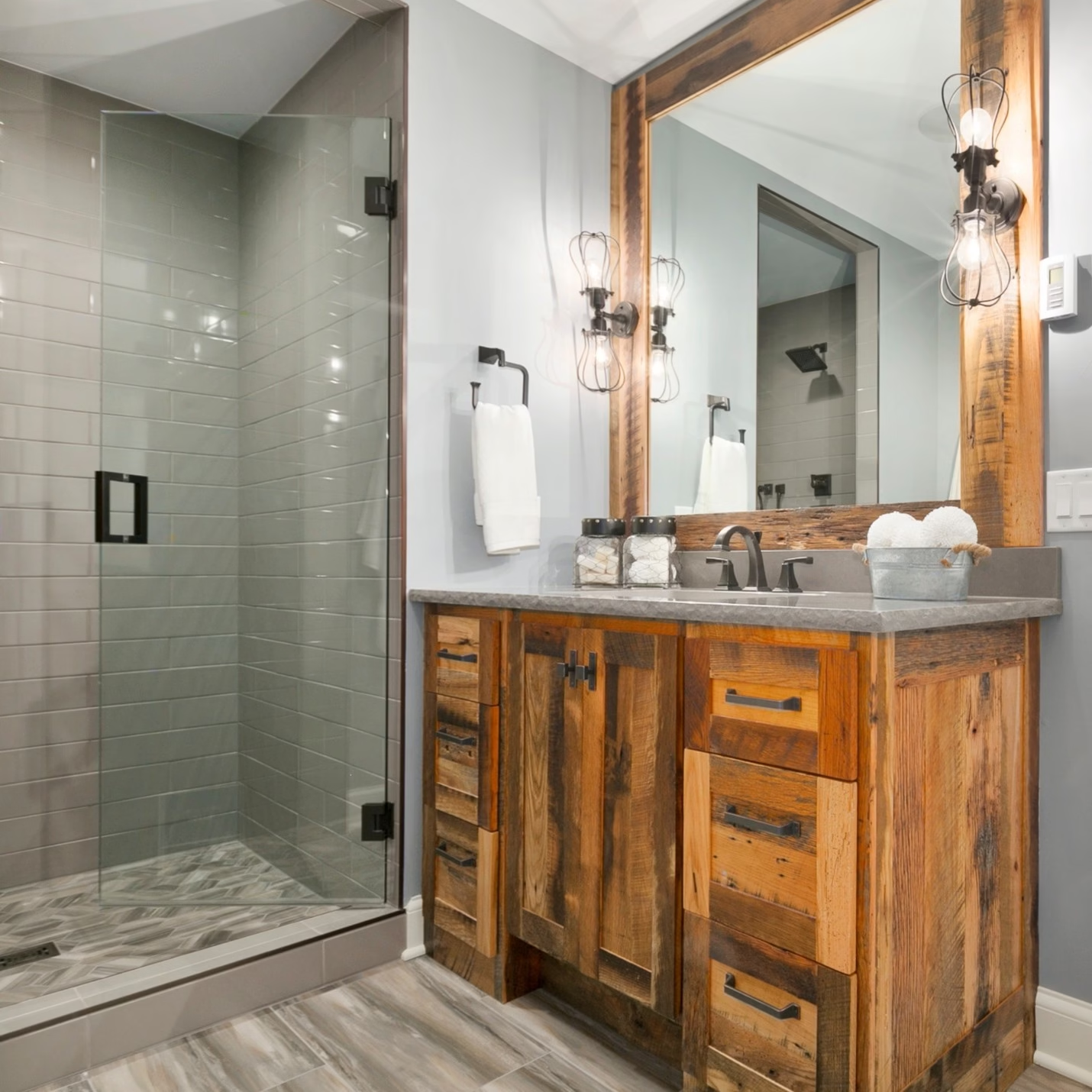
Primary bathrooms often reflect planning through balance. Natural light is introduced without sacrificing privacy. Glass partitions or partial walls create openness while maintaining function. Materials are selected for durability and ease of maintenance rather than appearance alone.
Across all bathroom types, planning for ventilation and moisture control supports long term performance. Bathrooms that manage humidity effectively are more comfortable to use and less prone to long term damage.
How Stearns Design Build Approaches Bathroom Remodel Planning
At Stearns Design Build, bathroom remodel planning begins with understanding how the space fits into the larger home and daily routines. The goal is not to apply a standard solution, but to guide homeowners through thoughtful decision making.
Planning conversations focus on how the bathroom is used today and how that may change over time. Attention is given to comfort, storage needs, privacy, and adaptability. Design decisions are evaluated through the lens of longevity rather than short term trends.
Sustainability and efficiency are considered as part of responsible planning. Water conserving fixtures, durable materials, and proper ventilation support both comfort and long term performance. These choices are discussed early so they are integrated naturally rather than added later.
Throughout the process, Stearns acts as a guide, helping homeowners understand tradeoffs, anticipate future needs, and make informed choices. The result is a bathroom that feels intentional, functional, and aligned with how the home is lived in.
Frequently Asked Questions
How early should bathroom remodel planning start?
Bathroom remodel planning should begin before any design selections are made. Early planning helps clarify priorities and avoids costly changes later in the process.
Does bathroom remodel planning differ for older homes?
Yes. Older homes often require additional consideration for existing layouts, plumbing locations, and ventilation. Planning helps identify limitations and opportunities early.
Is accessibility only necessary for aging homeowners?
No. Planning for accessibility improves usability for everyone and adds flexibility to the space over time.
Can sustainability be part of bathroom planning without major upgrades?
Yes. Thoughtful planning can incorporate water efficiency, durable materials, and ventilation strategies without dramatically changing the scope of a remodel.
How does planning affect the longevity of a bathroom remodel?
Bathrooms that are planned with daily use, moisture control, and adaptability in mind tend to perform better over time and require fewer repairs or updates.