
Bringing Natural Light Into Your Home: Skylights, Clerestories, and Light Shelves Explained
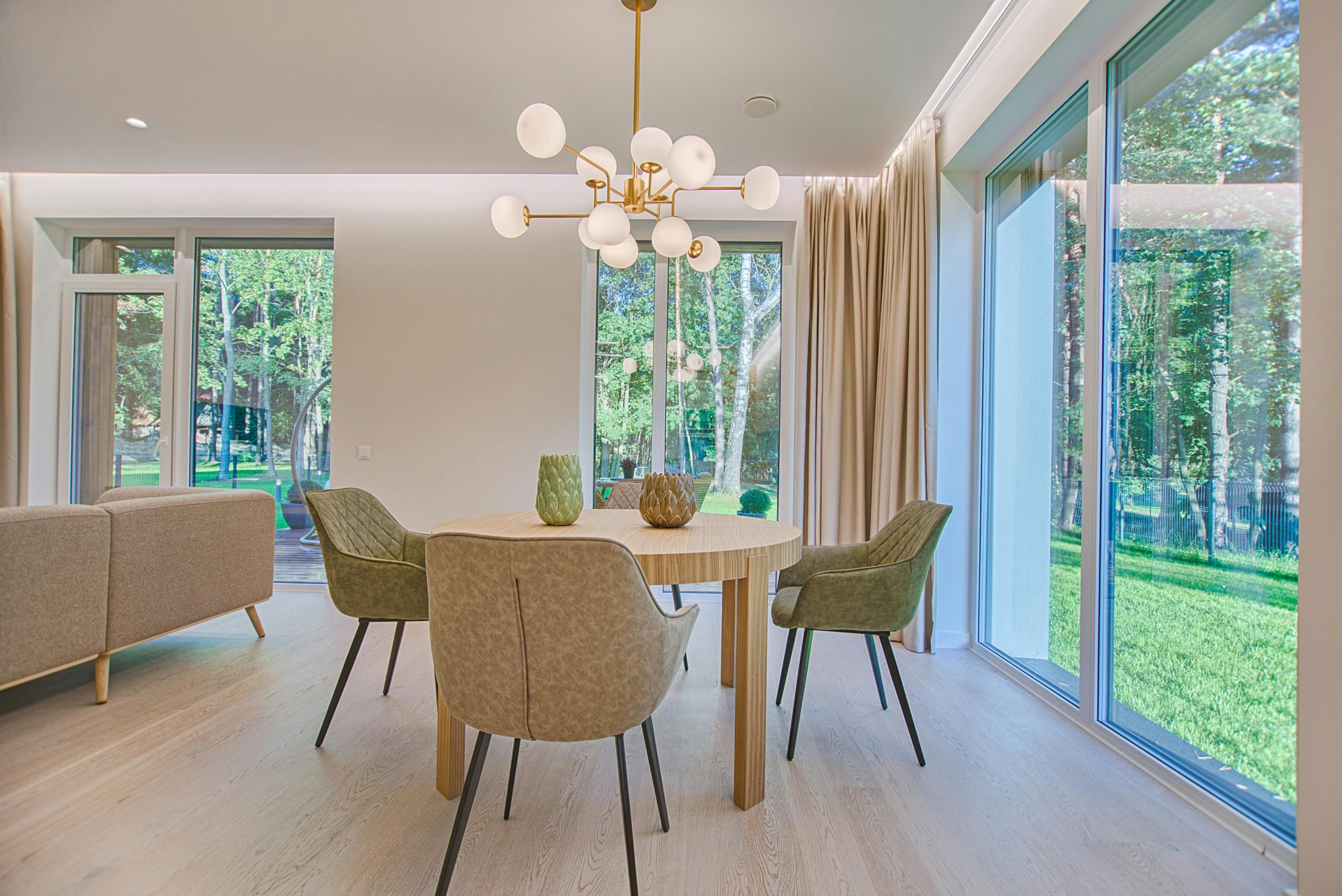
Bringing natural light into your home improves interior brightness, reduces reliance on artificial lighting, and influences long-term comfort and energy performance. Residential daylighting systems typically include skylights, clerestory windows, and light shelves. When designed intentionally, these systems increase usable daylight without creating excessive heat gain, glare, or moisture risk.
Why Daylighting Strategy Is Critical
Daylighting is not simply a design upgrade. It is a building envelope decision.
Openings in walls and roofs affect:
-
Solar heat gain
-
Cooling demand
-
Moisture protection
-
Glare control
-
Long-term durability
In climates like Bryan–College Station, unmanaged solar exposure can increase cooling loads significantly. Roof penetrations must also be carefully detailed to prevent long-term leak risks. The goal is balanced light, not uncontrolled sunlight.
When homeowners research how to add natural light to a house, the real consideration is performance over time.
Common Failures When Adding Natural Light
Most daylighting issues are not caused by the product itself but by placement and evaluation gaps.
Common failures include:
Improper orientation
South and west exposures can introduce excessive direct sun without proper shading.
Overconcentration of skylights
Multiple roof penetrations increase leak potential and amplify solar heat gain.
Glare from direct light shafts
Uncontrolled overhead sunlight can create visual discomfort.
Thermal bridging
Metal components and poorly insulated light shafts can conduct heat into conditioned spaces.
Treating daylight as decorative
Natural light must be integrated into the home’s overall thermal and ventilation strategy.
High-Level Overview of Daylighting Systems
Skylights
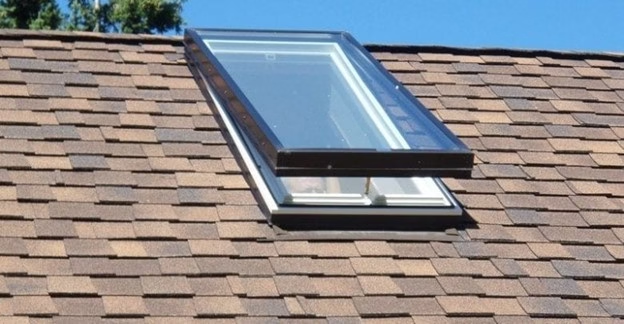
Skylights introduce daylight directly through the roof plane. They are especially useful in rooms with limited wall space or vaulted ceilings.
Because they sit on the roof, they are exposed to direct solar radiation and weather. Performance depends on orientation, glazing type, flashing details, and overall roof conditions.
North-facing slopes typically provide more diffuse and balanced daylight.
Clerestory Windows
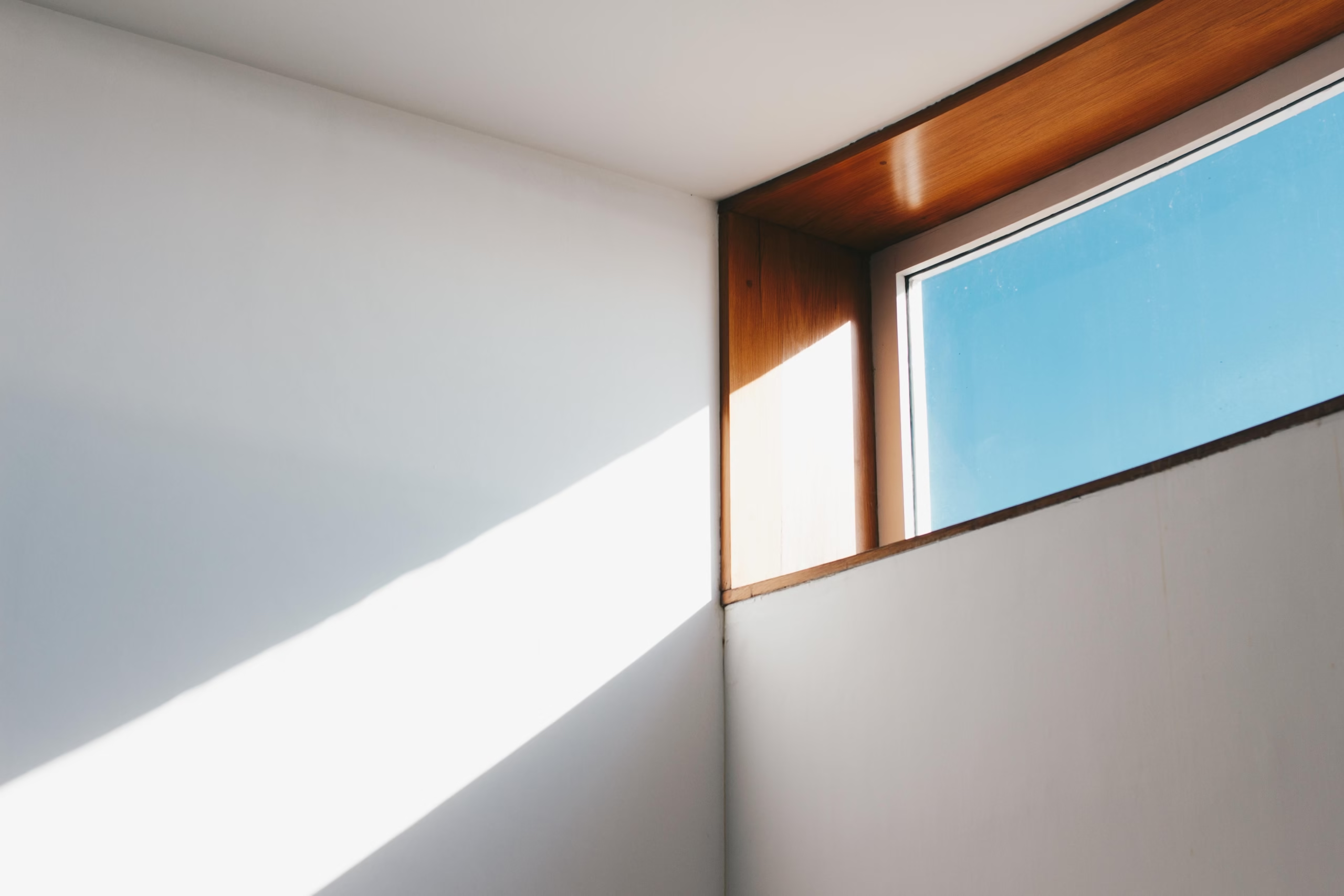
Clerestory windows are installed high on vertical walls, above eye level. Their placement allows light to enter deeper into a space while maintaining privacy.
When oriented north or shaded appropriately on the south, clerestories provide consistent daylight with reduced glare.
Operable clerestories can also support passive ventilation, allowing warm air to rise and exit naturally.
Light Shelves
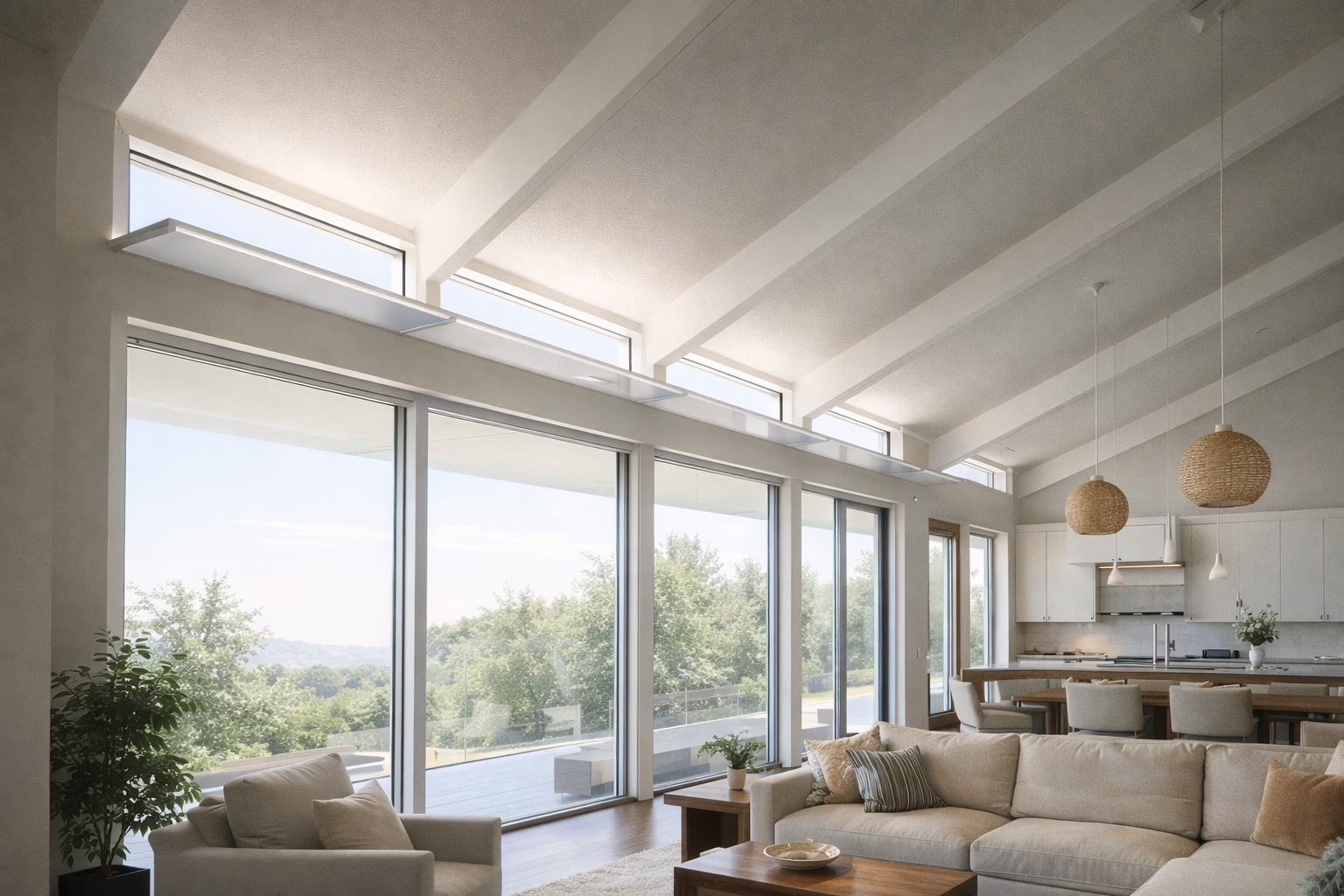
Light shelves are horizontal reflective surfaces placed near windows. They redirect daylight deeper into a room while reducing glare near the window opening.
Though more common in commercial settings, they can work in residential spaces with higher ceilings.
Material selection affects both reflection quality and thermal behavior.
Orientation and Placement Considerations
When bringing natural light into your home, direction matters as much as the system itself.
North-facing daylight
Soft, even, and consistent throughout the day.
South-facing daylight
High light potential but requires shading control to limit heat gain.
East and west exposures
Lower sun angles increase glare and heat intensity.
Roof slope, overhang depth, tree coverage, and interior ceiling height all influence daylight performance. Daylighting should be evaluated early in planning, not added after framing decisions are made.
Materials and Glazing Systems
Daylighting performance depends heavily on glazing and detailing.
Key considerations include:
-
Insulated glass assemblies
-
Low-emissivity coatings
-
Proper flashing systems
-
Air sealing at roof transitions
-
Thermal breaks in framing
These elements protect against condensation, heat transfer, and water intrusion. The goal is to increase light without compromising the thermal boundary of the home.
How Natural Light Impacts Long-Term Remodel Performance
Properly integrated daylighting can:
-
Reduce daytime electrical lighting demand
-
Improve perceived spaciousness
-
Support passive ventilation strategies
-
Enhance overall comfort
Poorly integrated systems can:
-
Increase cooling costs
-
Create uneven temperature zones
-
Require additional maintenance
Long-term performance depends on early evaluation and integration with HVAC and enclosure strategy.
How Stearns Design Build Approaches Daylighting Decisions
Daylighting is evaluated during planning, not after construction begins.
This step exists to align orientation, glazing performance, roof conditions, and interior comfort before openings are created.
We review solar exposure, roof structure, flashing strategy, and how light will move through the space. That protects homeowners from preventable heat gain, glare, and moisture risk.
The result is a lighting strategy that supports comfort and long-term durability.
Frequently Asked Questions
What is the best way to bring natural light into your home?
The best approach depends on orientation, roof conditions, and interior layout. Skylights, clerestories, and light shelves each perform differently depending on exposure and glazing selection.
How do you add natural light to a house without increasing heat?
Controlling orientation, using insulated glazing, and limiting direct west exposure are key. Balanced daylighting prioritizes diffuse light over direct solar gain.
Are skylights more likely to leak?
Leak risk depends on installation quality and flashing systems. When detailed properly and integrated into the roof assembly, skylights can perform reliably.
Do clerestory windows help with ventilation?
Yes. When operable, they allow warm air to exit at higher elevations, supporting passive airflow.
Are light shelves practical in residential homes?
They can be, particularly in spaces with higher ceilings where glare reduction and deeper light distribution are beneficial.