
How to Choose Energy Efficient Windows in Hot Climates
Energy efficient windows are systems designed to reduce heat transfer, control solar heat gain, and limit air leakage. In hot climates, performance ratings matter more than appearance alone. When selected intentionally, the right window specifications reduce cooling demand, improve interior comfort, and protect your home from long-term energy waste.
In Bryan–College Station and across the Southern climate zone, air conditioning systems work hard for much of the year. Windows can either support that effort or quietly undermine it. Understanding how energy efficient windows are built and how to read their performance labels allows homeowners to evaluate options with clarity instead of guesswork.

What Makes a Window Energy Efficient?
Not all windows perform the same, even if they look similar from the street. The efficiency of a window depends on how the entire unit is constructed.
Multiple Panes and Insulated Glass Units
Older homes often have single-pane windows. A single layer of glass provides very little resistance to heat transfer. In hot climates, that means exterior heat moves indoors more easily, increasing strain on the cooling system.
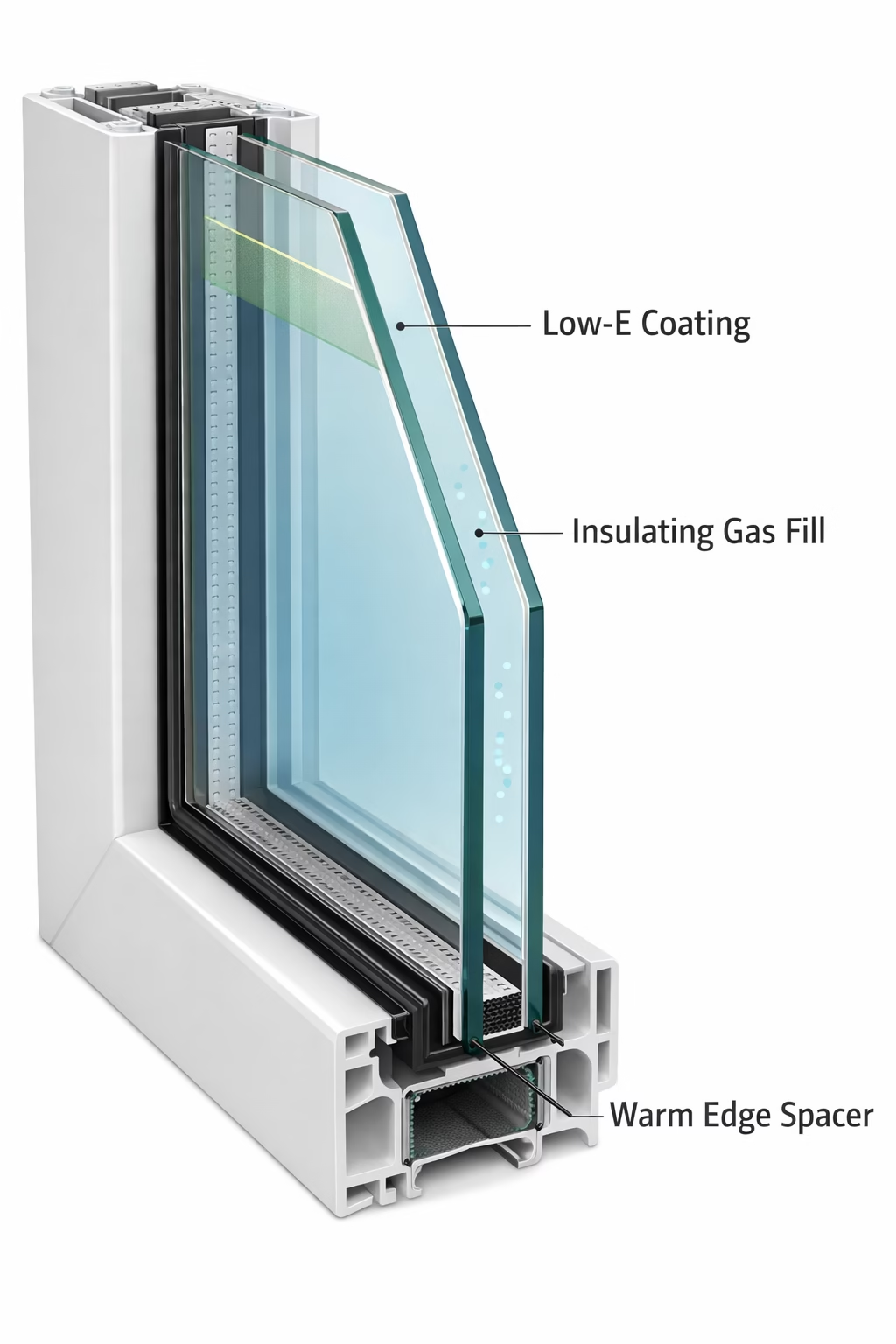
Modern energy efficient windows typically use double-pane construction. Two layers of glass are separated by a sealed space that contains air or an insulating gas such as argon. This space acts as a thermal barrier, slowing heat movement.
Triple-pane windows add another layer and another insulating space. While triple-pane systems can increase insulation, in hot Southern climates the performance difference between high-quality double-pane and triple-pane units is often smaller than homeowners expect. The added cost and weight do not always produce proportional benefits in long cooling-dominant regions.
The key is not simply the number of panes. It is how the entire insulated glass unit works together.
Low-Emissivity (Low-E) Coatings
One of the most important upgrades in energy efficient windows is the low-E coating. This is a microscopically thin metallic layer applied to the glass surface.
Low-E coatings reduce heat transfer by reflecting infrared energy. In summer, that means more solar heat is reflected outward rather than absorbed into the home. In winter, interior heat is reflected back inside.
Low-E coatings also reduce ultraviolet light penetration, which helps limit fading of flooring, furniture, and fabrics. Compared to tinted glass, low-E coatings provide thermal control without significantly darkening interior spaces.
Tinted glass can reduce glare and some heat gain, but darker tints may also absorb heat and radiate it inward. In many cases, properly specified low-E glass offers better overall performance for residential use.
Spacer Systems Between Panes
Between the panes of a double- or triple-pane window is a spacer bar. Traditionally, these spacers were made of aluminum.
Aluminum conducts heat efficiently, which can create temperature differences at the edges of the glass and increase the risk of condensation. Newer “warm-edge” spacer systems use lower-conductivity materials such as composite metals, foam, or specialized plastics. These reduce heat transfer at the perimeter and improve overall performance.
When evaluating energy efficient windows, the entire assembly matters. Glass, coatings, gas fills, and spacer materials all contribute to performance.
How to Read Window Performance Labels
Windows are not evaluated only by brand marketing. They are rated using standardized testing so homeowners can compare products objectively.
Two labels are especially important.
ENERGY STAR Regional Qualification
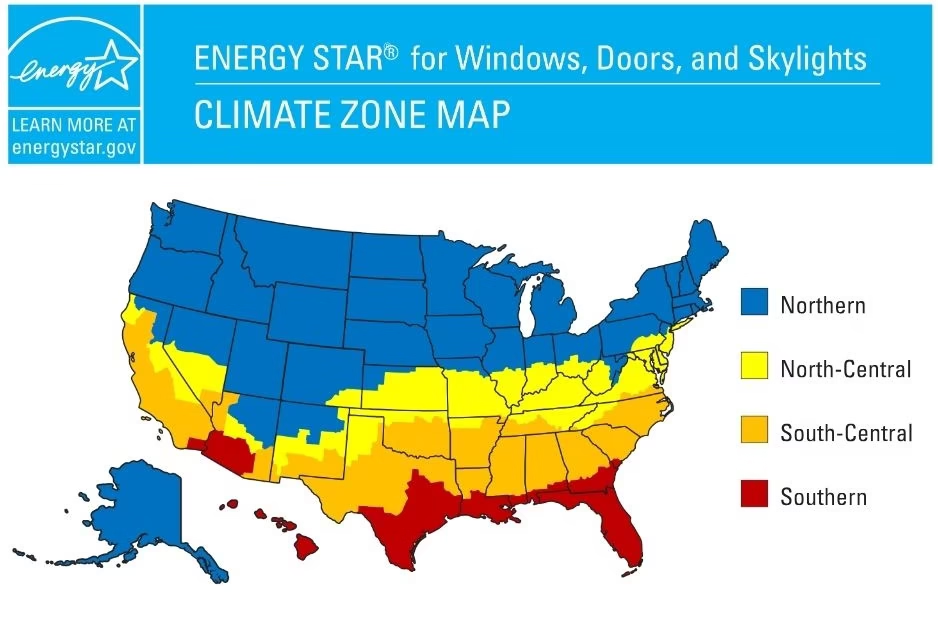
ENERGY STAR certifies windows based on climate zones within the United States. Bryan–College Station falls within the Southern region.
For a window to qualify in this region, it must meet specific performance thresholds designed to reduce cooling loads. The ENERGY STAR label identifies whether a product meets those regional criteria.
You can review current regional performance requirements through the ENERGY STAR program website, which outlines Southern climate recommendations for residential windows.
NFRC Label
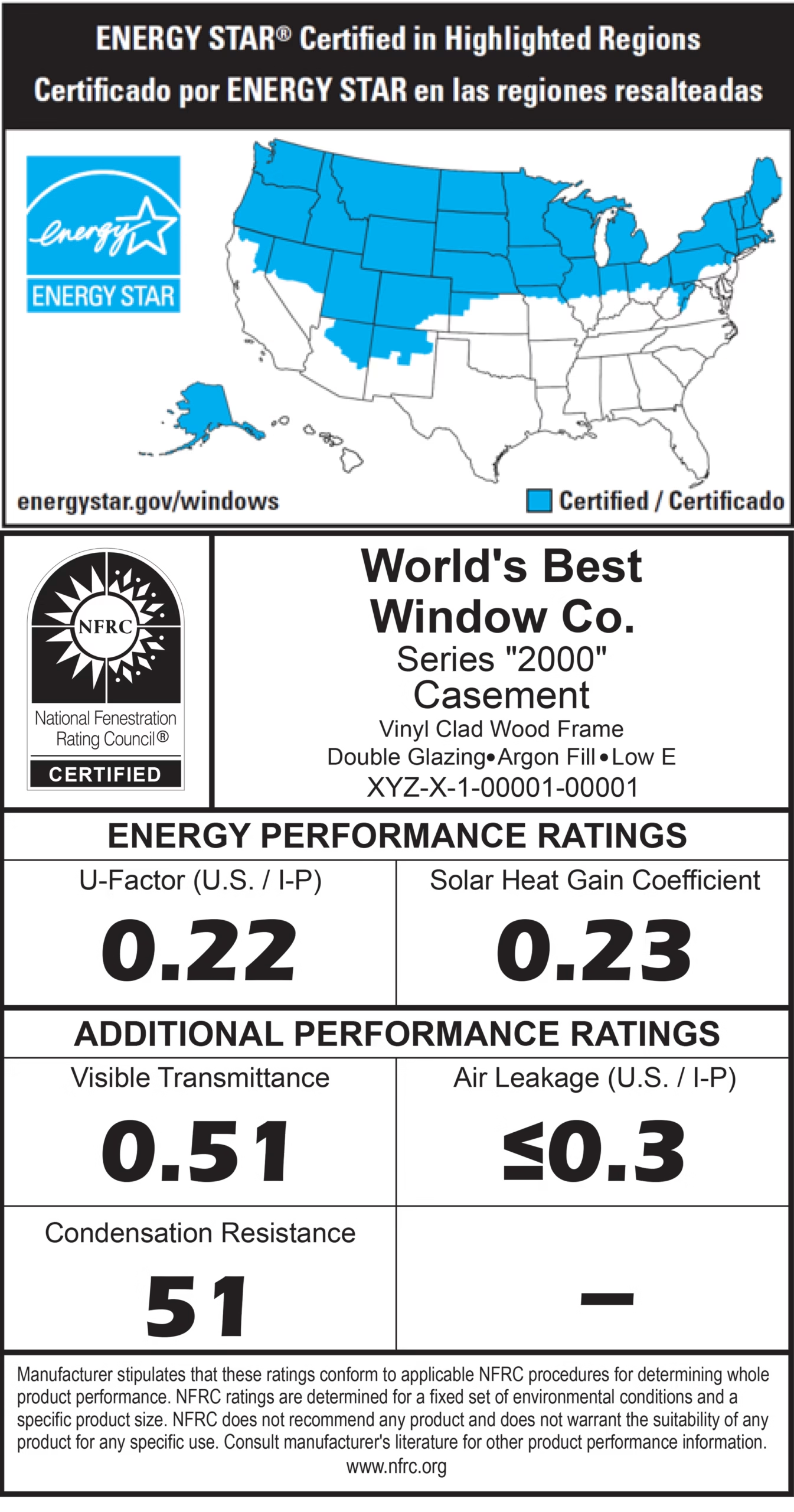
The National Fenestration Rating Council, or NFRC, provides a performance label for the entire window unit, not just the glass. This label includes several measurable ratings.
Understanding these categories helps you evaluate energy efficient windows based on performance rather than assumptions.
Understanding the Most Important Window Ratings
U-Factor
The U-Factor measures how well a window resists heat transfer. Lower numbers indicate better insulation.
In hot climates, reducing heat transfer helps prevent exterior heat from moving indoors. ENERGY STAR Southern guidelines typically recommend a maximum U-Factor around 0.60 or lower, though many high-performance windows exceed that standard.
Solar Heat Gain Coefficient (SHGC)
SHGC measures how much solar radiation passes through the window as heat. In cooling-dominant regions, this rating becomes especially important.
A lower SHGC means the window blocks more solar heat. ENERGY STAR recommendations for the Southern region often suggest a maximum SHGC of 0.27. In areas with long, intense summers, selecting a low SHGC can significantly reduce cooling demand.
Visible Transmittance (VT)
Visible Transmittance indicates how much natural light passes through the window. Higher numbers allow more daylight into the home.
Interestingly, only about half of sunlight is visible light. The remainder includes infrared and ultraviolet radiation. High-performing energy efficient windows can allow visible light while limiting unwanted heat gain. This supports bright interiors without excessive cooling loads.
Air Leakage (AL)
Air Leakage measures how much air passes through small gaps in the window assembly. Lower numbers indicate tighter construction.
Even small amounts of uncontrolled air movement can compromise comfort and efficiency. A window with a low AL rating supports a more stable interior environment and reduces strain on HVAC systems.
Condensation Resistance (CR)
Condensation Resistance measures a window’s ability to resist moisture buildup on interior surfaces. Higher numbers indicate better performance.
While condensation may seem like a minor issue, persistent moisture can lead to material damage over time. In humid climates, this rating becomes especially relevant.
Why Window Selection Should Be Climate-Specific
Energy efficient windows are not one-size-fits-all. A window optimized for a cold Northern climate may prioritize heat retention. In the Southern region, the priority shifts toward controlling solar gain and minimizing cooling loads.
In Bryan–College Station, long cooling seasons, strong sun exposure, and high humidity shape performance needs. Windows that reduce solar heat gain, limit air leakage, and manage moisture contribute to:
• More consistent indoor comfort
• Lower cooling demand
• Reduced stress on HVAC systems
• Longer material durability
Selecting windows based on performance ratings rather than appearance alone leads to more predictable outcomes.
Frequently Asked Questions
What is the most important rating for energy efficient windows in Texas?
In hot climates, Solar Heat Gain Coefficient is often the most influential rating because it controls how much solar heat enters the home. However, U-Factor and Air Leakage also matter. The right balance depends on overall home design and orientation.
Is triple-pane glass necessary in the Southern region?
Triple-pane windows can increase insulation, but in cooling-dominant climates, the performance difference compared to high-quality double-pane windows may be modest. Many homeowners achieve strong results with properly specified double-pane units that include low-E coatings and gas fills.
Do tinted windows make a home more energy efficient?
Tint can reduce glare and some solar gain, but it may also darken interior spaces and absorb heat. Low-E coatings generally provide more effective thermal control without sacrificing visible light.
What U-Factor should I look for in Bryan–College Station?
ENERGY STAR Southern region guidelines commonly recommend U-Factors at or below 0.60. Many modern energy efficient windows perform better than this threshold.
Are ENERGY STAR windows required?
ENERGY STAR certification is not always legally required, but it provides a reliable benchmark for performance. Using certified products helps ensure the window meets region-specific efficiency standards.